Acting
Pierre Fresnay was a French stage and film actor.
No description available.
Pierre Fresnay plays the title character in Le Defroque (The Defrocked One). Cast out by his church, former priest Maurice (Fresnay) delights in mocking the traditions and credos of Catholicism. Even so, young Gerard (Pierre Trabaud) becomes convinced that Maurice has never truly lost his calling. Becoming a priest himself, Gerard devotes his life to bringing Maurice back into the fold. Things don't turn out quite as Gerard hopes, however; he has not reckoned with the possibility that Maurice may have been driven into insanity by his raging self-hatred.
A group of French soldiers, including the patrician Captain de Boeldieu and the working-class Lieutenant Maréchal, grapple with their own class differences after being captured and held in a World War I German prison camp. When the men are transferred to a high-security fortress, they must concoct a plan to escape beneath the watchful eye of aristocratic German officer von Rauffenstein, who has formed an unexpected bond with de Boeldieu.
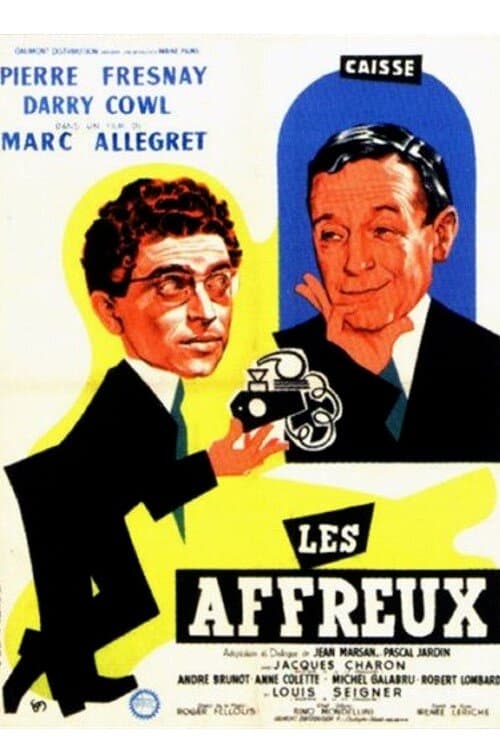
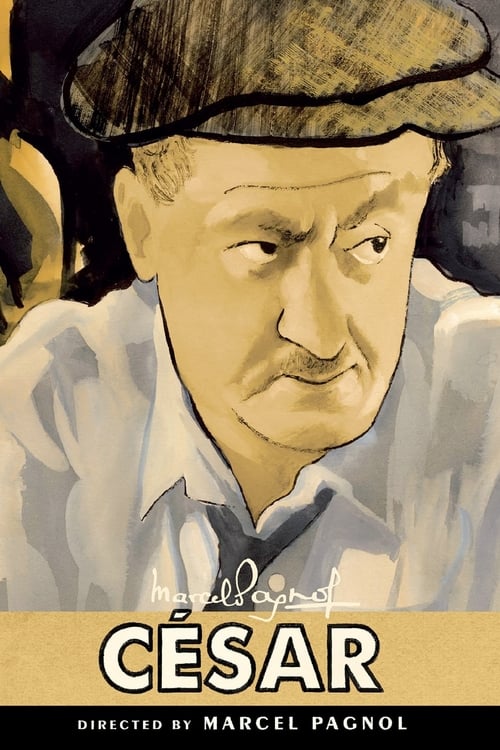
César Dandieu is an honest cashier in an oil company, and Fernand Mouchette an absent-minded inventor. The latter comes to propose a new type of carburetor to the company when César has to hand in the day's takings to his superior.
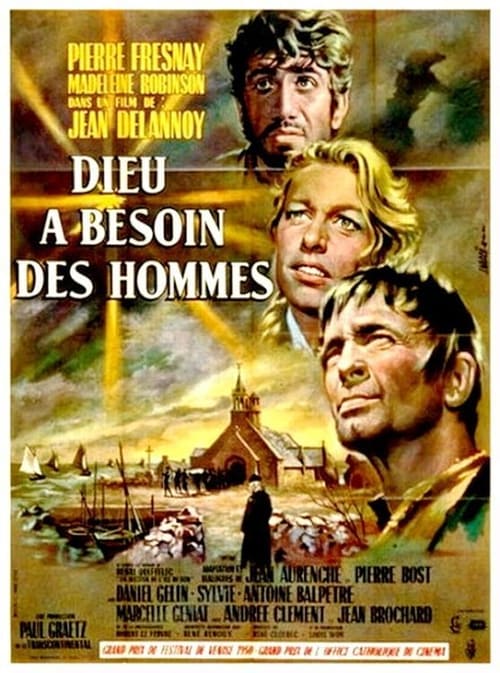
The inhabitants of the windswept island of Sein, in the 19th-century Brittany, follow their own religion without need for clergy, but as strangers arrive, their faith and beliefs face a deep crisis.
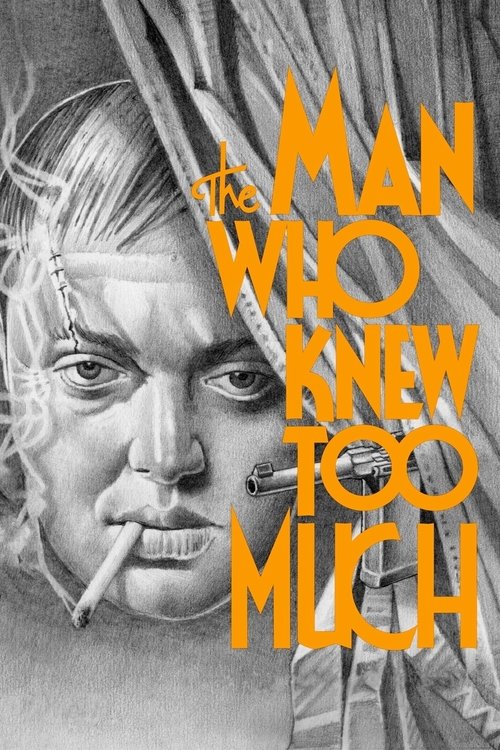
While vacationing in St. Moritz, a British couple receive a clue to an imminent assassination attempt, only to learn that their daughter has been kidnapped to keep them quiet.
Remy Germain is a doctor in a French town who becomes the focus of a vicious smear campaign, as letters accusing him of having an affair and performing unlawful abortions are mailed to village leaders. The mysterious writer, who signs each letter as "Le Corbeau" (The Raven) soon targets the whole town, exposing everyone's dark secrets.
An old man against the public housing project.
After losing her only child and falling for another man, a wife no longer loves her husband, but he thinks if he takes her back to some of the places they enjoyed in earlier years, it might rekindle their doomed marriage.
Leaping forward twenty years, the trilogy continues with the death of Fanny's husband, Panisse, and the discovery of her secret by her son, Césariot. The young man resolves to track down his biological father, Marius, whose life has been fraught with calamity and poverty.
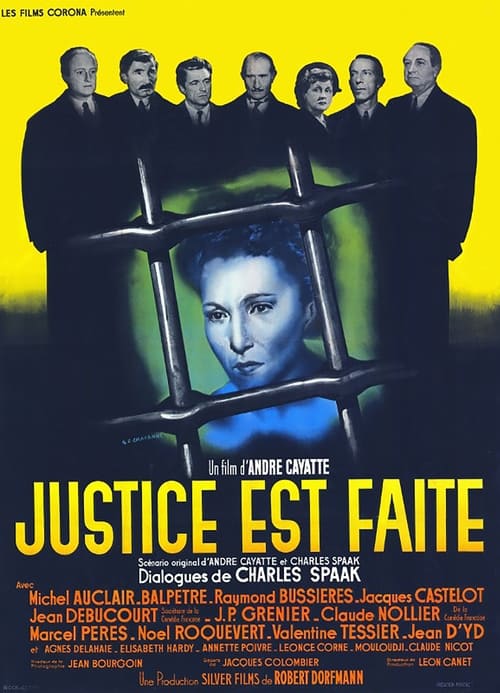
Elsa Lundenstein is accused of having murdered her lover. The jury discusses the case vividly. All members are somehow prejudiced because of personal life experience and subsequently each member reads something different into the presented facts.
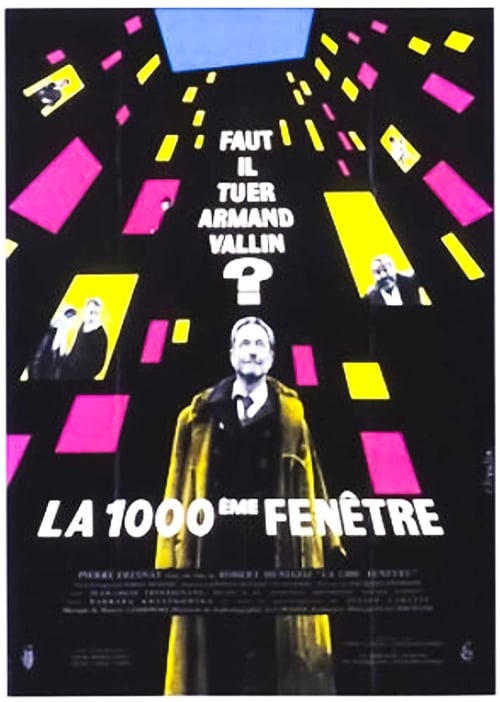
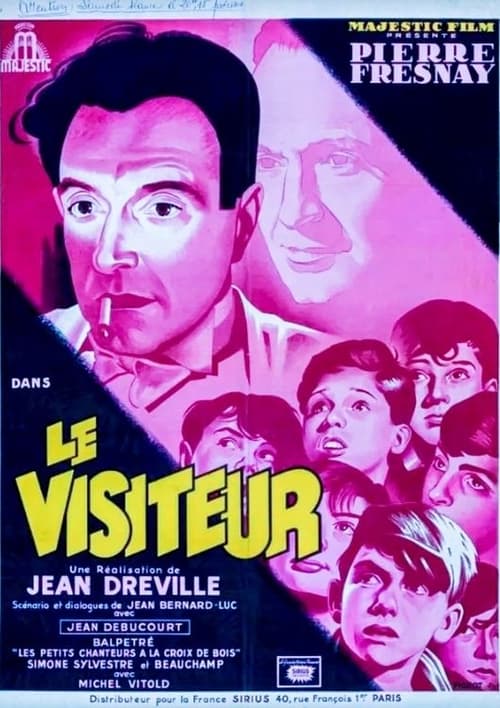
Louberger, director of an orphanage, is full of praise for a former boarder, Mr. Sauval, who has become their benefactor. One night he arrives and he does not seem to be exactly the man described by Louberger. He has in fact become a crooked lawyer and he is wanted for a crime he has just committed. Despite his efforts he will not escape the police but he will manage to remain, in the eyes of the children, at the height of his legend.
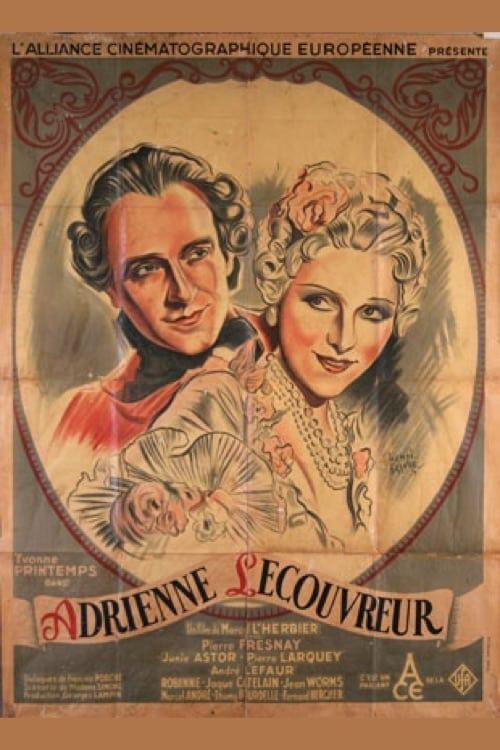
Adrienne Lecouvreur is an acclaimed actress who falls in love with Polish prince Maurice de Saxe, only to be poisoned by a jealous rival while Maurice is away at war. The film was a co-production between the two countries, and was made at UFA's Berlin Studios. It was based on the 1849 play Adrienne Lecouvreur by Eugène Scribe and Ernest Legouvé about the life of the eighteenth century actress Adrienne Lecouvreur.
RY A revolution breaks out in a South American country while its cruel dictator is on a trip to France. The rebels have made careful plans to blow up the dictator's private plane as he returns, but at the last second he changes plans and travels on a commercial flight. The rebels then must make a difficult decision: they must either blow up a flight filled with innocent passengers, or else allow the dictator to return home and take brutal reprisals against the leaders of the uprising.
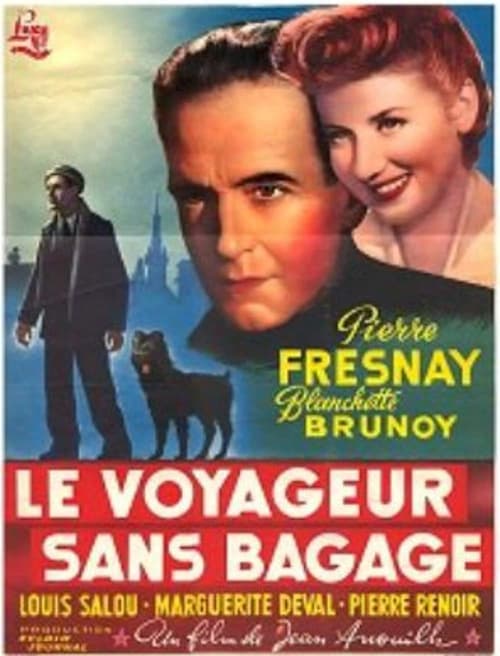
Having lost his memory due to serving in World War I, Gaston has spent the past 15 years in a psychiatric hospital. Due to his large disability pension fund, several families claim him as their missing son. Gaston is introduced to the Renaud family by the Duchess Dupont-Dufort and her lawyer. The Renaud family attempt to revive Gaston's memory with stories of his past, but he is apalled by some of the things he hears and dislikes the man he is supposed to be.
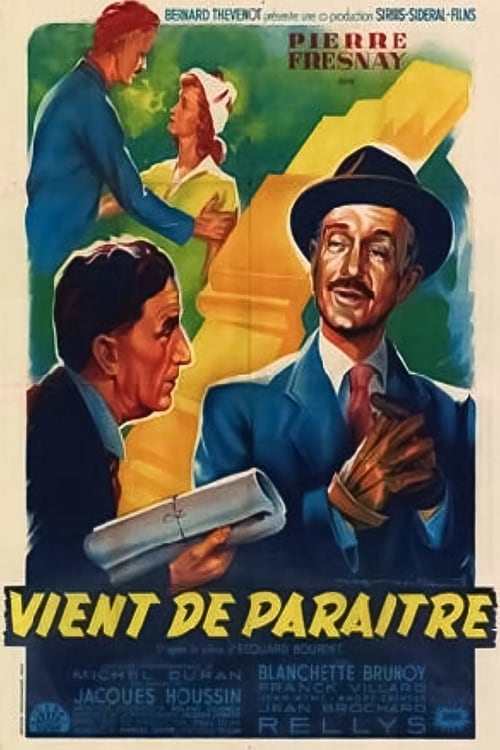
Satire of publishing circles, featuring a ferocious boss, Moscat, a successful but handsome author, Maréchal, another successful but bitter author, Bourgine, a writer plagued with ambition, Brégaillon and the hero, Marc Fournier Zola Prize winner. Naive, the latter quickly becomes formidable, especially since his wife's infidelities have provided him with the material for a new novel.
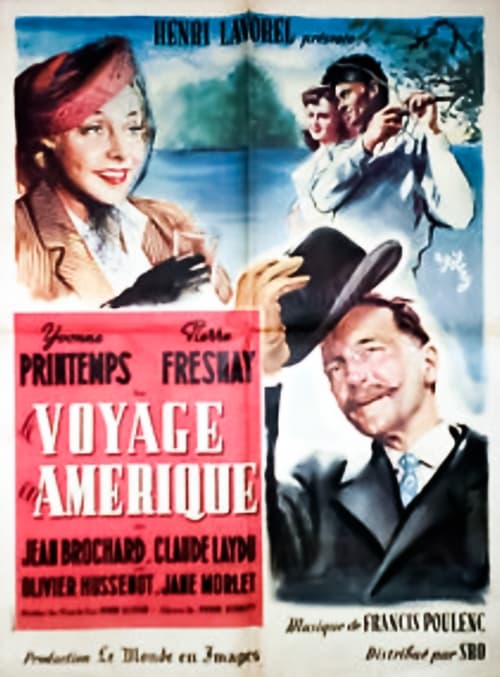
As part of the fascination in post World War II France with American culture, a young French couple here travel to the US to see for themselves the prosperity they have heard about.
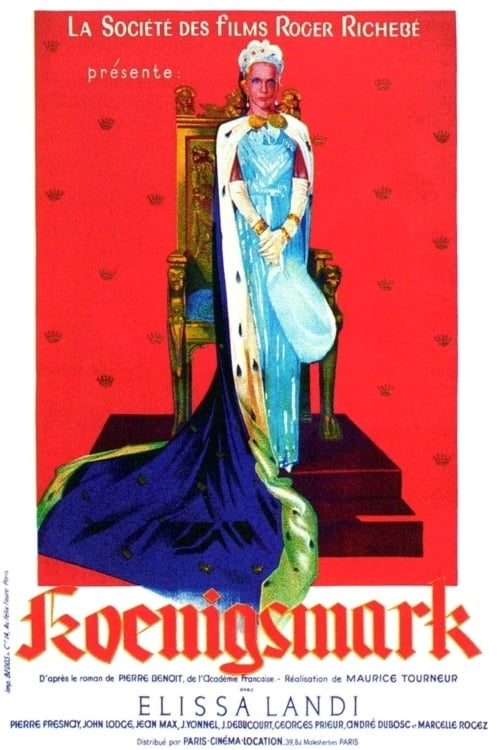
Koenigsmark is a 1935 British-French drama film directed by Maurice Tourneur and starring Elissa Landi, John Lodge and Pierre Fresnay. The film is based on the novel Koenigsmark by Pierre Benoît. It's sets were designed by the art director Lucien Aguettand. The film was known in the United States as Crimson Dynasty.
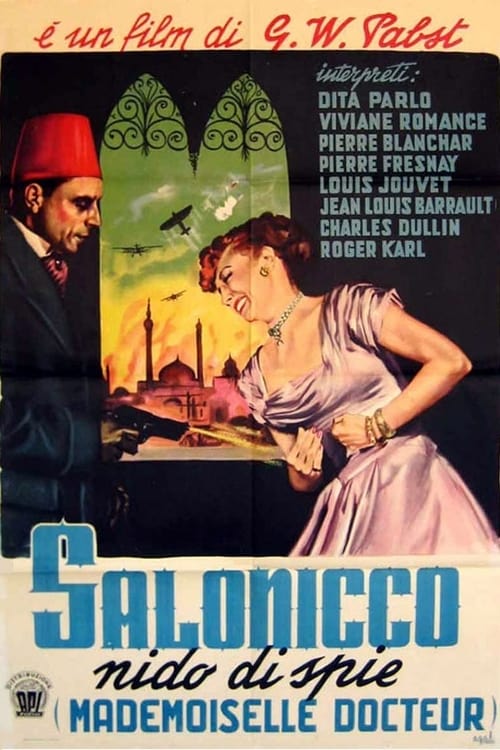
A slippery femme fatale, a spy for Germany during the Great War, is sent to Thessaloniki in Greece and becomes involved with a man on the other side, a French military officer.
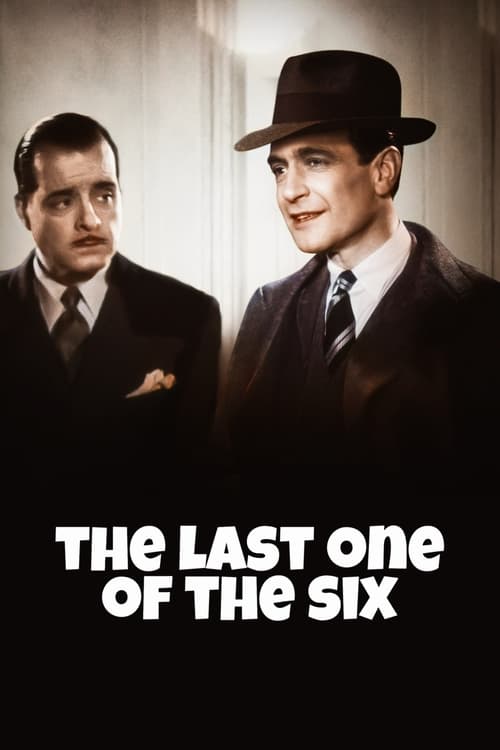
Paris, France. Commissaire Wens is put in charge of the investigation into the murder of one of six friends who, in the past, made a very profitable promise.