Rudy Burckhardt
Directing
Biography
Rudy Burckhardt (April 6, 1914 – August 1, 1999) is best known for his photography of New York and other cities. His signature image explores the quirks of modern urban life, in particular the exuberant life of the streets from the perspective of the pedestrian. He is also celebrated for canonical portraits of New York artists at work, and for his film and collaborations with leading artists, poets and musicians of the New York School. This exhibition, however, shows the private, meditative, less known side of Burkhardt's creative personality, what guest curator Vincent Katz describes as "that essential base of solace that facilitated the cosmpolitan flâneur."
Known For

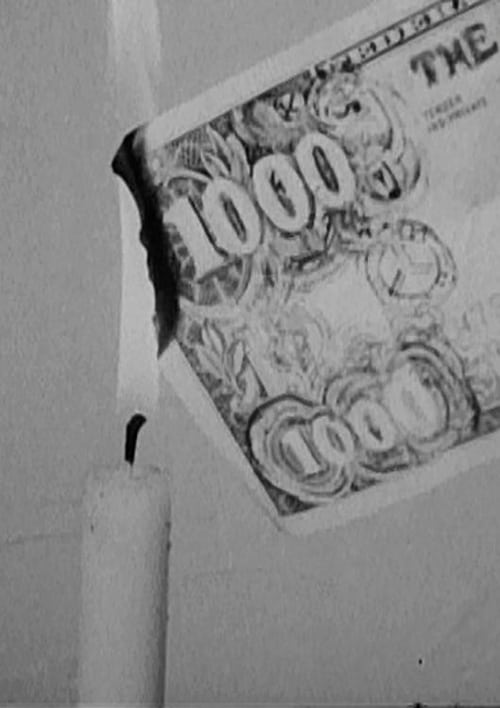
A silent screen-type comedy starring Edwin Denby as Hemlock Stinge, the unlovable billionaire.
Money

First shown on January 30, 1967, FOR LIFE AGAINST THE WAR was an open-call, collective statement from American independent filmmakers disparate in style and sensibility but united by their opposition to the Vietnam War. Part of the protest festival Week of the Angry Arts, the epic compilation film incorporated minute-long segments which were sent from many corners of the country, spliced together and projected. The original presentation of the works was more of an open forum with no curation or selection, and in 2000 Anthology Film Archives preserved a print featuring around 40 films from over 60 submissions.
For Life, Against the War

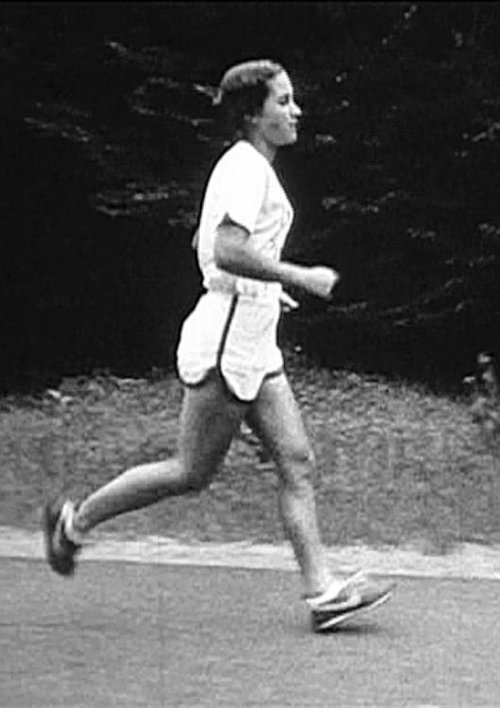
A short, avant-garde movie, starring twelve-year-old ballet student Gwen Thomas, Nymphlight is a lovely blend of fact and fiction, using Bryant Park at the New York Public Library as a stage set for the fantasy inclusion of a certain nymph. A meditation on an ephemeral day in the the life of a park shared by birds, the young and the old.
Nymphlight

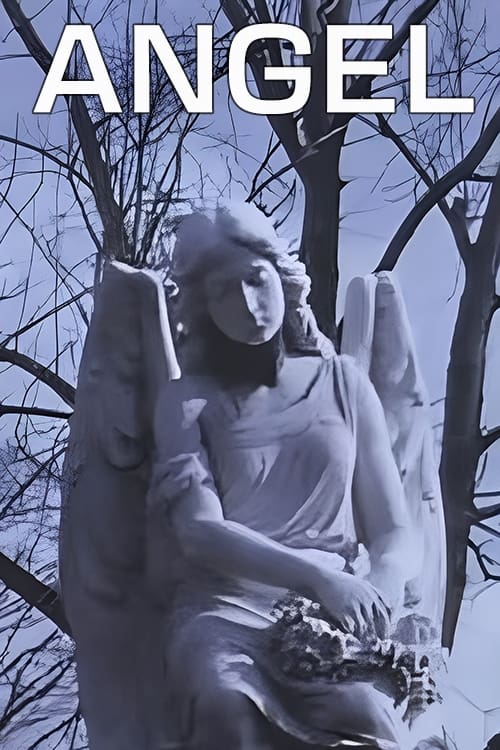
Short film of a statue of an angel by an ornamental pond on a summer's day.
Angel

A detailed look at a remarkable artist who died in 1999 at age 85. Aspects of Burckhardt's work in photography, film, and painting are examined in interviews with Rudy Burckhardt, painter Yvonne Jacquette, and curators Robert Storr (former Senior Curator of Painting and Sculpture, Museum of Modern Art, New York) and Brian Wallis (Chief Curator, International Center of Photography, New York). In his studio in New York, Burckhardt discusses his photography and its significance within its historical framework. In the woods near his summer home in Maine, the viewer sees Burckhardt's easel and painting in front of the scene he is depicting. Whether in city or country, Burckhardt appreciated and transformed the chaos he discovered.
Rudy Burckhardt: Man in the Woods

Slightly different version of Cornell's Mulberry Street. Scenes of Mulberry Street on New York City's Lower East Side, as seen from the point of view of a bust of Mozart sitting in a store window.
Children

This is a 1991 documentary film about the legendary artist and filmmaker, Joseph Cornell, who made those magnificent and strange collage boxes. He was also one of our great experimental filmmakers and once apparently made Salvador Dali extremely jealous at a screening of his masterpiece, Rose Hobart. In this film we get to hear people like Susan Sontag, Stan Brakhage, and Tony Curtis talk about their friendships with the artist. It turns out that Curtis was quite a collector and he seemed to have a very deep understanding of what Cornell was doing in his work.
Joseph Cornell: Worlds in a Box

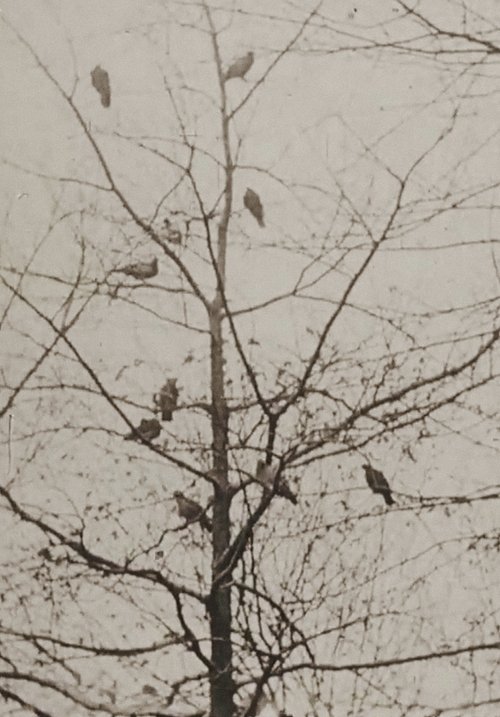
A collaboration between Joseph Cornell and Rudy Burckhardt, Aviary is an impression of Union Square. The location held a particular fascination for Cornell who wanted to establish a foundation for artists and art therapy there. In the film, he treats the park as an outdoor aviary.
The Aviary

Images to accompany the lines of a poem by John Ashbery. "Rudy Burckhardt's film is a brilliant extension of my poem, perhaps the film I might have made myself if I were a filmmaker." – John Ashbery
Indelible, Inedible

"A few acres of Maine, a small lake in the woods, wild flowers, clouds, mosses, and mushrooms after the rain. The visual richness is fantastic, the objective eye is absorbing. Burckhardt often cuts by glimpses, the second time you see the film you see twice as much, and each time the power and depth of feeling are new." – Edwin Denby
Summer

Short film with sound by Rudy Burckhardt, assembled from the footage shot by Joseph Cornell for his own silent "Mulberry Street."
What Mozart Saw on Mulberry Street

A sightseeing portrait of New York, with lively narration taking the viewer aboard the New York elevated and subway trains. Then the view from the windows becomes slightly abstracted, the voice of the commentator becomes uncertain. Featuring Joseph Cotten (credited 'Cotton') Virginia Nicholson Welles, John Becker and Edwin Denby.
Seeing the World: Part One - A Visit to New York, N.Y.
Joseph Cornell film with input from Rudolph Burckhardt. Also the title to one of Cornell's collages.
Seraphina's Garden
Elliott Carter’s composition of the same title inspired Rudy Burckhardt, in collaboration with Yvonne Jacquette, to photograph this collage-style film. Mostly shot in New York City, but also in Hong Kong and Searsmont, Maine.
Night Fantasies

A snow storm – Disney World – self important New York – ox-pull in Maine – a special old man – strip tease – an ant in the woods –wild 14th street – a mugging survived – the end.
City Pasture

With music by Elliott Carter adding drama and richness, a surreal dance by Dana Reitz and Alice Notley reading her poem "I work in a whorehouse, I seem to like it/it is dark like a cave, with pink light..." We visit briefly New York, Provincetown, Martinique, Hong Kong, ending in the dark woods of Maine, with glimpses of women, peculiar, sometimes erotic, always fleeting.
Wayward Glimpses
a swift tour of subways and streets while it concentrates on a threadbare romantic comedy about a lonely boy and a girl, played by Red and Mimi Grooms
Miracle on the BMT
"The story of a shipwrecked baby reared by a kindly animal. See Tarzam, the beast-man, invent the art of painting. He meets his first human. His scene deepens from innocence to corruption and to final violence. Taylor is sublime, as always. The text is his, of course." – Edwin Denby *Contains a scene where "Tarzam" (played by Mead) gets sick from eating berries and is cured when a missionary doctor, played by Edwin Denby, administers an enema.
Tarzam

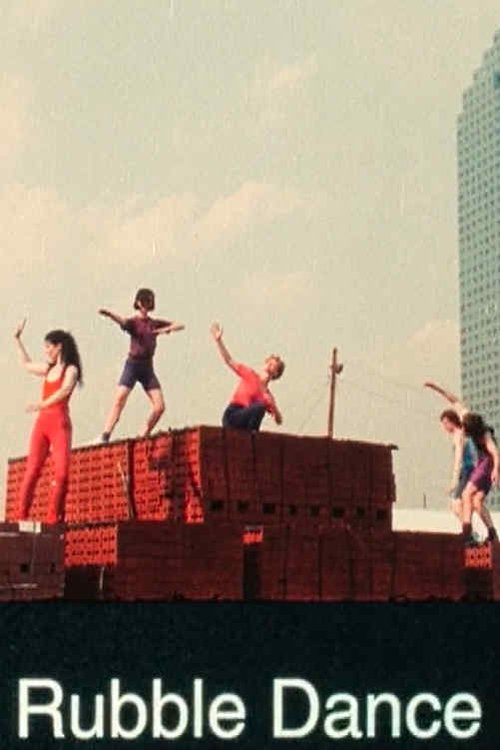
A film-dance, shot on 16mm film in Long Island City, Queens, NY.
Rubble Dance
A soldier on a weekend pass, with Kodachrome in his camera, takes a leisurely walk on both sides of the tracks. Piano by Earl Hines.