Directing
Every evening at 6:45 p.m. sharp, a prominent guest takes a seat on the red sofa—and DAS! provides daily updates on what's hot in the north.
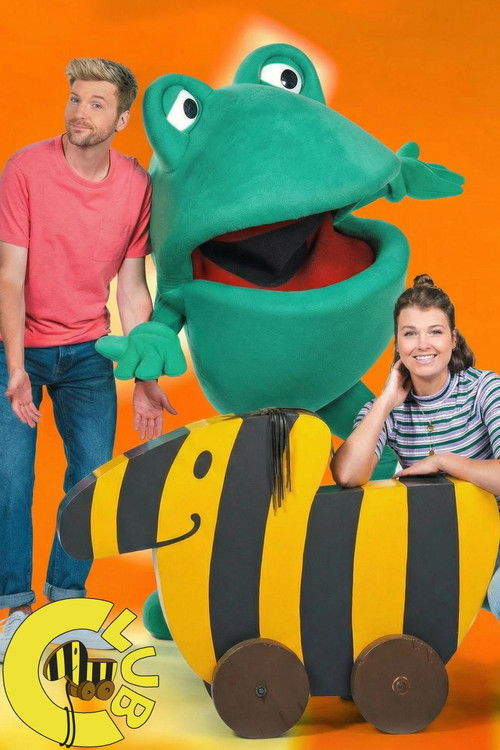
Tigerenten Club is a German children's television programme. The programme involves a mix of games, quizzes, cartoons and outside reports from the presenters and children, with the aim to educate and entertain. It is produced by SWR in co-operation with other regional broadcasters, and is broadcast on ARD and KiKa. The logo and the name of the programme is based upon the Tigerente or 'Tigerduck', created by German cartoonist Janosch.
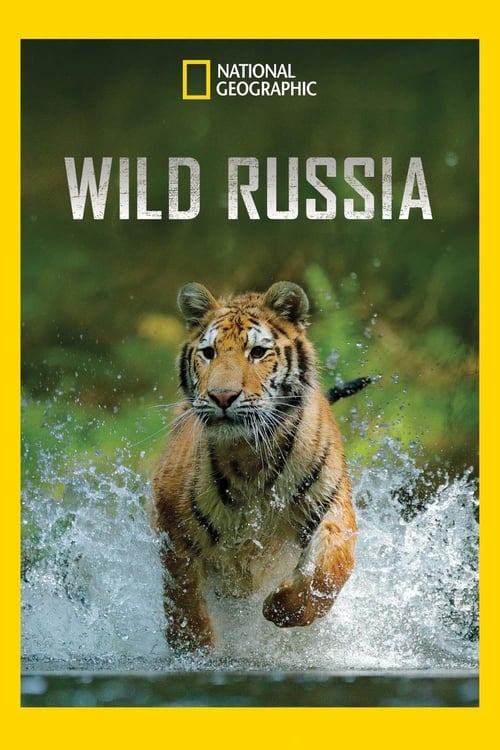
Through unprecedented access we showcase the spectacle that is Wild Russia. From east to west, via mountains, volcanoes, deserts, lakes and Arctic ice, this breathtaking six-part series uses stunning cinematography to chart the dazzling natural wonders of this vast country.
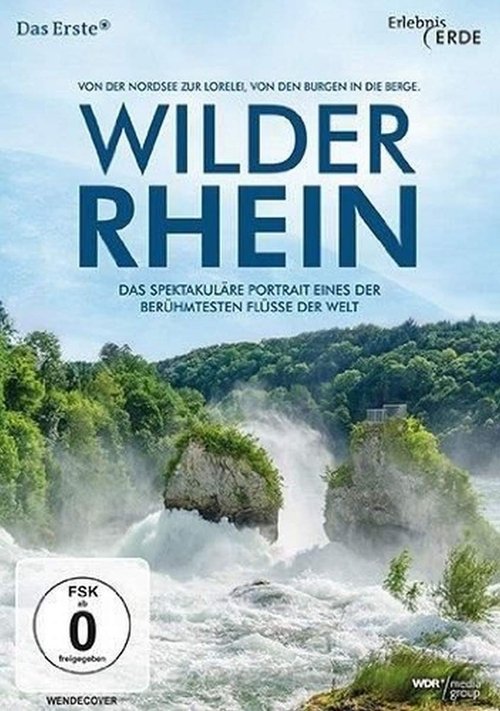
The fairytale river landscape of the Spreewald, the flocks of birds of the North Frisian Wadden Sea and the striking chalk cliffs on the island of Rügen. You can see unique landscapes and their fauna in the different regions of Germany.
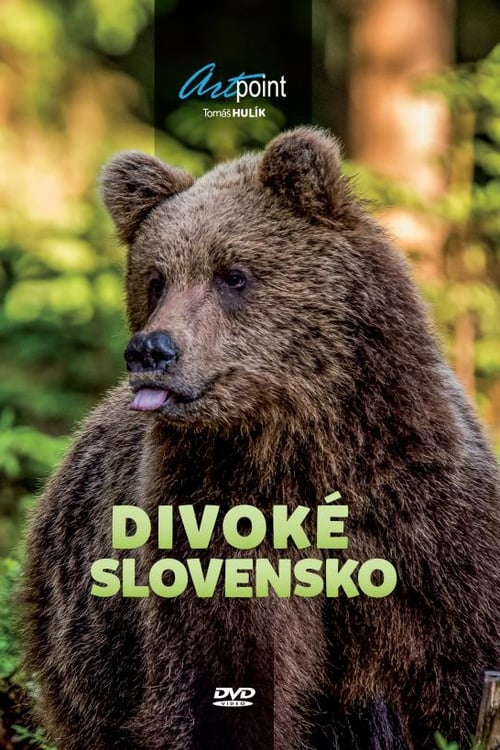
Slovakia lies in the heart of Europe. What natural treasures the small country holds, what spectacular nature and what peculiarities of flora and fauna, it is told in "Wild Slovakia".
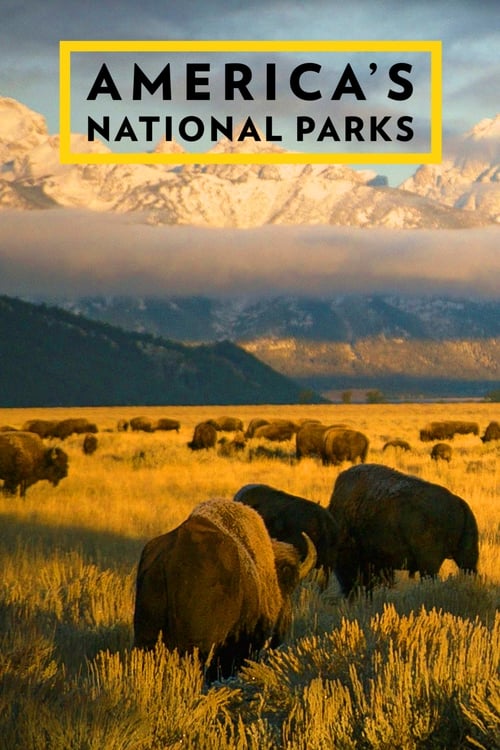
An epic journey from the geysers of Yellowstone to the rugged Pacific coast of the Olympic peninsula, from the hot desert of Saguaro to the icy Gates of the Arctic, from the subtropical sea of grass in the Everglades to the world-famous peaks of Yosemite and from the mystic Smoky Mountains to the biggest gorge on Earth: the Grand Canyon.
An exploration of Scandinavian landscapes, including fjords and forests.
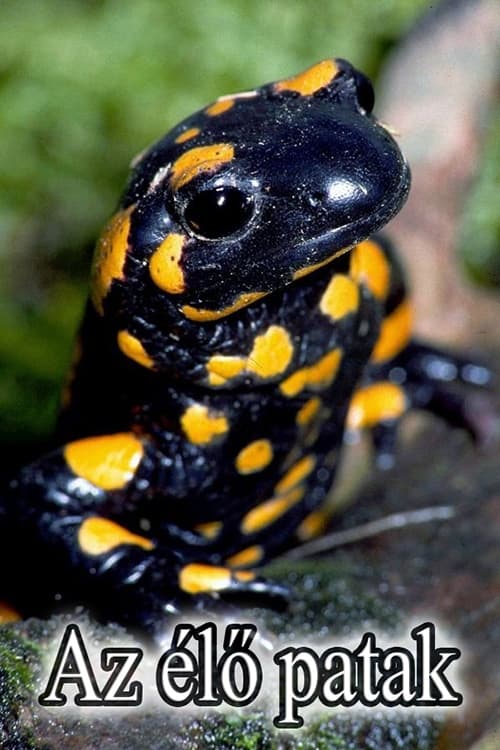
Intact ecosystems provide the best defense against climate change! The ecosystem of a small creek is complex and diverse – the shocking reality is that in Central Europe only one in a thousand is still intact, today. What happened to our streams and brooks? What does the future hold? The film ‘One in a Thousand’ portrays the diverse wildlife inside and alongside a stream, explains the importance of this habitat and identifies the sources of its destruction. A blue-chip wildlife film that carries an important message.
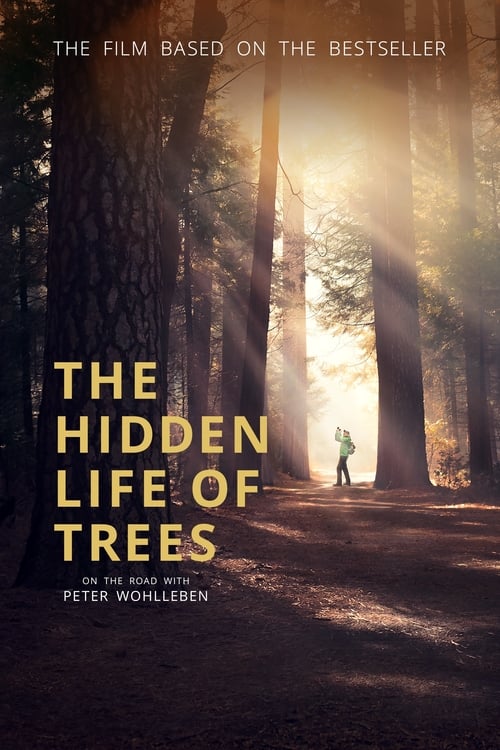
When Peter Wohlleben published his book "The Hidden Life of Trees" in 2015, he quickly entered bestseller lists. The forester wrote vividly about his experience that trees are able to communicate with each other, a thesis explored here.
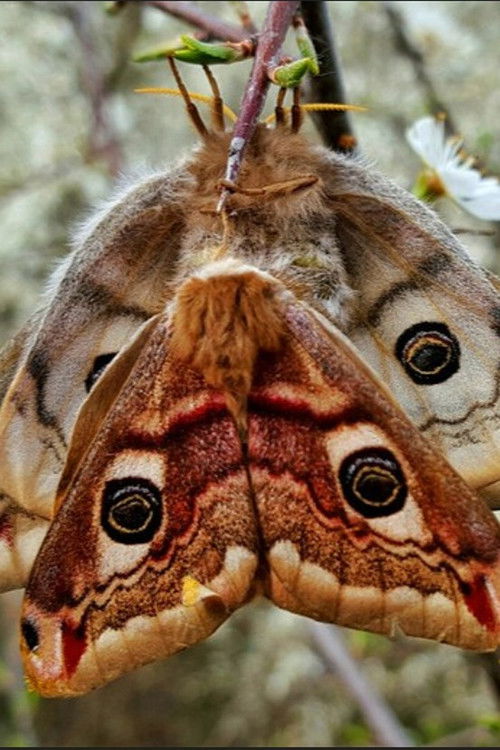
Butterflies and Music, The male purple emperor possesses the iridescence that gives it its name: the metallic purple shimmer is a structural colour created by light refraction through special scales. Its scientific name (apatura iris) also reflects this: Iris is the goddess of the rainbow. The butterfly is often seen feeding on faeces, carrion, or even human sweat, as it primarily obtains nutrients from minerals
No description available.
Home is where we grow up or settle permanently. And this home is always shaped by nature. Today, we human beings change and shape this more than any law of nature. HEIMAT NATUR is a visually stunning journey through the nature of our homeland, from the peaks of the Alps to the coasts and the depths of the North and Baltic Seas. In between is a cinematic foray through steaming forests, shimmering moors, over rose-blossoming heaths and the colorful cultural landscape around our villages and towns. In extraordinary images this nature is shown from its most beautiful side, examining the state of the native habitats. Slow-motion and time-lapse photography as well as intimate shots of familiar and unfamiliar species, some filmed for the first time, making the film a cinematic nature experience for the whole family.
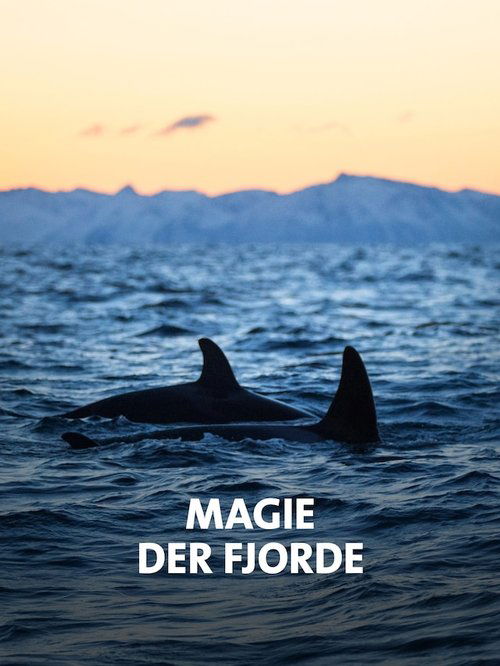
The Norwegian fjords are among the most impressive landscapes in Europe. In the deep, cold waters lies a surprisingly rich underwater world: from vast coral reefs full of luminous sea creatures to herring orcas and humpback whales. The prize-winning nature filmmaker Jan Haft reveals the special and enchanting richness hidden in the dark water. In the deep fjords, animals and plants survive in a fascinating society that is being portrayed for the first time. Fjord is an intimate portrait of a unique wilderness.
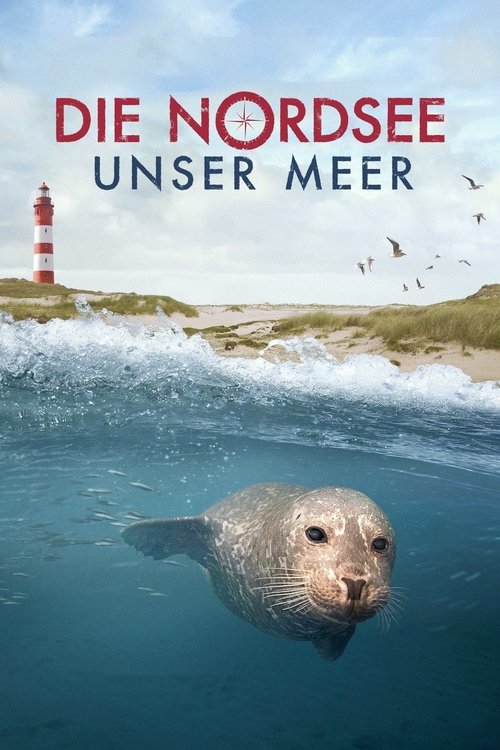
The North Sea, the largest sea on our doorstep, has many faces: wide tidal environments, high dunes, flat holms and rugged coastlines. Its beaches attract every season not only tourists but also countless seals. And beneath the cool sea surface hides a varied and fascinating underwater world: whether majestic basking before the chalk cliffs of Dover or combative gray seals on the beach of Helgoland, whether mighty squid on the Dutch Oosterschelde, or creepy Greenland shark in the Fjords of Norway.
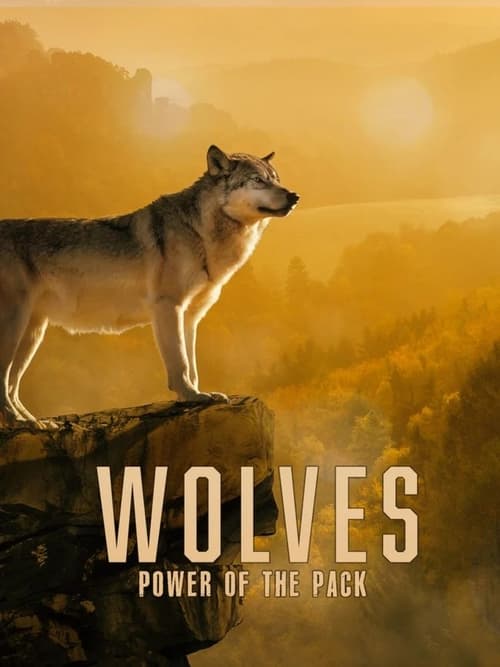
From the arctic tundra to the great planes, the kingdom of the wolf extends across the entire northern hemisphere. They are icons of the wilderness, spectacular creatures that live and die by the sword.
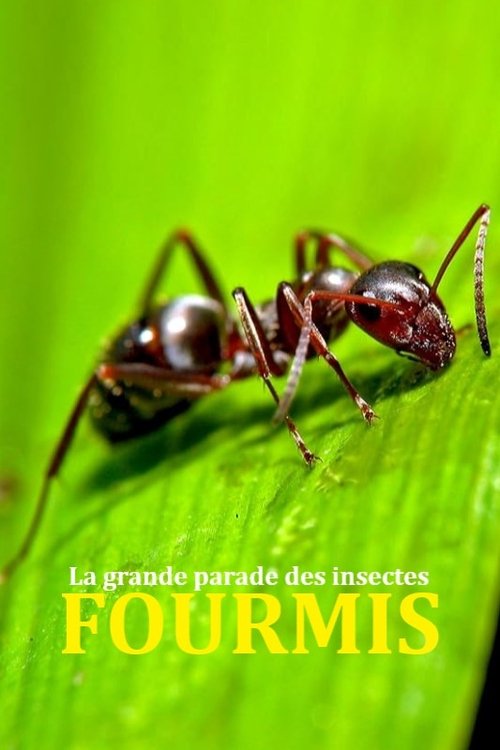
„The Fabulous Insects – Ants“ shows the diversity, beauty and exciting strategies of ants in their respective habitats. Whether in the tropics of South America or in the native climes of Europe - the world of ants is full of surprises. The biomass of ants and humans in the world is about the same. Next to us, ants are probably the most adaptable creatures on the planet. Whether rainforest, savannah, forests or moors - ants populate every terrestrial habitat. You can observe particularly exciting natural history not only in the distant tropics, but also in densly populated Central Europe.