Dana Budisavljević
Writing
Known For
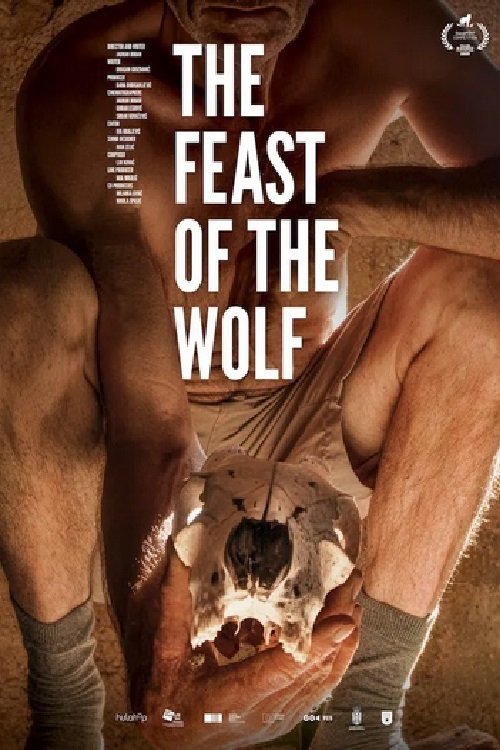
The wolves are returning to a barren region in the Croatian-Dalmatian hinterland. Though the tourist destinations of the Adriatic coast are less than half an hour away, people in the deserted villages of Bukovica believe that "Brussels" represents evil and flies the wolves over by helicopter. Ana, a dedicated veterinarian, attempts to refute these theories and engage with the people on the ground.
The Feast of the Wolf
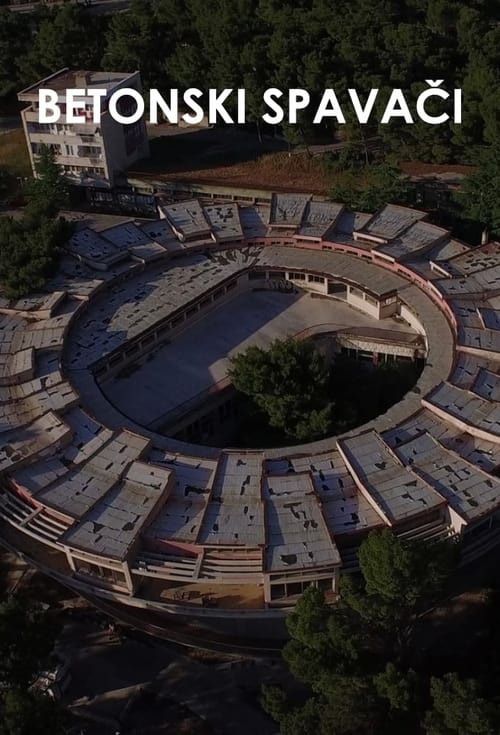
Documentary series "Slumbering Concrete" erects its narrative around modern architecture in Croatia and regions of the former Yugoslavia - an area distinguished by large number of vacated and ruinous buildings from 20th century that are of immense architectural significance. The series is composed of 4 thematic chapters, of which the first is dedicated to architecture of tourism purposes, second to monuments and commemorative buildings, third to post-industrial and post-military landscapes and fourth to great ambitions of unfinished modernizations.
Slumbering Concrete
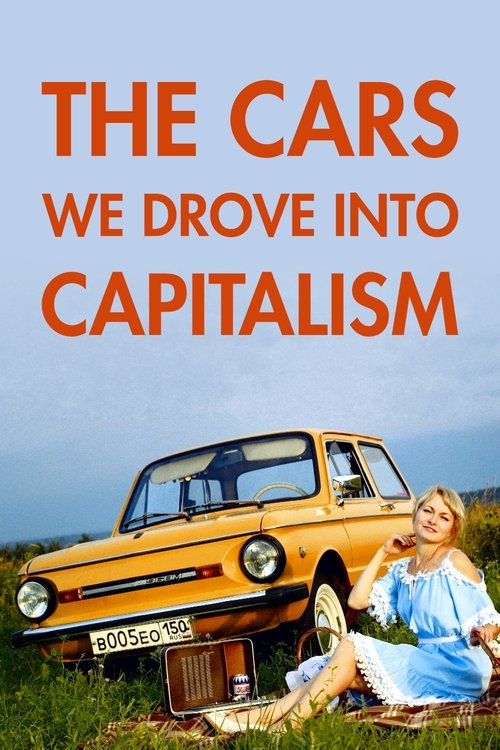
A cinematic, character-driven insight to what it meant to produce and to own a car in communist times: the Socialist propaganda dreams and the hard reality of living that dream. The freedom that these slow and clumsy vehicles were giving to their owners; the cars as an instrument in the Cold War battle; legends and homemade tune-ups as an attempt to stand at least a little bit off the crowd.
The Cars We Drove into Capitalism

Firmly believing her own life is no more precious than the lives of the innocent people being persecuted, with the help of a few friends, Diana embarks on a perilous campaign of rescuing more than 10,000 children from the Ustasha camps in Nazi-occupied Croatia.
The Diary of Diana B.

Hundreds of teenagers join the Slovak Recruits paramilitary group to get ready for the final clash of civilizations and to fight whoever invades their country.
When the War Comes
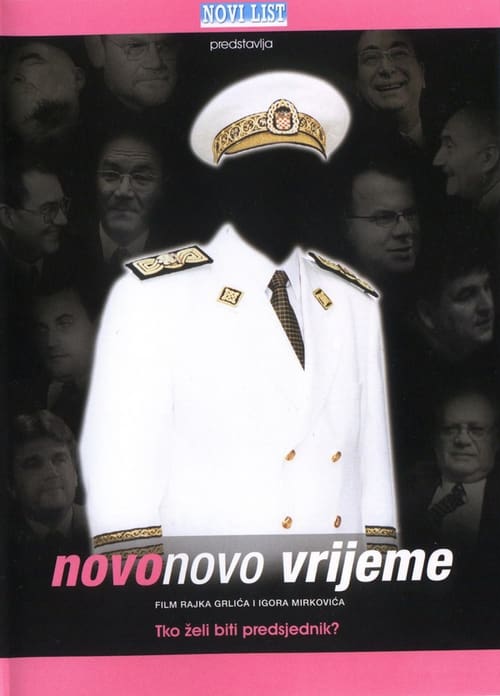
"Croatia 2000 - Who Wants To Be A President" is a feature-length documentary film about dramatic political events that occurred in the period between the death of Croatian president Franjo Tudjman and the victory of Stipe Mesić in the presidential elections. Incessantly following (sometimes with ten cameras) the most influential figures in Croatian political life, cameras witnessed the moments of their biggest battle, their greatest victory and crushing defeat, and days of great strain, passion and political combat.
Croatia 2000 - Who Wants to Be a President
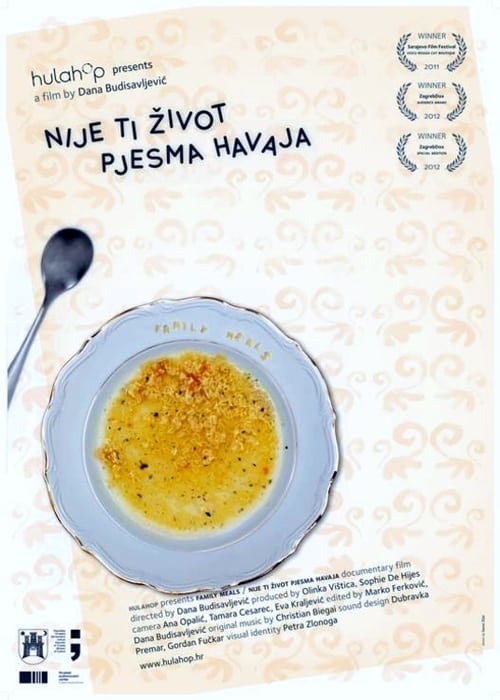
Do you remember the last time you've talked to your parents? What did you talk about? Have you gone step further from weather forecast and daily politics? Five years after last gathering, a birthday celebration brings together an ordinary four member family. They start questioning what made them turn away from each other... Can having a conversation about buried family secrets help them eat without cramps in the stomach in the future? Can a failed birthday cake help them overcome the past? Through the ritual of family meals, the film tells how important is for us to feel accepted by our loved ones.
Family Meals
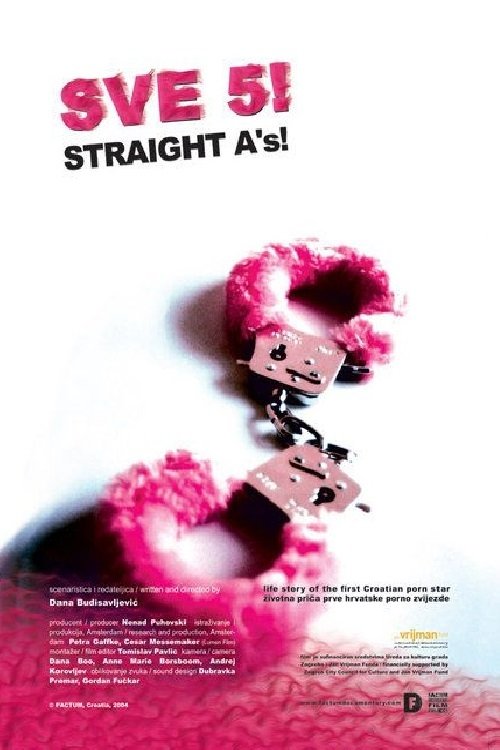
Lidija is 37, she was born in a small town on the Croatian coast. At the age of 19 she left for Amsterdam, where she was promised a waitressing job, but she ended up in the Red Light District. After 15 years, she returns to her hometown to turn a new page and become a mother. In the film she speaks up for the first time about leaving and returning to a conservative community, everything she experienced in between and describes Amsterdam’s windows, porn sets, Playboy covers.
Straight A's!

An intimate story about the author's search for her brother who went missing in action during war in Croatia in 1991. In a way, the film is a follow-up of the author's grandmother whose husband was killed in World War II. For the rest of her life the grandmother was awaiting his return. The Boy Who Rushed won numerous national and international awards, including the annual Vladimir Nazor Award for Film. It was shown at more than twenty international festivals. In 2001, it was Croatian candidate for Oscar for Best Documentary Film. The Boy Who Rushed is one of the best and most awarded Croatian documentaries in the past two decades.
The Boy Who Rushed

Discovering a multitude of unmarked, unedited, and unseen tapes belonging to her father, the author begins a personal and cinematic odyssey to unveil the real man behind the recordings.
My Dad's Lessons
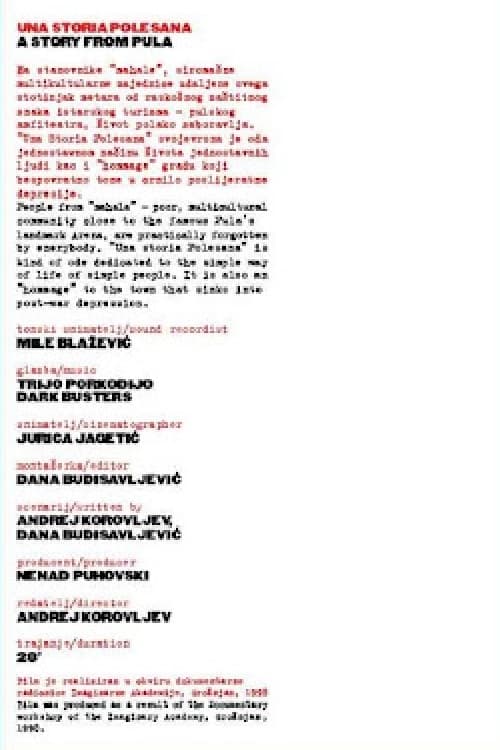
Although they live right next to Pula's biggest tourist attraction, the people of Mahala, the city's destitute neighborhood, have been forgotten by everybody.