Mary Field
Acting
Biography
From Wikipedia, the free encyclopedia Mary Field (June 10, 1909 – June 12, 1996) was an American film actress who primarily appeared in supporting roles. She was born in New York City. As a child she never knew her biological parents. During her infancy she was left outside the doors of a church with a note pinned to her saying that her name was "Olivia Rockefeller". She would later be adopted. In 1937, she was signed under contract to Warner Bros. Studios and made her film debut in The Prince and the Pauper (1937). Her other screen credits include parts in such films as Jezebel (1938), Cowboy from Brooklyn (1938), The Amazing Dr. Clitterhouse (1938), Eternally Yours (1939), When Tomorrow Comes (1939), Broadway Melody of 1940, Ball of Fire (1941), How Green Was My Valley (1941), Mrs. Miniver (1942), Ministry of Fear (1944), Dark Angel (1946), Out of the Past(1947), Miracle on 34th Street (1947), and Life With Father (1947). During her time in Hollywood she appeared in approximately 103 films. Her TV credits include parts in Gunsmoke, Wagon Train, and The Loretta Young Show. In 1963, her last acting role was as a Roman Catholic nun in the television series, Going My Way, starring Gene Kelly and modeled after the 1944 Bing Crosby film of the same name. She appeared in several episodes of the television comedy, Topper, as Henrietta Topper's friend Thelma Gibney.
Known For
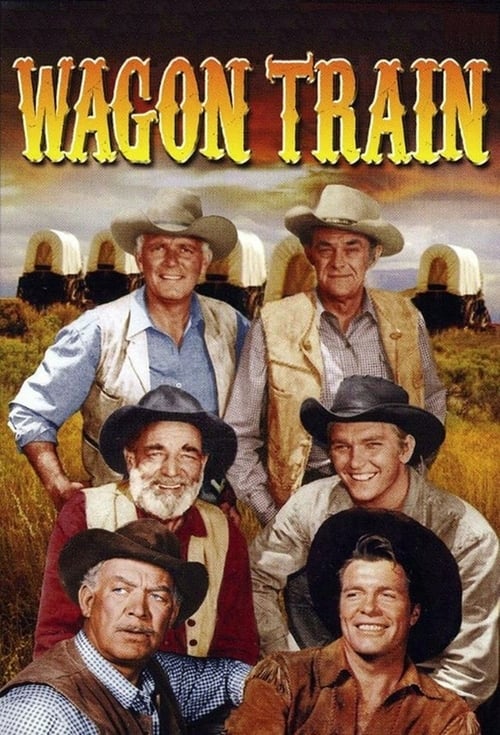
The series initially starred veteran movie supporting actor Ward Bond as the wagon master, later replaced upon his death by John McIntire, and Robert Horton as the scout, subsequently replaced by lookalike Robert Fuller a year after Horton had decided to leave the series. The series was inspired by the 1950 film Wagon Master directed by John Ford and starring Ben Johnson, Harry Carey Jr. and Ward Bond, and harkens back to the early widescreen wagon train epic The Big Trail starring John Wayne and featuring Bond in his first major screen appearance playing a supporting role. Horton's buckskin outfit as the scout in the first season of the television series resembles Wayne's, who also played the wagon train's scout in the earlier film.
Wagon Train
Four Star Playhouse is an American television anthology series that ran from 1952 to 1956, sponsored in its first bi-weekly season by The Singer Company; Bristol-Myers became an alternate sponsor when it became a weekly series in the fall of 1953. The original premise was that Charles Boyer, Ida Lupino, David Niven, and Dick Powell would take turns starring in episodes. However, several other performers took the lead from time to time, including Ronald Colman and Joan Fontaine. Blake Edwards was among the writers and directors who contributed to the series. Edwards created the recurring character of illegal gambling house operator Willie Dante for Dick Powell to play on this series. The character was later revamped and spun off in his own series starring Howard Duff, then-husband of Lupino. The pilot for Meet McGraw, starring Frank Lovejoy, aired here, as did another episode in which Lovejoy recreated his role of Chicago newspaper reporter Randy Stone, from the radio drama Nightbeat.
Four Star Playhouse
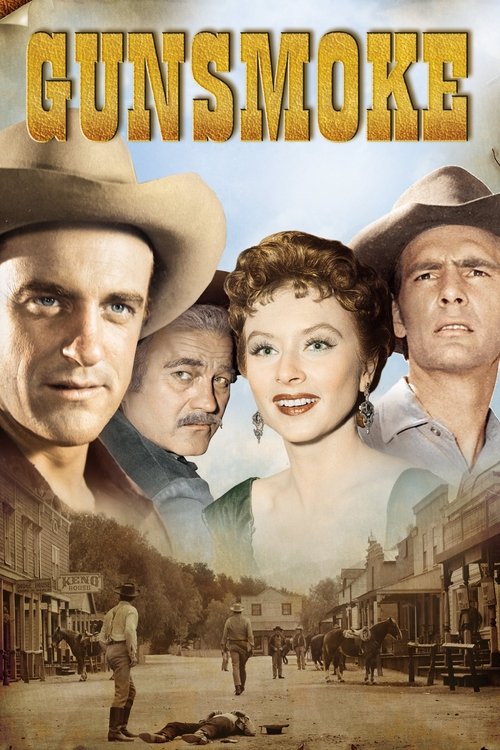
Gunsmoke is an American radio and television Western drama series created by director Norman MacDonnell and writer John Meston. The stories take place in and around Dodge City, Kansas, during the settlement of the American West. The central character is lawman Marshal Matt Dillon, played by William Conrad on radio and James Arness on television.
Gunsmoke
Studio 57 is an American anthology series that was broadcast on the now-defunct DuMont Television Network from September 1954 to September 1955, and in syndication from 1955 to 1956.
Studio 57
The Pepsi-Cola Playhouse is an American dramatic anthology series that aired on ABC from 1953 to 1955, sponsored by Pepsi-Cola. The show was hosted by Arlene Dahl, Anita Colby, and, finally, Polly Bergen
The Pepsi-Cola Playhouse
Chevron Theatre is a 30-minute American anthology television series that aired from 1952 to 1954, featuring various dramatic stories with different guest stars in each episode. Notable actors included Natalie Wood, Raymond Burr, and Buddy Ebsen.
Chevron Theatre
Walt Disney Productions has produced an anthology television series under several different titles since 1954. The original version of the series premiered on ABC, Wednesday night, October 27, 1954. The show, which was hosted by Walt Disney until his death and then from 1996 to 2002 by then-CEO Michael Eisner (with one-off hosts or no hosts during other periods) has since aired continually as either a weekly program or an irregular series of specials on several networks and streaming services, most recently on ABC and Disney+. The show is the second longest showing prime-time program on American television, behind its rival, Hallmark Hall of Fame. However, Hallmark Hall of Fame was a weekly program only during its first five seasons, while Disney remained a weekly program for more than forty years.
The Wonderful World of Disney

Topper is an American fantasy sitcom based on the 1937 film of the same name. The series was broadcast on CBS from October 9, 1953 to July 15, 1955, and stars Leo G. Carroll in the title role.
Topper
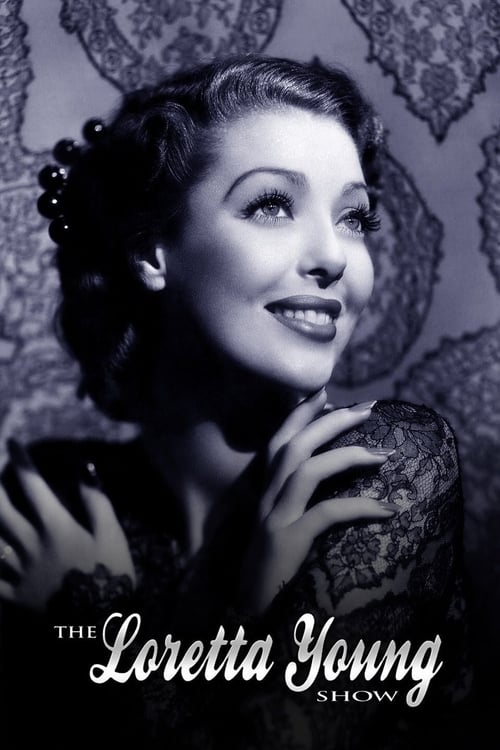
Letter to Loretta is an American anthology drama series telecast on NBC from September 1953 to June 1961 for a total of 165 episodes. The filmed show was hosted by Loretta Young who also played the lead in various episodes. Letter to Loretta was sponsored by Procter & Gamble from 1953 through 1960. The final season's sponsor was Warner-Lambert's Listerine.
Letter to Loretta
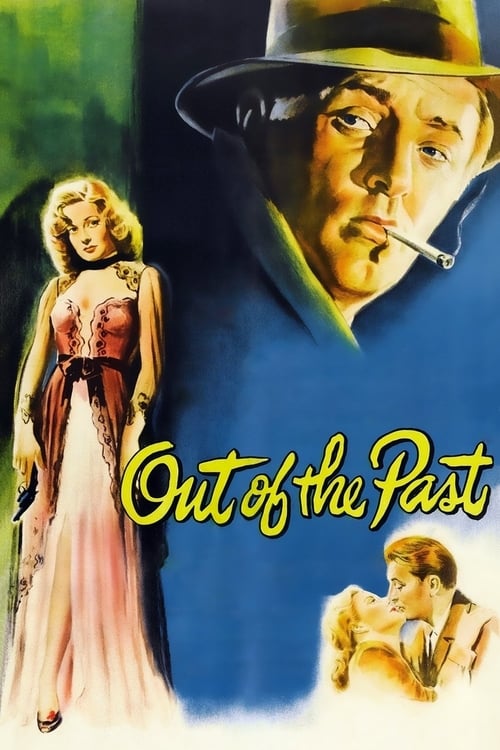
The peaceful life of a gas station owner is disrupted when a man from his past arrives in town and forces him to return to the dark world he had tried to escape.
Out of the Past

Kris Kringle, seemingly the embodiment of Santa Claus, is asked to portray the jolly old fellow at Macy's following his performance in the Thanksgiving Day parade. His portrayal is so complete that many begin to question if he truly is Santa Claus, while others question his sanity.
Miracle on 34th Street

Middle-class housewife Kay Miniver deals with petty problems. She and her husband Clem watch her Oxford-educated son Vin court Carol Beldon, the charming granddaughter of the local nobility as represented by Lady Beldon. Then the war comes and Vin joins the RAF.
Mrs. Miniver
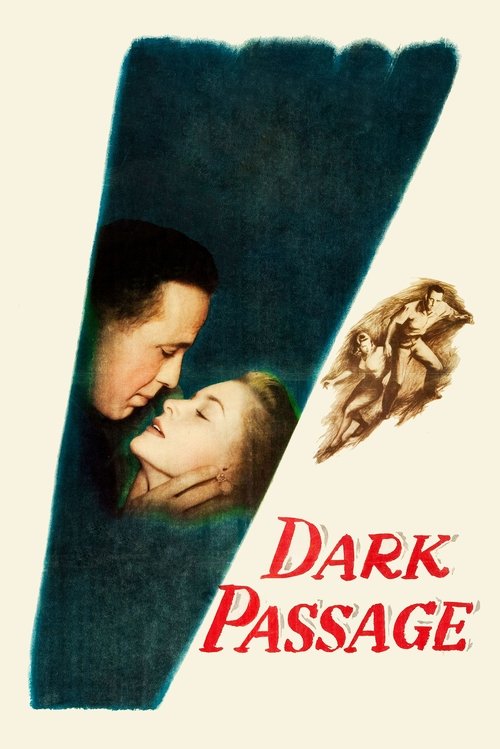
A man convicted of murdering his wife escapes from prison and works with a woman to try and prove his innocence.
Dark Passage
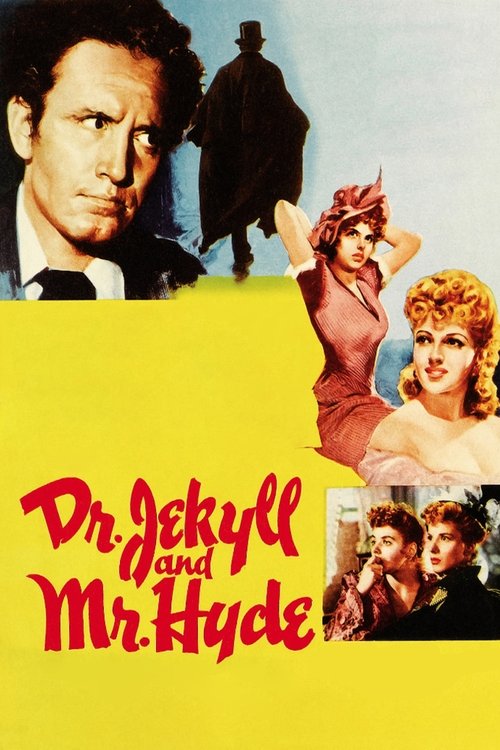
Dr. Jekyll believes good and evil exist in everyone and creates a potion that allows his evil side, Mr. Hyde, to come to the fore. He faces horrible consequences when he lets his dark side run amok.
Dr. Jekyll and Mr. Hyde
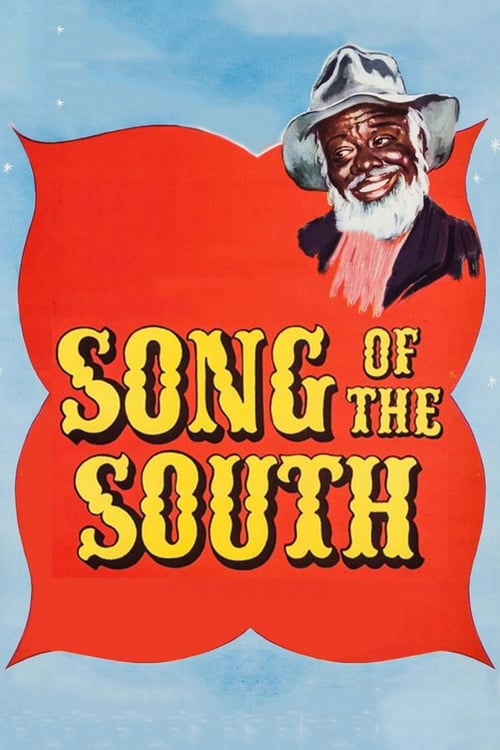
Uncle Remus draws upon his tales of Br'er Rabbit to help little Johnny deal with his confusion over his parents' separation as well as his new life on the plantation.
Song of the South
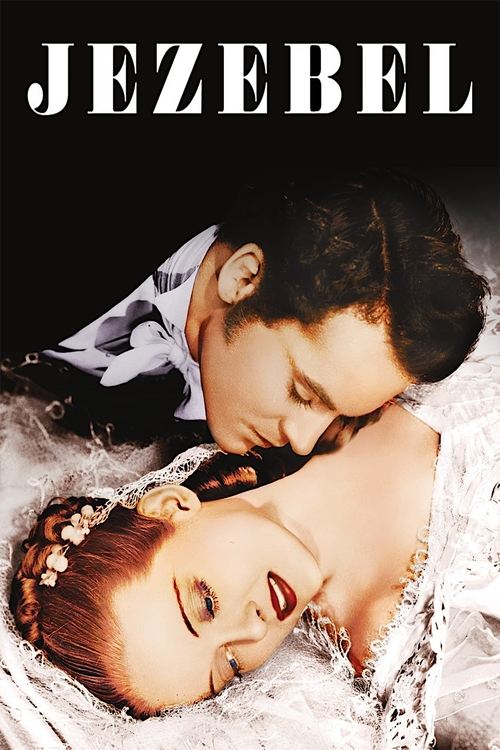
In 1850s Louisiana, the willfulness of a tempestuous Southern belle threatens to destroy all who care for her.
Jezebel
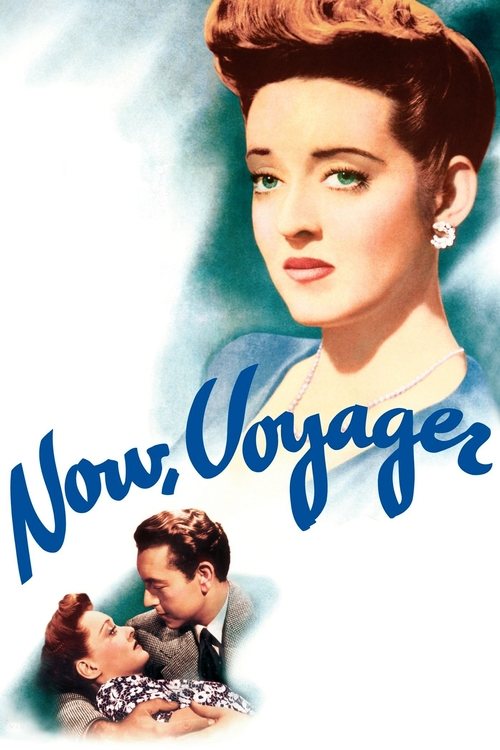
A woman suffers a nervous breakdown and an oppressive mother before being freed by the love of a man she meets on a cruise.
Now, Voyager

A group of academics have spent years shut up in a house working on the definitive encyclopedia. When one of them discovers that his entry on slang is hopelessly outdated, he ventures into the wide world to learn about the evolving language. Here he meets Sugarpuss O’Shea, a nightclub singer, who’s on top of all the slang—and, it just so happens, needs a place to stay.
Ball of Fire
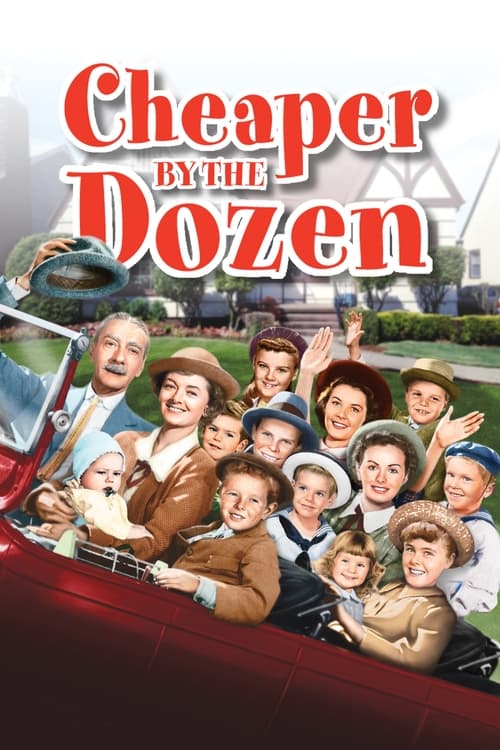
"Cheaper by the Dozen", based on the real-life story of the Gilbreth family, follows them from Providence, Rhode Island, to Montclair, New Jersey, and details the amusing anecdotes found in large families.
Cheaper by the Dozen
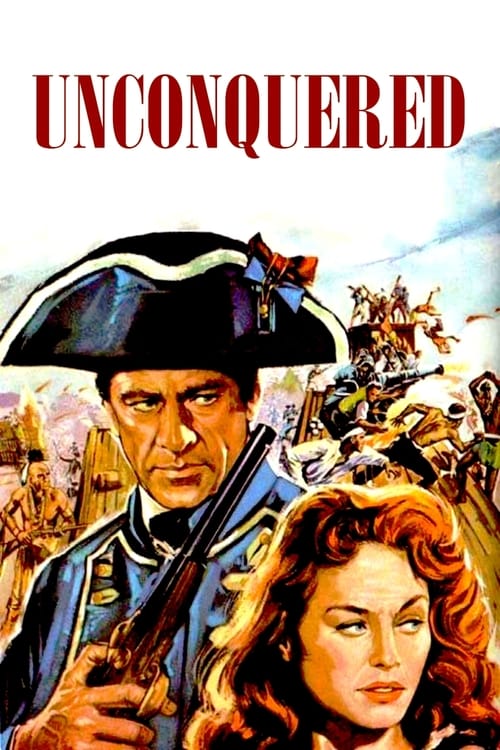
England, 1763. After being convicted of a crime, the young and beautiful Abigail Hale agrees, to escape the gallows, to serve fourteen years as a slave in the colony of Virginia, whose inhabitants begin to hear and fear the sinister song of the threatening drums of war that resound in the wild Ohio valley.