Acting
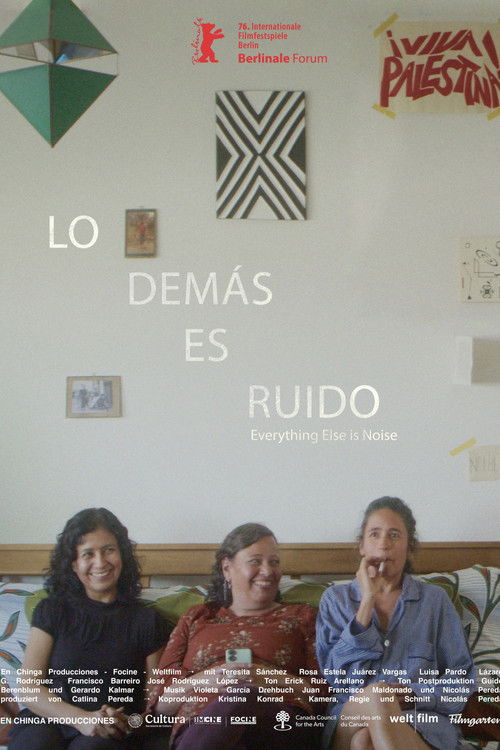
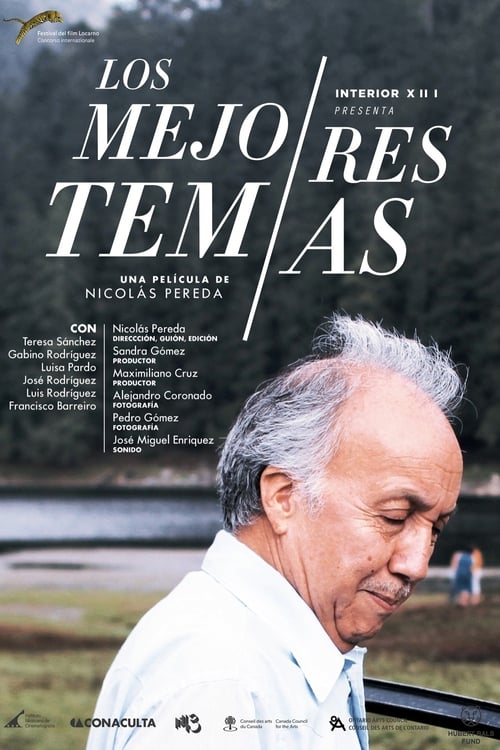
Rosa, a contemporary music composer, agrees to give her first television interview at her colleague Tere’s apartment to keep it secret from her husband. What begins as a simple professional conversation turns into an absurd and comic portrait of rivalries and affections among three women—Rosa, Tere, and Tere’s daughter Luisa—interrupted by power outages, a constantly barking dog, and the visit of a famous composer. As the interview unravels, family and artistic tensions surface, revealing, with humor, both the fragility of prestige and the strength of complicity.
No description available.
Luisa and Gabino visit their parents in a mining town in the north of Mexico. Their father’s only interest in them is sparked by Luisa’s actor boyfriend when he acts out the role of a narco kingpin. To cope with family tensions, Gabino imagines a parallel reality of detectives and organized crime.
On the outskirts of an isolated mining town, Lázaro discovers a dead body. He thinks he has a respiratory illness and doesn’t want to go back to the mine. Rumours, suspicion and desire surround him.
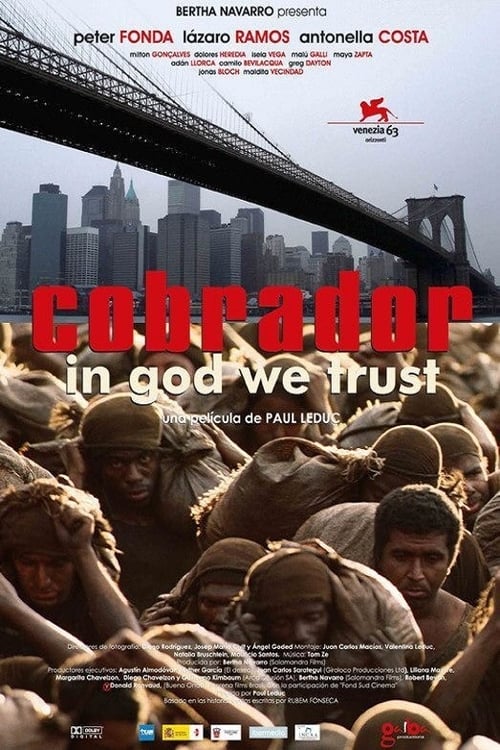
Adaptation and unification in a single story of several stories by the writer Rubem Fonseca, where the theme of violence in contemporary society is explored.
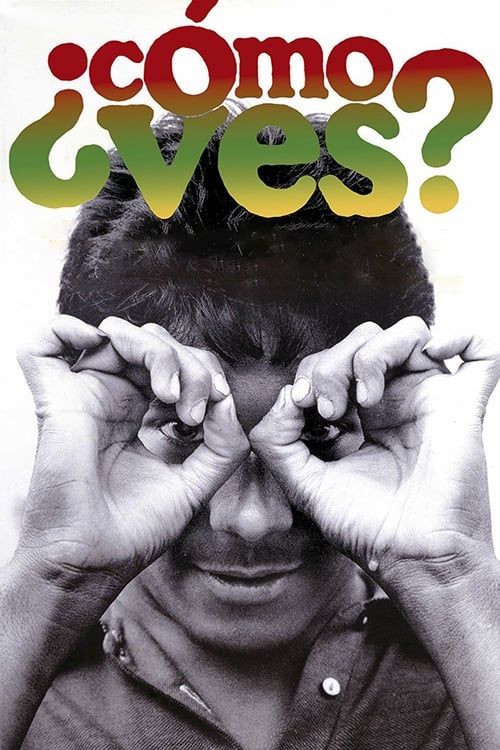
A gritty musical drama about life in the ghettos of Mexico City during the 1980s. With a soundtrack of Mexican rock music, the camera takes the viewer through the streets, to rock concerts, and to the bars and clubs, where he exposes the hunger, repression, unhealthy conditions and violence in the marginal communities of Mexico's capital city.
When Gabino's father returns home after a long absence, the two men awkwardly attempt to re-establish a relationship; but Gabino and his mother quickly tire of this man who has become a stranger to them and decide to kick him out, before realizing that he has already left. Gabino eventually tracks his father down and spends time with him in his rundown apartment, trying to figure out if there is any possibility for the two of them to ever truly communicate. Though Greatest Hits continues Pereda's exploration of his perennial themes of absence, masculinity and the difficulty of maintaining a family, it opens up a whole new set of aesthetic questions through a bold formal gambit: halfway through, the entire narrative reboots and starts from scratch with another actor playing one of the key characters, leading to different iterations of events already witnessed.
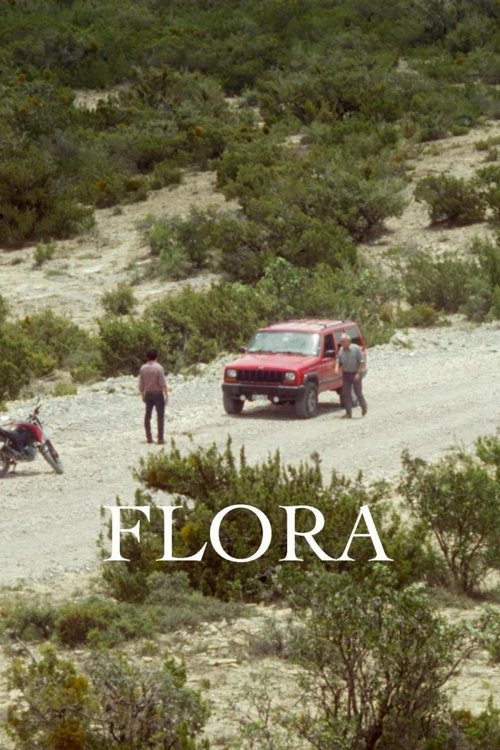
A metacinematic reflection on the nature of representation and the ongoing drug war in Mexico, Nicolás Pereda’s Flora revisits locations and scenes from the mainstream 2010 narco-comedy El Infierno, exploring the paradoxes of depicting narco-trafficking on film—its tendency both to romanticize and to obscure. To screen is both to project and to conceal.