Maximiliano Cruz
Production
Known For

A man in chains, a young man who dreams of being part of something, to become a militant for an armed group who must wield a cruelty in which he may not believe in. The characters, each voluntary or involuntary part of a mechanism that overcomes them, reveal their greatness or misery in the “minimum” tasks that they perform to survive. From that sometimes morbid poetry of the everyday and the irrefutable truth of the details, we see a country whose social body is sick and injured.
Violence

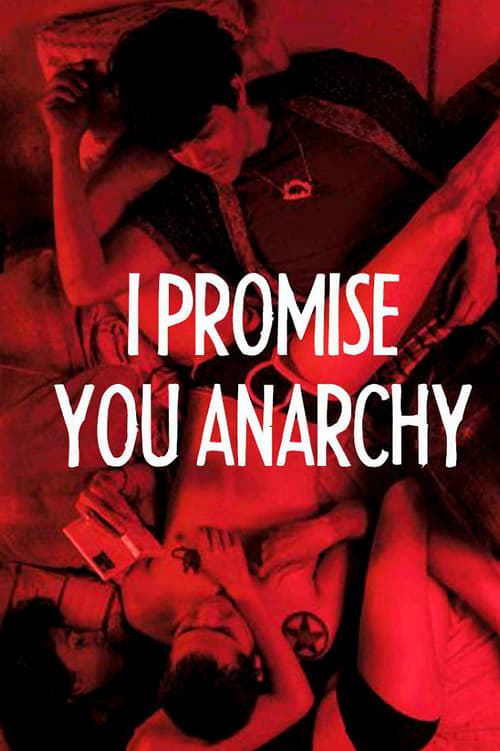
Miguel and Johnny know each other since childhood. They are dedicated to skate and have fun. To earn easy money and continue skating, they sell their own blood to a clandestine contact in a hospital. The activity becomes business until a large transaction is not as they imagined.
I Promise You Anarchy
Rose's absence suddenly emptied the meaning that Damian had given to his own life. To evade the painful trance that grief imposes on him, Father Damián begins to flee. Thus he meets Bruno, a small-time thug, who demands the money that he left in the Father's custody in the past under threat of death.
Sheep Xing

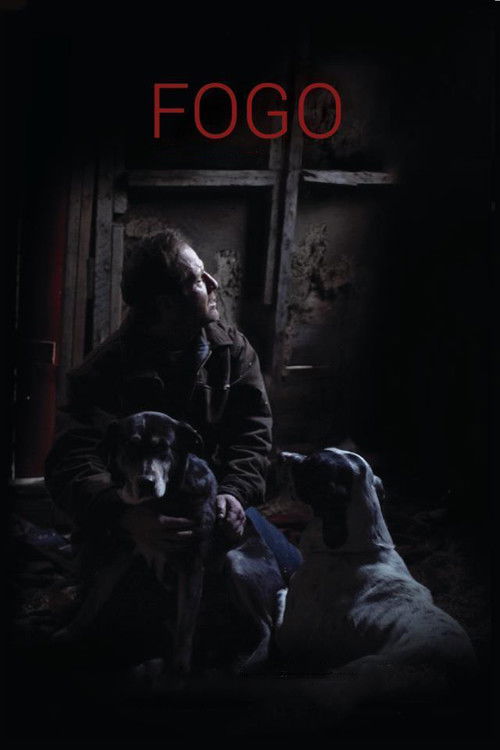
The deterioration of a small community in Fogo Island is forcing its inhabitants to leave and resettle. Places once occupied by humans are now becoming part of the tundra landscape. In spite of a condemn future, there are some residents who decide to remain, holding on to their memories and grieving for the past, when life in Fogo was different.
Fogo

A young man is madly in love with his mother, until he discovers a horrible truth about her sexual behavior.
Family Bonds

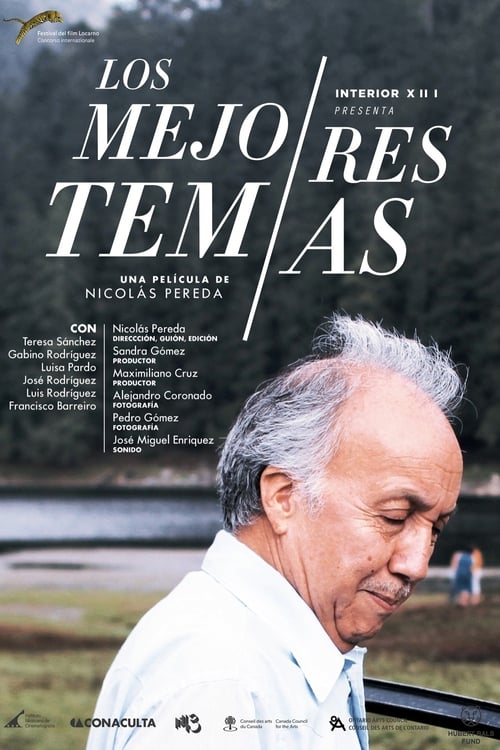
When Gabino's father returns home after a long absence, the two men awkwardly attempt to re-establish a relationship; but Gabino and his mother quickly tire of this man who has become a stranger to them and decide to kick him out, before realizing that he has already left. Gabino eventually tracks his father down and spends time with him in his rundown apartment, trying to figure out if there is any possibility for the two of them to ever truly communicate. Though Greatest Hits continues Pereda's exploration of his perennial themes of absence, masculinity and the difficulty of maintaining a family, it opens up a whole new set of aesthetic questions through a bold formal gambit: halfway through, the entire narrative reboots and starts from scratch with another actor playing one of the key characters, leading to different iterations of events already witnessed.
Greatest Hits

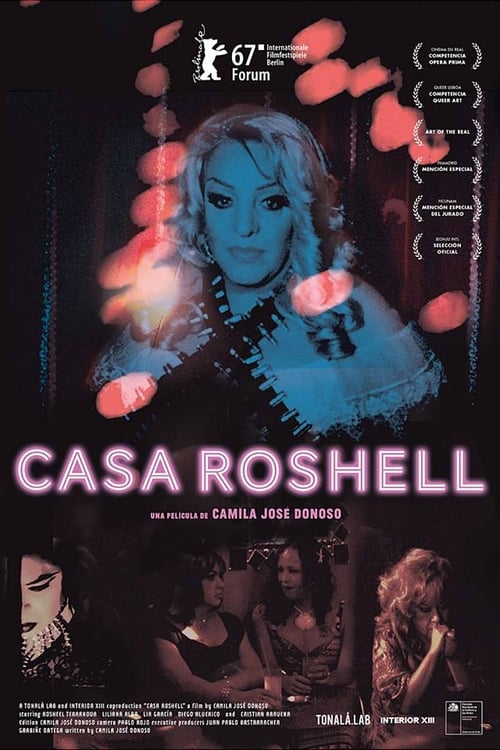
You’d never know this is your home away from home. The surveillance camera outside shows a drab reception area and an unremarkable street in Mexico City; inside, the lights flash, but the tables are empty. Yet preparations are soon underway and fixed categories cease to apply: stubble is removed, make-up applied and strands of hair are teased into place; the camera is trained not on the men themselves, but what they see in the mirror.
Casa Roshell

In the eyes of a foreigner practically any street of Mexico City’s Centro Histórico holds potential for a film. Life on the street deserves more than just the natural condition of observer anyone could have, it demands an extra attention. In a 100-meter radius, the sociological exuberance of the events going on is simply impossible to ignore. The street is a mise en scène in itself.
Lopez Street

Luisa, a 25-year-old woman addicted to chiva (heroin), travels to a beach in the coastal State of Veracruz with the idea of quitting the drug once she gets there. Luisa eventually grows ties with the locals and in particular with Salomon, a 65-years-old peasant in whom she thinks to have found the aid she needs to fulfill her goal.
Paraísos artificiales

Puerta a Puerta records the preparation of a shipment in the United States and its attendant unboxing in Venezuela.
Puerta a Puerta

Experimental short film that meditates on the illusion of movement in cinema and the relationship between image and sound, establishing a formal analogy between both elements. The film plays to resolve the paradox between the relationship between real time and the manipulation of it, based on the cinematographic technique. manipulation of time, based on the cinematographic technique
Lungta
A boy lives with an old man in a small house, he takes good care of him and watches sadistic cartoons on Tv. One day the old man dies, the kid is left alone.
El niño sin piernas no puede bailar

Shot with 16mm Bolex cameras, our Teponaztli implies a moving anarchy, crowned anarchy of color, light, forms, rhythms, cadences, chains, superimpositions: silhouettes, contours, textures, intermittences, flashes, sparkles, opacities, darkness, dances, volumes, entrails, pulps, fluids, surfaces, faces and syncope, all of it to dizzying velocities. Here multiple entities, objects, pulses, forms, colors and figures all co-habit and co-exist according to an altered rhythm and order, the percussive rhythm of an audiovisual and cinetic teponaztli. Our Teponaztli implies a singular perceptive transformation.
Teponaztli
The friendship of Juan and Matita, two kids from different social backgrounds, and their brothers who won't allow this friendship.