Marguerite Renoir
Editing
Biography
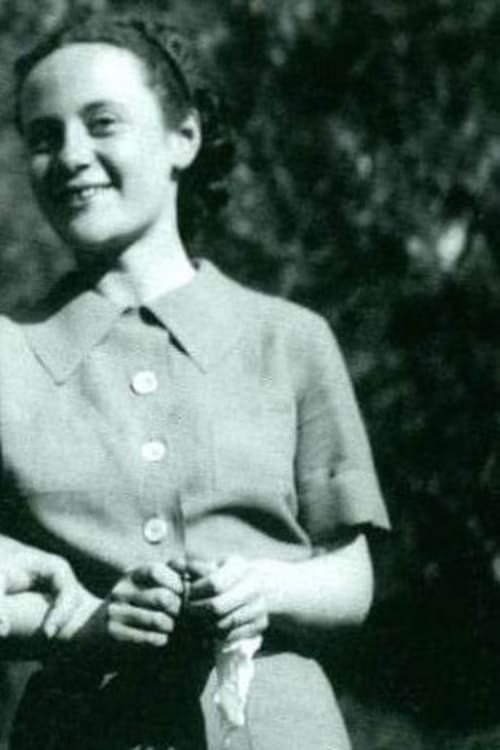
Marguerite Renoir (born Marguerite Houllé) was a French film editor who worked on more than 60 films during her career. For many years, she and director Jean Renoir were lovers, and she edited many of his films. Although she and Renoir never married, she took his surname. She was a supporter of the French Communist Party. Source: Article "Marguerite Renoir" from Wikipedia in English, licensed under CC-BY-SA 3.0.
Known For

Four prison inmates have been hatching a plan to literally dig out of jail when another prisoner, Claude Gaspard, is moved into their cell. They take a risk and share their plan with the newcomer. Over the course of three days, the prisoners and friends break through the concrete floor using a bed post and begin to make their way through the sewer system – yet their escape is anything but assured.
Le Trou

The Marquis de la Chesnaye and his wife host a weekend gala where a variety of complicated romantic and social entanglements between guests and servants lead to tragedy, all against the backdrop of a looming war.
The Rules of the Game

Paul, a young idealist trying to figure out what he wants to do with his life, takes a job interviewing people for a marketing research firm. He moves in with aspiring pop singer Madeleine. Paul, however, is disillusioned by the growing commercialism in society, while Madeleine just wants to be successful. The story is told in a series of 15 unrelated vignettes.
Masculin Féminin

A group of French soldiers, including the patrician Captain de Boeldieu and the working-class Lieutenant Maréchal, grapple with their own class differences after being captured and held in a World War I German prison camp. When the men are transferred to a high-security fortress, they must concoct a plan to escape beneath the watchful eye of aristocratic German officer von Rauffenstein, who has formed an unexpected bond with de Boeldieu.
Grand Illusion

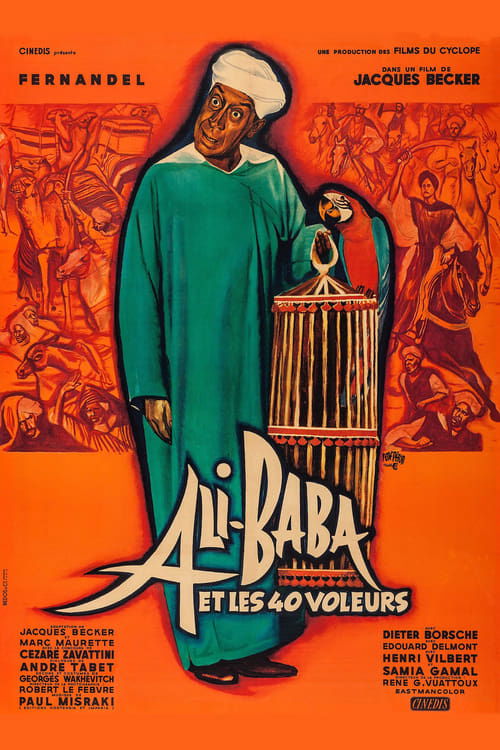
A lord’s servant, Ali Baba, is sent to retrieve a slave for his master, but ends up on an adventure filled with gold, mischief, love, and forty famous thieves instead.
Ali Baba and the Forty Thieves

Cashier Maurice Legrand is married to the wretched Adele. By chance, he meets Lucienne, 'Lulu', and makes her his mistress. He thinks he has finally found love, but Lulu is a streetwalker, still in love with her pimp.
La Chienne

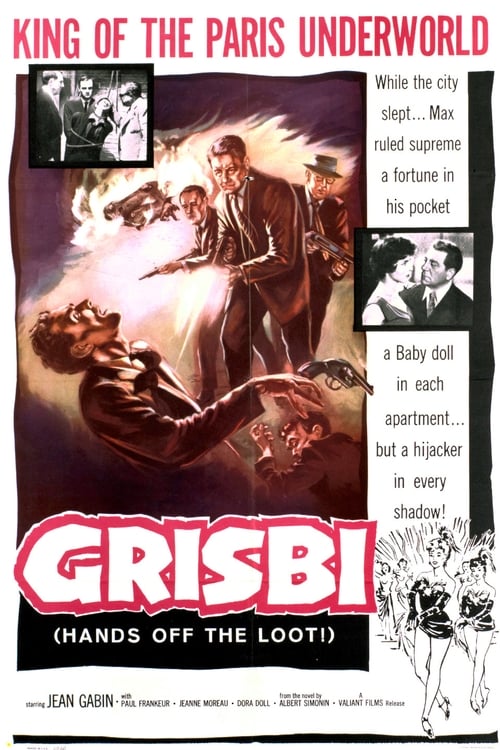
Gentleman gangster Max and his partner, Riton, pull off their last, most successful heist and find themselves comfortable enough to retire in the style they enjoy. However, Max confides the details of the theft to his younger mistress, Josey -- who has secretly taken up with ambitious young rival gangster Angelo. Angelo then has Riton kidnapped and demands the stash of gold as ransom, which threatens Max's dreams of the perfect retirement.
Touchez Pas au Grisbi

Mild-mannered novelist of Western fiction, Amédée Lange, and his colleagues take over a publishing house after their exploitative boss disappears, only for the superior to return and try to reclaim the profits from their successful cooperative.
The Crime of Monsieur Lange

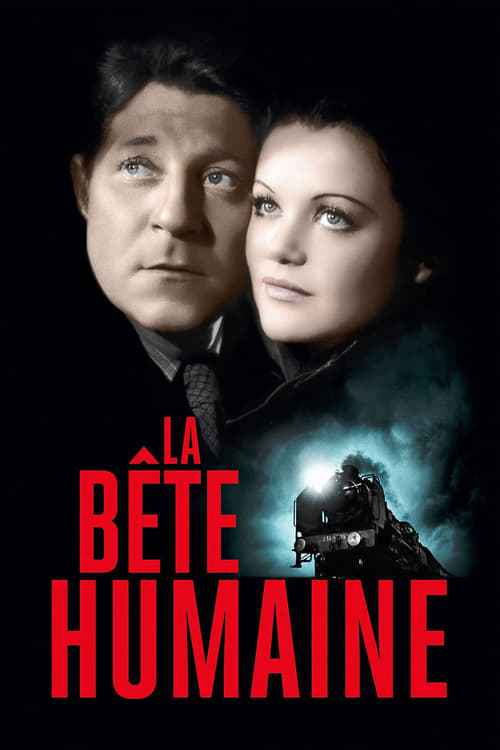
Returning by train to the French port of Le Havre, Jacques Lantier, a tormented railwayman, meets by chance the impulsive stationmaster Roubard and Séverine, his wife.
La Bête Humaine

Philippe Clarence, a famous Parisian dressmaker, seduces his friend's fiancee. But, for the first time in his life, this is for real. The film is also a sharp picture of the fashion world.
Paris Frills

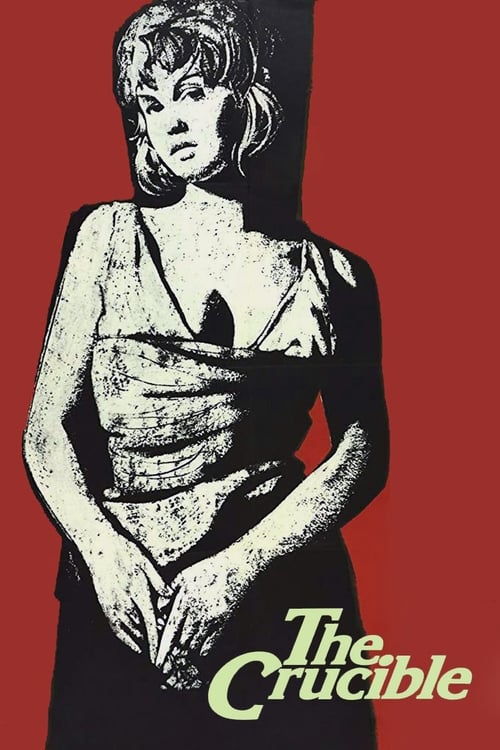
Salem 1692. The young Abigail, seduced and abandoned by John Proctor, accuses John's wife of being a witch in revenge. A series of tragic trials soon befall Salem as fear and suspicion blur the lines of reality.
The Witches of Salem

Biographic film chronicling the last year of the life of the Italian painter Amedeo Modigliani, 1919, who falls in love with a girl from a wealthy family. Her parents are against this relationship and stop financial help. Modigliani worked and died in abject poverty in the Montparnasse Quarter of Paris, France.
The Lovers of Montparnasse

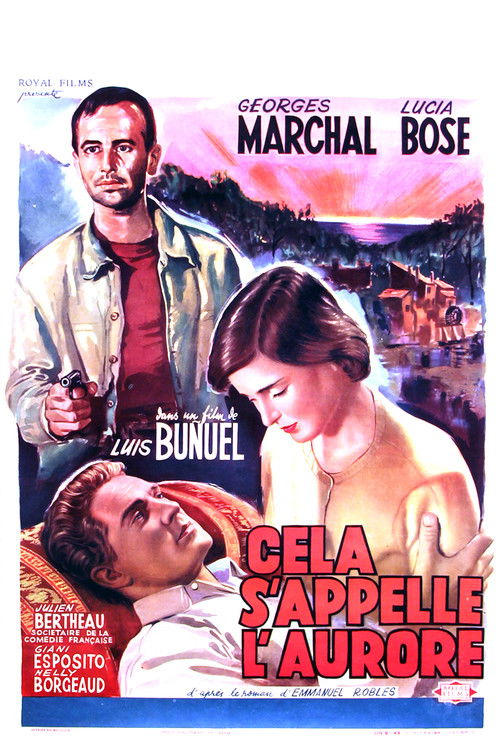
A generous doctor is aghast that the population of a small island is being oppressed and mistreated, but is seemingly unable to do anything about it, until the arrival of a young woman and the death of one of his friends prompts him into action.
That Is the Dawn

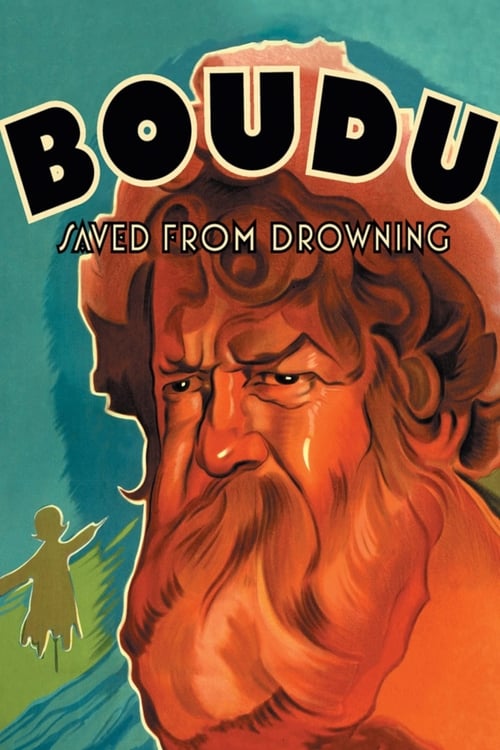
Michel Simon gives one of the most memorable performances in screen history as Boudu, a Parisian tramp who takes a suicidal plunge into the Seine and is rescued by a well-to-do bookseller, Edouard Lestingois. The Lestingois family decides to take in the irrepressible bum, and he shows his gratitude by shaking the household to its foundations. With Boudu Saved from Drowning, legendary director Jean Renoir takes advantage of a host of Parisian locations and the anarchic charms of his lead actor to create an effervescent satire of the bourgeoisie.
Boudu Saved from Drowning

Hopes and love and ambitions and friendship in a group of young jazz-loving Parisians.
Rendezvous in July

At the end of the 19th century, during a ball in Joinville, on the outskirts of Paris, Georges, a former delinquent working as a carpenter, meets Marie, a young woman connected to a criminal gang.
Casque d'Or

Newlyweds Edward & Caroline are preparing for an important evening when a quarrel over Caroline's dress sets off a series of domestic brouhahas.
Edward and Caroline

The family of a Parisian shop-owner spends a day in the country. The daughter falls in love with a man at the inn, where they spend the day.
A Day in the Country

Matou is an innocuous, gentle-looking man. He is married to a formidable, even a frightening woman, who is as dissatisfied with him as he is with her. He knows everything there is to know about restoring and authenticating manuscripts, particularly ancient ones, through his job at the museum. One day, it occurs to him that his skills could be put to use in a more personal way, and he embarks on a private career of re-arranging the documents of people who have had the misfortune to be married to the wrong people.
Order of the Daisy

The story of a French officer who is assumed dead during the Napoleonic Wars, but returns ten years later to a very different France, both on a political and personal level. The film is based on the novel Colonel Chabert by Honoré de Balzac.