Domingos de Oliveira
Directing
Biography
Domingos José Soares de Oliveira (September 28, 1936 — March 23, 2019) was a Brazilian actor, playwright, stage director, TV host, poet and filmmaker. After getting a bachelor's degree in Engineering, he got involved in amateur theatre and soon started to get involved with cinema, specially with the Brazilian New Wave (Cinema Novo) movement. He served as assistant director to Joaquim Pedro de Andrade in short films "Manuel Bandeira, o Poeta do Castelo" and "Couro de Gato", and debuted as a film director with 1966's "Todas as Mulheres do Mundo". After that, Oliveira wrote over 20 stage plays, directed 18 films and hosted 3 TV shows, all in which he constantly worked with his partner Priscilla Rozenbaum. For his plays and occasionally self-starred very low-budget films often deal with themes of love and sex in a humorous and intelligent key, he became known as the "Brazilian Woody Allen". During his late years, Oliveira struggled with Parkinson's Disease, but kept working until his passing in March 2019.
Known For

No description available.
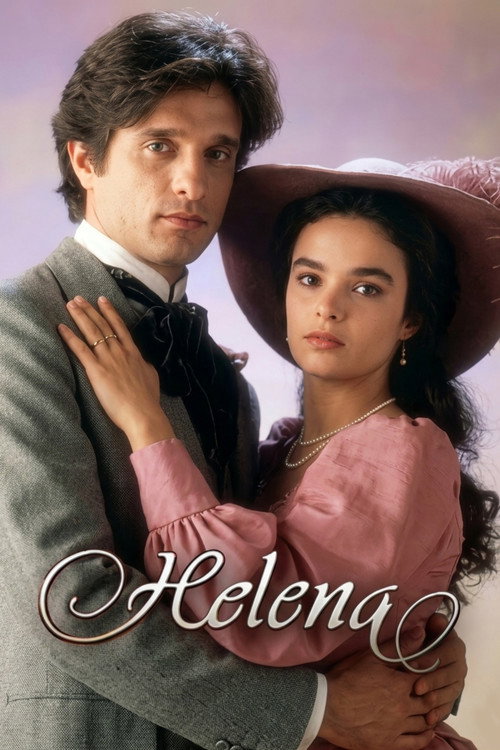
Helena

No description available.
Caso Especial

In this contemporary romantic comedy about love in all its forms, All the Women in the World tells the story of Paulo, a bohemian dreamer that lives his relationships intensively, falling deeply for all the women he meets. Never able to forget Maria Alice, his greatest love, he counts on the advice of his two best friends to face the emotions of his accomplishments and breakups.
All the Women in the World

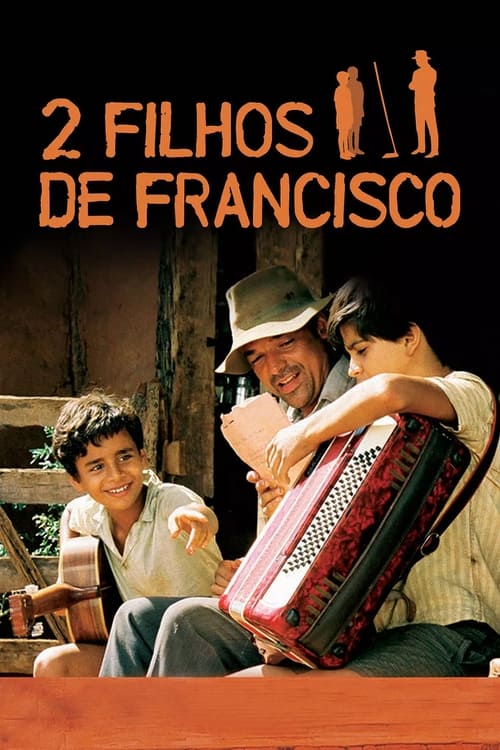
The story of Francisco, a very simple and poor man whose dream was to see his children become country music stars, and who made all the efforts to make it happen.
Two Sons of Francisco

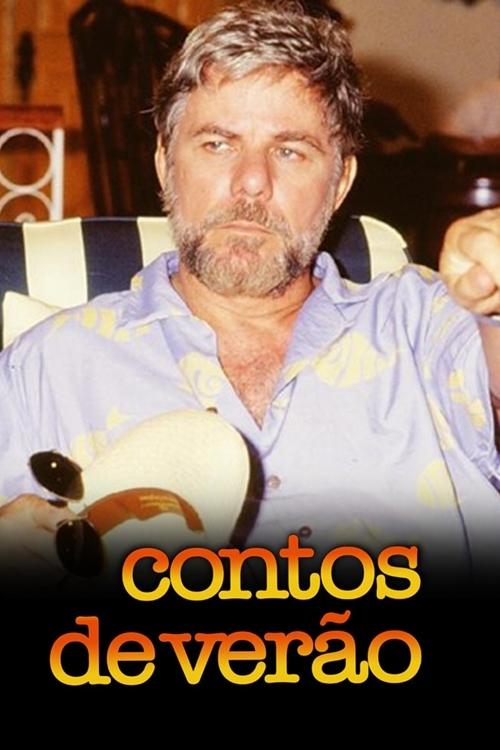
Cabral is a writer who decides to spend his summer writing a series about love stories. It is then that he begins to look back over his life and his works. He is married to Glorinha, a woman twenty years younger than him, with whom he has a daughter, the young Samanta. Glorinha dreams of having a second child, but Cabral rejects the woman's desire, creating a stalemate between the two.
Contos de Verão

No description available.
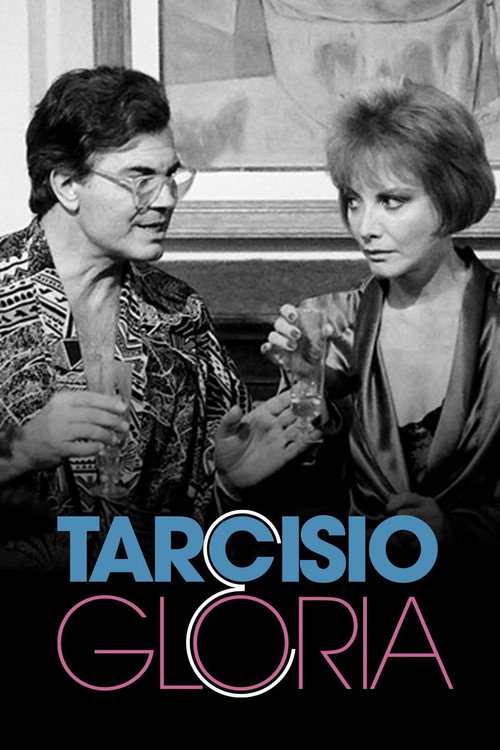
Tarcísio & Glória

No description available.
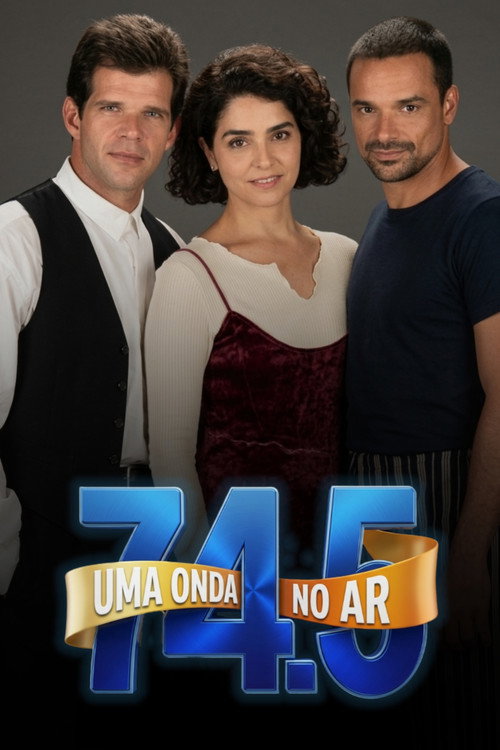
74.5: Uma Onda no Ar

No description available.
Amizade Colorida

Documentary that addresses, through the testimony of directors and actors, the work of Dib Lutfi, considered one of the greatest photographers of Brazilian cinema.
Dib

No description available.
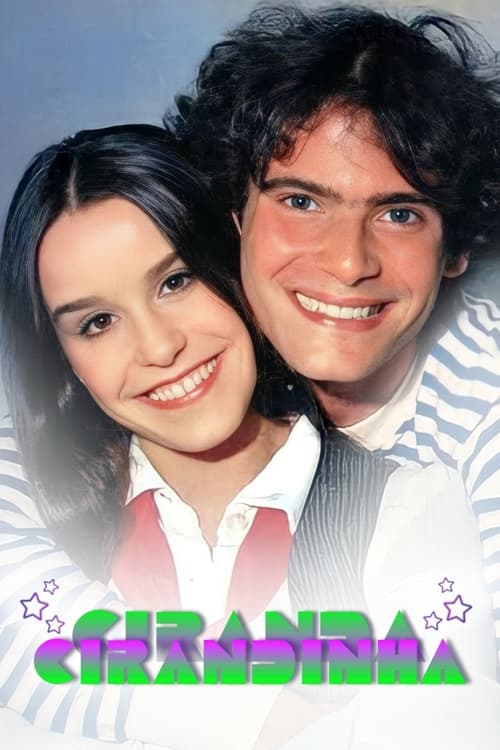
Ciranda, Cirandinha

No description available.
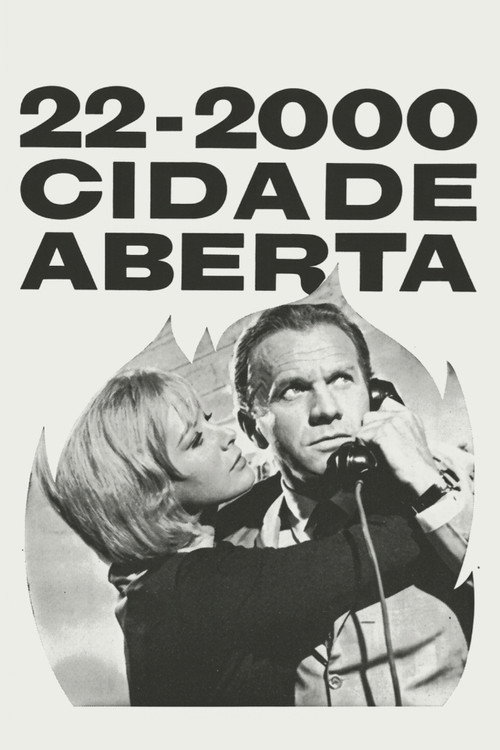
22–2000 Cidade Aberta

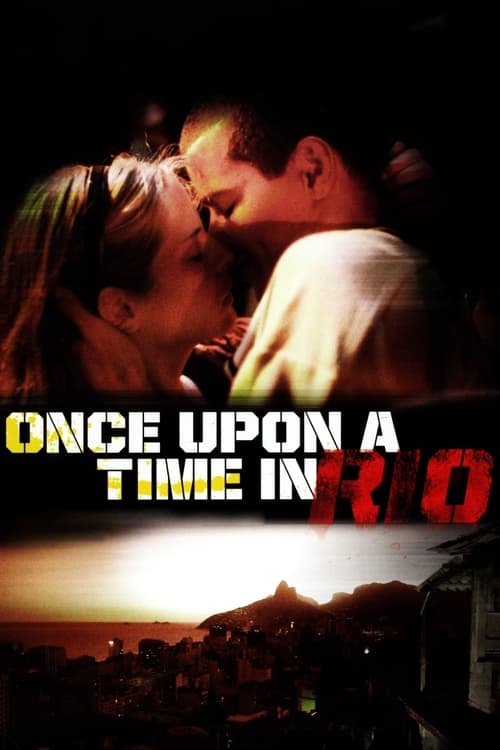
Situated just above the awe-inspiring Ipanema beach in Rio is the Cantagalo slum. Every day, floods of Cantagalo residents make their way down the mountain, only to disappear into their surroundings as part of the invisible working-class that cleans apartments, works in restaurants, and sells food along the scenic, sun-drenched shores. Young Dé (Thiago Martins) is just such a man. Dé lives with his mother Bernadette (Cyria Coentro) in a cramped Cantagalo apartment, selling hot dogs on the beach in order to make the rent. His brother Beto was killed when Dé was just a young boy, and his adopted brother Carlão (Rocco Pitanga) has been jailed for a robbery that he didn't commit. One day, while working on the beach, Dé meets Nina (Vitória Frate). Nina is the only child of a successful lawyer named Evandro (Paulo César Grande), who's none to happy to discover that his daughter is dating a member of the lower class. How...
Once Upon a Time in Rio

Originally produced for German TV, Improvised and Purposeful is a firsthand look at the "Cinema Novo" movement (otherwise known as the 'Brazilian New Wave'). Director Joaquim Pedro de Andrade focuses on six Cinema Novo filmmakers working in Rio in 1967.
Improvised and Purposeful: Cinema Novo

Conducted from interviews with personalities who lived with Leila Diniz (1945-1972), the documentary is a record of an era and, above all, it rescues the participation in Brazilian culture of the actress who opened the way for the sexual revolution during the dark years of the dictatorship.
Já que Ninguém me Tira Para Dançar

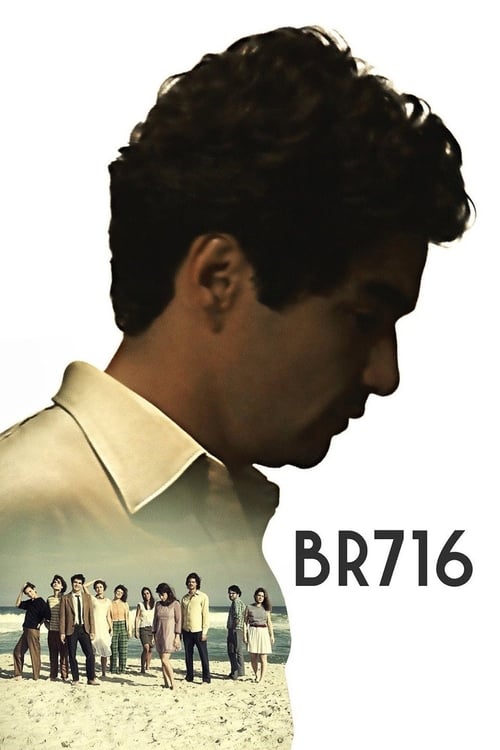
In 1960s Rio de Janeiro, aspiring writer Felipe leads a life of wild parties held in an apartment in famous street Barata Ribeiro in Copacabana. There he and his friends enjoy freedom even in the midst of a complicated political moment.
BR 716

In 1965, a year after the military coup in Brazil, an oasis of freedom opened in the country's capital. The Brasília Film Festival: a landmark of cultural and political resistance. Its story is that of Brazilian cinema itself.
Candango: Memoirs from a Festival

On a Sunday, the actors Maria Ribeiro, Fernanda Torres, Wagner Moura, Carolina Dieckmann, Sophie Charlotte, Mateus Solano, Alexandre Nero and Du Moscovis have lunch at one of their houses. The occasion gives way to an incredibly sincere debate on the art of acting, the profession and, above all, the doubts about love and life.
The Magnificent 8

Thales, a successful businessman, is in crisis with his profession. He is married to the rich and spoiled Renata, and works with her father, the powerful businessman Augusto. One day, while on vacations at the home of his friends Rui and Pamela, Thales decides that will stop working. This unusual decision affects the lives of everyone around him.
A Mulher do Meu Amigo

Ana Laura is a 40 year-old, good looking and well-informed TV News Anchor who's also a cocaine addict. Facing her career decline as the channel she works in starts to give more space to younger professionals, she faces a night of unusual events as she dives further into drug abuse.
Carreiras

A look into the life and mind of Brazilian playwright and filmmaker Domingos Oliveira through his daily activities and artistic deeds.