Sound
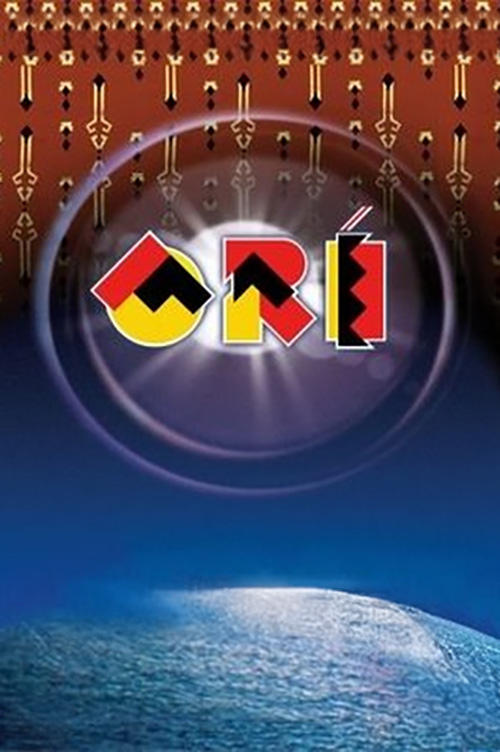
A look at the Brazilian black movement between 1977 and 1988, going by the relationship between Brazil and Africa.
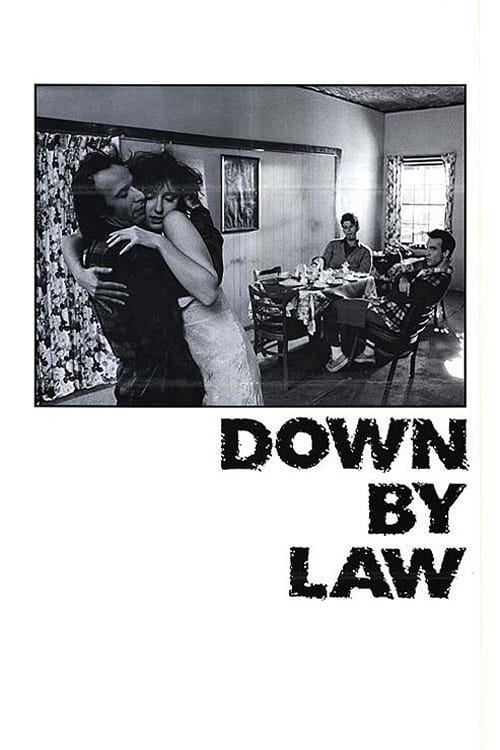
A disc jockey, a pimp and an Italian tourist escape from jail in New Orleans.
Suffering because of his father's departure to the big city, a boy leaves his village and discovers a fantastic world dominated by bug-engines and strange beings. An unusual animation with various artistic techniques that portrays the issues of the modern world through the eyes of a child.
Big World Café was a music show on British television. Broadcast on Channel 4 in 1989, it was presented by Mariella Frostrup, Eagle Eye Cherry and Jazzie B. It was produced by Andrea Wonfor, who had previously worked on The Tube. During the programme's second series, Andy Kershaw was recruited to report on world music. Artists who appeared on the show included Les Négresses Vertes, New Order, Prefab Sprout and Wet Wet Wet.
Part activist and part globe trekking photographer, Sebastião Salgado is most famous for recording the migration of people and culture around the world. In this extensive conversation, Sebastiao Salgado revisits his adventurous career via the breathtaking images he captured.
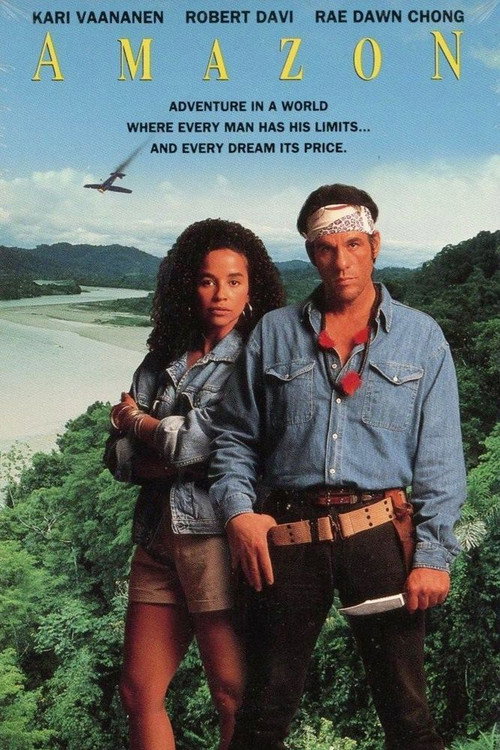
Widowed and broke Finnish businessman Kari takes his two teenage daughters with him to Brazil. A bush pilot introduces him to the idea of gold mining in the jungle, but a beautiful and educated local woman warns him about the possible consequences to the rain forest. Kari has mixed feelings about the project, until an accident puts him in the care of a local Indian tribe.
The personal trajectory and the international career of the singer, guitarist, and composer Badi Assad.
Jean-Arthur has been working as a clerk in a travel agency. One day, he, along with his colleague comes to a brilliant idea: what if I offer tourists real extreme recreation? So the group of tourists land on a deserted island with no food, no shelter, nothing.
In the 1970s, in the midst of a military dictatorship, composer Jards Macalé and filmmaker Luiz Carlos Lacerda (Bigode) shared a house in Rio de Janeiro - which became a center of convergence for musicians, filmmakers and writers, and where they performed classic films and songs of Brazilian culture.
After being collected from the dressing room of the Candomblé center, Ana shares her desires, memories, dreams, and reflections with the viewer through a diary.
This is a journey of friendship, an Argentinian is going to rediscover his continent while searching for his friend from Bahia. And while the work, the records and the career of this great lady of Brazilian music are well known, the starting point, the training, the first years remained till now in a vaguely legendary and imprecise blur. Thanks to many investigations that concern as many places as times, thanks to journeys back in time through the towns and regions, the film seeks the origins of Maria Bethânia’s voice and style. Helped and led by Bethânia herself, with the assistance of Caetano Veloso and Chico Buarque, the two princes of Brazilian music, along with the complicity of the great Gilberto Gil, the author is allowed to go to the first context : the North-East. In the family home in Santo Amaro, the film finally touches the childhood of Maria Bethânia – and her brother Caetano, and this mysterious point – from which the music radiates.
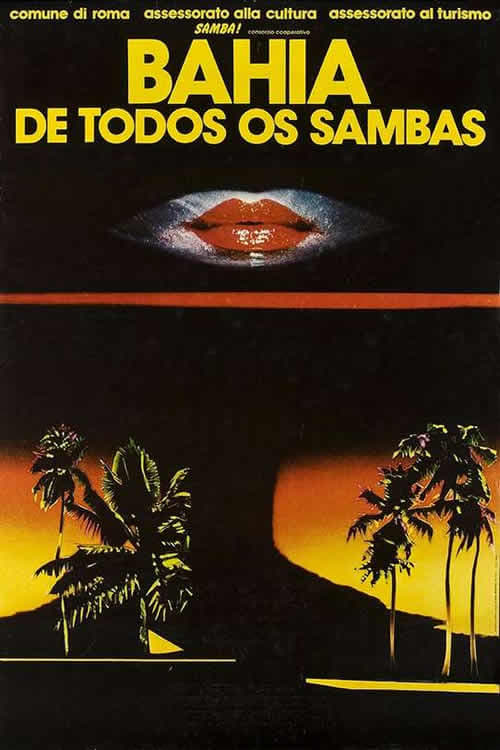
Between August 23 and 31, 1983, at the "Circo Massimo", in Rome, there was a musical event that brought together artists from Bahia. This film brings a recording of the event, also featuring backstage, rehearsals, testimonies and some relaxing moments of these great names in Bahia's music.
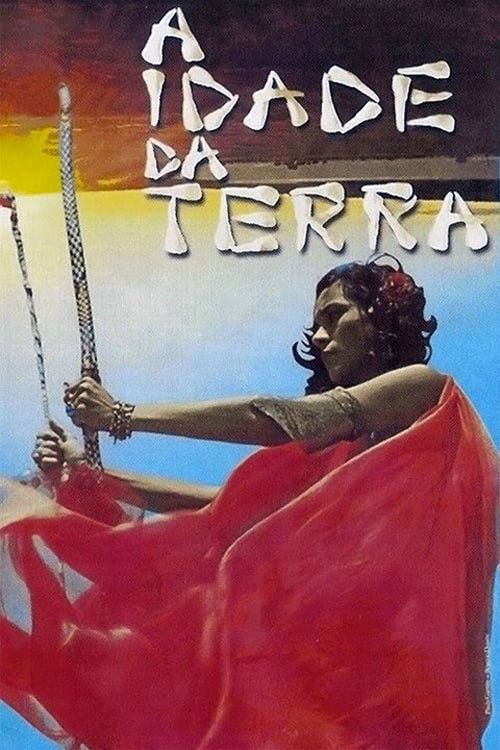
Drawing inspiration from a poem penned by Castro Alves, this film vividly captures the political, cultural, and intellectual climate of Brazil during the late 1970s. At its core, the story revolves around four distinctive embodiments of Christ's image: a black man, a soldier, an Indian, and a guerrilla fighter. These courageous individuals, hailed as the harbingers of doom in the tupiniquim lands, valiantly combat the insatiable avarice and oppressive "civilizing" brutality propagated by the formidable John Brahms—a foreign exploiter devoid of morals.
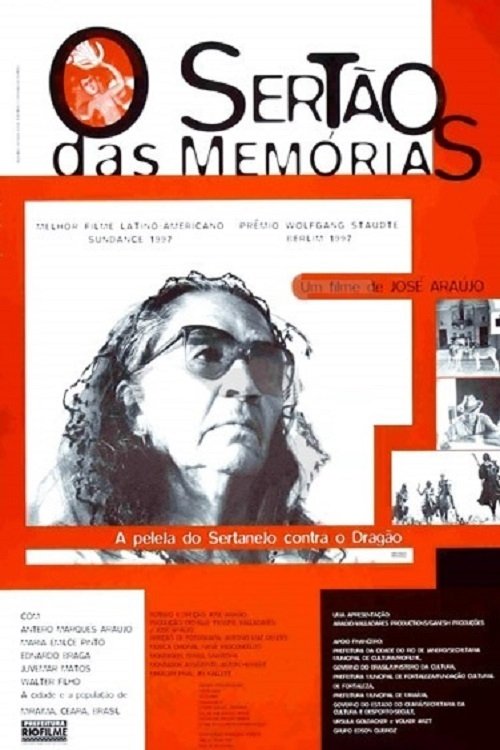
Antero and Maria Araújo's story is the shortcut chosen by the director to show life in Maraima, a small town in the state of Ceará, Brazil, including life in community and the military influence. Maria wanders through the state praying to ward off the symbolical presence of the Dragon. That's when she finds Antero, an end-of-the-world prophet, who will join her in her pilgrimage and fight against the mythical being.
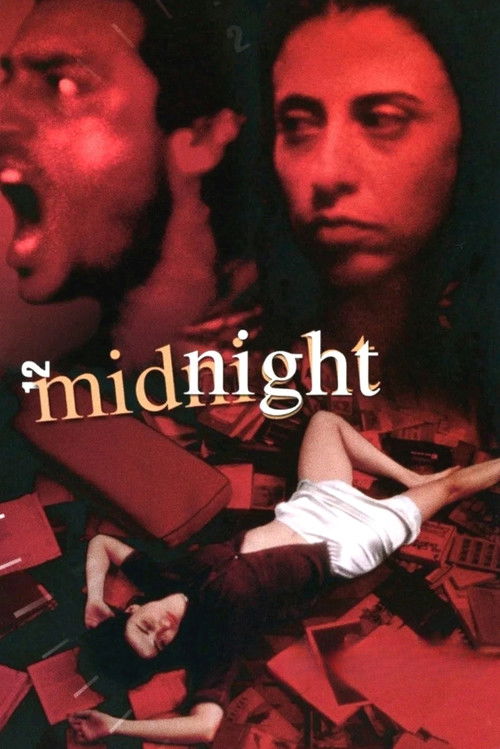
On December 31st 1999, destiny brings a fugitive prisoner and a depressed middle class teacher together, as the new millennium approaches bringing hope to everyone.
Portrays the life and work of the iconic Luiz Gonzaga do Nascimento. Focusing on his childhood and adolescence, the film seeks to explore the deep connections between the budding artist and the myths that shaped his
Early collaboration between Chang Chan-tang and Christopher Doyle documenting the friendship of their inner circle in Taiwan during the early 80s.
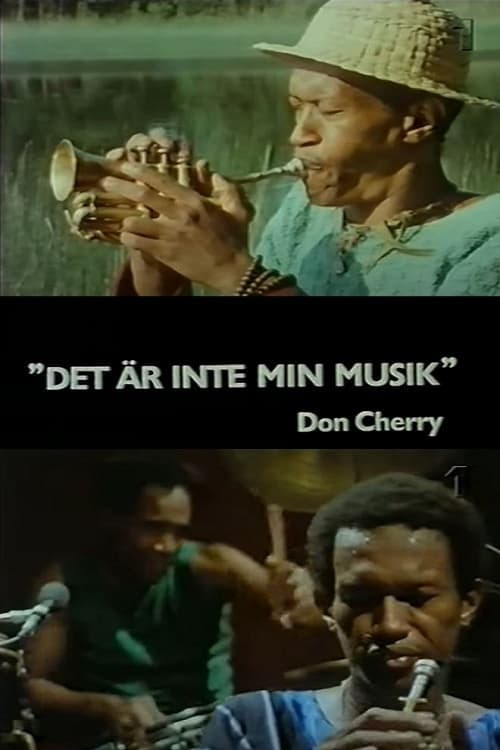
Moki and Don Cherry met in the mid-1960s and soon began collaborating closely. They made happenings, music, art, posters, and record sleeves; they performed together, organized workshops, and toured. The film merges the different worlds they lived in – countryside and city life, and the various disciplines that were interwoven in their artistic practices.
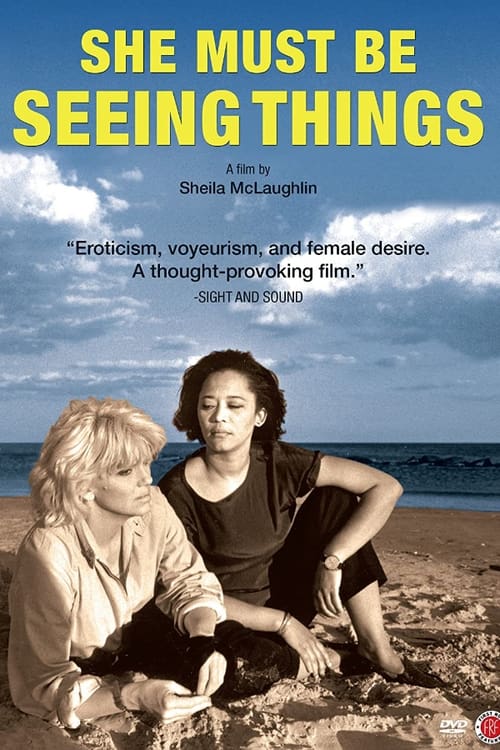
Agatha is an international lawyer, Jo a filmmaker. The two women are lovers. While Jo is on the road showing her films, Agatha discovers and reads her diaries. Problems ensue as Agatha's transgressions lead to jealousy and a spiraling cycle of sexual obsession.
Three blind sisters, Regina, Maria and Conceição, earn their living by singing in front of churches, in Brazil... They tell their amazing stories, full of drama, heartache, rape, poverty, death and hope.