Pedro Pinho
Directing
Biography
Pedro Pinho has lived in and studied cinema in Lisbon, Paris, Barcelona, Maputo and Mindelo. His first documentary, Bab Sebta (co-directed with Frederico Lobo), debuted at FID Marseille, 2008, where it won the Marseille Espérance Award. Bab Sebta also won prizes for Best Documentary Film at DocLisboa (Portugal) and at ForumDoc BH (Brazil). Um Fim Do Mundo/The End of the World, a medium-length fiction film, debuted at the Berlin Festival in 2013, having won awards at the Coimbra Caminhos do Cinema Português, and was nominated for the Portuguese Golden Globe awards. The documentary, As Cidades e as Trocas/Trading Cities (co-directed with Luisa Homem) debuted in 2014 at FID Marseille, and was shown at the Art of The Real in the Lincoln Center, NY and at DocLisboa. In 2017, he debuted A Fábrica de Nada/The Nothing Factory, his first feature-length fiction film, at the Cannes Festival Directors’ Fortnight where he won the FIPRESCI International Critics award. Since then, A Fábrica de Nada has received around 20 awards at festivals all over the world. Not only was it chosen by the critics as the best film at Cannes in 2017, it was also considered the best film of the year by the Público newspaper, and the best film without commercial distribution in the USA by the American magazine, Film Comment. The German newspaper, Die Zeit considered it to be “one of the most important films of today”. A Fábrica de Nada was commercially distributed in Portugal, France, Spain, Germany, Brazil, Switzerland, the United Kingdom, Italy, China, Belgium, the former Yugoslavia and Argentina. His films have been shown at festivals, showings and retrospectives in places such as: MoMA, the Lincoln Center, the Berlinale, BFI, the MALBA, the MACBA, Serralves, FIDMarseille, Toronto IFF, Rotterdam FF, CPH DOX, the Rio Festival, Mar del Plata, Festival de Popoli, Busan FF, FICUNAM, ND/NF, Cine Europeu de Sevilha. L’Alternativa de Barcelona, Festival de Munique, Festival de Taipé, Janela, Carbonia, Lussas, FIC Valdivia, Karlovy Vary, FoR, among others. In 2009, with five fellow filmmakers, he founded Terratreme, a collective that in recent years has come to the forefront as one of the most active producers of Portuguese cinema. At Terratreme, he has had the chance to collaborate with other directors such as Luisa Homem, Leonor Noivo, Tiago Hespanha, Susana Nobre, João Salaviza, Filipa Reis and Miller Guerra, and Basil da Cunha.
Known For
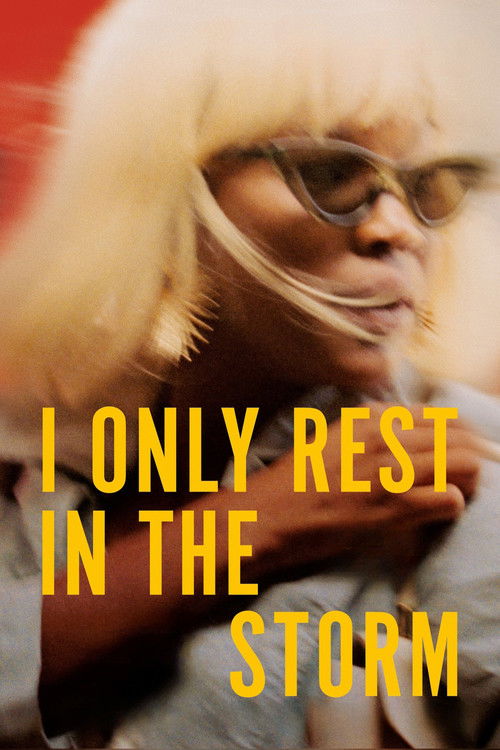
Sergio travels to a metropolis in West Africa to work for an NGO as an environmental engineer on a road project between the desert and the forest. There, he becomes entangled in an intimate yet unbalanced relationship with two inhabitants of the city, Diara and Gui. As neo-colonial dynamics among the expatriate community unravel, this fragile bond becomes his only refuge from an impending collapse into solitude or barbarism.
I Only Rest in the Storm
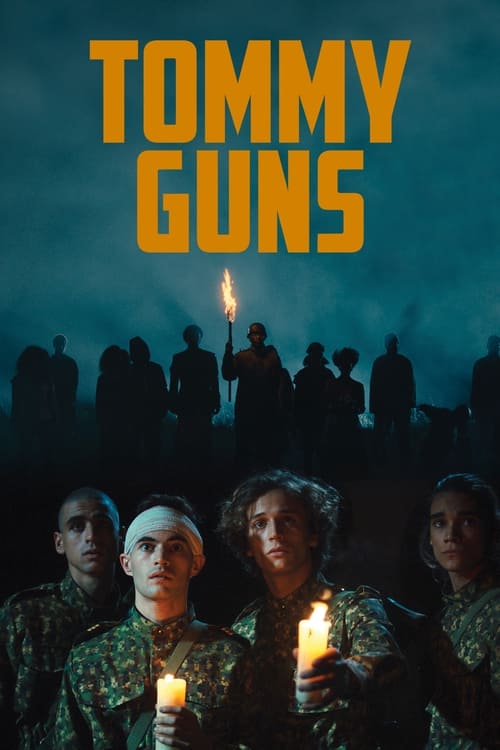
In 1974, after years of civil war, the Portuguese and their descendants fled the colony of Angola where groups working for independence gradually claim their territory back. A tribal girl discovers love and death when her path crosses that of a young Portuguese soldier. Meanwhile, another group of Portuguese soldiers is barracked inside an infinite wall from which they will have to escape once the past comes out of the grave to claim its long-awaited justice.
Tommy Guns
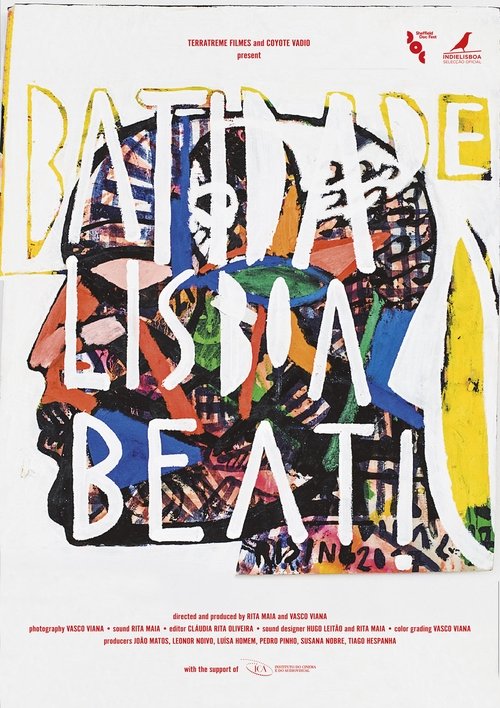
A journey through Lisbon’s suburbs through the lives of a handful of musicians establishing their place to exist in a city of complex identity struggles. Different generations and backgrounds meet, Angola to São Tome, Cabo Verde and Guine Bissau represented by old musicians and young producers.
Lisbon Beat

A portrait of the daily lives of young people living in a new-built estate on the outskirts of Lisbon. School is a joke and there’s no work to be had anyway, so the girls try to have fun as best they can. New-girl Eva is very pretty but quiet. The others aren’t sure at first whether she’s arrogant or just shy. Iara and Eva head off to the beach with two boys. The lads turn a couple of abandoned shopping trolleys into racing chariots for them and the atmosphere begins to tingle. Later, they argue with the rest of the group. The other girls manage to get into a club that night but the boys don’t and must kick their heels outside. They’re bent on revenge. They meet up with Eva and go back to her place.
The End of the World
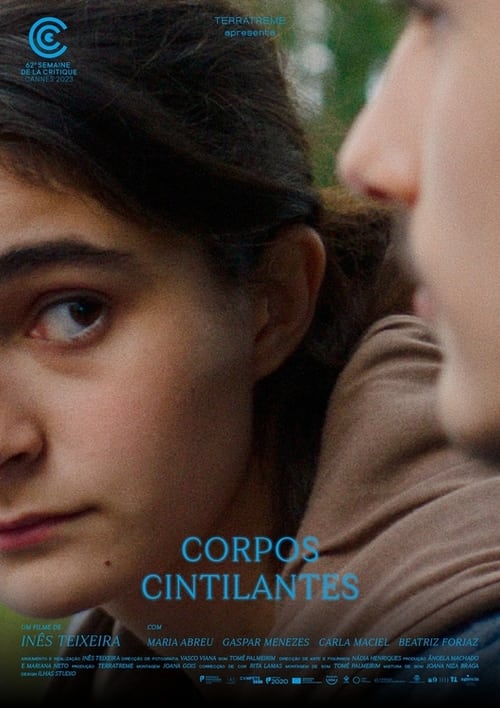
The afternoon Jorge asks Mariana over for a weekend at his house in Leiria, she starts to see him in a whole new light. Unsure of her friend’s intentions, Mariana accepts his unexpected and baffling invitation.
Shimmering Bodies
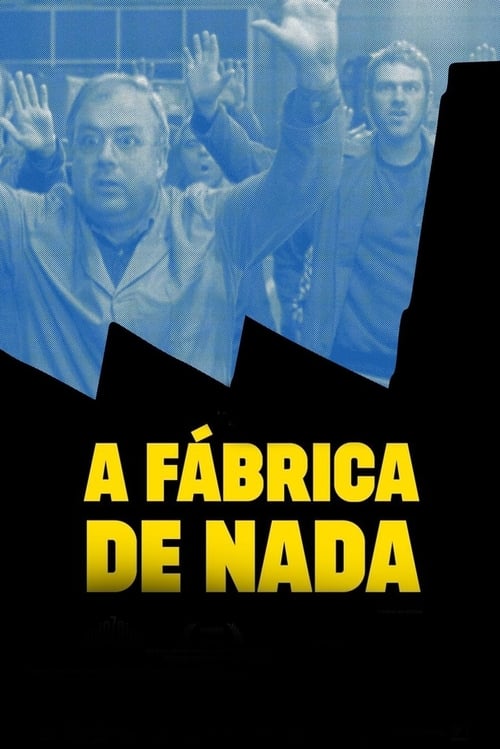
One night, a group of workers realises that the administration is stealing machines and raw materials from their own factory. As they organize to survey the equipment and block the relocation of production, they are forced to stand at their posts with no work to do, as a form of retaliation, while negotiations over general lay-offs take place. The pressure leads to a breakdown of the workers along with the world around them.
The Nothing Factory
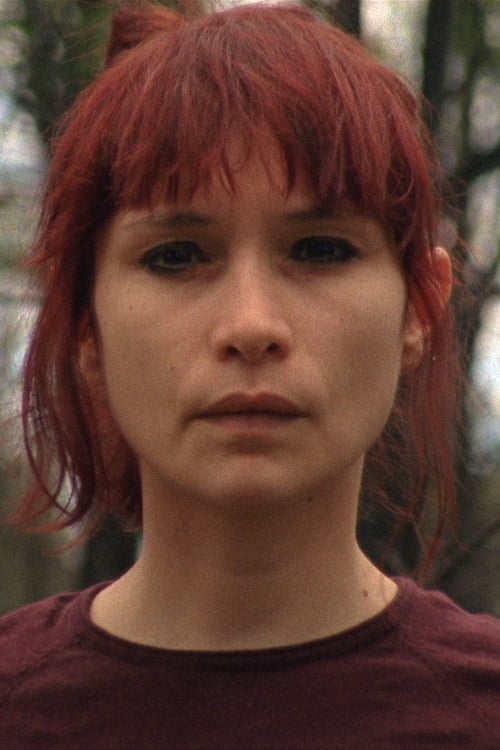
Cunning and slender, harassed and on the run, Reynard is a metaphor of a never ending obsession with each breath, each gesture, each thought. Marta seeks in the emptiness of her body a way to arrive to her inner essence, in an abstract search of a free spirit that might end in her own enclosure.
Reynard
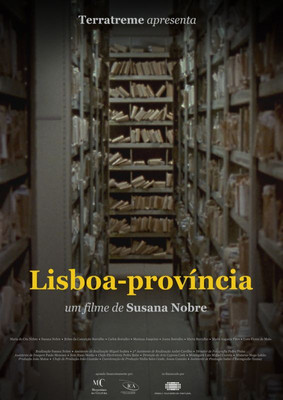
A nurse takes care of a patient in her house. Maria do Céu has been a nurse for more than forty years, working at an old Hospital in Lisbon. She was sixteen, when she arrived to Lisbon, coming from a small village in Alentejo. At the Hospital, she reads the file of an old patient who was also her friend. The file is then closed. Maria do Céu returns to her village, where she sings at the people’s house choir.
Lisbon-Province
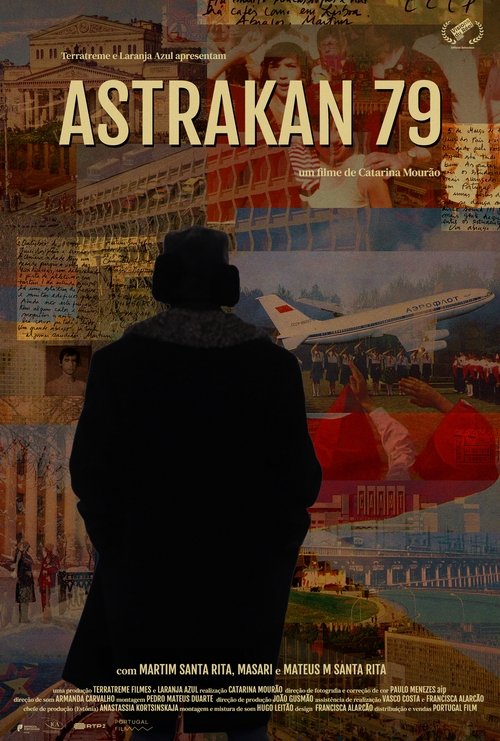
1979. Flicking through pictures from a Soviet magazine, 15-year-old Martim dreams of building a new society. His radical communist parents send him to study at Astrakan for one year. In her new film, Catarina Mourão captures with tremendous precision the moment a middle-aged man passes his story on to his son, thus shedding the taboo of his ineffable experience.
Astrakan 79
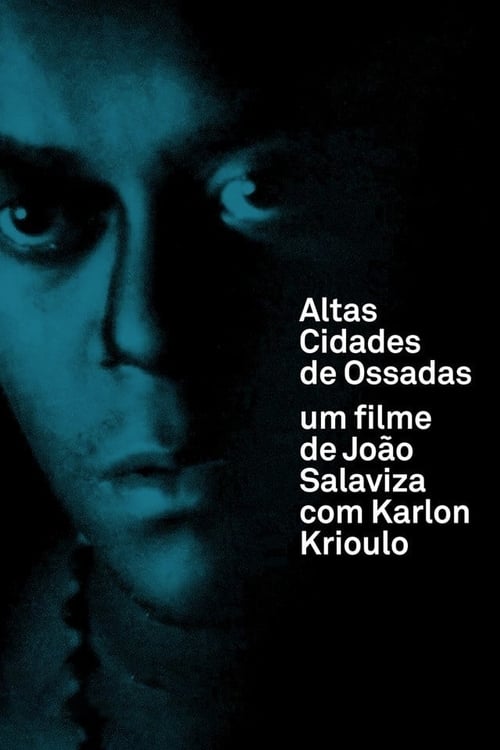
Karlon, born in Pedreira dos Húngaros (a slum in the outskirts of Lisbon) and a pioneer of Cape Verdean creole rap, runs away from the housing project to which he had been relocated.
High Cities of Bone
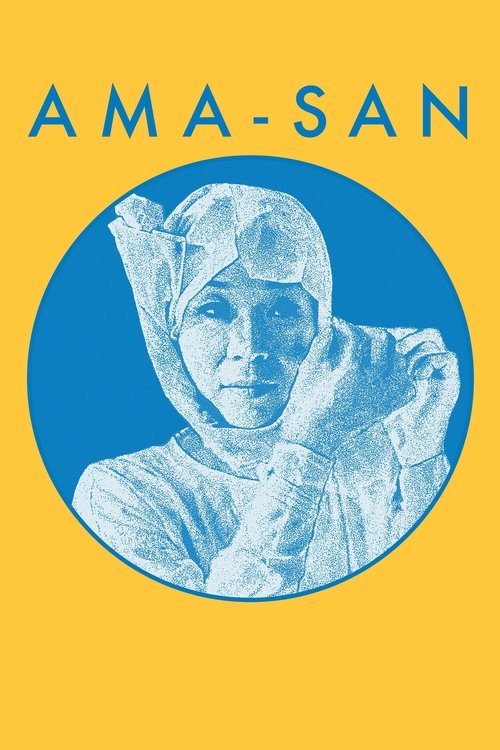
A dive, the midday sunlight filtering down through the water. The air in her lungs has to last until she can dislodge the abalone. Dives like these have been carried out in Japan for over 2000 years by the Ama-San.
Ama-San
(within the project URB) CIDADE is a TV series that takes place in the diverse, urbanistically chaotic and multicultural periphery of Lisbon. Each episode has for landscape and dramatic background the everyday-life in the social housing neighborhoods and shanty towns of Lisbon. It explores the infinite possibilities of narratives and characters generated by the daily confrontation of the normal life of the city with several layers of cultural heritages and lifestyles, brought by different waves of migration. A network of interconnected characters, families and ties makes the narrative to evolve and illustrates the cultural, artistic, social and economic explosion that we are about to live in here.
Cidade
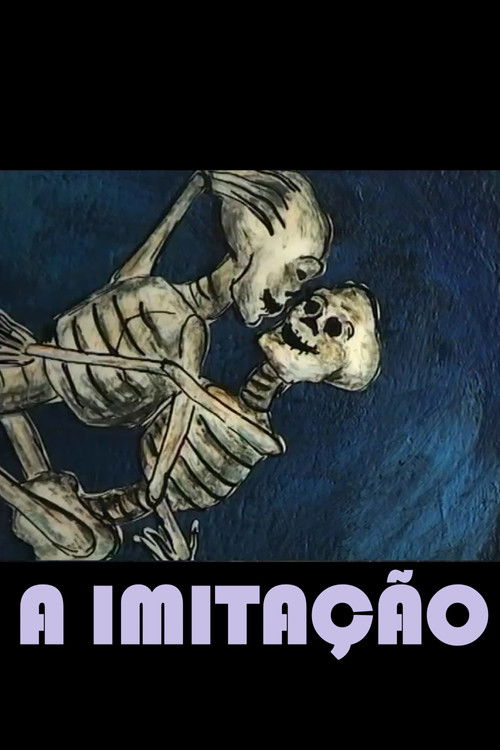
An act of passion, filmed in a church turned into a bar, on Easter 2003, and starring as many actors as the days of the year… Taking the sacred painting as a reference, the film questions the human condition: letting oneself die like Christ or betray scientifically like Peter?
A Imitação

"I've been on this cliff for almost a year, here on the lookout. Always aware of the sea and the enemy, even though I've never seen him. The man riding a horse gave me a new order, to be even more on alert, waiting for a mirage, for a ghost that will not come."
Nameless Heitor
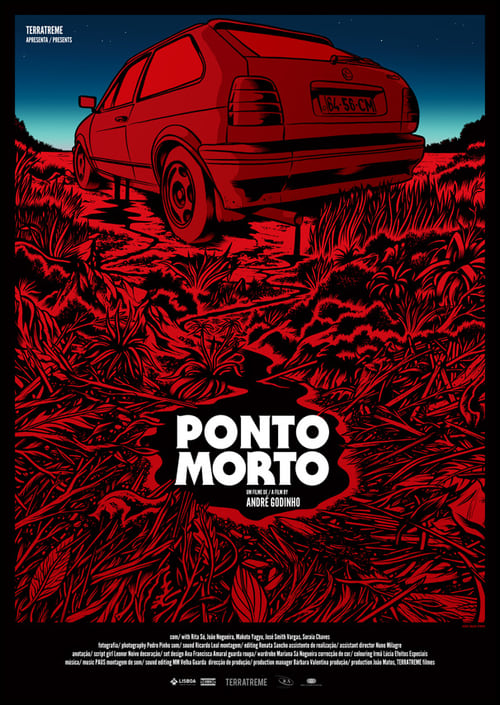
Two lovers hit the road for a holiday. They find a car that has been hit, and a dead woman by the accident. Two production assistants try to leave the set, but all the roads seem to hit the same spot, where they find a dead woman that walks.
Idle Road

Europe’s largest lithium mine is about to start operating in Trás-os-Montes, much to the dismay of the local inhabitants. Frederico Lopo induces an earthy sensuality and contrasts two geologies: that of mining prospection and machines, and that of roots and people.
When the Land Runs Away
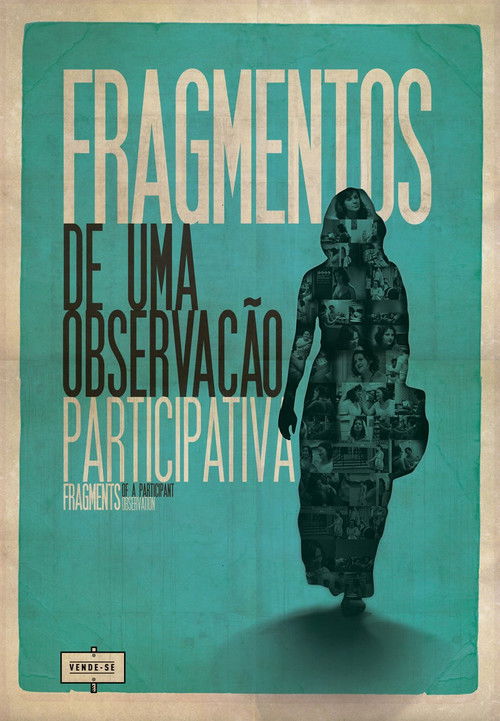
While observing others, Paula is also, herself, observed. ' Know the difference between an old maid and a spinster? The old maid does not have a choice. '
Fragmentos de Uma Observação Participativa
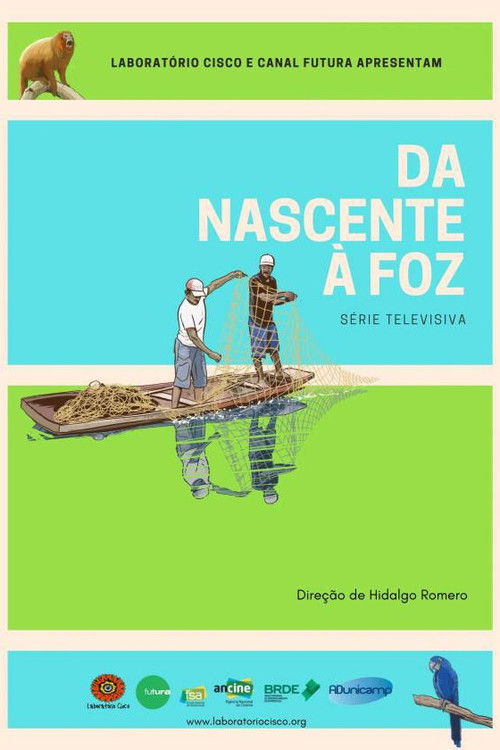
No description available.
Da Nascente à Foz
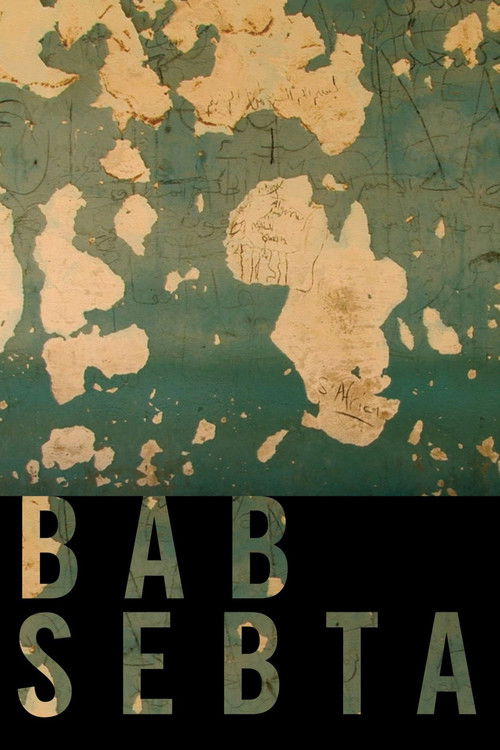
Coming from every parts of Africa, runs a river of men and women prepared to cross entire continents, pursuing a life that is denied to those that live in the periphery.
The Door of Ceuta

In order to reflect upon current practices of political dissent, we delve into the past and follow the experiences of a young artist. Invited to go underground in Portugal, during the second half of the 20th century, Margarida Tengarrinha played an important role in anti-fascist resistance, becoming a forger out of political activism. Given the anachronism, Clandestina is like a letter to a time yet to come, a premonition of the tragic possibility of History repeating itself.