Jean Renoir
Directing
Biography
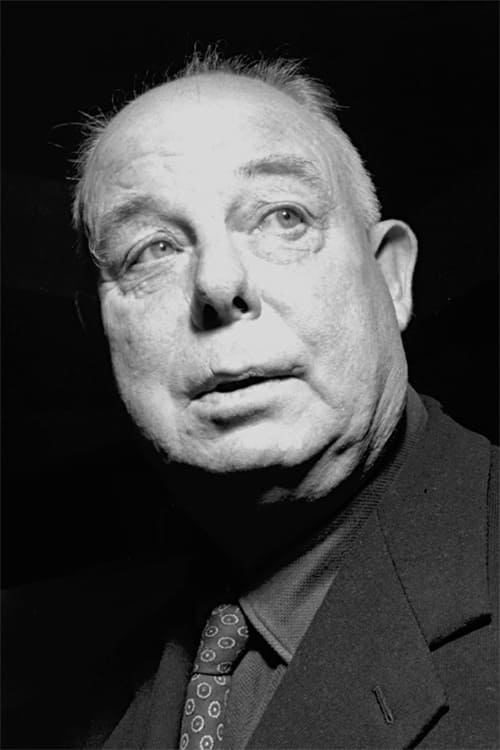
Jean Renoir (15 September 1894 – 12 February 1979) was a French film director, screenwriter, actor, producer and author. As a film director and actor, he made more than forty films from the silent era to the end of the 1960s. As an author, he wrote the definitive biography of his father, the painter, Pierre-Auguste Renoir, Renoir, My Father (1962). In the 1930s, Renoir was associated with the Popular Front, and several of his films reflect the movement's left-wing politics and deal with social issues as well as class disparities. He was perhaps the most significant director of the poetic realism movement. The satirical comedy-drama film The Rules of the Game (1939) is often cited by critics as among the greatest films ever made; it is the only film to earn a place among the top ten films in the respected British Film Institute's Sight & Sound decennial critics' poll for every decade from the poll's inception in 1952 through the 2012 list. Other important works are Grand Illusion (1937), A Day in the Country (1946) and The River (1951). Andrew Sarris in his influential book of film criticism The American Cinema: Directors and Directions 1929–1968 included him in the "pantheon" of the 14 greatest film directors who had worked in the United States.

Known For

No description available.
Discorama

An anthology of plays and novels adapted into feature length TV movies, broadcast on BBC2 from September 1977 to April 1979.
BBC2 Play of the Week

No description available.
Cinépanorama
Produced for television by Claude-Jean Philippe, the « Encyclopédie audiovisuelle du cinéma », recounts the history of French cinema from its birth to the beginning of the 1960s. With commentary read by Jean Rochefort.
Encyclopédie audiovisuelle du cinéma

The Marquis de la Chesnaye and his wife host a weekend gala where a variety of complicated romantic and social entanglements between guests and servants lead to tragedy, all against the backdrop of a looming war.
The Rules of the Game

A group of French soldiers, including the patrician Captain de Boeldieu and the working-class Lieutenant Maréchal, grapple with their own class differences after being captured and held in a World War I German prison camp. When the men are transferred to a high-security fortress, they must concoct a plan to escape beneath the watchful eye of aristocratic German officer von Rauffenstein, who has formed an unexpected bond with de Boeldieu.
Grand Illusion

Celestine, the chamber-maid, has a new job in the country, at the Lanlaires. She has decided to use her beauty to seduce a wealthy man, but Mr. Lanlaire is not a right choice: the house is firmly controlled by Madame Lanlaire, helped by the strange valet Joseph. Then she tries the neighbour, former officer Mauger. This seems to work. But soon the son of the Lanlaires comes back. He is young, attractive and does not share his mother's antirepublican opinions. So Celestine's beauty attracts Captain Mauger, young Georges Lanlaire, and Joseph. Three men, from three different social classes, with three different conceptions of life. Will Celestine be able to convince Georges of her sincerity?
The Diary of a Chambermaid

Non-musical account of Puccini's opera: Tosca and Cavaradossi are in love, but the tyrant Scarpia desires Tosca and oppresses Cavaradossi who is fighting for freedom.
Tosca

Cashier Maurice Legrand is married to the wretched Adele. By chance, he meets Lucienne, 'Lulu', and makes her his mistress. He thinks he has finally found love, but Lulu is a streetwalker, still in love with her pimp.
La Chienne

A hunter happens upon a fugitive and his daughter living in a Georgia swamp. He falls in love with the girl and persuades the fugitive to return to town.
Swamp Water

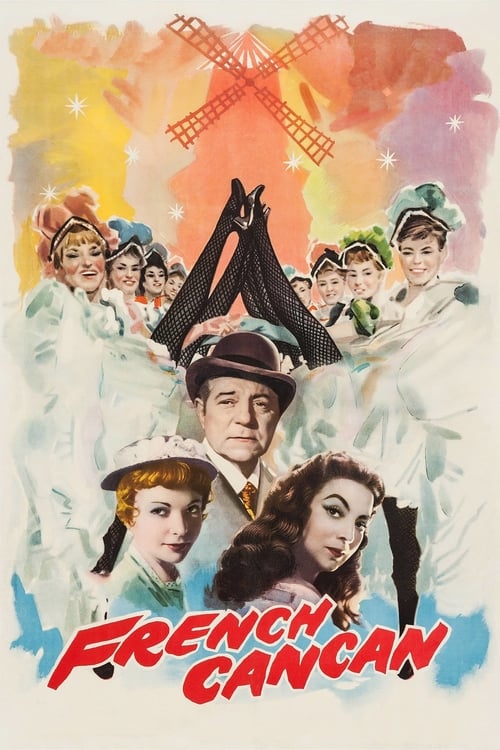
Nineteenth-century Paris comes vibrantly alive in Jean Renoir’s exhilarating tale of the opening of the world-renowned Moulin Rouge. Jean Gabin plays the wily impresario Danglard, who makes the cancan all the rage while juggling the love of two beautiful women—an Egyptian belly-dancer and a naive working girl turned cancan star.
French Cancan

Somewhere in Europe, in a city occupied by the Nazis, a gentle school teacher finds himself torn between collaboration and resistance, cowardice and courage.
This Land Is Mine

Mild-mannered novelist of Western fiction, Amédée Lange, and his colleagues take over a publishing house after their exploitative boss disappears, only for the superior to return and try to reclaim the profits from their successful cooperative.
The Crime of Monsieur Lange

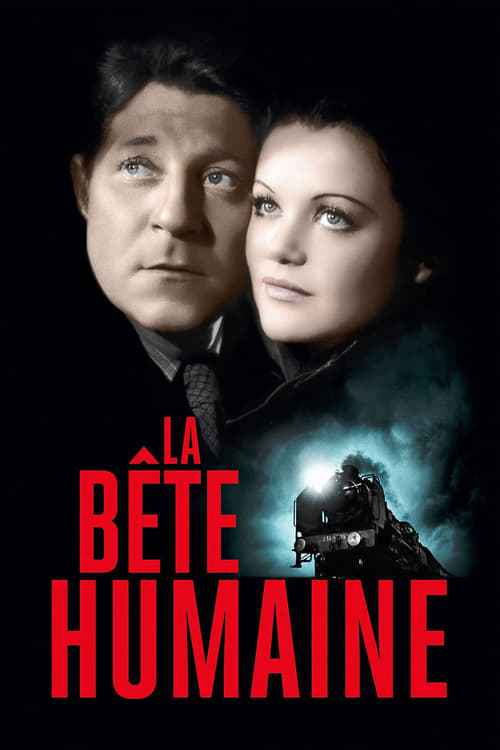
Returning by train to the French port of Le Havre, Jacques Lantier, a tormented railwayman, meets by chance the impulsive stationmaster Roubard and Séverine, his wife.
La Bête Humaine

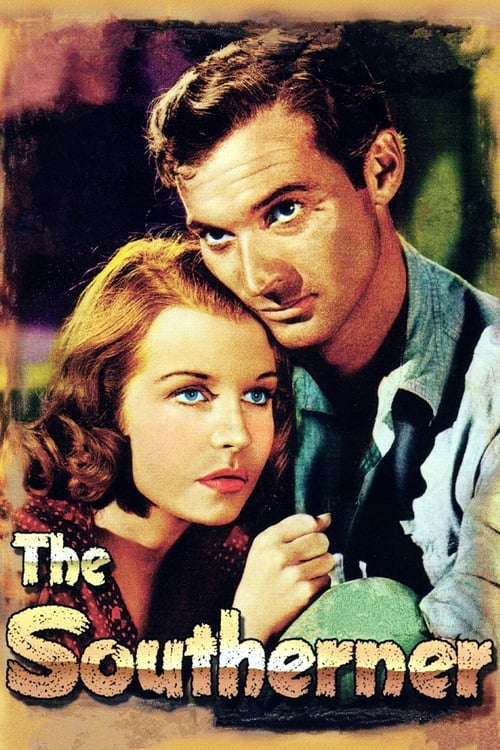
Sam Tucker, a cotton picker, in search of a better future for his family, decides to grow his own cotton crop. In the first year, the Tuckers battle disease, a flood, and a jealous neighbor. Can they make it as farmers?
The Southerner

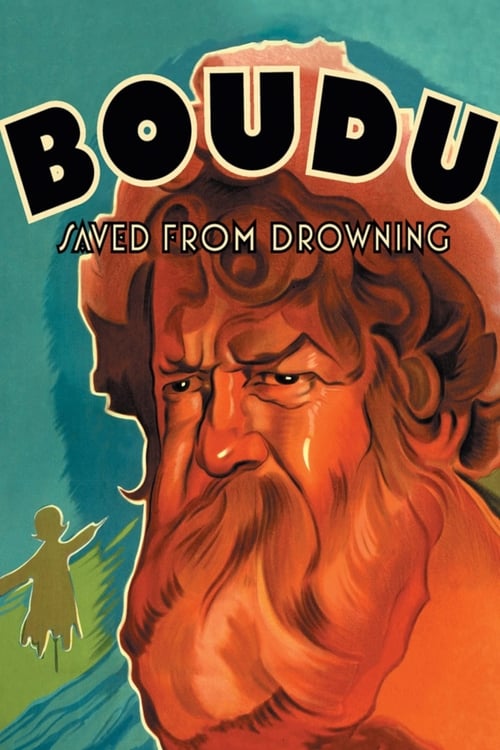
Michel Simon gives one of the most memorable performances in screen history as Boudu, a Parisian tramp who takes a suicidal plunge into the Seine and is rescued by a well-to-do bookseller, Edouard Lestingois. The Lestingois family decides to take in the irrepressible bum, and he shows his gratitude by shaking the household to its foundations. With Boudu Saved from Drowning, legendary director Jean Renoir takes advantage of a host of Parisian locations and the anarchic charms of his lead actor to create an effervescent satire of the bourgeoisie.
Boudu Saved from Drowning

A sailor suffering from post-traumatic stress becomes involved with a beautiful and enigmatic seductress married to a blind painter.
The Woman on the Beach

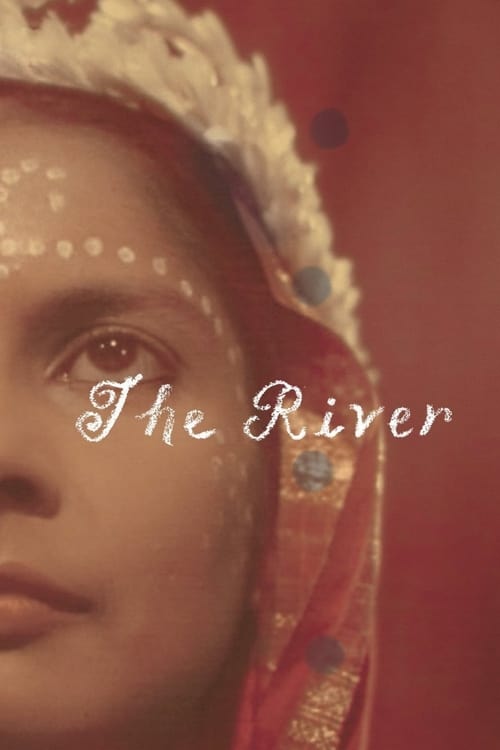
Director Jean Renoir’s entrancing first color feature—shot entirely on location in India—is a visual tour de force. Based on the novel by Rumer Godden, the film eloquently contrasts the growing pains of three young women with the immutability of the Bengal river around which their daily lives unfold. Enriched by Renoir’s subtle understanding and appreciation for India and its people, The River gracefully explores the fragile connections between transitory emotions and everlasting creation.
The River

The family of a Parisian shop-owner spends a day in the country. The daughter falls in love with a man at the inn, where they spend the day.
A Day in the Country

Set amid the military maneuvers and Quatorze Juillet carnivals of turn-of-the-century France, Jean Renoir’s delirious romantic comedy Elena and her Men stars a radiant Ingrid Bergman as a beautiful, but impoverished, Polish princess who drives men of all stations to fits of desperate love. When Elena elicits the fascination of a famous general, she finds herself at the center of romantic machinations and political scheming, with the hearts of several men—as well as the future of France—in her hands.