FEEL IT.STREAM
René Lévesque

René Lévesque

Acting

Biography

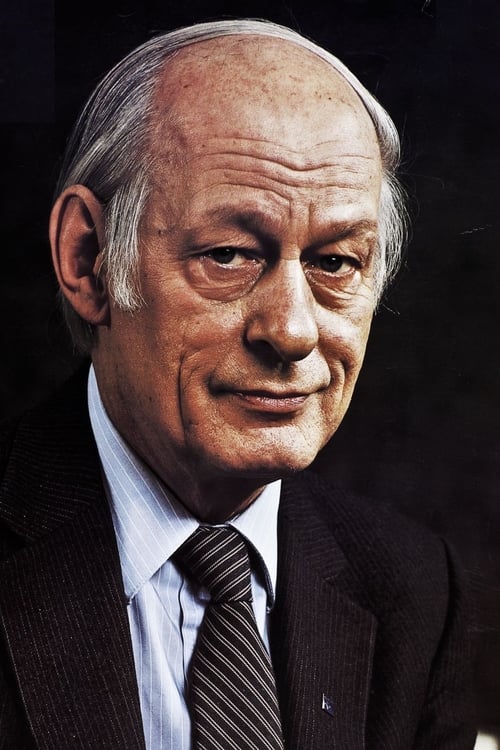
René Lévesque (1922–1987) was a Québécois politician and journalist who served as the 23rd Premier of Quebec from 1976 to 1985. Starting his career as a reporter, and radio and television host, he later became known for his eminent role in Quebec's nationalization of its electric power industry, and as an ardent defender of Quebec sovereignty. He was the founder of the Parti Québécois political party—and before that, a liberal minister of the government of Quebec from 1960 to 1966 and the first Québécois political leader since Confederation to attempt, through a referendum, to negotiate the political independence of Quebec.
Known For

No image
10.0

The Great Debate is a Canadian television series that featured debates between pairs of panelists over a given subject. It was first shown on Global Television Network in 1974, and later broadcast by CHCH-TV from Hamilton, Ontario. The series was produced intermittently until 1983.

The Great Debate

1974
The Champions, Part 2: Trappings of Power
7.5

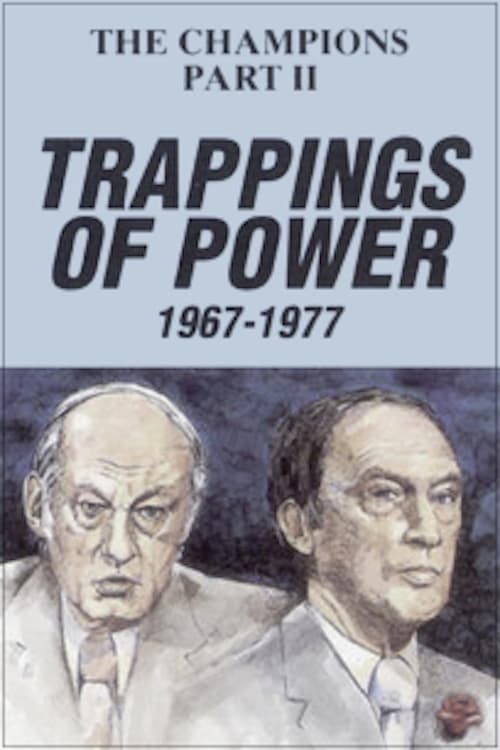
Part 2 of this 3-part documentary series about Pierre Elliott Trudeau and René Lévesque covers the years between 1967 and 1977, a colourful decade that saw Trudeau win three federal elections, the 1970 October Crisis and the sweeping rise to power of the Parti Québécois.

The Champions, Part 2: Trappings of Power

1978
Harmonium in California
7.0

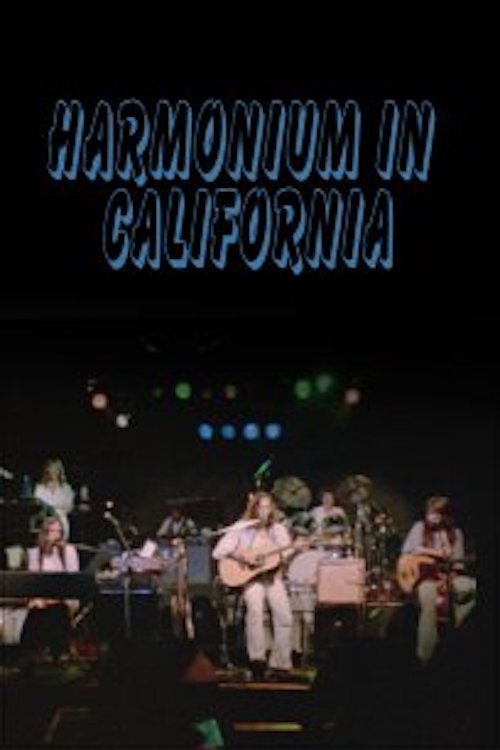
Through concerts and interviews, folk-progressive group Harmonium takes Quebec culture to California. This documentary full of colour and sound, filmed in California in 1978, recounts the ups and downs of the journey of the Quebec musical group Harmonium, who came to feel the pulse of Americans and see if culture, their culture, can succeed in crossing borders.

Harmonium in California

1980
Quebec: Duplessis and After...
8.5

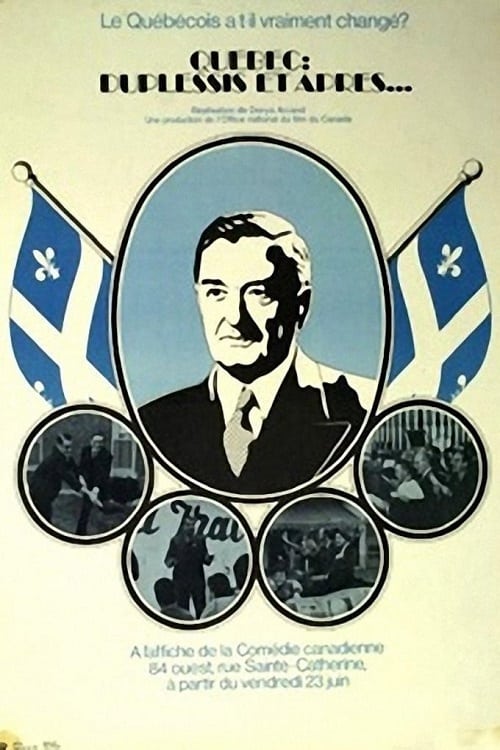
This film establishes a parallel between the 1970 electoral campaign in Québec and the 1936 campaign dominated by Maurice Duplessis. It shows the hope but also the uncertainty that existed in 1970. Had the Quiet Revolution really changed things in Québec? Was it possible that a new leader would emerge on the political scene? (NFB.ca)

Quebec: Duplessis and After...

1972
The Devil's Share
8.0

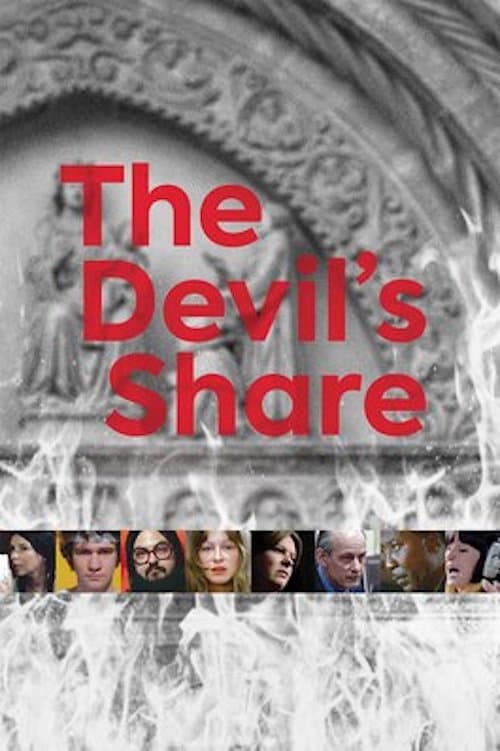
Quebec, on the cusp of the 1960s. The province is on the brink of momentous change. Deftly selecting clips from nearly 200 films from the National Film Board of Canada archives, director Luc Bourdon reinterprets the historical record, offering us a new and distinctive perspective on the Quiet Revolution.

The Devil's Share

2018
Action : The October Crisis of 1970
8.0

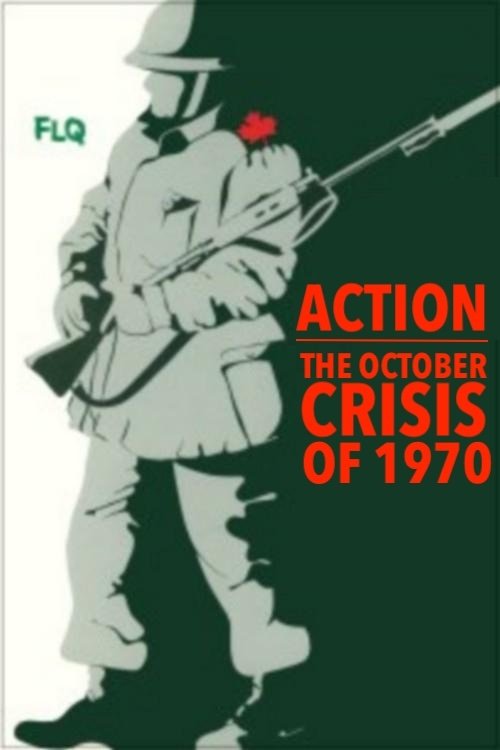
A long and thoughtful look at those desperate days of October 1970, when Montréal awaited the outcome of FLQ terrorist acts. This film puts the October Crisis in the long perspective of history. Compiled from news and other films, it shows independence movements past and present, and their leaders; it reflects the mingled relief, dismay, defiance, when the Canadian army came to Montréal; and it shows how political leaders viewed the intervention.

Action : The October Crisis of 1970

1974
Thieves of Innocence
7.0

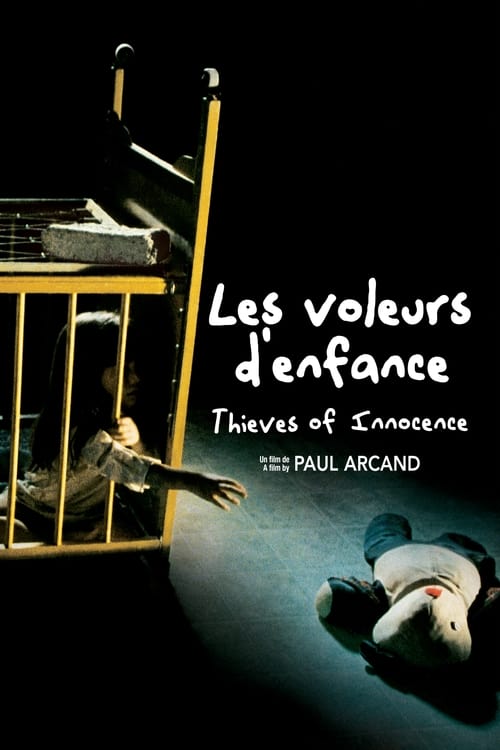
Every year in Quebec, 25,000 reports of children being beaten, sexually abused or abandoned are retained by the Directorate of Youth Protection. And nearly 40% of babies who die in the province to die because of the violence of their parents. This explains the fact that nearly 30,000 children are supported by the DPJ until the age of 18. But this government agency is in a position to meet the needs of young people? Journalist and documentary filmmaker Paul Arcand presents the testimonies of children and adult victims of abuse of all kinds, and interviews politicians, social workers and members of the judiciary on their perception of the problem. In addition, Arcand denounces the carelessness of a bureaucratic system that does not always seem to be concerned about the well-being of those for whom they are responsible.

Thieves of Innocence

2005
Comfort and Indifference
7.1

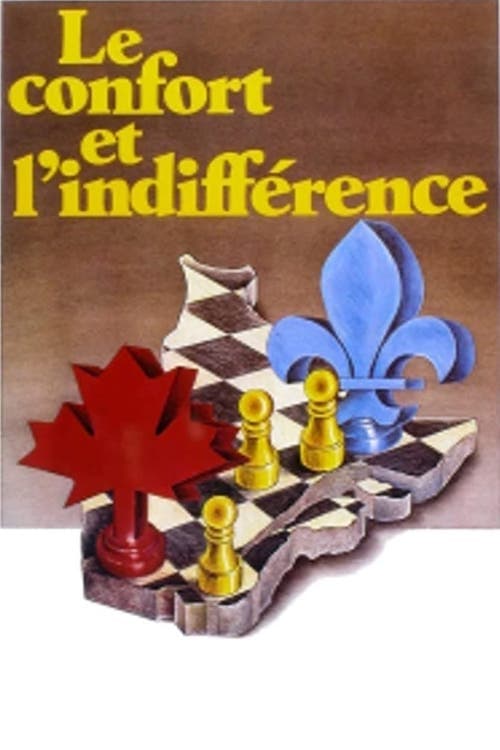
Made shortly after the referendum on Quebec's independence was held, this documentary illustrates what the politicians' promises were and how the population did not really care nor truly understand what was really at stake, even though just about everyone had an opinion on the subject.

Comfort and Indifference

1982
Qui se souvient de René Lévesque?
10.0

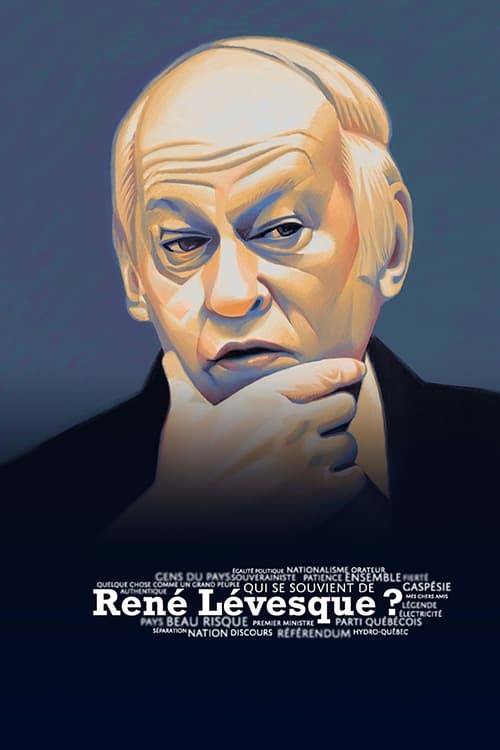
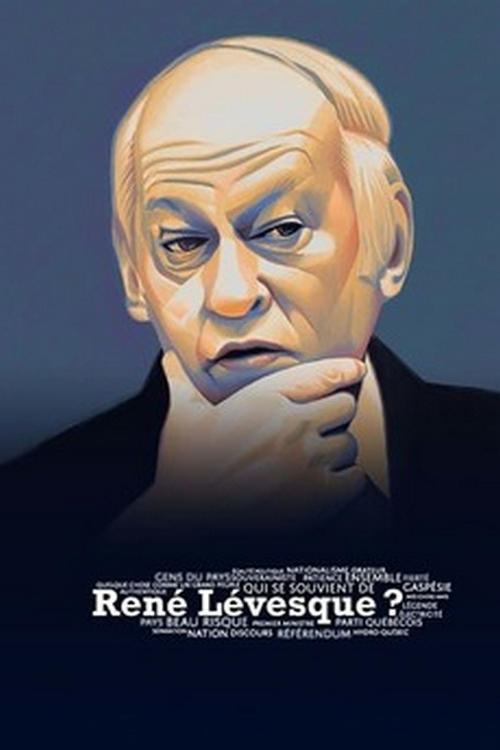
With his charisma, his energy, his integrity - but also his faults - René Lévesque left an indelible mark in the collective imagination of Quebecers: that of a hero of a people. But how can we measure his legacy, 35 years after his death and 100 years after his birth? From Montreal to New Carlisle, L'Actualité journalist Guillaume Bourgault-Côté crosses Quebec to meet certain relatives, colleagues, experts and artists who rubbed shoulders with the man, literally and figuratively. Together, they try to identify what remains of René Lévesque. By traveling through Quebec, we will better understand the legacy left by René Lévesque 100 years after his birth, 35 years after his death: his role in the sovereignist movement, the development of public and economic policies, but also the strength of his personality, which still today arouses a feeling of deep attachment among the Quebec population, regardless of political allegiances. (Translated from French.)

Qui se souvient de René Lévesque?

2022
Les Rose
8.2

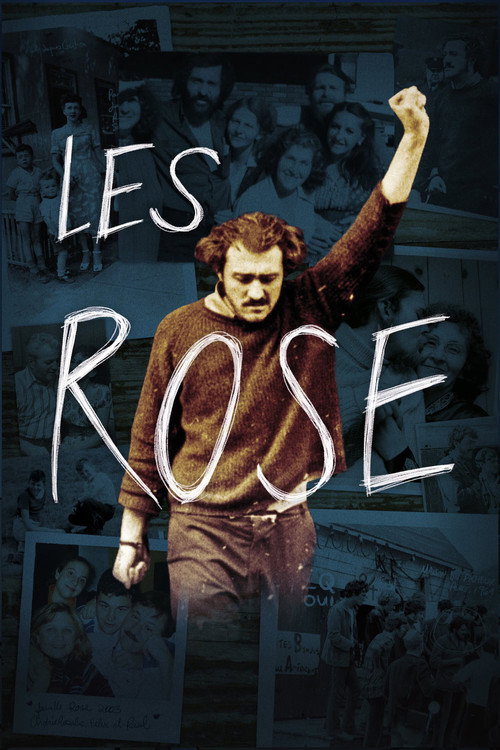
In October 1970, members of the Front de Libération du Québec (FLQ) kidnapped and murdered Minister Pierre Laporte, part of an unprecedented crisis in Quebec. Fifty years later, Félix Rose tries to understand what could have led his father and uncle to commit such crimes. Thanks to his uncle Jacques, who agrees for the first time to speak on the subject, and to the traces left by his father Paul, he revives the heritage of a Quebec working class family. The fruit of ten years of research, Les Rose allows us to revisit a time and people that we knew through clichés, and gives a glimpse of the experiences of a rebellious youth and the crimes that followed.

Les Rose

2020
The Champions, Part 1: Unlikely Warriors
8.0

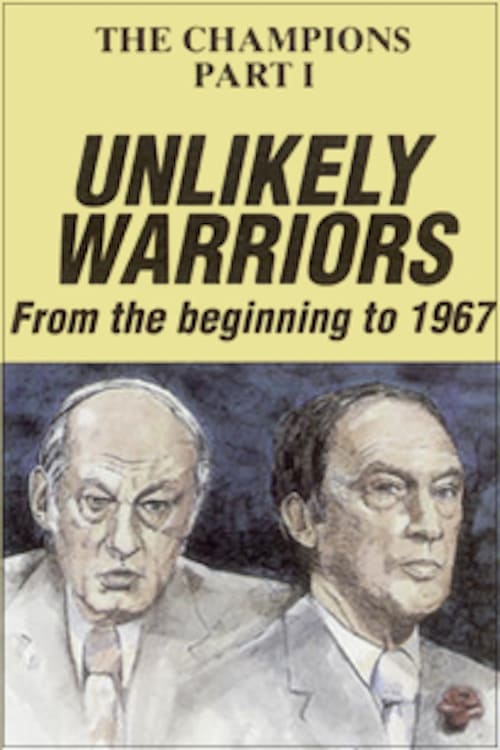
In Part 1 of this 3-part documentary series, director Donald Brittain chronicles the early years of Pierre Elliott Trudeau and René Lévesque. From their university days in the 1950s to 1967 when Lévesque left the Liberal Party and Trudeau became the federal Minister of Justice, Brittain attempts to get at the heart of what makes these men so fascinating.

The Champions, Part 1: Unlikely Warriors

1978
1995 - Hopes and Betrayals
10.0

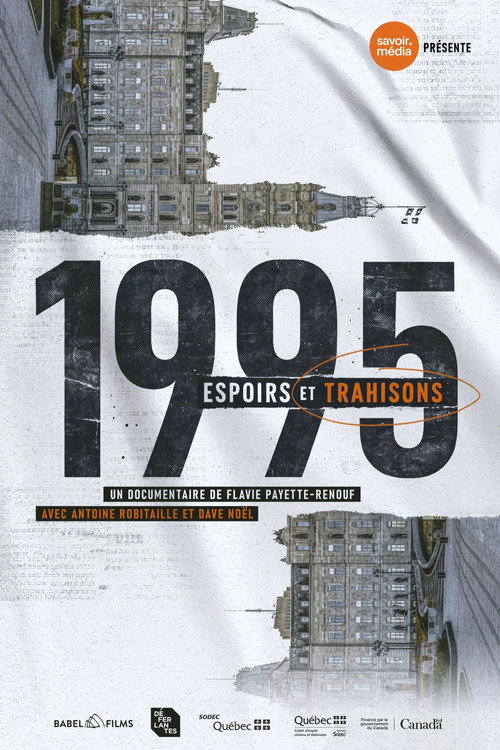
In 1995, Quebec faced a harrowing choice: remain part of Canada or establish itself as a separate country. The future of a nation and a lifelong dream were at stake in this referendum. Through interviews and analysis, journalists Antoine Robitaille and Dave Noël delve into the secret strategies, fierce rivalries, and political maneuvering of both sides.

1995 - Hopes and Betrayals

2026
The Champions, Part 3: The Final Battle
7.0

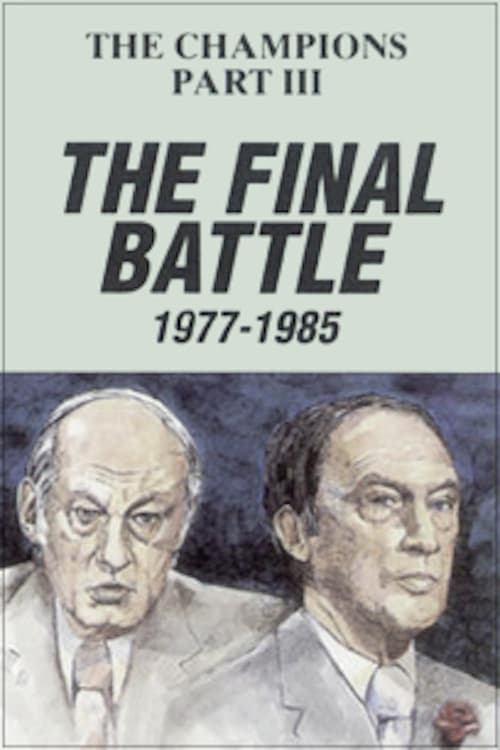
The final instalment of this 3-part documentary series about Pierre Elliott Trudeau and René Lévesque spans the decade between 1976 and 1986. The film reveals the turbulent, behind-the-scenes drama during the Quebec referendum and the repatriation of the Canadian Constitution. In doing so, it also traces both Trudeau's and Lévesque's fall from power.

The Champions, Part 3: The Final Battle

1986
À la croisée des chemins
7.0

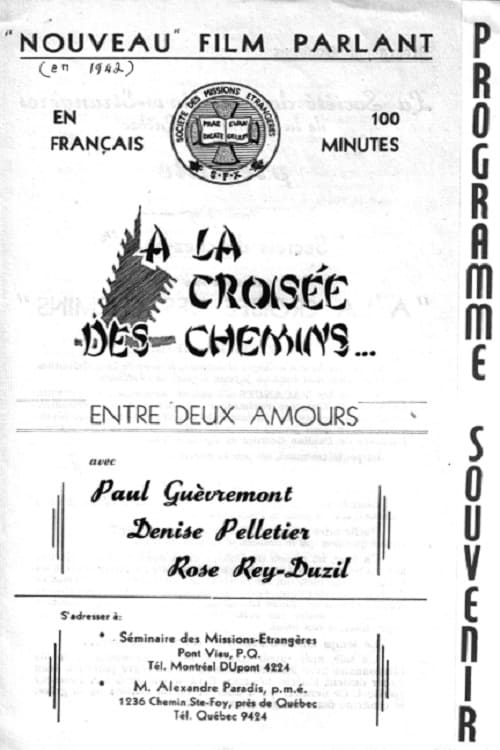
A young man, Jean Liber (Paul Guèvremont), who, at the end of his cours classique, decides to leave his rich, happy family and his finance, Pauline (Denise Pelletier), in order to become a missionary in China. This story of his struggle, 'at the crossroads' between love and God's calling, is clearly a pretext for a film designed to encourage young men to enter missionary work.

À la croisée des chemins

1943
15 Nov
7.5

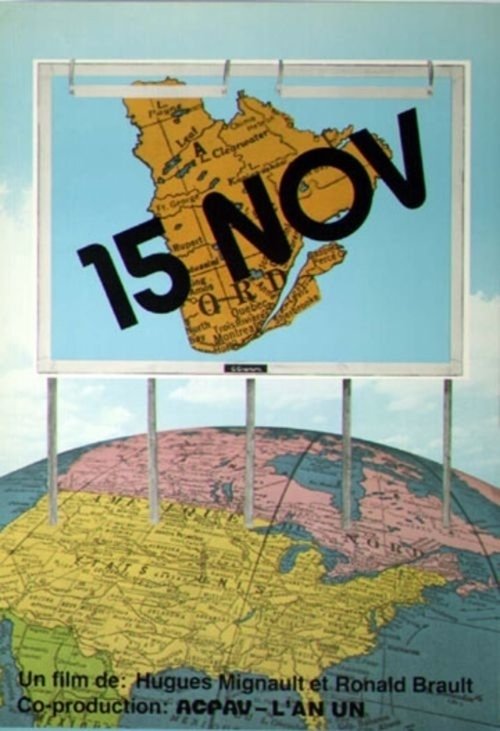
A look at November 15, 1976, the date the Parti Québécois seized power in the provincial elections, a victory that gave rise to an unprecedented outburst of joy at the Center Paul-Sauvé, a place where PQ sympathizers gathered.

15 Nov

1977
Who remembers René Lévesque?
N/A

With his charisma, his energy, his integrity - but also his faults - René Lévesque left an indelible mark in the collective imagination of Quebecers: that of a hero of a people. But how can we measure his legacy, 35 years after his death and 100 years after his birth? From Montreal to New Carlisle, L'Actualité journalist Guillaume Bourgault-Côté crosses Quebec to meet certain relatives, colleagues, experts and artists who rubbed shoulders with the man, literally and figuratively. Together, they try to identify what remains of René Lévesque. By traveling through Quebec, we will better understand the legacy left by René Lévesque 100 years after his birth, 35 years after his death: his role in the sovereignist movement, the development of public and economic policies, but also the strength of his personality, which still today arouses a feeling of deep attachment among the Quebec population, regardless of political allegiances. (Translated from French.)

Who remembers René Lévesque?

2022
Referendum: Take 2
9.0

October, 1995. The most important political event in recent Canadian history, the Quebec vote on sovereignty, is about to unfold. During the tense days leading up to the referendum for independence, 23 filmmakers from the NFB's English and French documentary studios take their cameras into the streets and homes of Quebeckers. Culled from 250 hours of footage, Referendum is an emotional portrait of a profoundly divided society. In a collage of powerful moments, the video recaptures the emotions of that time and measures them against today's political agenda. Implicit is the question: What next?

Referendum: Take 2

1996
No image
7.0

This feature documentary offers a behind-the-scenes look at political decision-making in Ontario, the most populated Canadian province. A candid study of Ontario Premier Bill Davis and his Cabinet profiles the political process—a daily round of committee meetings, budget tabling, and media relations initiatives. Born into a political dynasty, Davis has the power and resources of the “big blue machine” behind him as he initiates political manoeuvres that tackle everything from unemployment to provincial-federal relations. The film reveals key aspects of Davis's political philosophy, one that kept the Conservatives in power in Ontario for 36 consecutive years.

The Art of the Possible

Le choix d'un peuple
N/A

A documentary which revisits the Quebec referendum of May 20, 1980, looking at both the Non/No and Oui/Yes sides.

Le choix d'un peuple

1985
Nation - un huis clos avec Lucien Bouchard
N/A

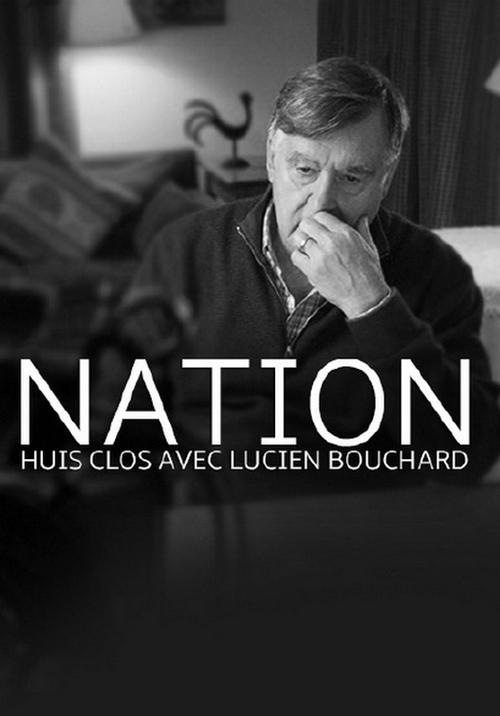
Carl Leblanc records the memories of politician Lucien Bouchard. As a unique witness to Quebec's contemporary history, Bouchard recounts the key events of his career, from his early years up to his time as Prime Minister.

Nation - un huis clos avec Lucien Bouchard

2014