Production
Birgit Cullberg's 1950 dance adaptation of Miss Julie was the breakthrough for modern dance in Sweden. 30 years later one of her sons plays the role of Jean in this adaptation for TV.
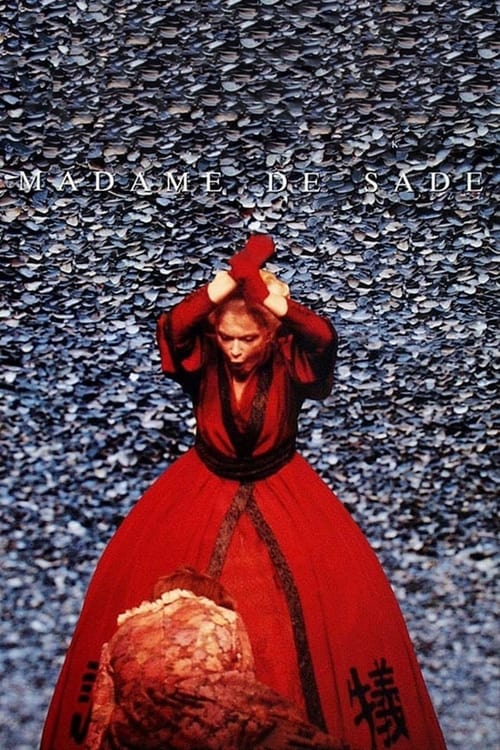
This television production captures Ingmar Bergman’s stage adaptation of Yukio Mishima’s Madame de Sade, set in France from 1772 to the aftermath of the French Revolution. While the Marquis de Sade remains imprisoned, six women—including his wife Renée—debate his actions, reputation, and meaning, revealing conflicting views on devotion, morality, and power.
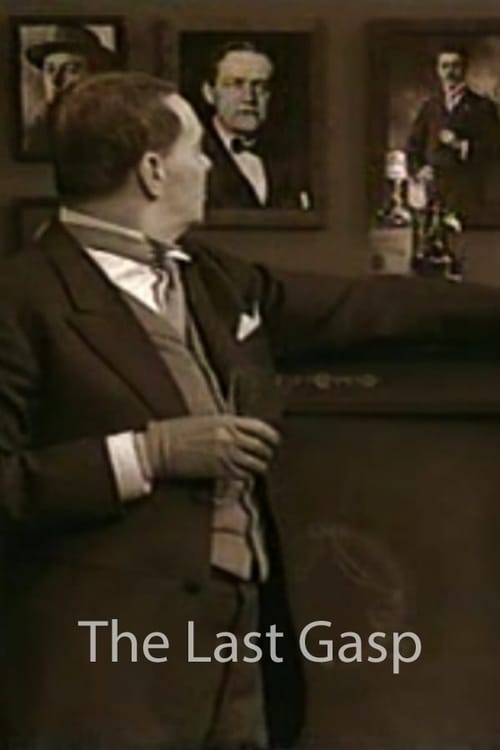
Set in the offices of the Swedish film industry, this television drama stages a fictional encounter between Georg af Klercker, a marginalized silent-film director, and Charles Magnusson, the producer who once controlled his fate. Through their conversation, memories of early Scandinavian cinema and unresolved professional grievances resurface as af Klercker seeks the possibility of returning to filmmaking.
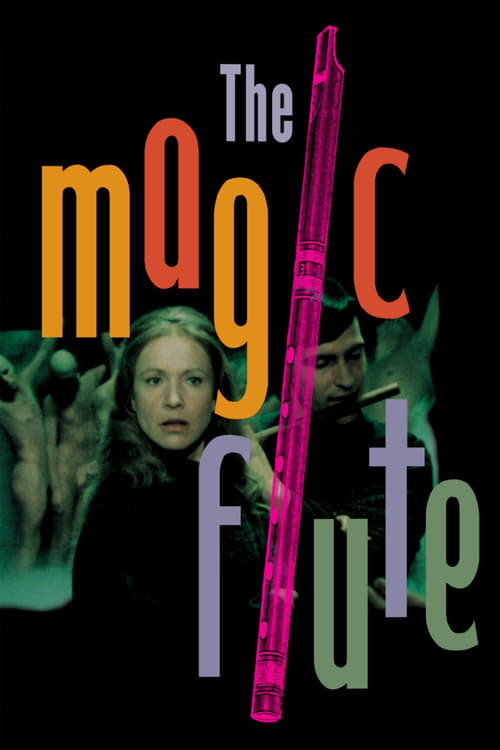
The Queen of the Night enlists a handsome prince named Tamino to rescue her beautiful kidnapped daughter, Princess Pamina, in this screen adaptation of the beloved Mozart opera. Aided by the lovelorn bird hunter Papageno and a magical flute that holds the power to change the hearts of men, young Tamino embarks on a quest for true love, leading to the evil Sarastro's temple where Pamina is held captive.
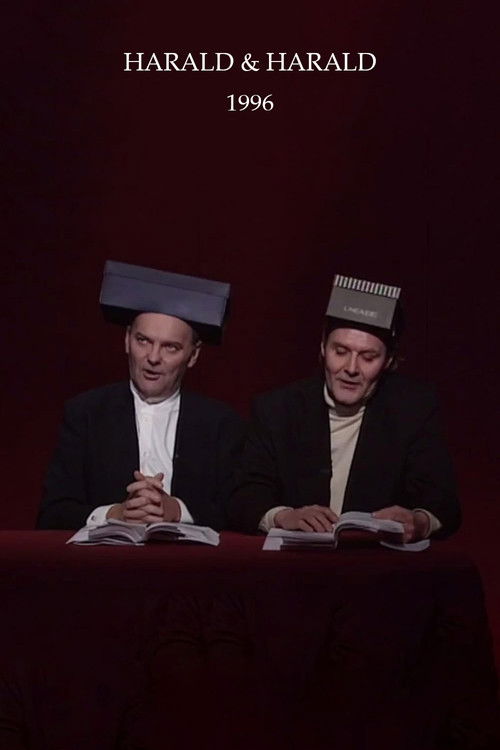
This short television work stages two performers reading excerpts from the Swedish Government’s Cultural Commission report (SOU 1995:84). Using largely unaltered bureaucratic language, the piece transforms the official text into a restrained satire of cultural policy and administration.
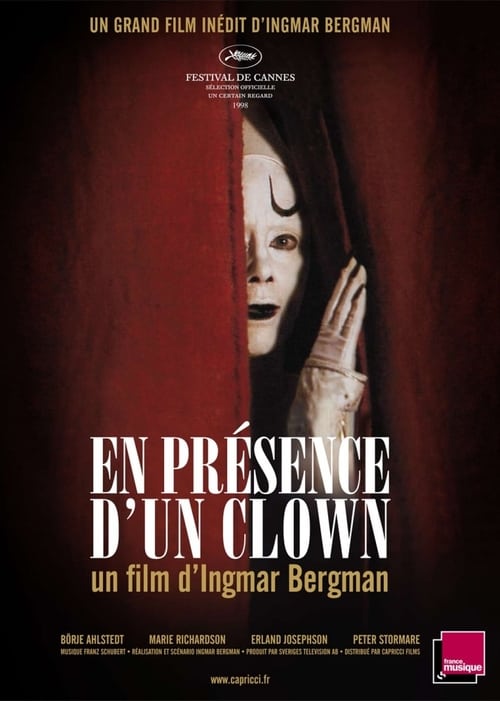
In 1925, eccentric inventor and Franz Schubert devotee Carl Åkerblom is confined to a psychiatric ward in Uppsala after attempting to murder his fiancée. Obsessed with death, music, and the future of cinema, he joins forces with a fellow patient to create a “living talkie,” an experimental film performance with live-spoken dialogue. As the project unfolds, art, madness, and mortality collide in a tragicomic reflection on creativity and human frailty.
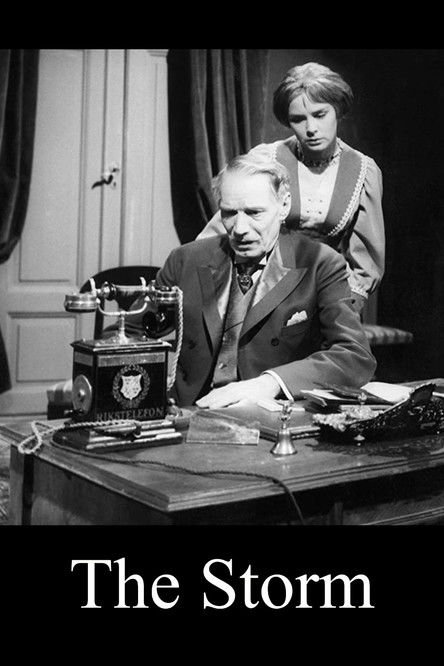
An elderly gentleman lives alone in a well-appointed residential building, spending his days in habitual routines with neighbors and family. When his former wife—who left years earlier with their child—moves into the apartment above him, long-suppressed tensions resurface, leading to a series of charged encounters.
Musical adaptation of Carl Jonas Love Almqvist's own compositions tied together by a loose story inspired by his prose writing.
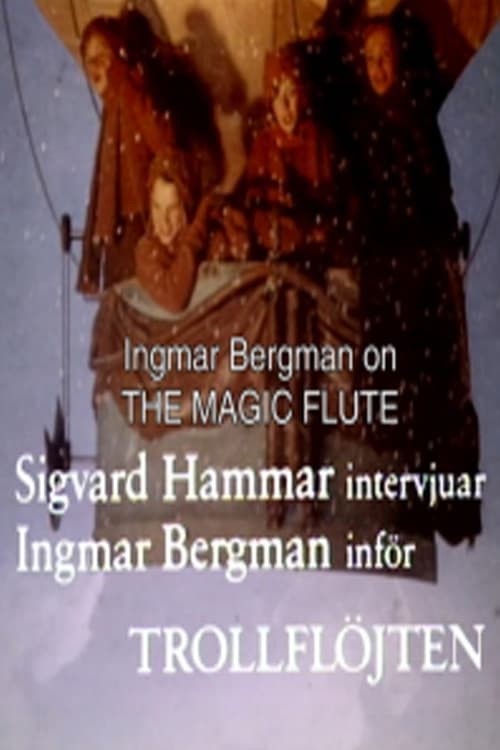
A documentary behind the scenes of Ingmar Bergman's The Magic Flute.
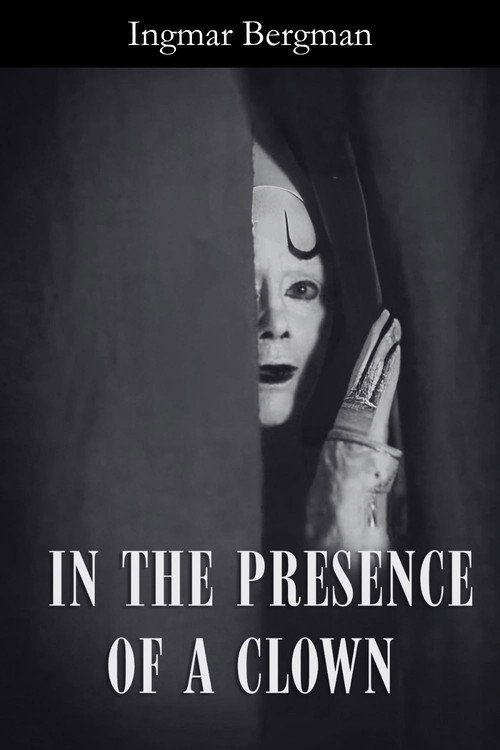
One hour making-of of Bergman's In the Presence of a Clown.
A pas de deux about the Swedish poet/singer/songwriter Carl Michael Bellman (1740-1795) and his muse Ulla Winblad (1744-1798), later included in the full-length ballet "Bellman".
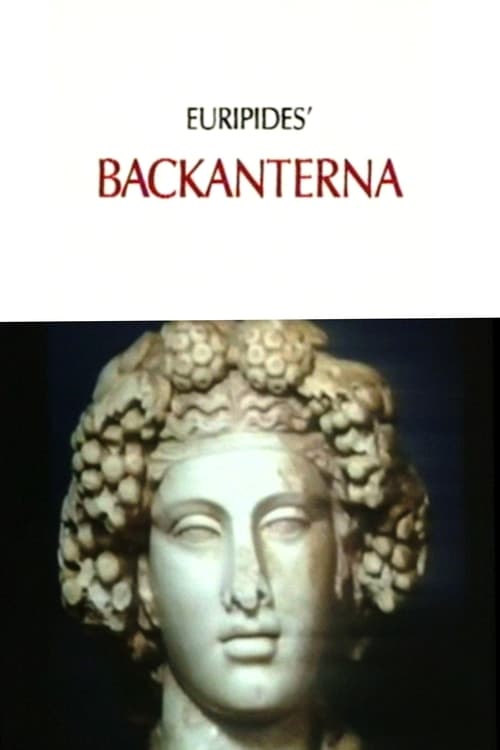
The young wine god Dionysus returns to his native town of Thebes after having established his cult in the east. In his entourage, he has a run of Bacchantes. Semele, his mother, was distrusted by her family when she claimed that Zeus was the father of her child. Dionysus has come to restore her, revealing his divinity, and require proper worship of the Theban legion.
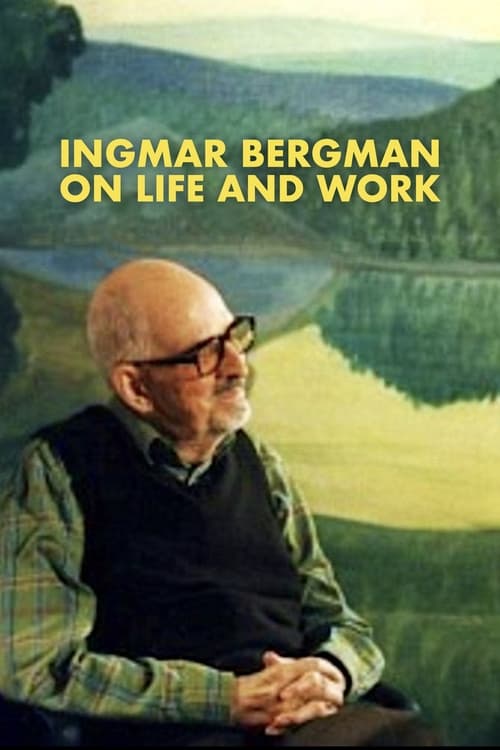
TV Documentary about Ingmar Bergman from 1998.
A film director comes to Stockholm claiming he is an internationally renowned filmmaker. The truth is that he is a total failure. He is counting on that his compatriots have saved big money working in Sweden. Money he intend to spend on making a film.
An interview with film director Ingmar Bergman, conducted by journalist Sigvard Hammar, originally broadcast on Swedish television.
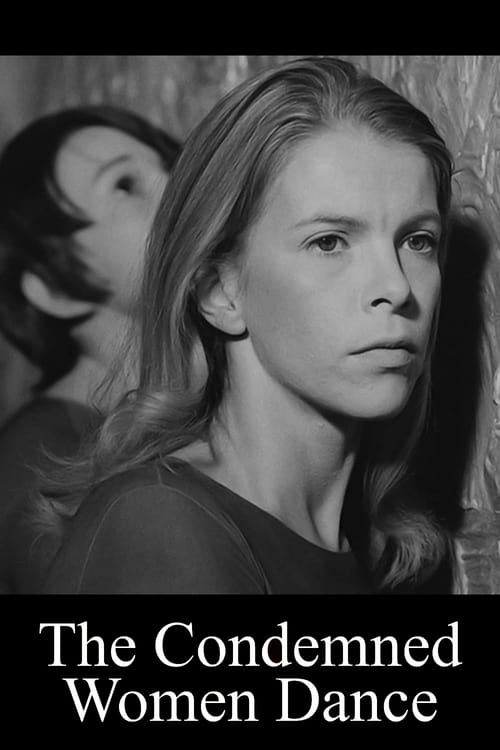
This short dance film presents four women moving within a narrow, enclosed room to music by Claudio Monteverdi. Conceived as a dance play rather than a ballet, the performers embody recurring female roles passed down across generations, including figures identified as damned souls, death, and a child compelled into the same patterns.
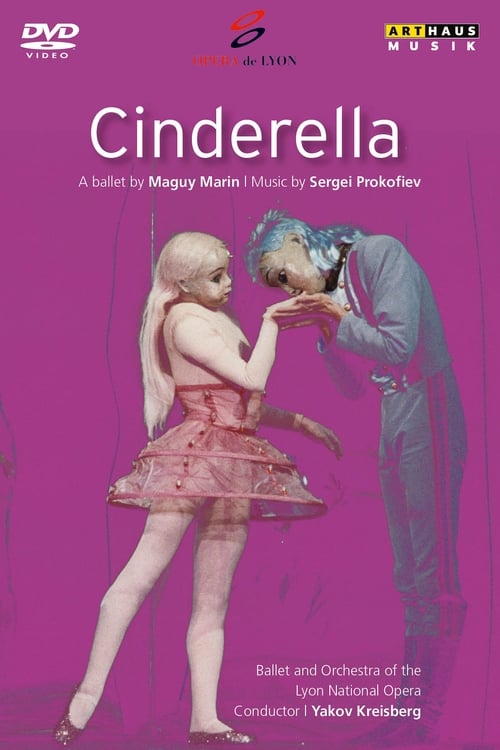
This unusual interpretation of the ballet Cinderella, with choreography and staging by the renowned choreographer Maguy Marin, is set in a doll’s house, with costumes to suit. This avant-garde, breakthrough version of the tale, described as a brilliant theatrical triumph, has toured the world since its premiere in 1985 and is acclaimed for its manipulation of mood, intriguing narrative, and innovative staging. The production is regarded by some critics as a stepping stone from classical ballet to something radically new.
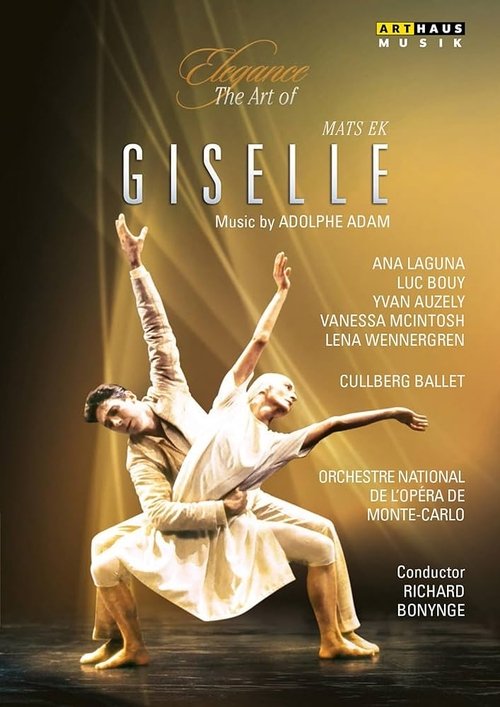
Discover acclaimed Swedish choreographer Mats Ek’s 1987 reworking of the ballet classic, Giselle, for the Cullberg Ballet. With the sensational Ana Laguna in the title role, Mats Ek’s interpretation of the ballet classic has all the whimsy and imaginative innovation so closely associated with the choreographer. In this version of Giselle, the traditional romantic Rhineland village is replaced by a landscape in the shape of breasts, and the supernatural realm of the Wilis is replaced by the harsh reality of a lunatic asylum giving this interpretation a harsh modern relevance. Ana Laguna dances superbly as the barefoot girl who falls ‘madly in love’.