Editing
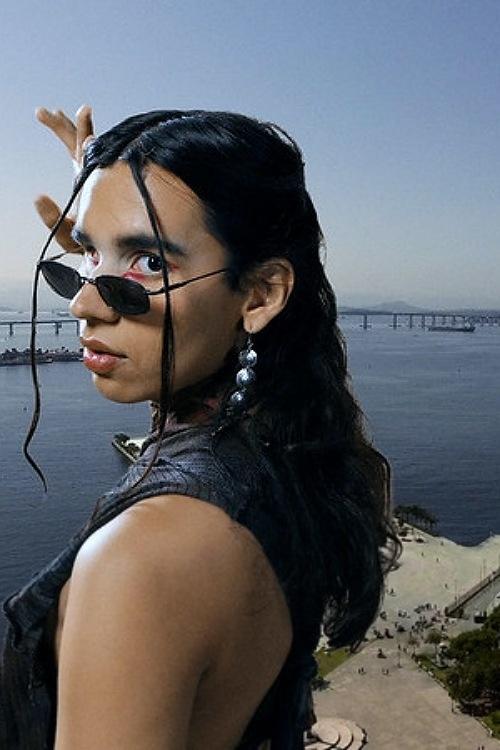
Over Rio de Janeiro looms the monstrous shadow of Mutante, a giant goddess who, at over 100 meters tall, keeps provoking the world below. While snooping through windows, she meets Mulher, a craftswoman who will transform her world.
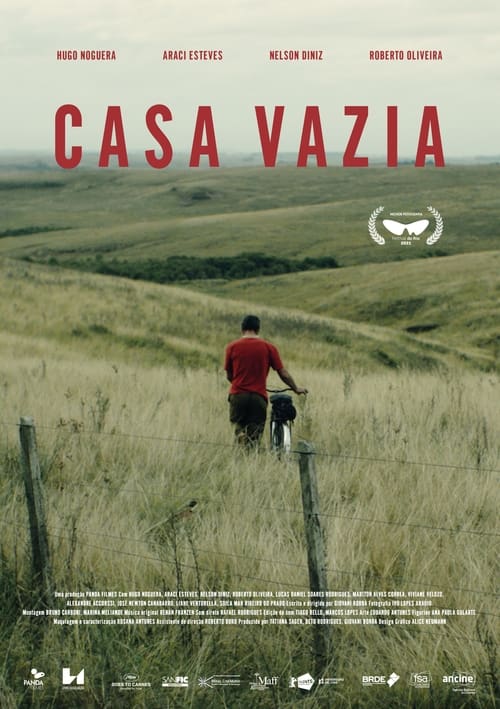
Raúl is an unemployed cattleman that lives in an isolated house on the fields. The landscape of pastures is being superimposed by huge soy plantations. Devastated by poverty, he joins a gang of other peasants that steals cattle during the darkness of the nights on the pastures.
When a renowned criminal lawyer sees one of the people she loves most become a victim of the Brazilian penitentiary system, she must decide whether to cross the line that separates her between looking for justice or committing an unforgivable crime.
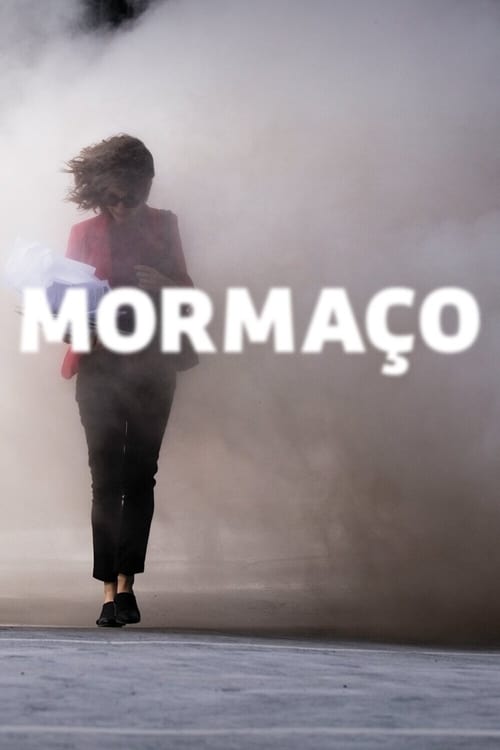
Rio de Janeiro, 2016: the city simmers in anticipation of the Olympic Games. Lawyer Ana defends the interests of residents of homes to be replaced by stadiums, roads and luxury hotels. Is the heat affecting her perception or is the struggle becoming visible on her skin?
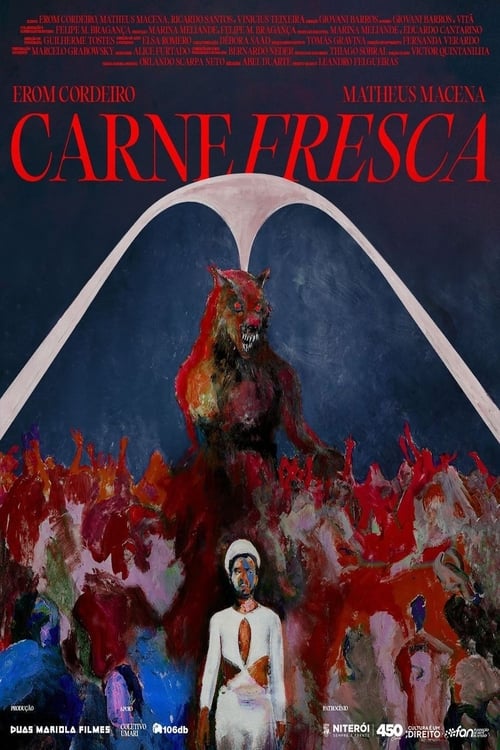
It's carnival in Rio de Janeiro. Saulo is a gay werewolf who visits the enchanted lands of beauty and chaos in search of new prey. It's on the last night of the carnival festivities that he meets Gustavo, a new crush who could be his last prey. “Carne Fresca” is a carnival fable about werewolves and hunters in a marvelous city.
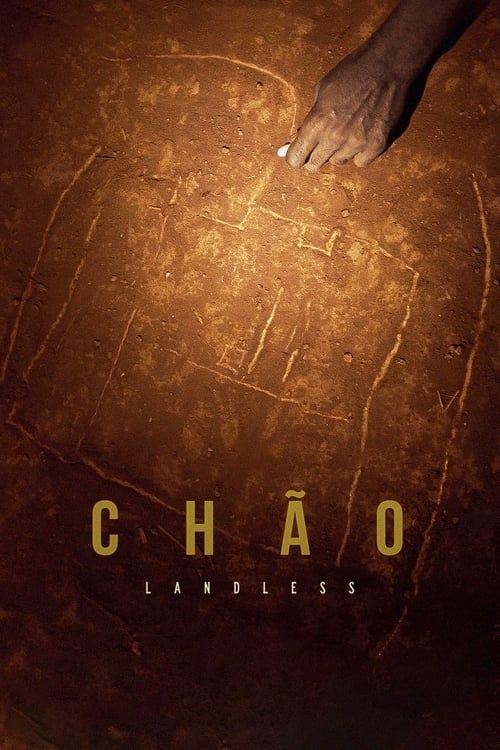
Since 2015, the Landless Workers Movement has been occupying an indebted sugarcane factory's land to press for its redistribution through land reform. Grandma, P.C. and their encamped fellows struggle to conquer a small share of land where they can settle down and live a self-sustainable life, growing agro-ecological crops in a newly knit peasant community they draw in their dreams.
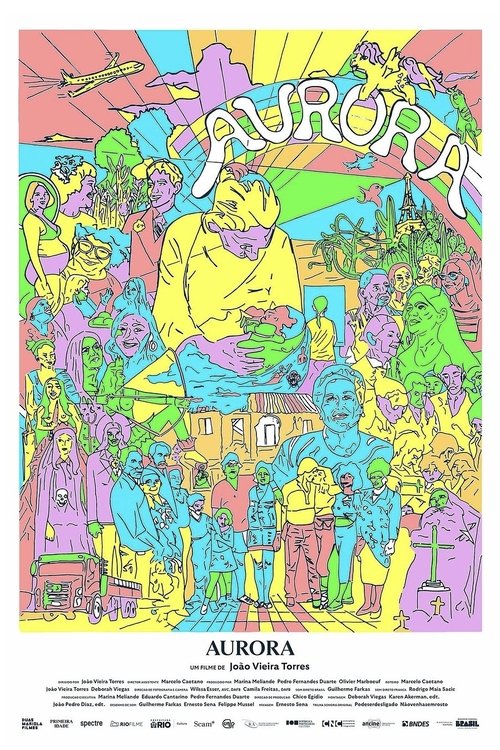
In the wake of a dream, João Vieira Torres sets off to find the children that his grandmother Aurora, a midwife, helped deliver. Through encounters with the living and the dead, he uncovers tragic destinies which reflect a structural history of violence against women. A curse dispelled by the means of cinema, resulting in a film of exceptionally rare beauty.
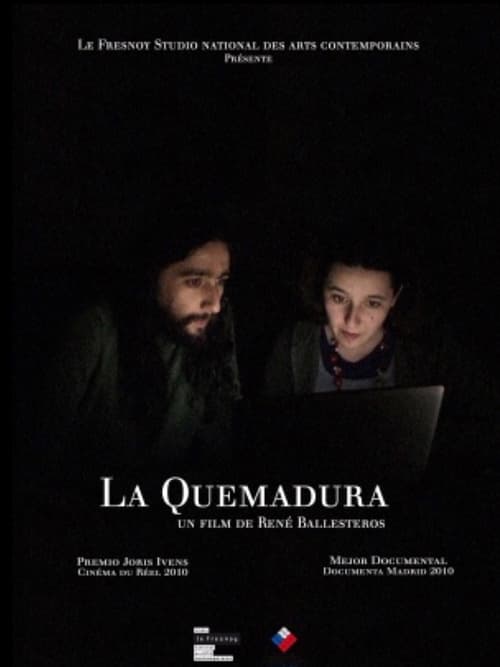
The mother left Chile 26 years ago, her two children did not see her again. The children have grown up : the brother a film-maker, the daughter a librarian. They will try to fix, to give a body to the telephonic voice of their mother, to finish the spell of the family's phantom limb.
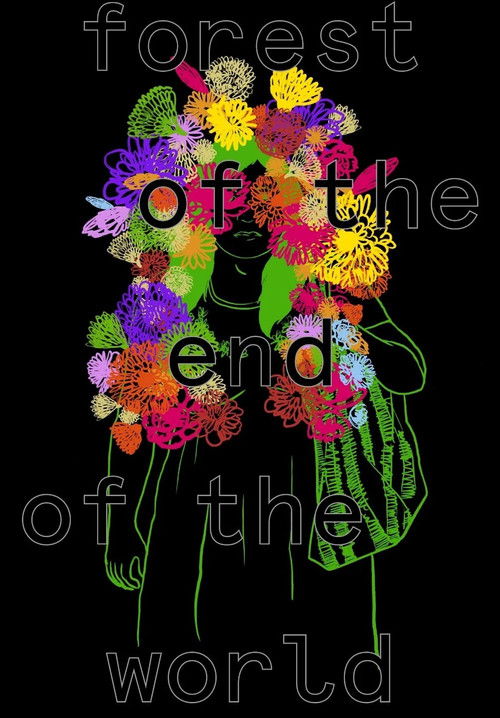
Suely, an Indigenous woman living in a large Brazilian city, spends her days in a small apartment. In her dreams, she communicates with a forest and connects to secrets of a world undergoing radical changes.
The border between Brazil and Paraguay: living on opposite sides of a big river, Brazilian boy Joca falls in love with indigenous-Paraguayan girl Basano. A magical tale of impossible love and adventure in this land full of memories of colonial wars and indigenous genocide.
An homage to master Eduardo Coutinho, a Brazilian documentary filmmaker who recorded several interviews in the famous Master Building 20 years ago. Paz Encina searches for traces of Coutinho's still strong presence in the setting/object of his feature film, sewing an affectionate letter from the encounter with this space — and its current residents — and dialoguing with the voids, ghosts and memories of a film and a place.
The trajectory of a romantic couple of contemporary artists reveals how the limits, contradictions and obsessions of a romantic relationship are reflected in each of their artistic endeavors.
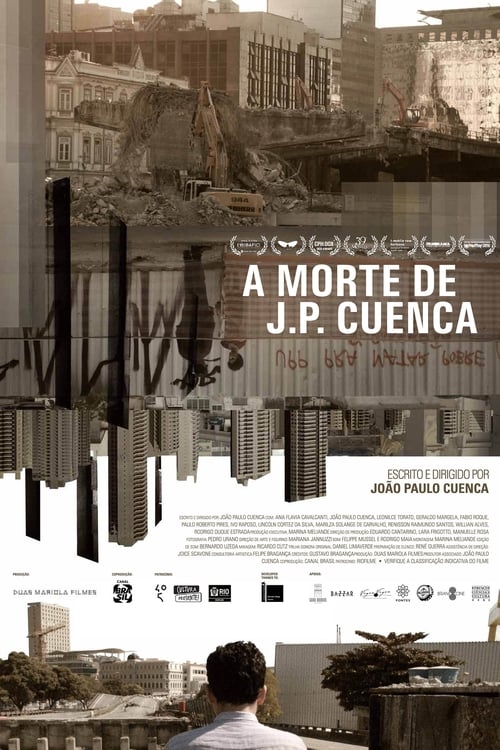
In 2008, a corpse identified by the police with the birth certificate of the writer João Paulo Cuenca was found in an occupied building in Lapa. Inspired by this fact, the movie investigates the theft of the author´s identity in a ghostly Rio de Janeiro and in deep transformation. If in fiction and in crime sections of newspapers it’s common to read about people who steal the identity of someone dead to start a new life, what we have here is the opposite case: someone who steals the identity of a living man to die in his place.
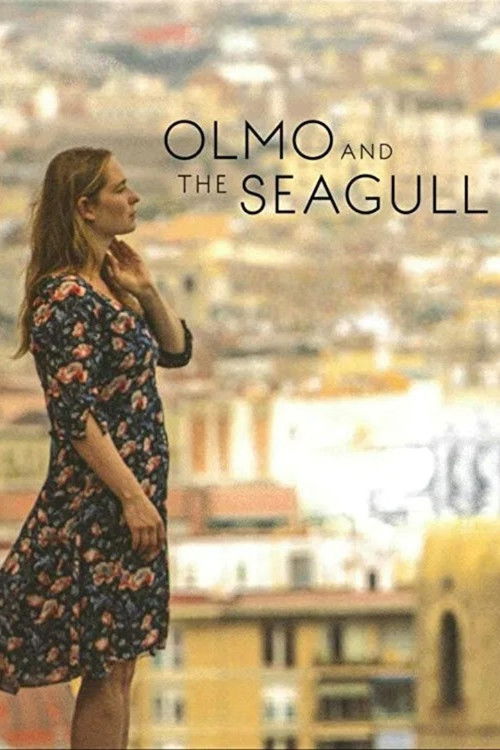
'Olmo and the Seagull' is a poetic and existential dive into an actress's mind during the nine months of her pregnancy as she must confront her most fiery inner demons while trying to rewrite a new philosophy of life, identity and love. Underlying this hybrid film is mounting tension over what is real and what is enacted when one is performing one's own life.
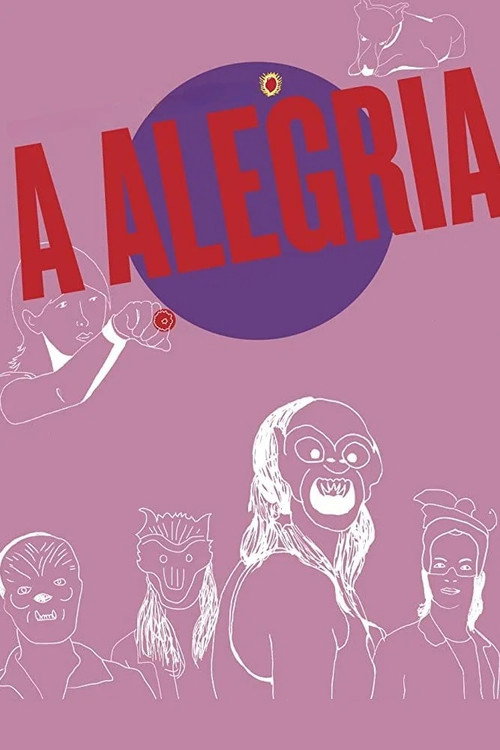
Joy is a fable about courage and youth. It tells the story of Luiza, 16 year old girl, who can not stand to hear about the end of the world… On a Christmas night, his cousin John is mysteriously shot in a street in the Lowlands and disappears into the night. Weeks later, while Luiza spends days alone in the apartment where he lives with his mother in Rio de Janeiro, a mysterious visitor comes knocking on your door: John, as a ghost, asking to hide there.
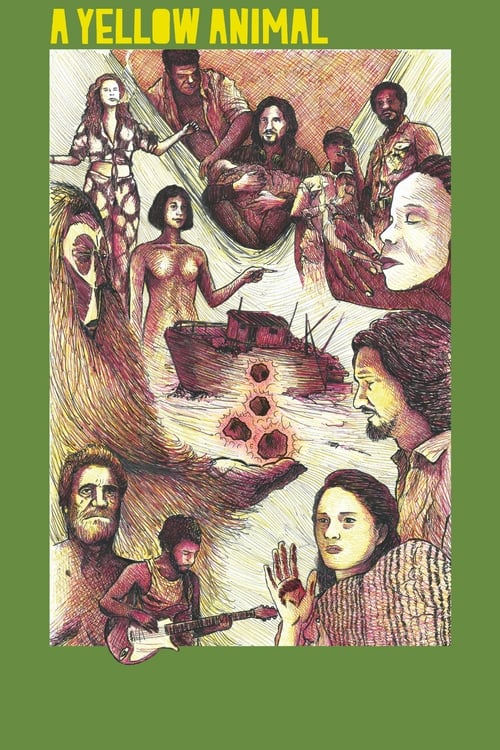
Obsessed with questions about his past, a bankrupt, white Brazilian filmmaker undertakes an epic journey from Brazil to Mozambique and Portugal. This melancholic fable mixes animation, live-action, voice-overs, genres, and continents to explore Brazil's colonial past.
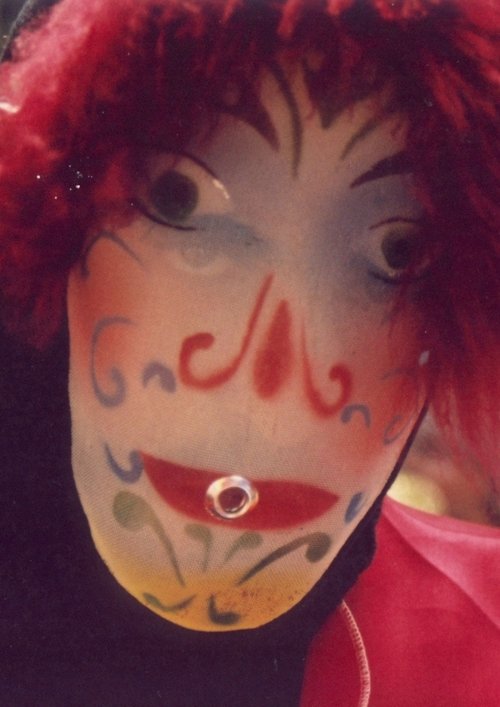
They met in the summer, in the rain. A film of carnival and silence. His Name (The Clown) is a surface film – based on newspaper news and daily life in large Brazilian cities, but without any direct link to any real event. Violence, joy and silence are worked on in the film in order to build a space where characters are as real as they are intangible – in a narrative of short marked sequences, in which a whirlwind of events mixes with a stitching of fragments and gaps: He is a quiet man and divides his time between his violent work in downtown Rio de Janeiro and his boarding house in Catumbi. She is the girl who appears in his life, on a rainy afternoon – and soon things start to go by very quickly. A film of carnival and silence, of love and anger – of apathy and will. A chronicle of the conflicts and festivities of a city sewn between hills, forests and cement. A tribute to Rio, perhaps?
Two girls star in this musical drama amazing road! A van, a beach, a reed, very homesick, girls in flower perched at gas stations… and a little music.
Filmed in Rio de Janeiro, the film follows the World Cup from the point of view of two groups of young people from Rio: one that meets at the traditional fan stronghold in the Tijuca neighborhood, Alzirão, and the other made up of young people from the Frente Nacional dos Torcedores. While the first group dedicates itself to decorating its street in green and yellow, adorning it with banners and setting up a large screen to welcome thousands of fans, the other has an important political role on the streets, questioning the process of elitizing football, the high ticket prices and the billions spent on stadium renovations.
Each citizen of Jotuomba plays an integral role in village life. Madalena is responsible for baking bread; each morning she stacks her rolls as Antonio prepares the coffee. The two share a morning ritual of arguments and insults, followed by an amicable cup of coffee on the bench outside Antonio's shop. At midday the church bells ring, summoning the villagers to mass. In the early evening, they all share a meal together. And so life proceeds in Jotuomba, the days languidly drifting into one another; the only variations seem to be in the weather. But, one day Rita arrives looking for a place to stay.