Directing
In French, "scénario" is cinema's name for how it tells stories. This is the title Jean-Luc Godard chose for his final film, which was literally completed the day before his self-death. The two segments of this film open with a series of identical sequences. The second segment then diverges and ends on a self-portrait of Jean-Luc Godard -his last images- sitting on his bed, bare-chested, he hides none of the wear on his body in the manner of Pigalle's sculpted portrait of Voltaire. "Scénarios" ends as it began, with a repetition, the figure of eternal return, the moment where time, which has been the great -if not unique- question of cinema, will have ceased to flow.
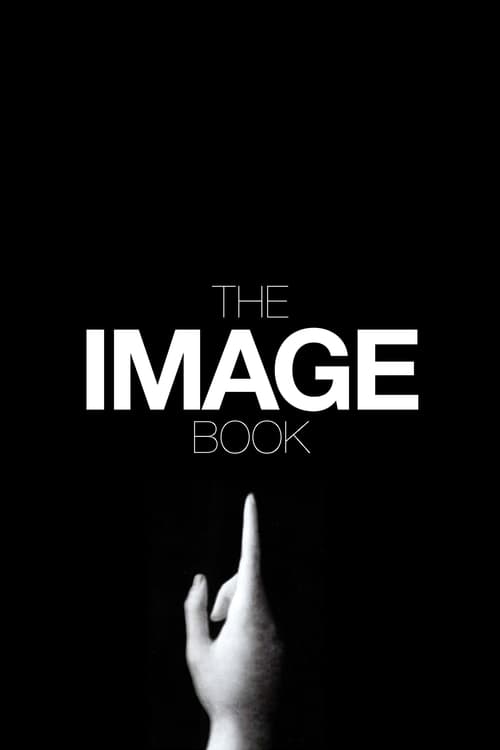
In Le Livre d’Image, Jean-Luc Godard recycles existing images (films, documentaries, paintings, television archives, etc.), quotes excerpts from books, uses fragments of music. The driving force is poetic rhyme, the association or opposition of ideas, the aesthetic spark through editing, the keystone. The author performs the work of a sculptor. The hand, for this, is essential. He praises it at the start. “There are the five fingers. The five senses. The five parts of the world (…). The true condition of man is to think with his hands. Jean-Luc Godard composes a dazzling syncopation of sequences, the surge of which evokes the violence of the flows of our contemporary screens, taken to a level of incandescence rarely achieved. Crowned at Cannes, the last Godard is a shock film, with twilight beauty.
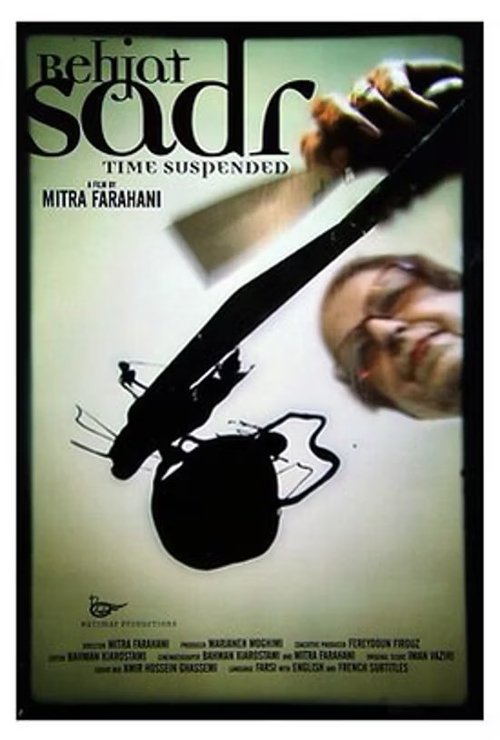
Behjat Sadr is one of the pioneers and masters of modern art in Iran. This film is a journey into the life and works of a poetic and brilliant painter. Ms. Sadr guides us through her intense, find compelling canvases, order musing on her process, pharmacy her influences, and her complicated relationship with fame and mortality. Her highly abstract mind wanders into dark, mysterious beautiful spaces, and the camera follows her, providing visual access and correlatives to her imagination.
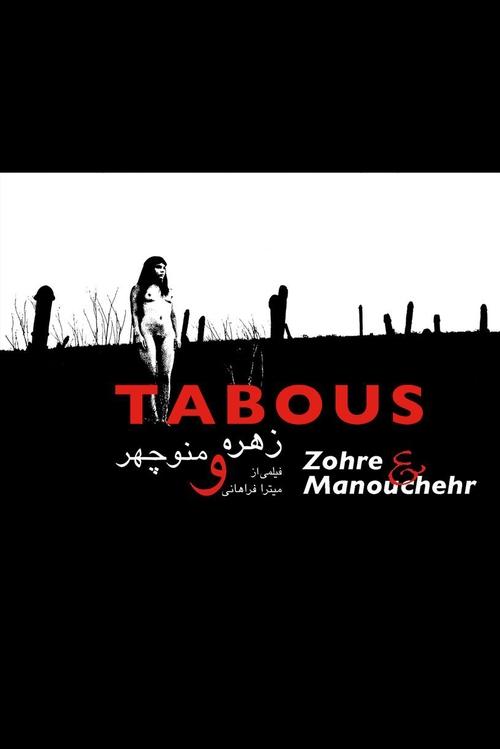
Filmmaker Mitra Farahani portrays love and sex in today’s Iran. One part fiction and one part documentary, the film was shot secretly and is banned in its native country.
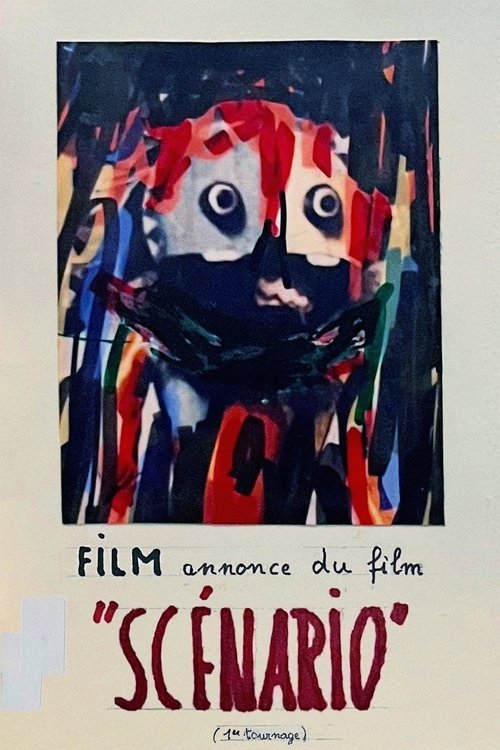
A final meeting with Jean-Luc Godard. This documentary shows the filmmaker preparing Scénario, his unfinished testamentary film, before closing with a moving scene: the final appearance of a genius driven to the very end by a love of cinema. Consists of Exposé du film annonce du film “Scénario” and Scenarios combined together for TV.
Axèle is a photographer, Camille is a writer. They have been awarded an arts residency at the Villa Medicis in Rome. Camille is accompanied by her husband, the famous writer Marc Landré. When a strange rivalry takes shape between them, Camille bonds with Axèle. But who is Axèle really ? A total artist, who never compromises and confuses herself with her oeuvre ? Or a ghost ? This year at the Villa Medici, where bodies and souls free themselves, no one will come out unscathed.
"We should start with a correspondence, maybe we will not correspond to one another. Ebrahim can send me a letter this Friday, and I'll answer him next Friday. So, see you Friday, Robinson!" And so, Jean-Luc Godard stages himself in his daily thought, wisely desperate, and sends images and words from Switzerland to the other side of the Channel. In his mansion in Sussex, Ebrahim Golestan tries to decode these UFO-messages and skilfully seeks to bring them back to the appearance of reason. And so on, until the day a veil falls over the two Gods on the run. Does the existence of poets still have any meaning in these times of distress?
Bahman Mohassess was a celebrated artist at the time of the Shah. Trained in Italy, he created sculptures and paintings in his homeland. But audiences often took offence at the pronounced phalli on his mostly naked bronze figures and his work was regularly censored. All traces of him were lost after the revolution. It was said he destroyed his remaining paintings and disappeared.
After Saddam Hussein's removal from power, Iranians rushed to cross the unguarded border with Iraq to visit the shrines of Shi'ism in Karbala and Najaf.
In October 2021, Jean-Luc Godard presented his idea for Scénario, a 6 chapter feature film combining still and moving images, halfway between reading and seeing.
Tehran, October, 2000. One year ago, Morvarid lived as a man. Since her operation, she lives her femininity shielded from glances, between the four walls of her apartment. For the first time, she is covered with a chador and gets ready to go out as a woman: we are to follow her metamorphosis. How, in a country as Iran, can one have the will to be a woman?