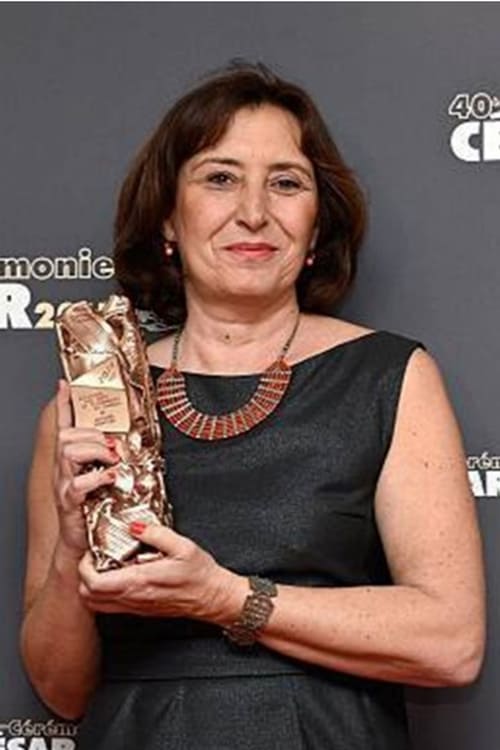
Nadia ben Rachid
Editing
Known For
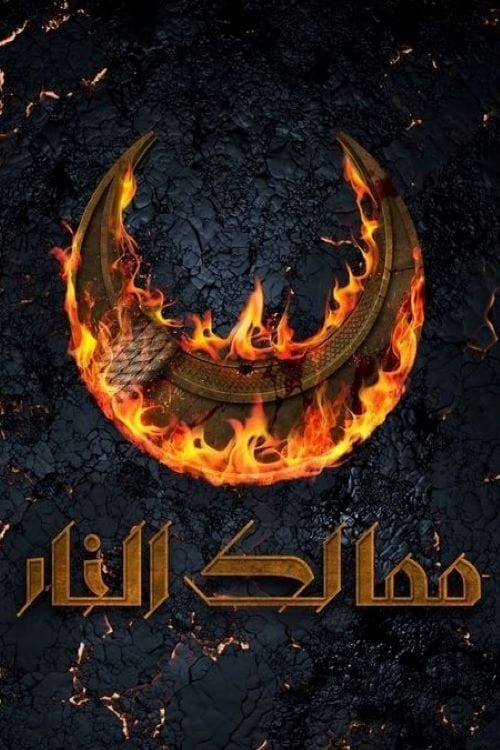
A historical look on the last days of the Mamluk Sultanate before its fall to the Ottoman conquest in the 16th century and how Egypt and the Sham were incorporated into the Ottoman empire.
Kingdoms of Fire
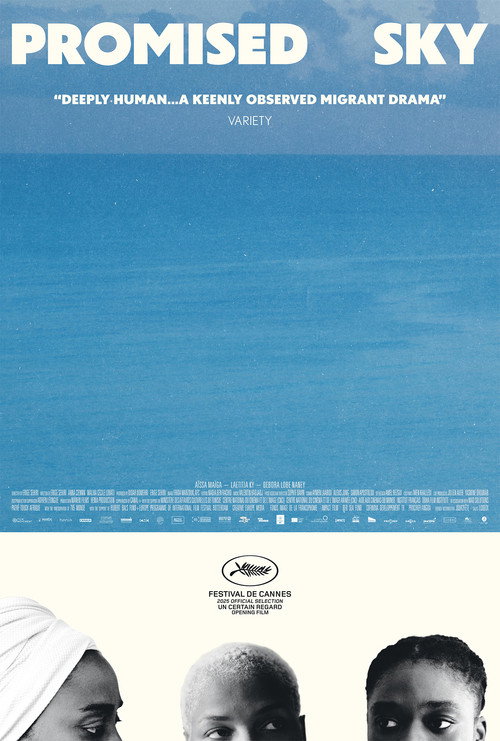
Marie, Naney, and Jolie live together in Tunis, sheltering Kenza, a shipwreck survivor. As this unorthodox family forms, crises make each woman reconsider her place.
Promised Sky
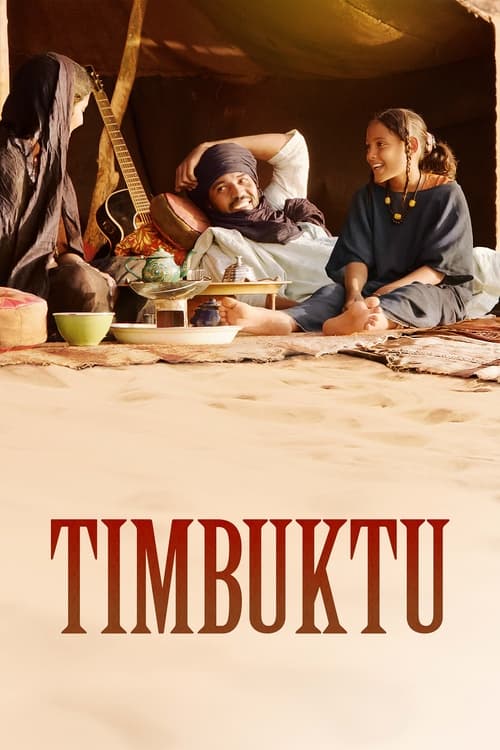
Just outside of the Malian city of Timbuktu, now occupied by militant Islamic rebels who impose the Sharia on civilians and inconvenience their daily life, a cattleman kills a fisherman.
Timbuktu

Aya, a young Ivorian woman in her early thirties, says no on her wedding day, to everyone’s astonishment. After emigrating to Asia, she works in a tea export shop with Cai, a 45-year-old Chinese man. Aya and Cai fall in love but can their affair survive the turmoil of their past and other people’s prejudices?
Black Tea

8 shorts centered around 8 themes directed by 8 famous film directors involved and sharing their opinion on progress, on the set-backs and the challenges our planet faces today.
8

When Mariam, a young Tunisian woman, is raped by police officers after leaving a party, she is propelled into a harrowing night in which she must fight for her rights even though justice lies on the side of her tormentors.
Beauty and the Dogs

Caught in the stranglehold of debt and structural adjustment, Africa is fighting for its survival. In the face of disaster, representatives of African society bring an action against international financial institutions. The trial takes place in Bamako, in the yard of a house, among its inhabitants.
Bamako
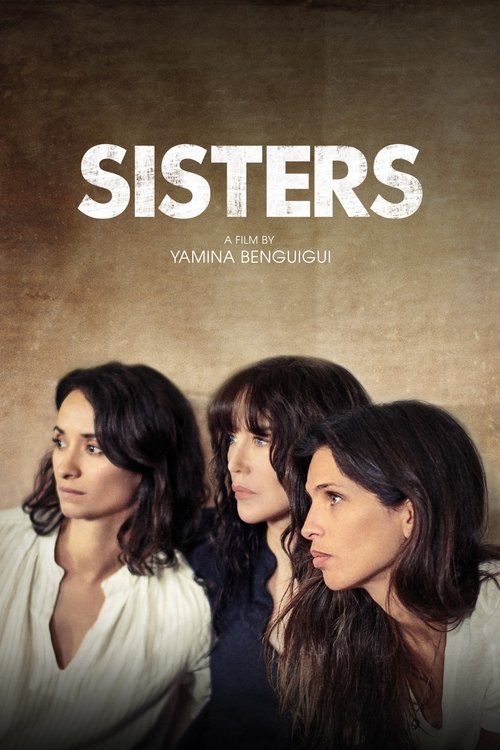
For thirty years, French-Algerian sisters Zorah, Nohra and Djamila have been living in the hope of finding their brother Rheda, abducted by their father, and hidden in newly decolonised Algeria. Their relationship is shaken when Zorah, the eldest sister, decides to write a play based on the traumatising events of their childhood that haunted them their whole life. But when they learn that their father is dying, the three sisters decide to go to Algeria to seize their last opportunity to have him reveal where their brother is. When the past catches up, the three sisters have no choice but to put their differences aside.
Sisters
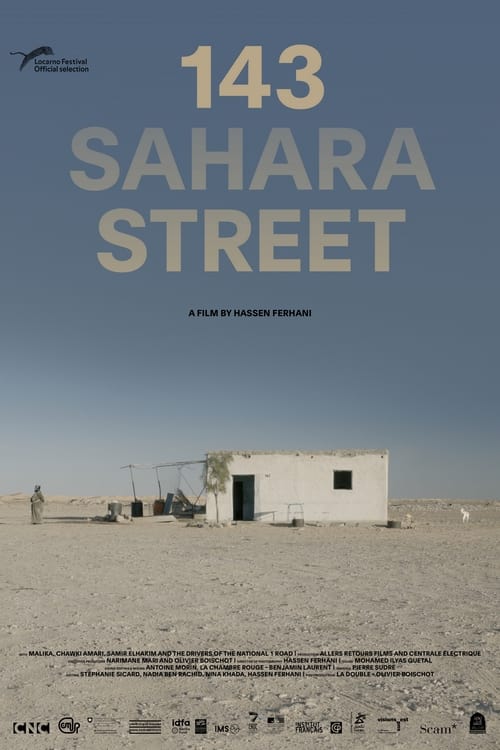
Alone in a small white house on the edge of national road 1, the Trans-Saharan road, which connects Algiers to Tamanrasset crossing the immensity of the desert, Malika, 74, one day opened her door to the director Hassen Ferhani, who came there to scout with his friend Chawki Amari, journalist at El Watan and author of the story Nationale 1 which relates his journey on this north-south axis of more than 2000 km. The Malika of Amari's novel, which Ferhani admits to having first perceived as a "literary fantasy", suddenly takes on an unsuspected human depth in this environment naturally hostile to man. She lends herself to the film project as she welcomes her clients, with an economy of gestures and words, an impression reinforced by the mystery that surrounds her and the rare elements of her biography which suggest that she is not from the region, that she left the fertile north of Algeria to settle in the desert where she lives with a dog and a cat.
143 Sahara Street

A film within a film, "Looking for Oum Kulthum" is the plight of an Iranian woman artist/filmmaker living in exile, as she embarks on capturing the life and art of the legendary female singer of the Arab world, Oum Kulthum. Through her difficult journey, not unlike her heroine's, she has to face the struggles, sacrifices and the price that a woman has to pay if she dares to cross the lines of a conservative male dominated society.
Looking for Oum Kulthum
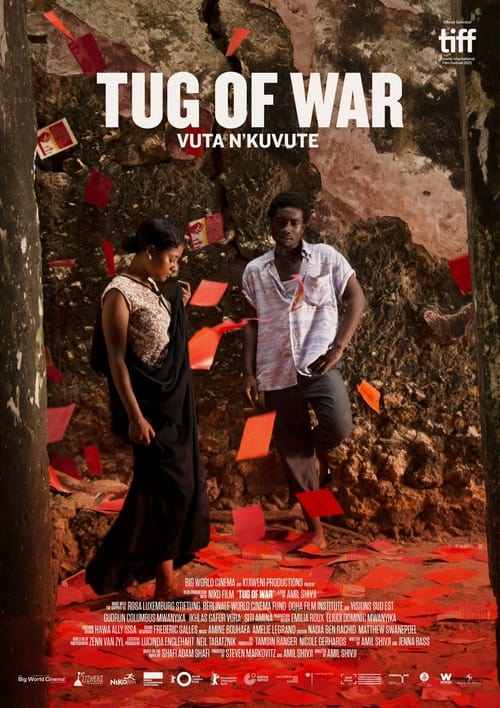
A coming-of-age political love story set in the final years of British colonial Zanzibar. Denge, a young freedom fighter meets Yasmin, an Indian-Zanzibari woman in the middle of the night as she is on her way to be married. Passion and revolution escalate.
Tug of War
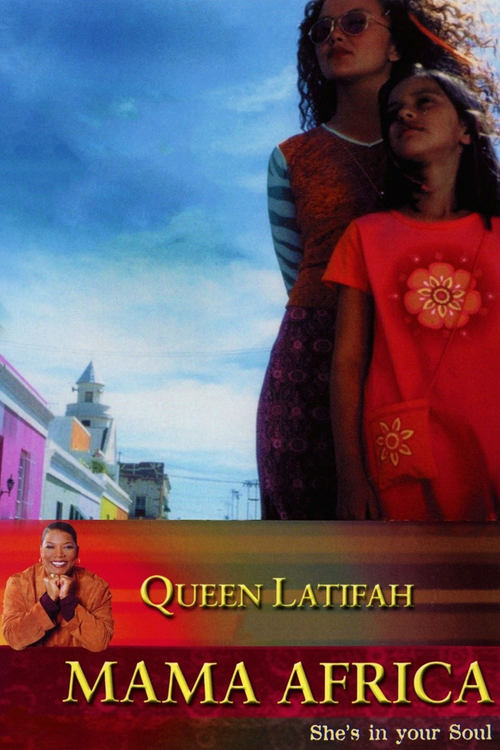
In 1997, six African women pledged that in the first year of the new millennium they would tell their stories, stories by African women. They called their series "Mama Africa" and drew their tales from the depths of their hearts. The result is a groundbreaking initiative bringing together the incredibly fresh talents of six female directors from the vast and diverse continent of Africa.
Mama Africa

On January 31, 1857, the French writer Gustave Flaubert (1821-80) took his place in the dock for contempt of public morality and religion. The accused, the real one, is, through him, Emma Bovary, heroine with a thousand faces and a thousand desires, guilty without doubt of an unforgivable desire to live.
The Emma Bovary Trial
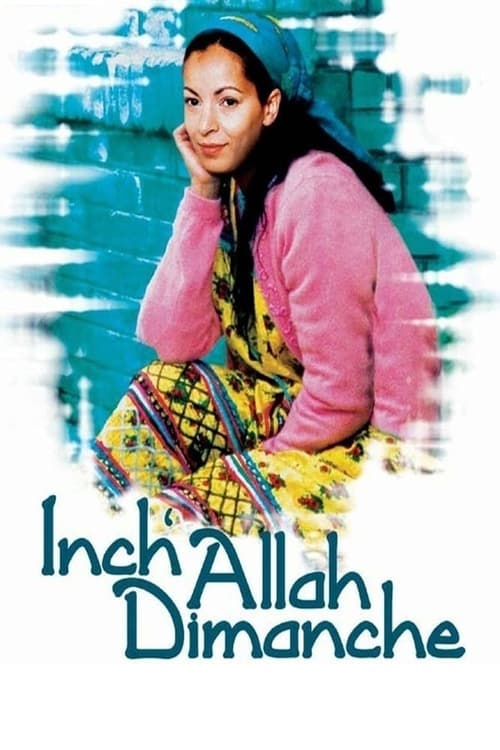
The story of an immigrant woman struggling against old world traditions. Zouina leaves her homeland with her three children to join her husband in France, where he's been living for the past ten years. In a land and culture foreign to her, Zouina struggles against her mother-in-law's tyrannical hand and her husband's distrustful bitterness in an attempt to adjust to her life in exile.
Inch'Allah dimanche
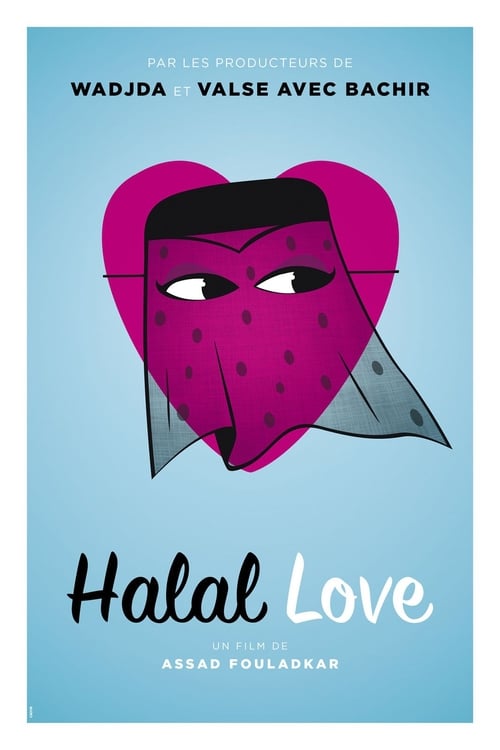
Four tragicomic interconnected stories about how devoted Muslim men and women are trying to manage their love life and desires without breaking any religious rules.
Halal Love

On August 4th, 2020, the catastrophic explosion at the port of Beirut leaves a large part of the Lebanese capital in ruins. In the midst of the chaos, a troubled film crew face an overwhelming decision: to continue the production of their movie or abandon it? As they face the aftermath of the catastrophe, they are torn between their firm belief in the transformative power of cinema and a deep sense of cynicism about its ability to effect change in a nation plagued by economic turmoil and societal collapse. Dancing on the Edge of a Volcano chronicles their struggles and highlights the crew's resilience as they strive to find meaning and purpose in their work amidst the devastation.
Dancing on the Edge of a Volcano
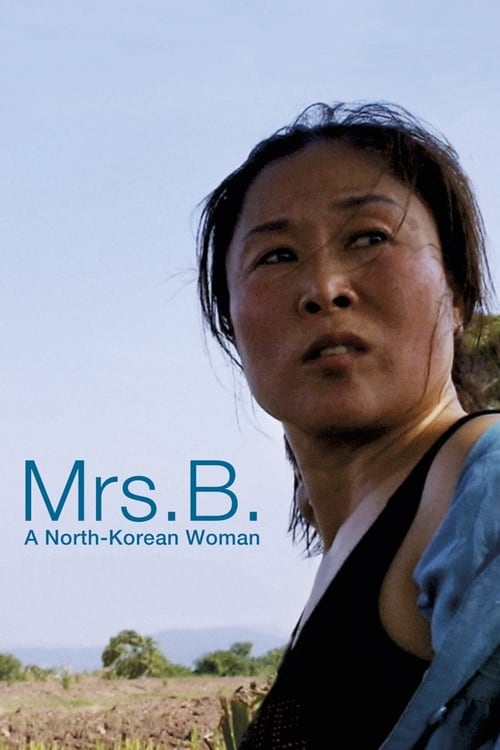
Portrait of Mrs. B., a tough charismatic North Korean woman who smuggles between North Korea, China and South Korea. With the money she gets, she plans to reunite with her two North Korean sons after years of separation.
Mrs. B., a North Korean Woman
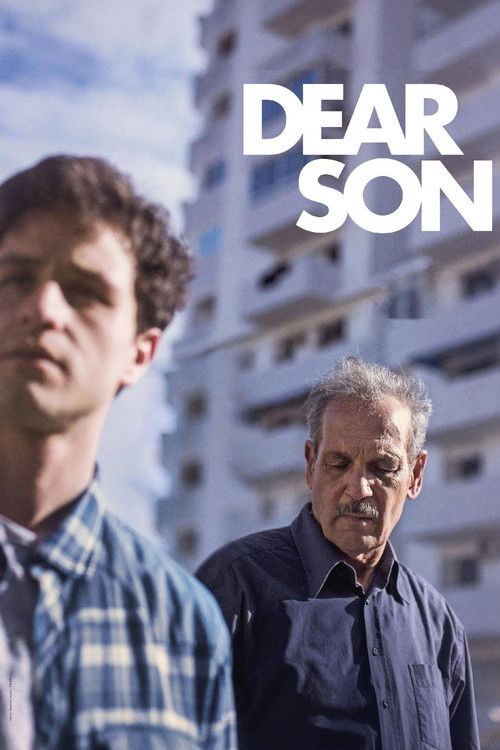
Extremism slices through a Tunisian family with the realization that their teenage son has become an ISIS fighter.
Dear Son
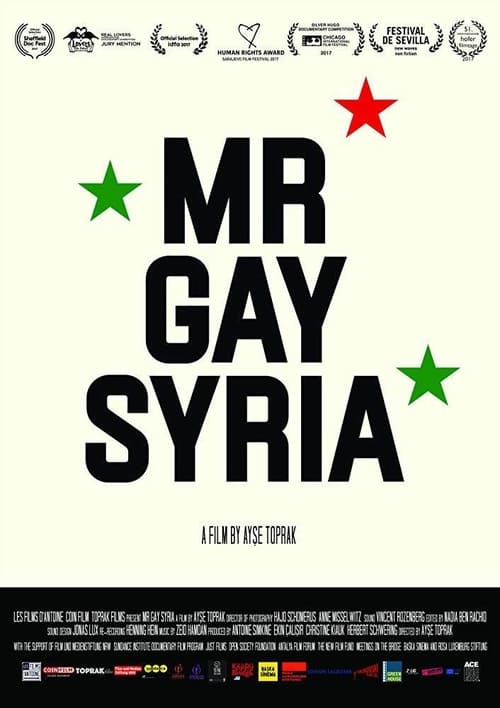
In focusing his attention on the competitors of Mr Gay Syria, director Ayse Toprak shatters the one-dimensional meaning of “refugee”. Using the pageant as a means of escape from political persecution, the organiser Mahmoud — already given asylum in Berlin — hopes to offer the winner a chance to travel as well as bring international attention to the life-threatening situations faced by LGBT Syrians.
Mr. Gay Syria
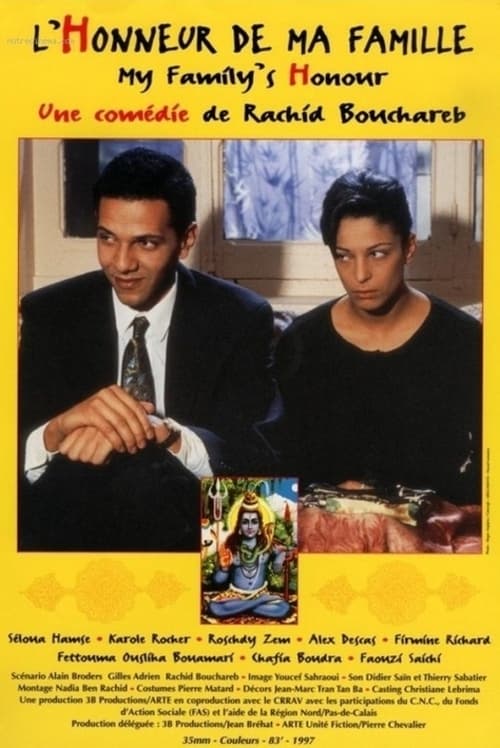
In the nightclub where she works, Carole is dreaming. She has always dreamed of leaving her rainy Roubaix, her heavy guys and her lousy prospects. She is dreaming of Goa, India, where she thinks she will soon move with her friend Nora... She is dreaming about this, when Nora wakes her up with a catastrophic face... Nora, her best friend, who also works at the Emergency, and not at the night emergency room as her parents believe... Nora is sure she is pregnant. From Olivier, a rich son of a local family who had promised her marriage and a mansion.... In fact of promises, he is quick to back out, and only Carole's presence of mind allows them to get money from him, price of his cowardice. A little money moreover, that brings closer to Goa...