Directing
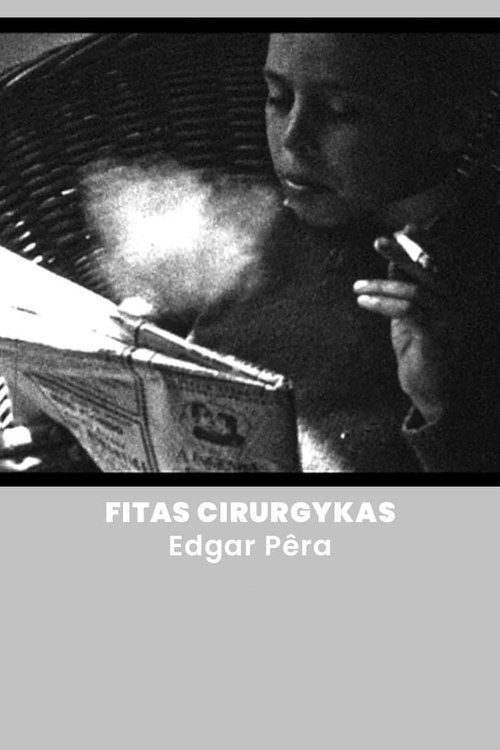
It is with images of Domingos de Oliveira Santos, a surgeon turned filmmaker, that Edgar Pêra composes a mosaic that goes beyond home videos, rushing beyond them.
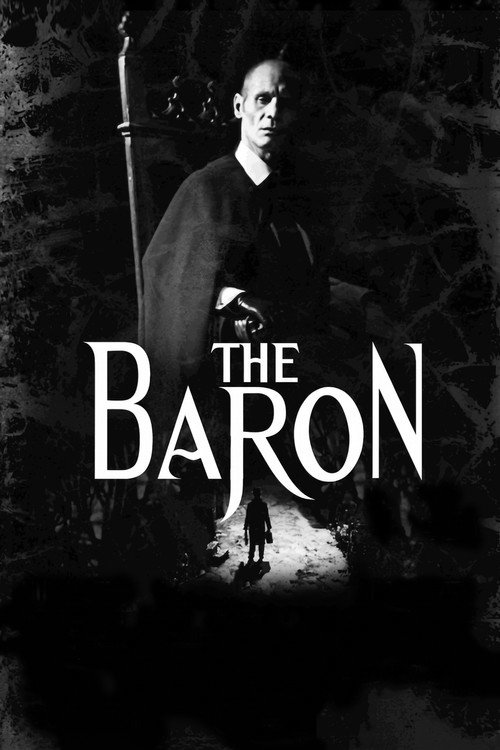
A school inspector travels to the baron’s fiefdom to write a report on a heathen teacher. Having arrived, he is invited to stay with the baron, who makes predictions about women, horses and politics while the mysterious Idalina serves food and drink. The inspector becomes inextricably entangled in the baron’s world.
No description available.
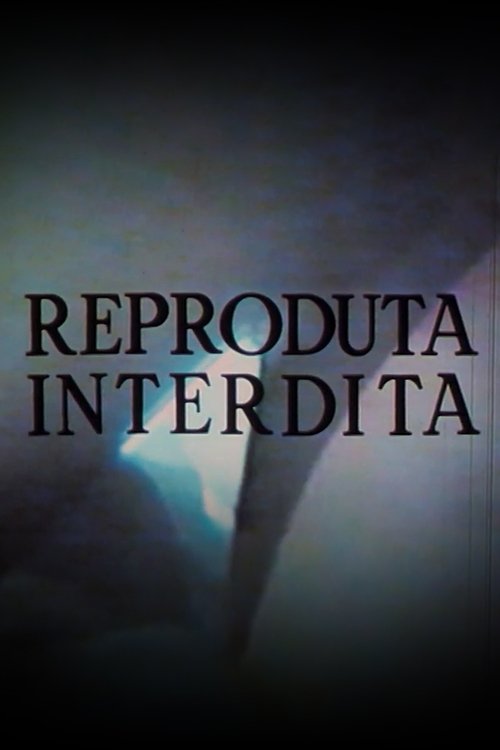
In 1988, Lisbon’s Chiado was ravaged by a fire; now, some of the highest real estate property prices in Portugal are paid for a piece of this Álvaro Siza Vieira-renovated area. Reproduta interdita was one of Pêra’s first (and certainly weirdest) works to deal with the aftermath of this disaster.
Terrence McKenna: "What is real is you and your friends and your associations, your highs, your orgasms, your hopes, your plans, your fears." Aleister Crowley: "I am divided for love's sake, for the chance of union." Pessoa: "We never love anyone. What we love is the idea we have of someone." A music-text-collage-trance.
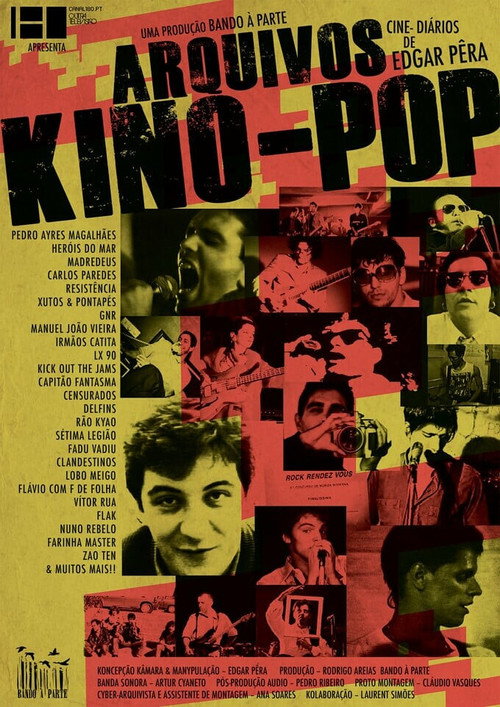
Cine-diaries about rock bands and personalities from the eighties from the archives of Edgar Pêra.
A 14-year-old kid, addicted to videogames, goes with his parents to a shopping mall and separates from them to go to a game store called UTOPYA. He doesn't come back. His parents get in despair, and his father tries everything he can to bring him back.
A movie by Edgar Pêra.
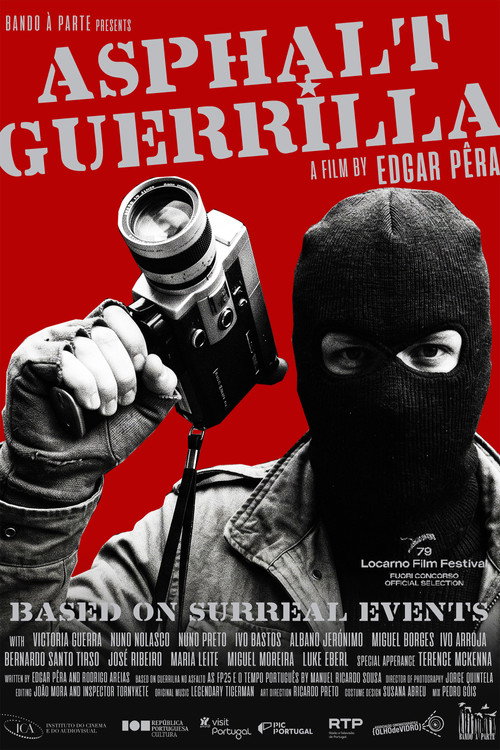
A reserved student joins a radical organization in early 1980s Portugal and is shot and lynched following a bank robbery, while a filmmaker leaves the group to pursue guerrilla-style cinema.
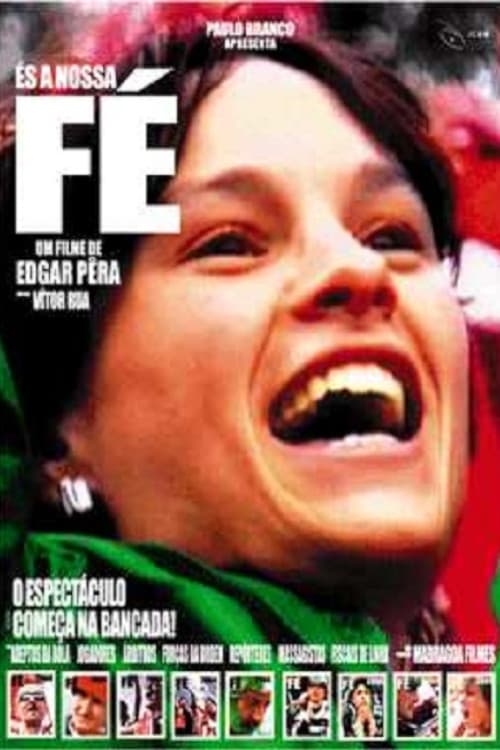
Short documentary about football (soccer) supporters in Portugal
A journey through the 80’s music scene in Portugal, gathering archive material shot and edited by Pêra, showing the filming process of music videos, concerts, band rehearsals and the last concert presented at the Rock Rendez Vous. Echoing the revolution, art is, at last, in its free form.
On All Saint’s Day 1755, around 09:40 hours, Lisbon was hit by an earthquake which eradicated almost the entire city. 345 years later (D.T. = depois de terramoto) means 2100 AD. Will Portugal’s capital be a Garden of Earthly Delights when we reach the year 2100? Pêra’s animation classic provides unexpected (in)sights about it.
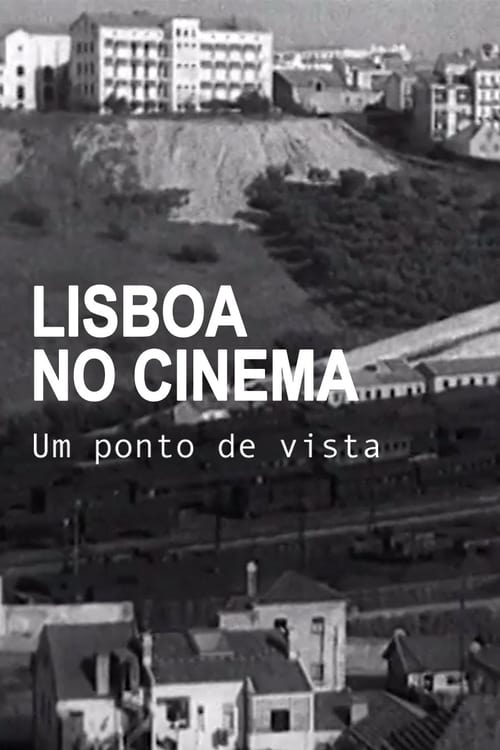
The city during the beginning of cinema. The typical city at the time of the dictatorship. The New Lisbon of the New Cinema. Lisbon after the Revolution. The white city of foreigners. A geographical and moviegoer screenplay of Lisbon through the images of films and testimonies of several filmmakers who filmed in Lisbon.
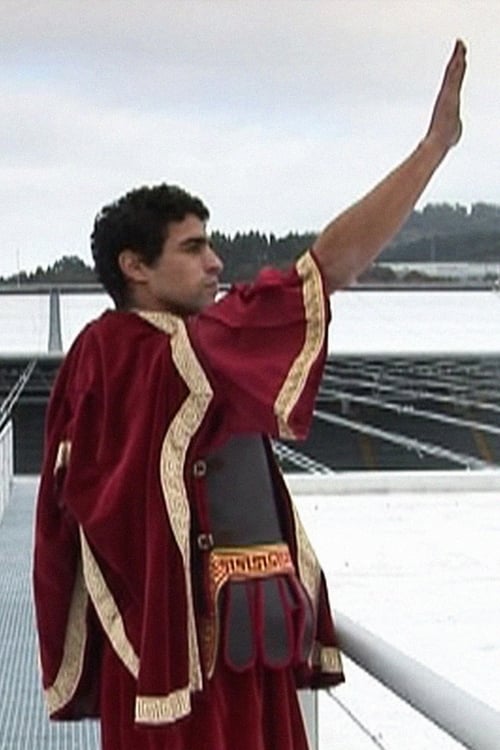
Braga’s Estádio Municipal was erected for the EURO 2004 championships. So can it be a surprise that the first association this all-seater arena provokes is a Roman circus, with a disconcerting Estado Novo-finish? Is FIFA therefore the Quinto Império realized, and its former president Sepp Blatter The Hidden One having an identity crisis?
José Carlos Fernandes is one of the most original Portuguese comic book authors. He has published more than 30 books, particularly the award-wining series A Pior Banda do Mundo. Some of these books have been translated in several languages, and his works have been exhibited at international comic book festivals.
Tommi Musturi is one of today’s most complex comic book authors. Much like a chameleon, this artist employs different illustration styles to create comics without ever losing his creative identity. Same as Pessoa, who granted his heteronyms different styles, Musturi makes use of a variety of languages according to the issue at stake.
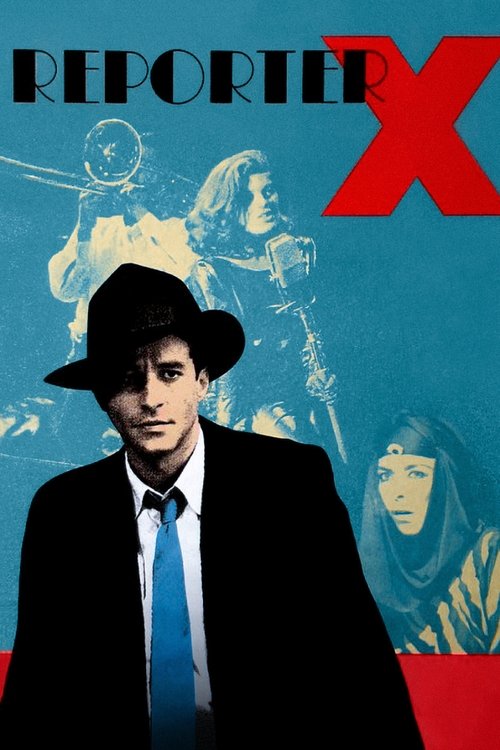
A story about character created by Reinaldo Ferreira (1897-1935), action reporter, mystery novelist and emotion journalist.
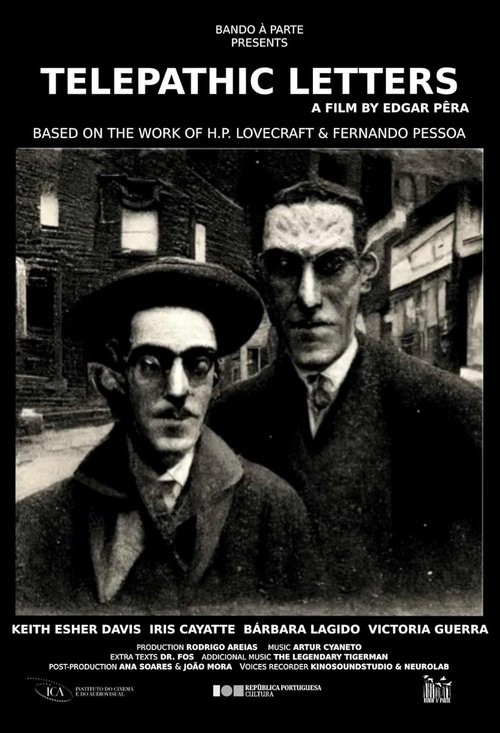
Lovecraft and Pessoa were among the most influential writers of the 20th century. Cartas Telepáticas is a film, created with AI images, that explores the invisible links between the unique points of view of these two authors
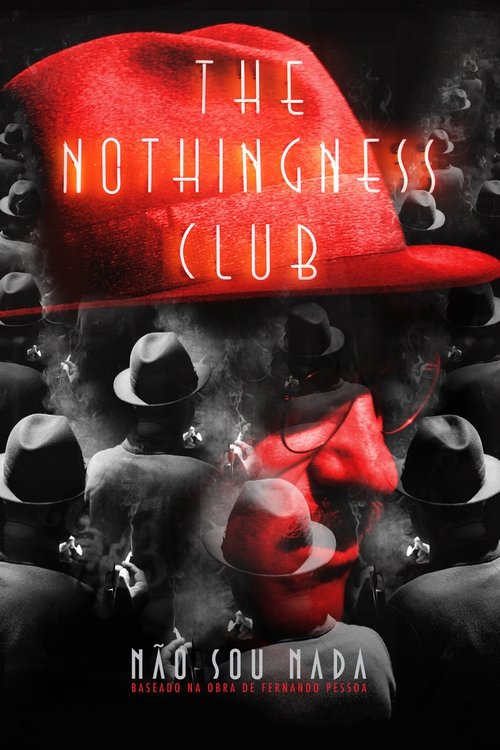
Pessoa famously published under many heteronyms: around 75 different names, each with fully fleshed-out backgrounds, styles, appearances and philosophies. Taking this a step further, Não Sou Nada gives flesh to these characters, all working together under Pessoa, enacted by Miguel Borges, at the publishing house The Nothingness Club.