Directing
No description available.
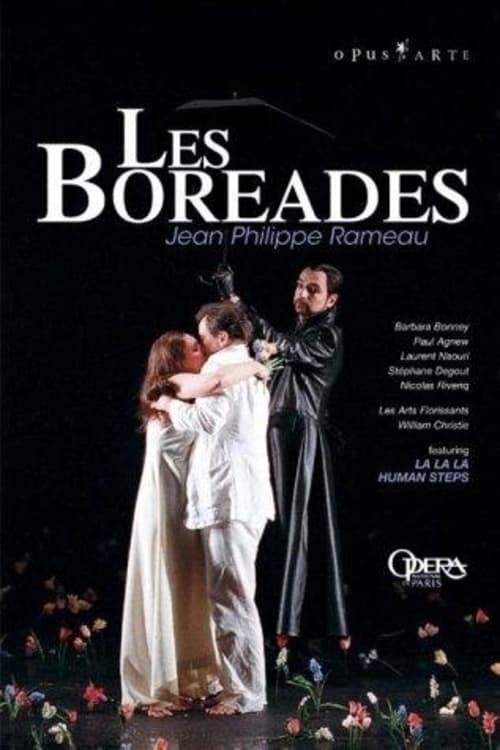
Director Robert Carsen and his creative team flood the stage with summer blossoms, drifts of autumn leaves, winter snows and thunderous spring storms. The cast of 140 are attired in elegant costumes inspired by late 1940s Dior. This mythical tale of a young queen, Alphise, determined to abdicate rather than contemplate an enforced marriage to a descendant of Boreas, is nothing less than highly-charged.
Thomas Grimm's first documentary about the East Berlin-based youth club "Friedrichsfelde Ost".
Documentary about the life and career of Karl-Eduard von Schnitzler, presenter and creator of the infamous GDR propaganda programme 'Der Schwarze Kanal' ('The Black Channel').
Thomas Grimm's second documentary about the East Berlin-based youth club "Friedrichsfelde Ost".
A look at naturism on the island of Rügen, Germany.
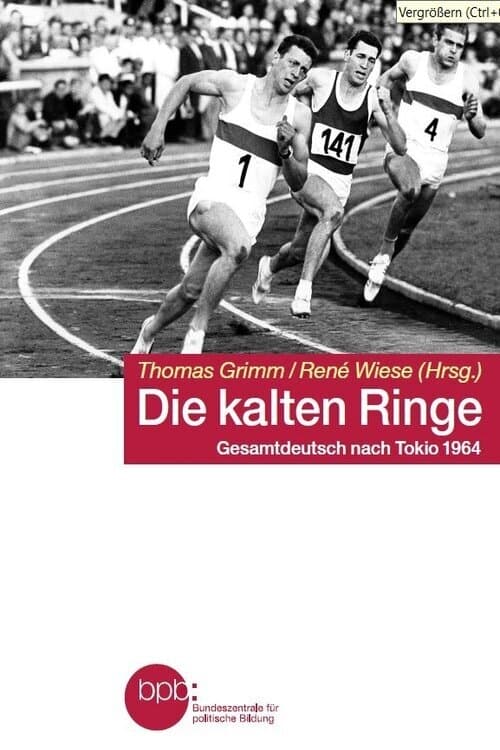
19 years after the dropping of atomic bombs in Japan, the Olympic Games of 1964 took place in Tokyo. In the midst of the cold war, the games are supposed to become a symbol for a peaceful world. Especially the divided Germany is expected to prove this: By order of the IOC, both German states must participate in Tokyo with a joint team despite deep ideological rifts. The fact that athletes from both German states still had to compete against each other in order to form a joint team for the 1964 Olympic Games in Innsbruck and in Tokyo is all but forgotten. The film tells the story of the East-West German team of 1964 for the first time and is simultaneously a current document about the relation of sports and politics in international relations.
On October 18, 1989, the SED Central Committee confirms the dismissal of Erich Honecker. The documentary tells the story of the last months of the Politburo, of the demise of the GDR's most important organ of power, from spring 1989 to early 1990.