FEEL IT.STREAM
Butterfly McQueen

Butterfly McQueen

Acting

Biography

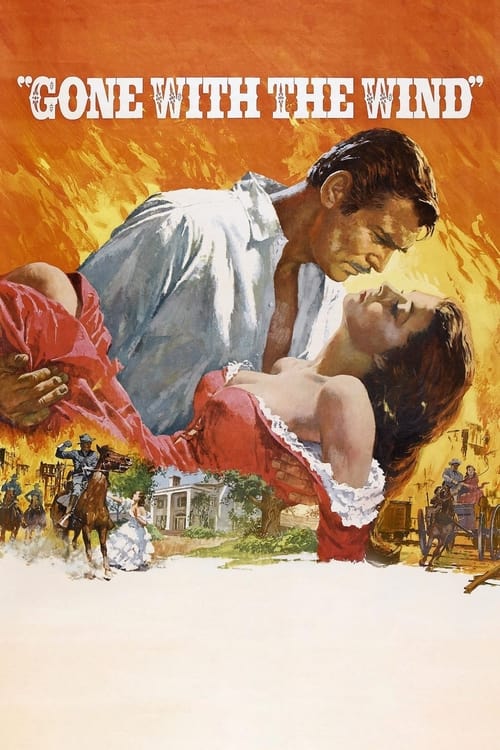
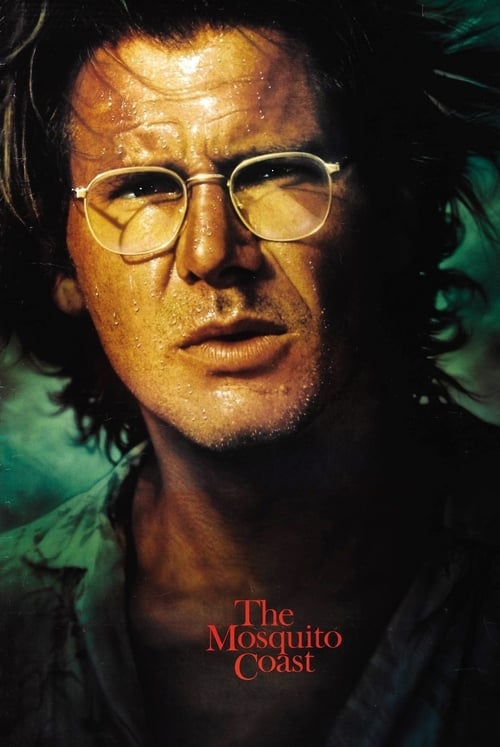
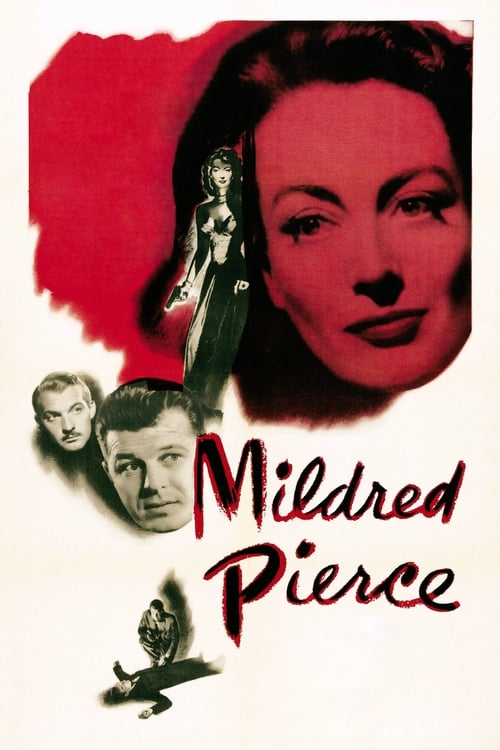
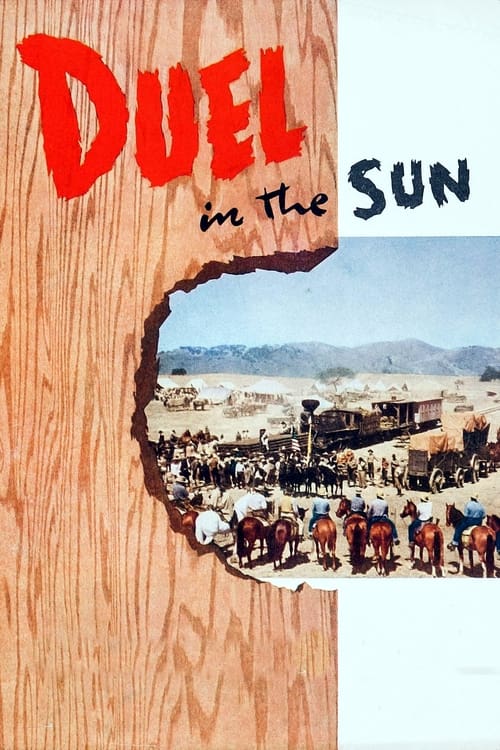
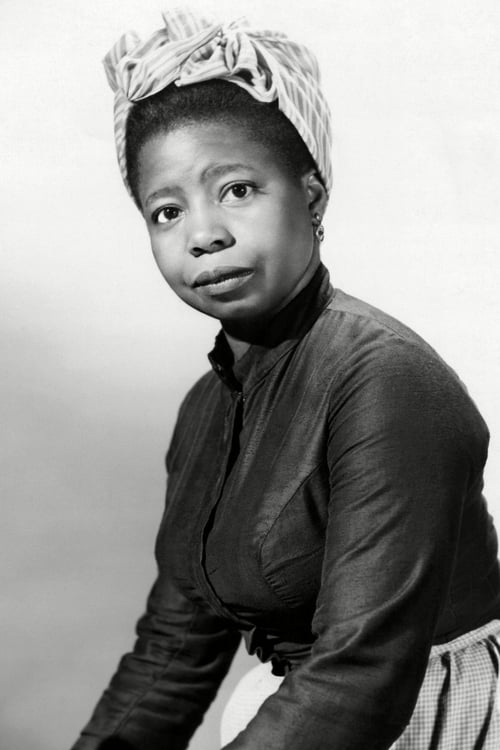
Thelma "Butterfly" McQueen was an American actress. Originally a dancer, McQueen first appeared in film in 1939 as Prissy, Scarlett O'Hara's maid, in the film Gone with the Wind. She was unable to attend the movie's premiere because it was held at a whites-only theater. Often typecast as a maid, she said: "I didn't mind playing a maid the first time, because I thought that was how you got into the business. But after I did the same thing over and over, I resented it. I didn't mind being funny, but I didn't like being stupid.] She continued as an actress in film in the 1940s, and then moved to television acting in the 1950s. McQueen was appearing on the Broadway stage in the comedy What a Life in 1938 when she was spotted by Kay Brown, talent scout for David O. Selznick, then in pre-production for Gone With the Wind (eventually released in 1939). Brown recommended that McQueen audition for the film. After Selznick saw her screen test, he never considered anyone else and McQueen was cast in the role that would become her most identifiable – "Prissy", a simple-minded house maid. She uttered the famous words: "Oh, Miss Scarlett! I don't know nothin' 'bout birthin' babies!" Her distinctive, high-pitched voice was noted by a critic who described it as "the itsy-little voice fading over the far horizon of comprehension". While the role is well known to audiences, McQueen did not enjoy playing the part and felt it was demeaning to African-Americans. She also played an uncredited bit part as a sales assistant in The Women (1939), filmed after Gone with the Wind but released before it. She also played Butterfly, Rochester's niece and Mary Livingstone's maid in the Jack Benny radio program for a time during World War II. She appeared in an uncredited role in Mildred Pierce (1945) (where she had a good amount of screen time) and played a supporting role in Duel in the Sun (1946). By 1947, she had grown tired of the ethnic stereotypes she was required to play and ended her film career. During World War II, McQueen frequently appeared as a comedian on the Armed Forces Radio Service broadcast Jubilee. Many of these broadcasts are available on the Internet Archive. From 1950 until 1952 she was featured in another racially stereotyped role on the television series Beulah. She played Beulah's friend Oriole, a character originated on radio by Ruby Dandridge, who would then take over the TV role from McQueen in 1952-53. In a lighter moment, she appeared in a 1969 episode of The Dating Game. Offers for acting roles began to dry up around this time, and she devoted herself to other pursuits including political study. She received a bachelor's degree in political science from City College of New York in 1975.[1] McQueen played the character of Aunt Thelma, a fairy godmother, in the ABC Weekend Special episode "The Seven Wishes of Joanna Peabody" (1978) and the ABC Afterschool Special episode "Seven Wishes of a Rich Kid" (1979); her performance in the latter earned her a Daytime Emmy Award for Outstanding Individual Achievement in Children's Programming. She had one more role of substance in the 1986 film The Mosquito Coast.
Known For

The Mike Douglas Show
5.8

The Mike Douglas Show is an American daytime television talk show hosted by Mike Douglas that originally aired only in the Cleveland area during much of its first two years on the air. It then went into syndication in 1963 and remained on television until 1982. It was distributed by Westinghouse Broadcasting and for much of its run, originated from studios of two of the company's TV stations in Cleveland and Philadelphia.

The Mike Douglas Show

1961
Studio One
5.4

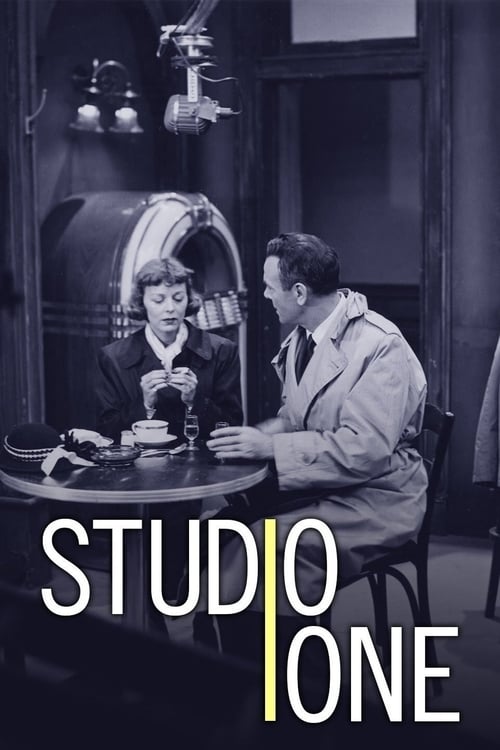
An American radio–television anthology series, created in 1947 by Canadian director Fletcher Markle, who came to CBS from the CBC. Studio One, presented by Westinghouse, was one of the first of the anthology TV programs. The episodes were often abridged remakes of movies from years gone by and many future well-known television and movie actors appeared in the productions.

Studio One

1948
Gone with the Wind
7.9

The spoiled daughter of a Georgia plantation owner conducts a tumultuous romance with a cynical profiteer during the American Civil War and Reconstruction Era.

Gone with the Wind

1939
No image
6.7

Lux Video Theatre is an American anthology series that was produced from 1950 until 1959. The series presented both comedy and drama in original teleplays, as well as abridged adaptations of films and plays.

Lux Video Theatre

1950
Mildred Pierce
7.6

A hard-working mother inches towards disaster as she divorces her husband and starts a successful restaurant business to support her spoiled daughter.

Mildred Pierce

1945
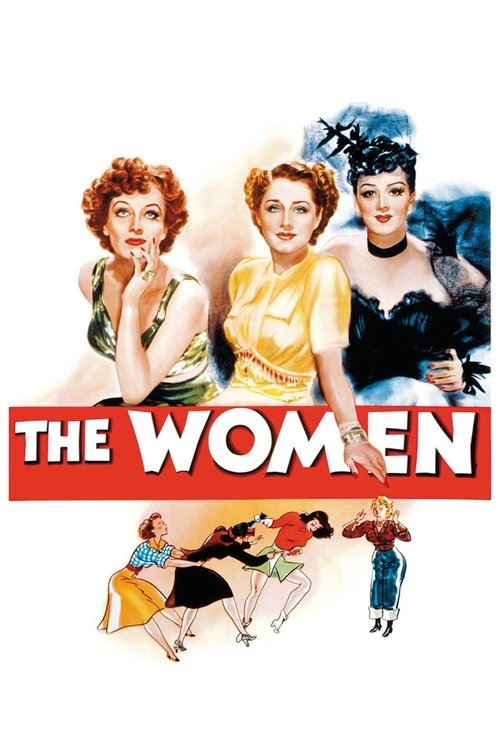
The Women
7.2

A happily married woman lets her catty friends talk her into divorce when her husband strays.

The Women

1939
Duel in the Sun
6.4

Beautiful half-breed Pearl Chavez becomes the ward of her dead father's first love and finds herself torn between her sons, one good and the other bad.

Duel in the Sun

1946
The Mosquito Coast
6.4

An inventor spurns his city life and moves his family into the jungles of Central America to make a utopia.

The Mosquito Coast

1986
The Adventures of Huckleberry Finn
6.6

Adventurous Huck Finn prefers rafting on the Mississippi River rather than being a part of civilization.

The Adventures of Huckleberry Finn

1986
Since You Went Away
6.6

In 1943, several people enter, re-enter, and exit the difficult life of a Midwestern family whose patriarch has been called up to war, leaving behind his wife and two teen daughters.

Since You Went Away

1944
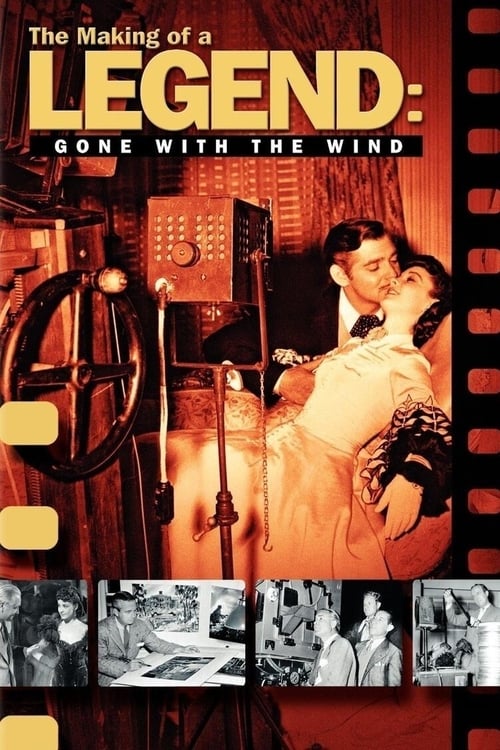
The Making of a Legend: Gone with the Wind
8.2

This documentary revisits the making of Gone with the Wind via archival footage, screen tests, insightful interviews and rare film footage.

The Making of a Legend: Gone with the Wind

1988
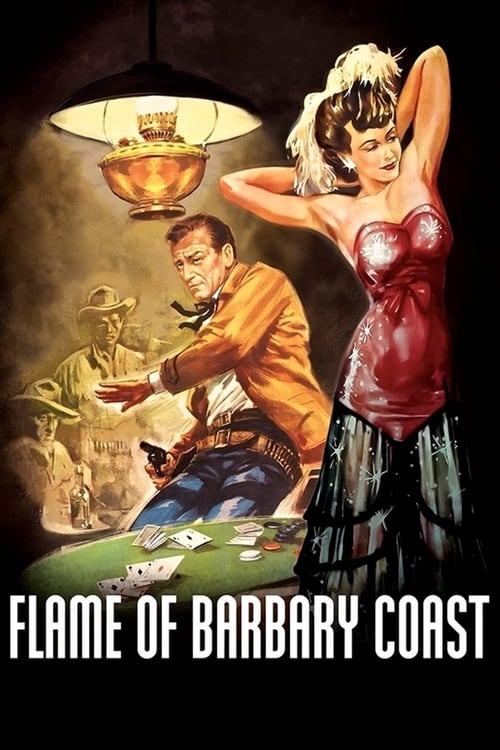
Flame of Barbary Coast
5.5

Duke Fergus falls for Ann 'Flaxen' Tarry in the Barbary Coast in turn-of-the-century San Francisco. He loses money to crooked gambler Boss Tito Morell, goes home, learns to gamble, and returns. After he makes a fortune, he opens his own place with Flaxen as the entertainer; but the 1906 quake destroys his place.

Flame of Barbary Coast

1945
The Phynx
3.7

A rock band is invented by the government as a cover to find hostages in a remote castle in Albania held by communist enemies of the USA.

The Phynx

1970
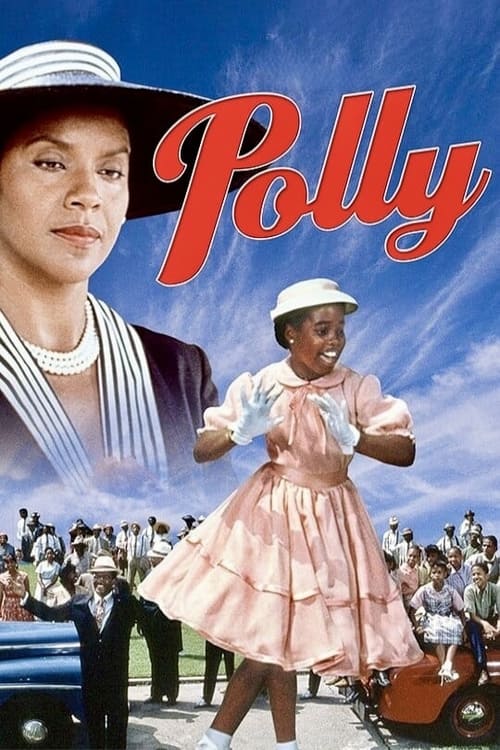
Polly
8.2

An musical adaptation of the book "Pollyanna" set in the 1950's in which an orphan tries to use gladness to unite the people in a small southern town.

Polly

1989
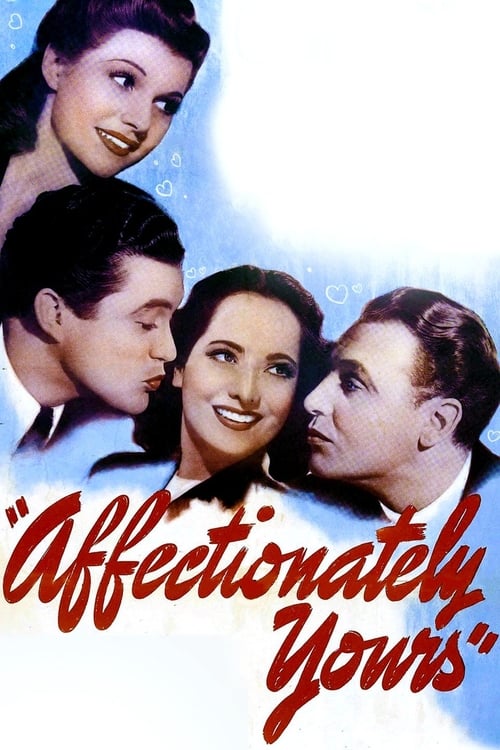
Affectionately Yours
4.5

A married reporter's assignments carry him all over the world, which gives him ample opportunity to put the moves on the local females.

Affectionately Yours

1941
I Dood It
4.8

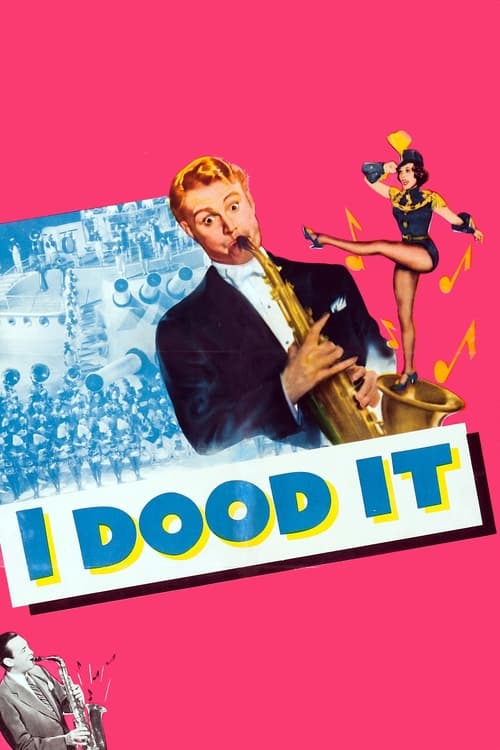
Constance Shaw, a Broadway dance star, and Joseph Rivington Reynolds, a keen fan of hers, marry after she breaks up with her fiancé. Connie thinks Joseph owns a gold mine, but he actually works as a presser at a hotel valet shop. When everyone learns what he really is, Joseph is banned from the theater. When he sneaks in again, he learns of a plot to set off a bomb in the adjoining munitions warehouse.

I Dood It

1943
Amazing Grace
6.8

A widow tries to influence the local mayoral election in Baltimore, Maryland, after she discovers that a black candidate is being used by the incumbent mayor to further his own reelection efforts.

Amazing Grace

1974
Cabin in the Sky
6.5

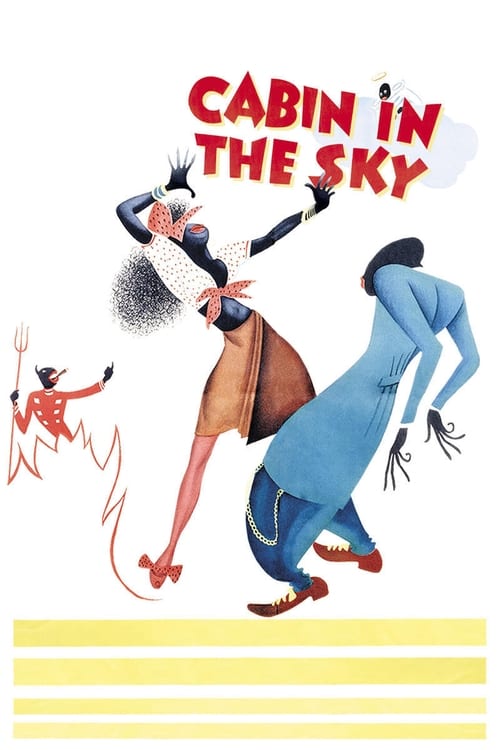
When compulsive gambler Little Joe Jackson dies in a drunken fight, he awakens in purgatory, where he learns that he will be sent back to Earth for six months to prove that he deserves to be in heaven. He awakens, remembering nothing and struggles to do right by his devout wife, Petunia, while an angel known as the General and the devil's son, Lucifer Jr., fight for his soul.

Cabin in the Sky

1943
Killer Diller
5.3

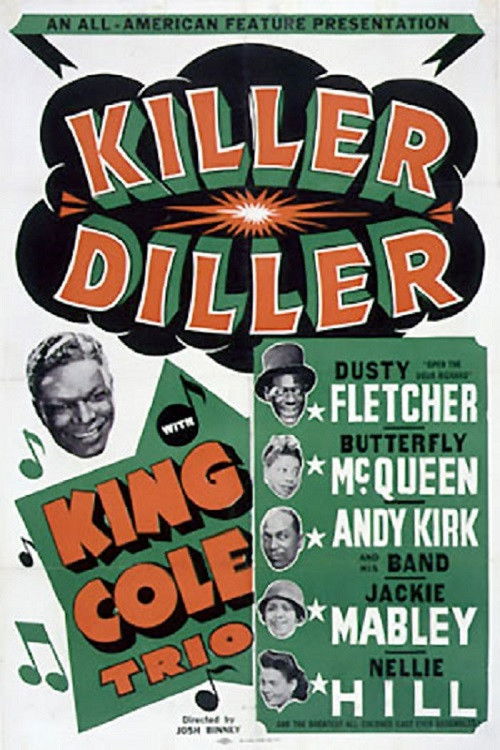
An all-Black comedy and dance revue with stars of stage and screen.

Killer Diller

1948