Acting
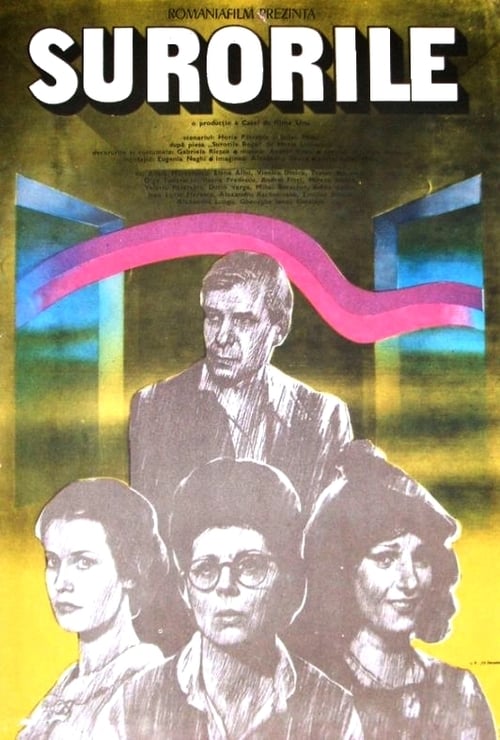
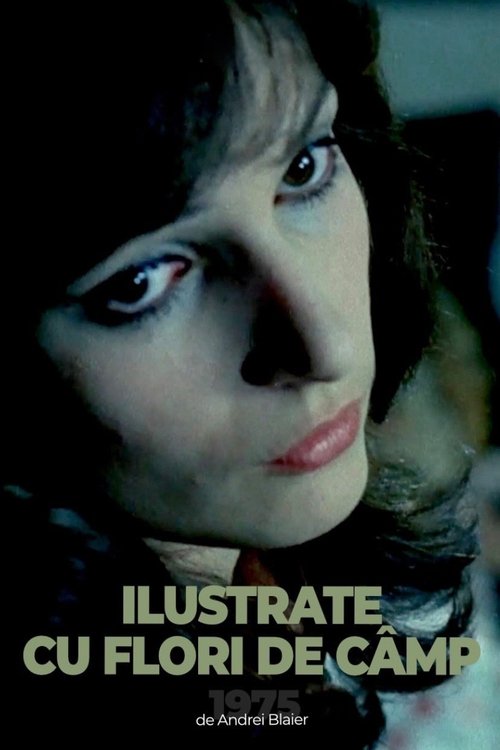
Three sisters that had a tranquil life in a town suffer dramatic life changes at the end of WW2.
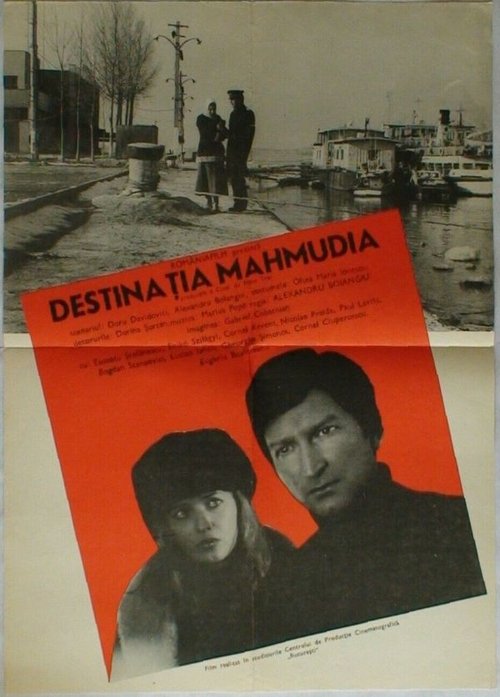
The out-of-time ambiance of Sulina/Europolis between wars is shaken up by the arrival of a former local from America.
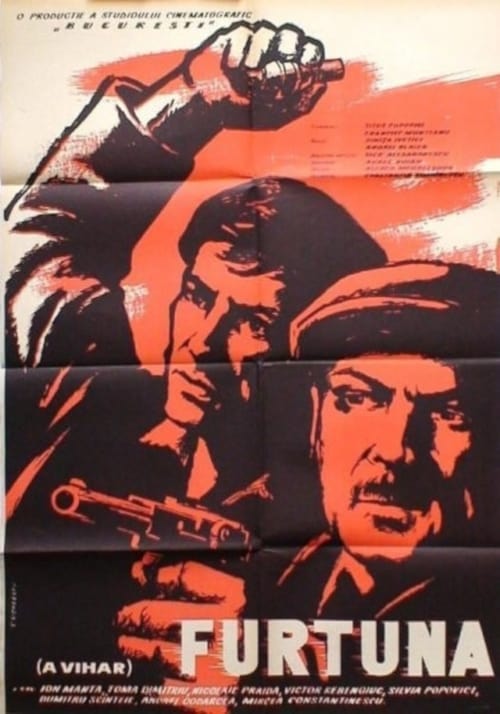
The Nazi troops are retreating from Romania. On a wester town, they have to be held back until some strategic trains can leave the train station.
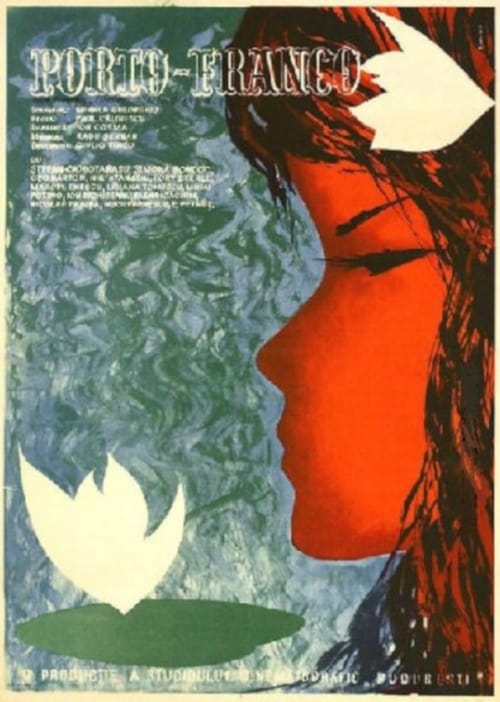
In a small village in the Danube Delta, where traditions are confronted with new material purposes, a teenage girl is becoming a woman. This is the story of Ryna, a 16-year-old girl working as a motor mechanic in Sulina, who strives to find her identity next to a father who is firmly denying her femininity.
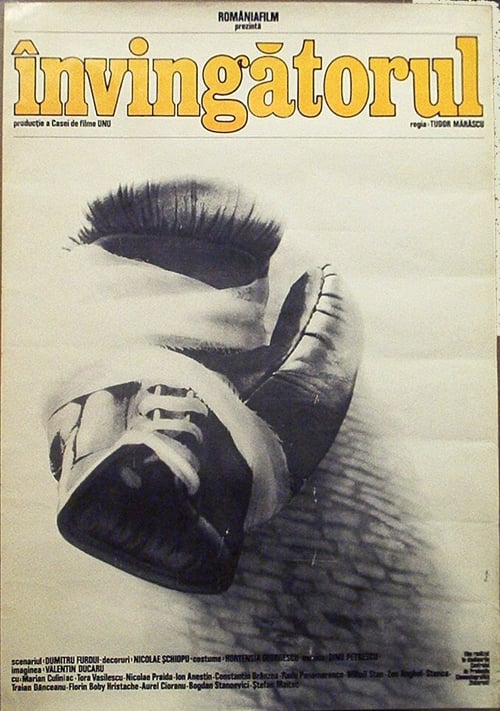
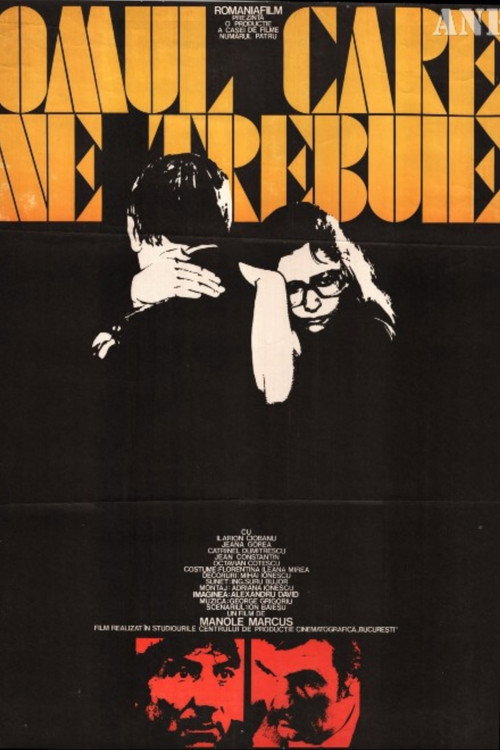
A successful boxer has a difficult time due to the fact that his family feels neglected.
An epic love story set during the troubled moments of Romanian history that culminate in the Great Union of Alba Iulia.
Poland is invaded by Nazi Germany and entrusts the national treasure to Romania. In September 1939, the Romanian government thus took an enormous risk.
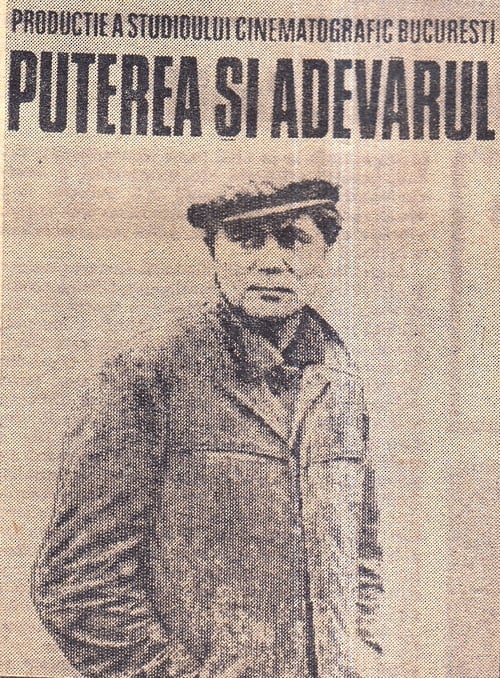
This is a communist propaganda movie that follows the life of an engineer who is in conflict with power hungry apparatchiks.
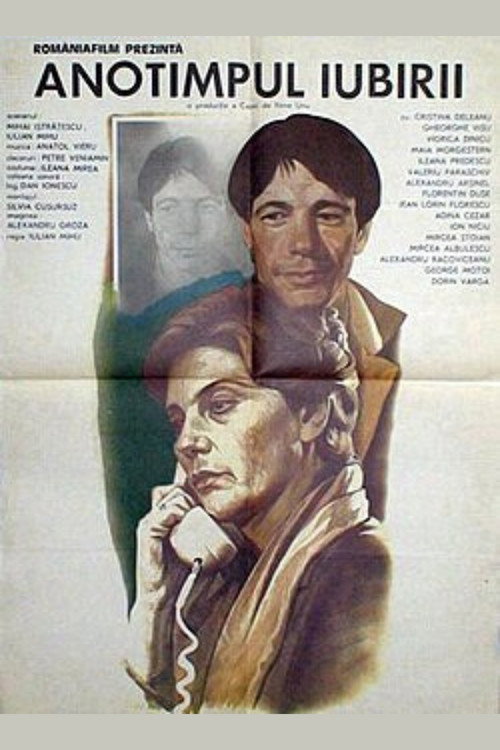
A village celebrates being granted the title of city. During the festivity an old, sick, beat down man shows up. No one seems to recognise him but he claims to be a villager that everyone thought had died in the war 30 years earlier.
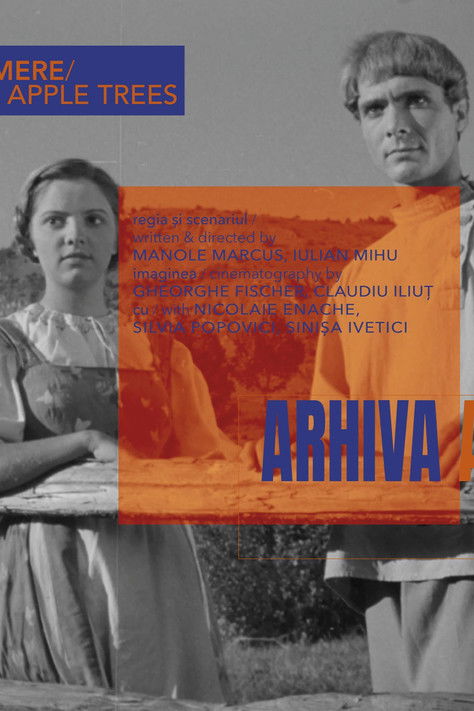
"The Apples" (1955) is the graduation film of two of the most important directors of the following decades, Iulian Mihu and Manole Marcus, and shows a young couple mocked by a nobleman because they had stolen some apples from his estate.
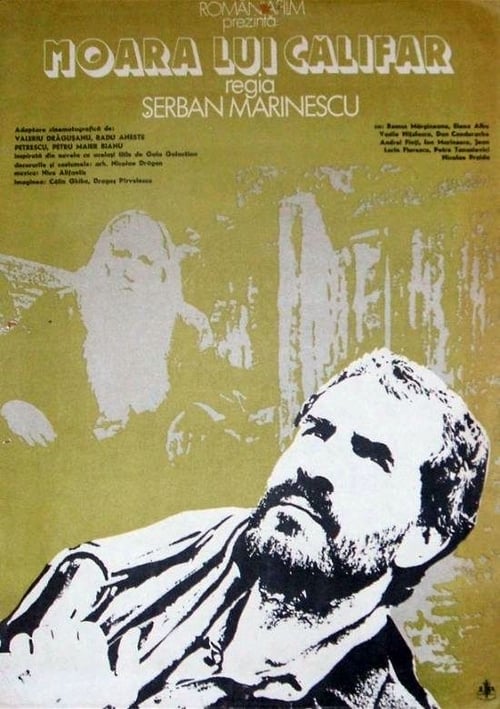
Stoica, a poor man from a small village, asks for Călifar's help to make him rich. Călifar deceives him, offering him only a vision which seems very real for Stoica.
The action of the movie take place in a factory and presents the conflicts between one engineer and some young workers.
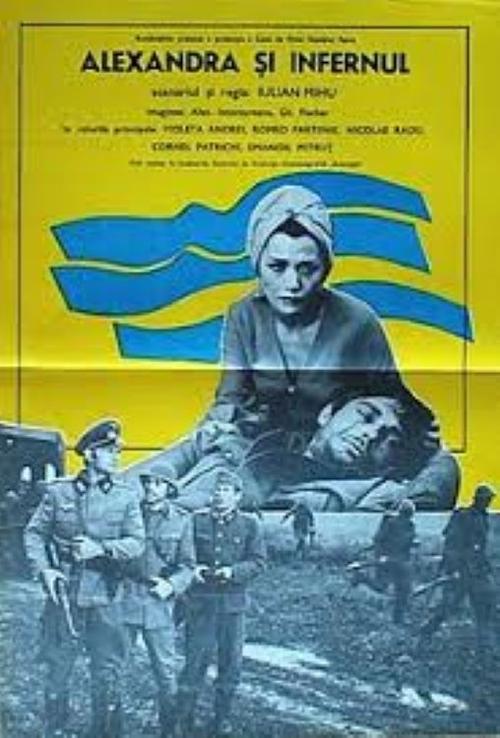
Alexandra and The Inferno is a 1975 Romanian film, about a young soldier during World War 2, written and directed by Iulian Mihu. The main roles were played by actors Violeta Andrei, Romeo Partenie and Nicolae Radu. The screenplay is based on the novel of the same name written by Laurențiu Fulga. In a complex social context, the film explores the protagonist's dilemmas and inner struggles, shedding light on social and personal issues that test her courage and strength to resist.
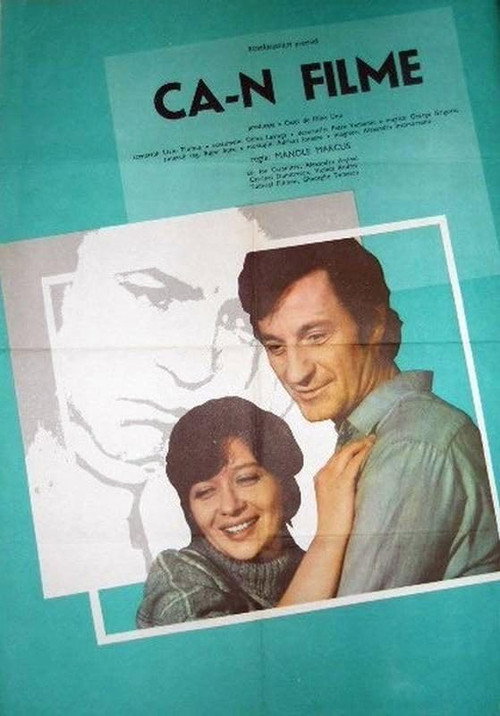
An untalented writer’s attempts to craft a “lifelike” screenplay result in a run-of-the-mill policier.
In 1970s Romania, Laura, a young architect, becomes pregnant by her married lover, Titel. Desperate and alone, she travels to a remote town for an illegal abortion. There, she meets Irina, a local girl who tries to change her mind.
Some party representatives want to make a new football team.
A former fighter pilot is forced, due to an illness, to work on utility planes in the countryside.
A concrete expert is torn between his family, who wants to settle in a city, and his work, which requires constant relocating.
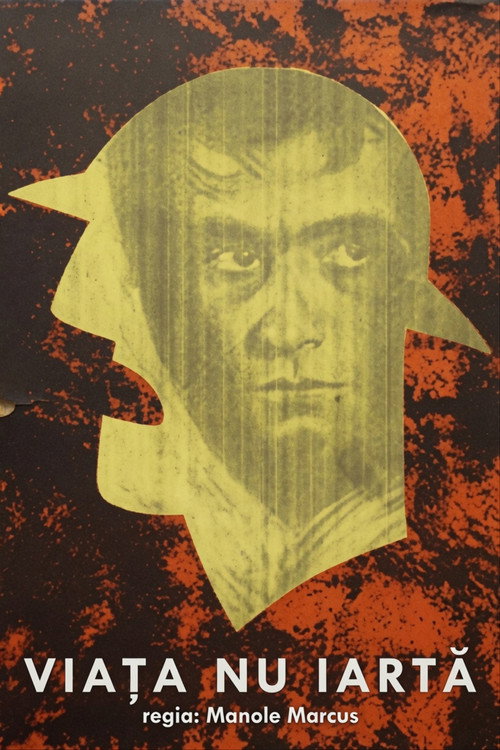
Dying in the trenches during World War II, Stefan looks back at his own life and that of his father. Through his memories, the film presents a story that embraces two generations and various eras. It is a film about the tragedy of lives dragged into conflicts against their will, of lives violently ruined or ended – a story about the devastating consequences of war. Interweaving past and present, the flashback narrative depicts the war as a perpetual situation where the “little people” always turn out to be on the losing side.
Petre Orsa, a young peasant gets a job at the Hunedoara Steel Mill with the dream of becoming a top-notch steel man, having Mihai Solca – a sort of communist industrial hero – as his role model. He starts low moving dirt around with a shovel but he soon gets into the team of an old steel man, foreman Tudor Baci.