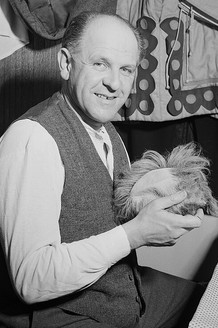
Alfred Rasser
Acting
Biography
Alfred Rasser (29 May 1907 – 18 August 1977) was a Swiss comedian, radio personality, and stage and film actor who starred predominantly in Swiss German-language cinema and television and stage productions, but he was also known for the role of Theophil Läppli, a parody on the Swiss militarism. Born and raised in Basel, Canton of Basel-Stadt in Switzerland as son of Berta née Stump and Emil, Rasser's father died when Alfred was at the age of 11. Berta Rasser had now, for Alfred and his three siblings, to earn the family's keep. After his apprenticeship as merchant at Jacky Maeder & Cie to 1922, he attended the drama school for the first time, and found his true passion. To have an income, Alfred Rasser tried among others as a chicken farmer in the Canton of Ticino in 1928. From 1928 to 1930 Rasser took acting lessons at Oskar Wälterlin and body workout at Rosalia Chladek at the Basel conservatory. Upon completion of the drama school, in 1930 he founded his own theater company, but graduated in 1934 at the Basel conservatory.
Known For
No description available.
Zum blauen Bock
No description available.
Stelldichein beim Wein

A hairdresser is being recruited during World War I by the Swiss military where they turn this soft civilian into a 'real man'.
Füsilier Wipf
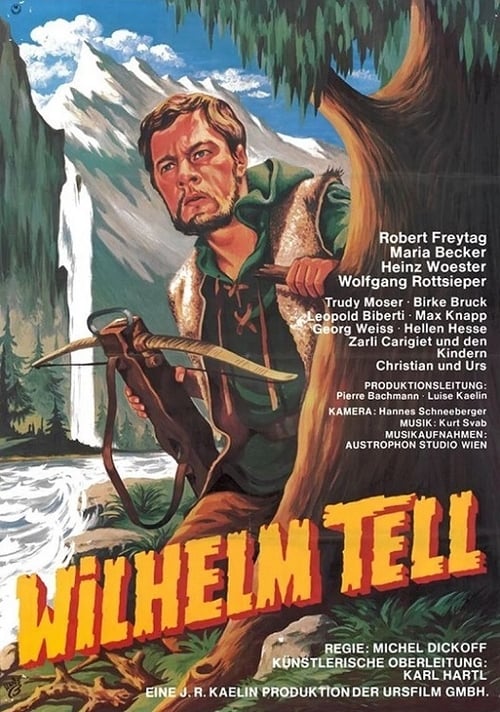
Gessler, the Rütli Oath, the apple shot, the Hollow Lane: the deeds of Swiss national hero William Tell in his fight against tyranny and violence in 1291. Based on Friedrich Schiller's drama and Aegidius Tschudi's chronicle.
William Tell
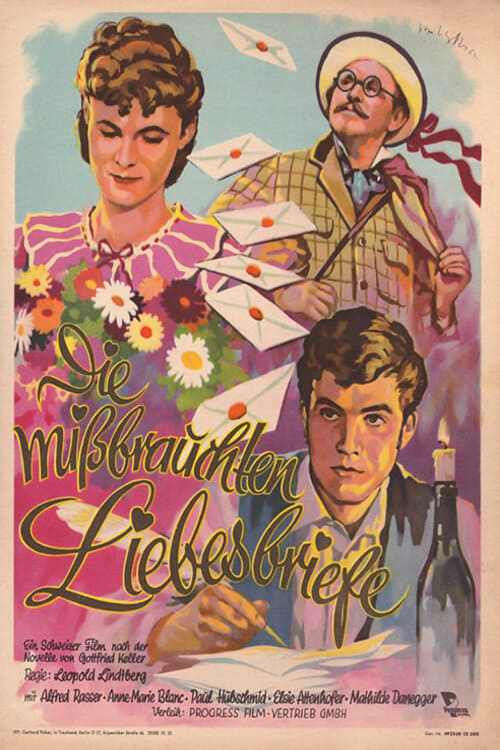
While on a longer business trip, a wannabe poet urges his beautiful but more simple wife to answer his overly swollen love letters. With no idea how to respond she forwards the letters to a new young school teacher to use his answers instead...
The Abused Love Letters
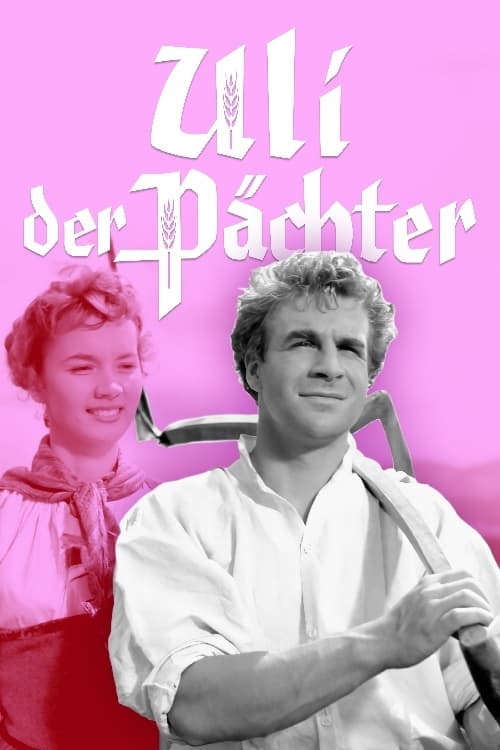
Uli has been the tenant of the "Glunggen-farm" for two years. His wife Vreneli gave him two children and the couple is happy. But this year, the harvest looks bad and his landlord calls in the rent, as the old man urgently needs money to satisfy the demands of his son and stepson. Desperate to make ends meet, Uli fraudulently sells a cow knowing that she does not produce any milk. He is pursued in court but is acquitted. But then, the buyer curses him... and disaster promptly strikes.
Uli the Tenant
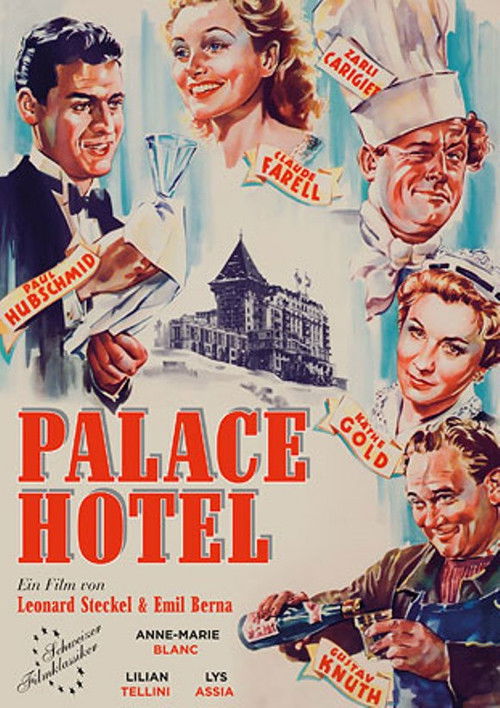
The paths of guests and employees cross at the Palace Hotel in St. Moritz: A chambermaid experiences financial difficulties. A guest has been robbed. A thief is caught. An assistant cook is promoted to waiter. And there’s no shortage of love in this small world of the great Hotel Palace. Keeping an orderly eye over proceedings is the hotel’s beautiful patron, whose heart is in the right place.
Palace Hotel
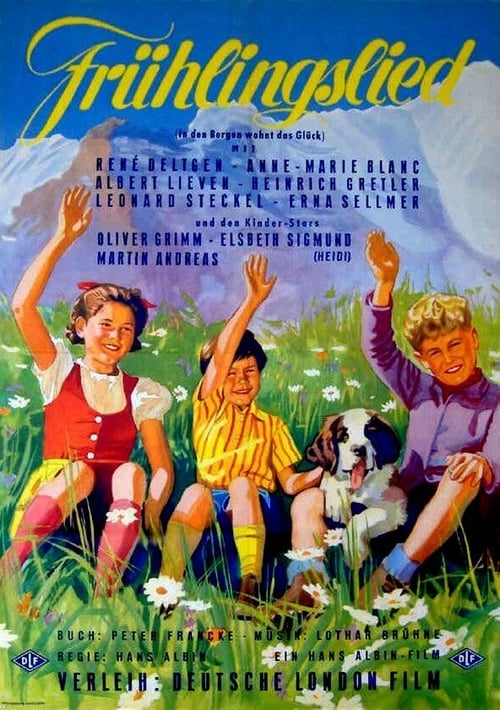
At the age of three, little Wolfgang has lost his parents. Since then his uncle Eduard raises the boy. As a former concertmaster Eduard has recognized how gifted his nephew is and the boy learns the hard way. The 6-year-old must practice daily 6 hours at the piano and already impresses at famous music parties. When Eduard Fabricius breaks a leg after a concert in Lucerne and must go to the hospital, he can be persuaded by a pediatrician to grant some carefree vacation weeks in a manor for Wolfgang. The manor belongs to the young widow Elisabeth who soon grows very fond of the little boy. Wolfgang makes friends with 11-year-old Heidi and Jöggi, a boy his age who first saw a rival in him...
Little Friends

In Bern above Junkerngasse 54 the caretaker has died - the old Hutzli. On the day on which he was buried, it's started again, this howling in the middle of the night - scary. Since then, no one dares to live there.
Das Gespensterhaus

War mobilization in 1939: the clumsy Läppli, a loudmouth and busybody, is imprisoned for anti-military speeches. When he is later promoted to officer's orderly, he continues his mischievous behavior. He acts without suspicion, comes across as slightly dim-witted, a silly simpleton, talks nonsense and, in his harmless naivety, repeatedly creates situations that make us laugh at the malice of chance or stubborn militarism. His environment, the officers' staff area, is portrayed with irony, but without malicious scorn.
HD Soldier Läppli
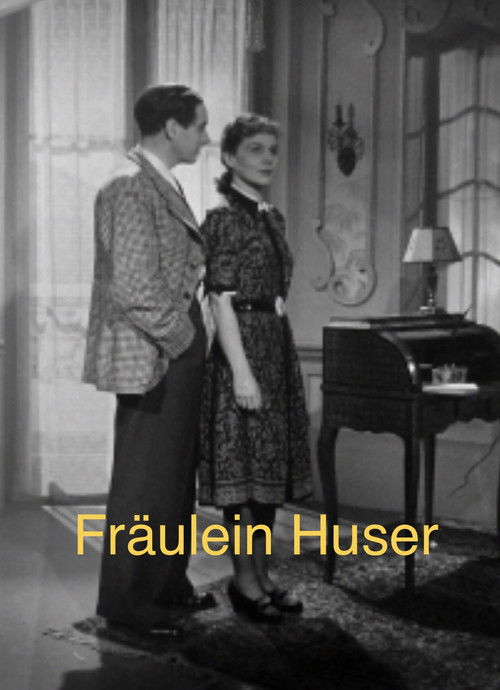
No description available.
Fräulein Huser
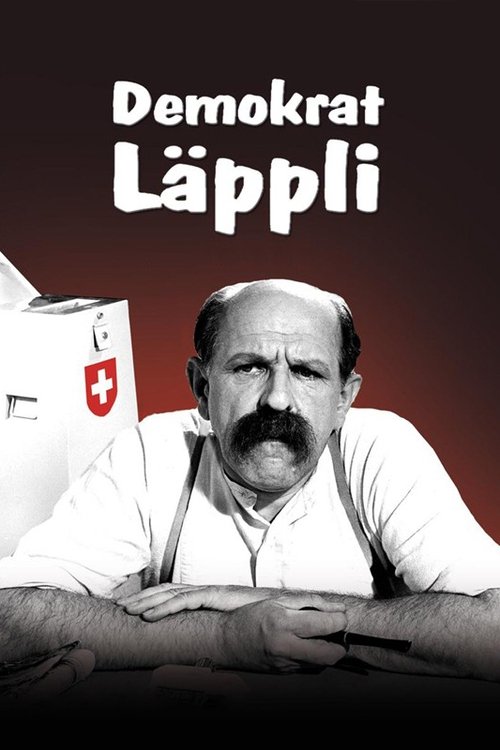
Theophil Läppli is a swiss patriot, who after a trip to Greece tries to recover the democratic roots of Switzerland. With much enthusiasm and idealism he's discovering, that corruption and greed are wide spread in his beloved country. This is the second movie about Theophil Läppli after HD-Soldat Läppli (1959).
Democrat Läppli
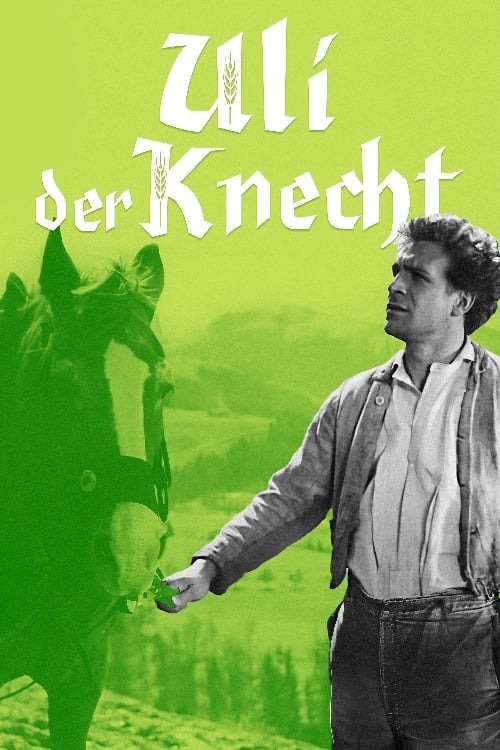
The film traces Uli's progress from his humble peasant surroundings to the homes of the wealthy and prominent. The characterizations are convincing, and the comic interludes surprisingly subtle and believable for a Swiss film. The no-star cast doomed Uli Der Knecht from the start so far as American distribution was concerned. It was another matter in Switzerland, where the film was one of the year's top moneymakers. Uli der Knecht was based on a novel by Jeremias Gottbelf.
Uli der Knecht
No description available.
Holiday in Switzerland
The women of a Swiss community finally want to achieve equal rights. At the top of the uproar is the midwife Spyri, who does not want to be married by the head of the district, Stirnimann. They succeed in abducting the head of the community and using his former lover in his place.
Immer die verflixten Weiber

No description available.
Läppli am Zoll
The film tells several interconnected stories of Swiss people who fall in love with foreigners but struggle to maintain their relationships due to prejudice and social norms. The narrative culminates in a conciliatory scene in which the characters overcome their differences and recognize the importance of love across national borders.
Der achti Schwyzer
No description available.