Fernando Álvarez Rebeil
Acting
Biography
Fernando Álvarez Rebeil is an actor and producer, known for El pulso de la tierra (2018), Sueño en otro idioma (2017) and Loving South (2017).
Known For

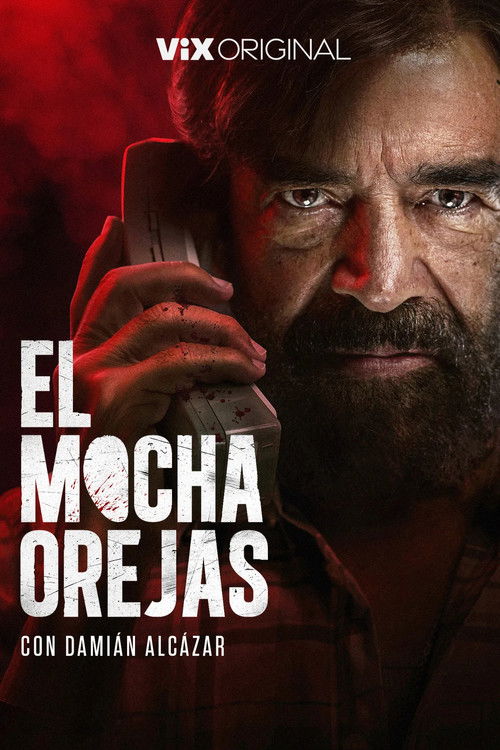
The story of Daniel Arizmendi's rise, the corruption and fear that allowed his gang to terrorize Mexico in the 1990s, where he became known as "el mochaorejas" for his shady crimes
El Mochaorejas

A divorced woman reconstructs her life and opens herself to love. Her search for dating apps takes her through fun and unpredictable moments to discover self-love.
Un hombre por semana

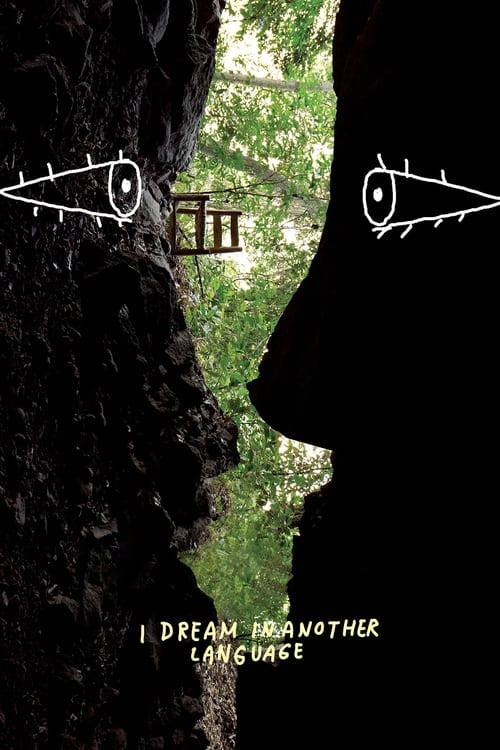
An indigenous language is in peril, as its last two speakers had a quarrel in the past and haven't spoken to each other in over 50 years. Martín, a young linguist, will undertake the challenge of bringing the old friends back together and convincing them to speak once again so he can obtain a recorded registration of the language and study it.
I Dream in Another Language

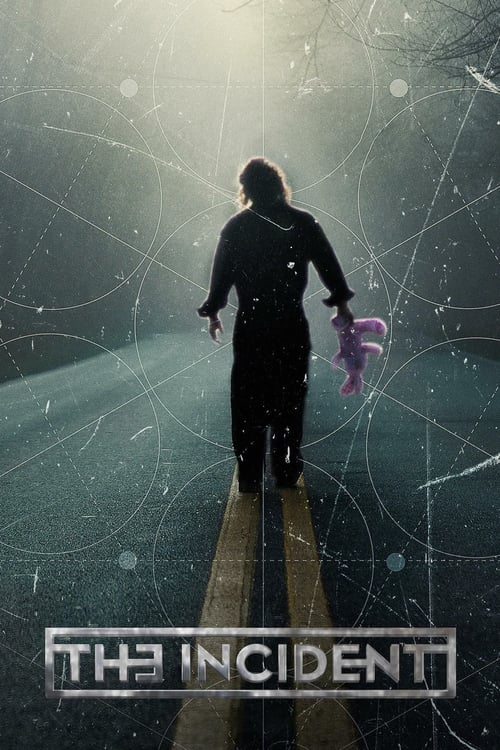
Two parallel stories about people trapped in illogical endless spaces: two brothers and a detective locked on an infinite staircase, and a family locked on an infinite road... for over 35 years.
The Incident

A man discovers he has been crying for two months without even realising it. His face has an impenetrable and serious expression. Strangely, his tears have decided to work in a reverse way, transforming the inside of his body into a waterfall. The water has started pooling at his feet.
The Cascade

Lucía and Nico, the couple of the century, are about to say yes... although not with each other. It turns out that they both decided to get married on the same day and in the same place, but with other people.
Weeding Night

Two friends doggedly build a mysterious artefact in the forest, the function of which remains unclear until the very end. INSIDE starts with a shot of a burnt tree stump in a forest. Materials are gathered. What are the various branches, stones and pieces of grass for and what will the silent activities lead to? INSIDE slowly uncovers an act of human solidarity. The camera hovers around two boys, ramping up the tension, and is supported by an excellent soundtrack.
Inside

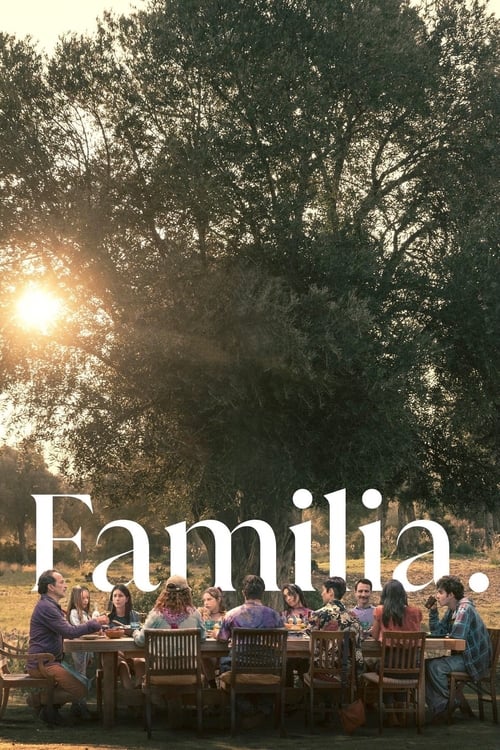
As a family discusses the future of their idyllic olive farm over a meal, the complexity of their relationships emerges through laughs and confessions.
Familia

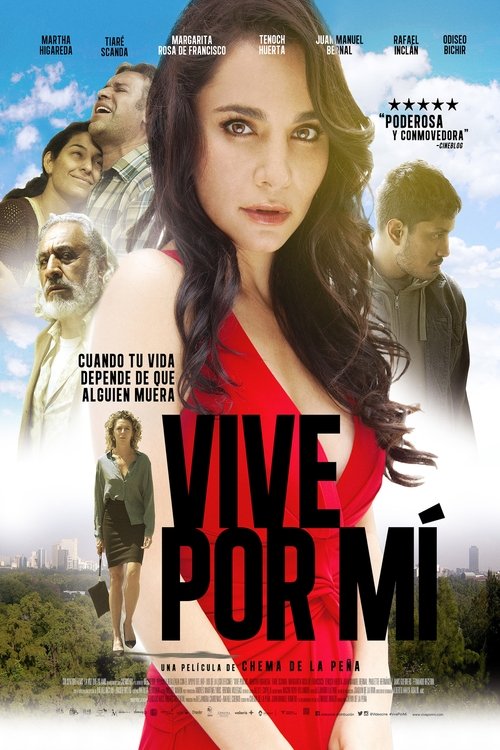
A tale about the fragile lives of four characters during a month of their lives. One of them, Ana, is waiting for a kidney donor.
You Live for Me

Seventeen-year-old Carlos doesn't fit in anywhere, not in his family nor with the friends he has chosen in school. But everything changes when he is invited to a mythical nightclub where he discovers the underground LGBTQ nightlife scene: punk, sexual liberty and drugs.
This Is Not Berlin

Luisa and Gabino visit their parents in a mining town in the north of Mexico. Their father’s only interest in them is sparked by Luisa’s actor boyfriend when he acts out the role of a narco kingpin. To cope with family tensions, Gabino imagines a parallel reality of detectives and organized crime.
Fauna

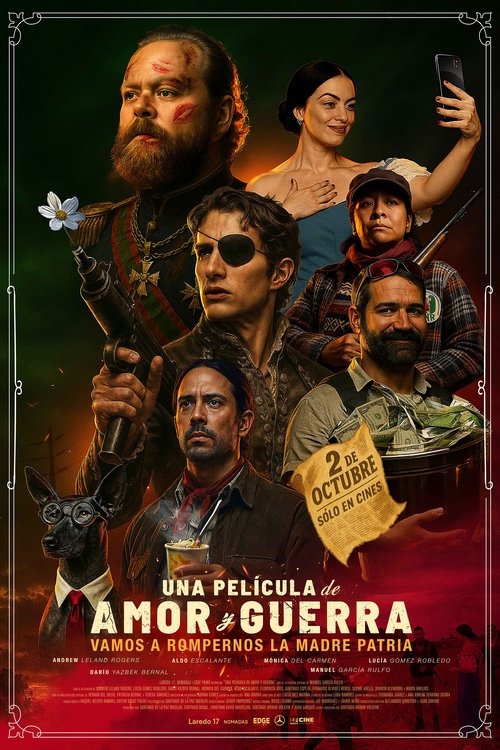
This outrageous comedy stages a soap opera of epic proportions, as one corrupt property developer faces trial for Mexico's violent history. The fourth feature from Santiago Mohar Volkow, Una historia de amor y guerra centres on real estate baron Pepe Sánchez-Campo, whose mega-mall development brings him into conflict with local guerrillas. For once, bribery and a call to Daddy might not be enough to save Pepe – a character more grotesque than the telenovela unfolding around him. Trying to sabotage Pepe's marriage to Constanza, her cousin and lover Teo records Pepe cheating. The resulting chaos precipitates in a burlesque bloodbath involving treachery, talking animals, colonial history and bartering in the afterlife.
A History of Love and War

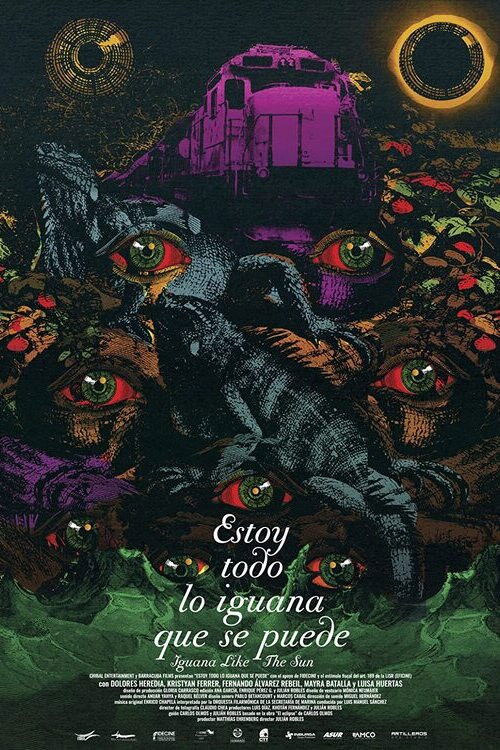
In a humble coastal tropical compound, amidst a total eclipse of the sun, an unexpected guest arouses the broken dreams of a family that has lost its guardian figure, overshadowed by the cosmic loneliness where they were left to their faith.
Iguana Like the Sun

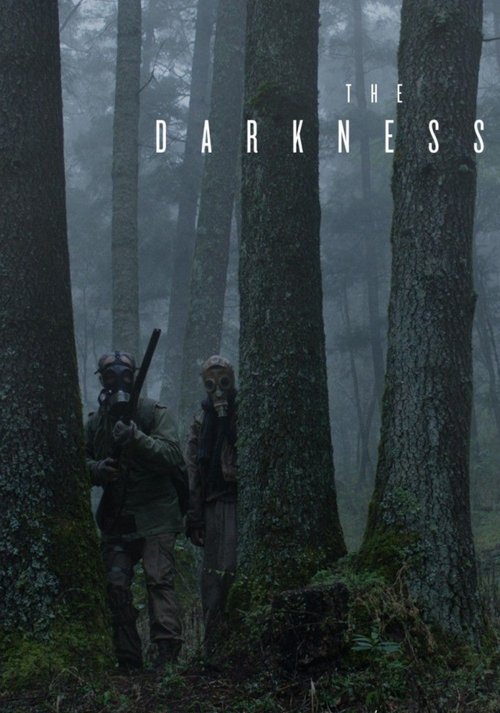
A family lives in a cabin in the middle of a submerged forest in the mist and shrouded in perpetual twilight after an undefined global catastrophe. The father keeps his children locked in the basement into believing that a wild beast roams outside.
The Darkness

Ana and Leo, are marked since childhood by a sudden event: the suicide of their father. Separately, they take life as they can, without removing the feeling that anything can become as disposable as plastic.
Plastic

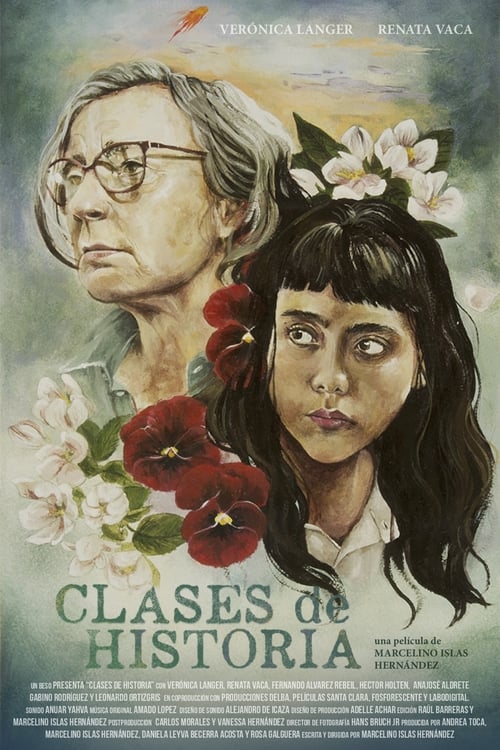
Verónica, a middle-aged highschool history teacher, leads a non eventful life: she has grownup children, grandchildren and a less than perfect marriage. This dynamic seems to be the only thing she can hold on to, as she battles a terminal illness. As she reluctantly accepts her fate, she meets Eva, an irreverent and misunderstood new student who unknowingly injects some life and enthusiasm back into her and provides her with the tools to deal with her destiny.
History Lessons

Bruno, 19 years old, has not begun his sexual life. He feels guilty about his brother's death and one of his exgirlfriends, who happens to be his first love, is back in town to help him out.
Time without Pulse

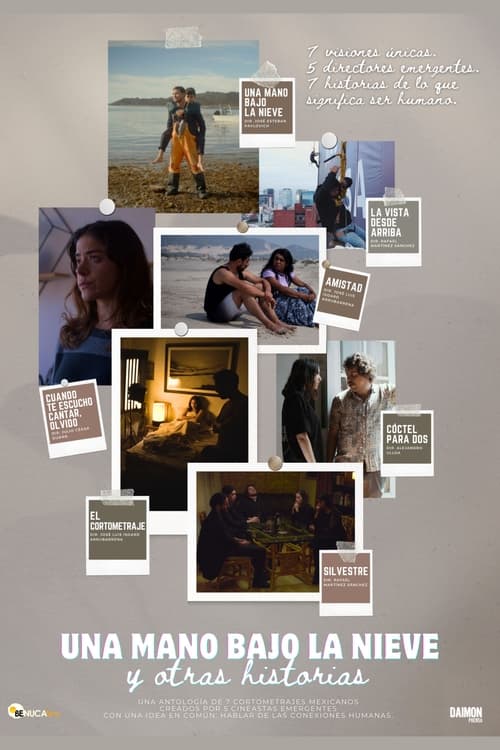
An anthology of 7 Mexican short films, all created by 5 up-and-coming independent filmmakers, with a common thread: to explore themes of human relationships. In order, A Hand Beneath the Snow (Una mano bajo la nieve), Friendship (Amistad), The View from Up Above (La vista desde arriba), The Short Film (El cortometraje), Silvestre (Silvestre), Cocktails For Two (Cóctel para dos) and When I Hear You Sing, I Forget (Cuando te escucho cantar, olvido).
Una mano bajo la nieve y otras historias

Julia is a single mother who takes care of Camila, her 10 year old daughter who suffers from a borderline disorder. After experiencing a crisis where Camila gets hurt, Julia makes a decision which will change her relationship with her daughter and with herself.
Where Water Flows

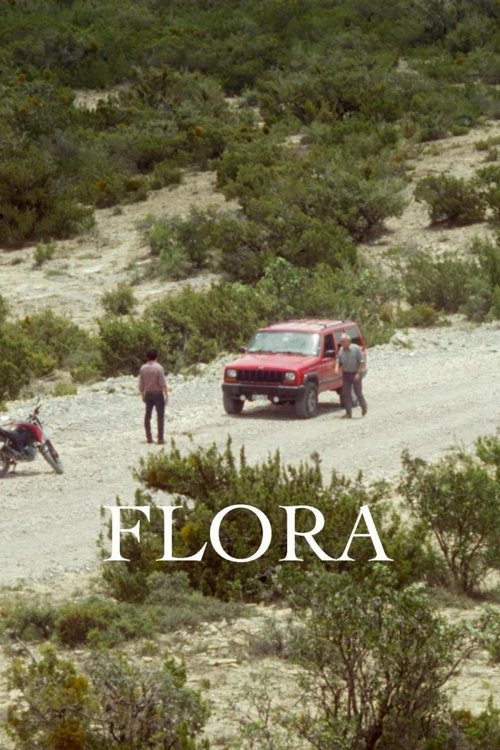
A metacinematic reflection on the nature of representation and the ongoing drug war in Mexico, Nicolás Pereda’s Flora revisits locations and scenes from the mainstream 2010 narco-comedy El Infierno, exploring the paradoxes of depicting narco-trafficking on film—its tendency both to romanticize and to obscure. To screen is both to project and to conceal.