Acting
Tatort is a long-running German/Austrian/Swiss crime television series set in various parts of these countries. The show is broadcast on the channels of ARD in Germany, ORF in Austria and SF1 in Switzerland.
A police department, lead by an older, experienced detective solve crimes together.
Derrick was a German TV series produced by Telenova Film und Fernsehproduktion in association with ZDF, ORF and SRG between 1974 and 1998 about Detective Chief Inspector Stephan Derrick and his loyal assistant Inspector Harry Klein, who solve murder cases in Munich and surroundings.
No description available.
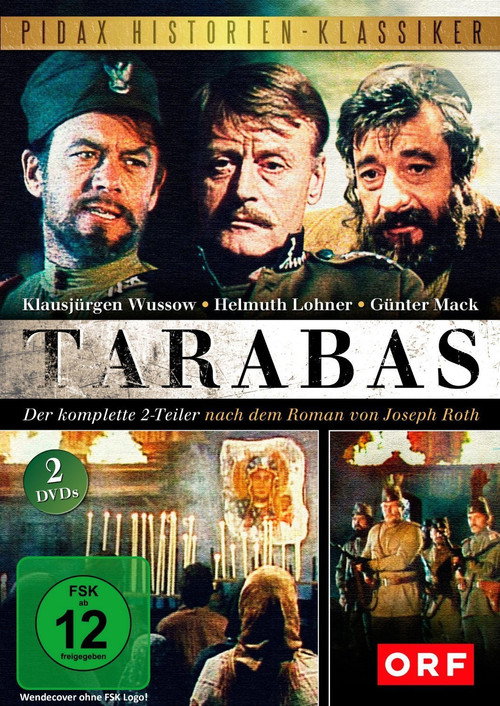
On the eve of WWI, Russian landowner’s son Nicholas Tarabas, a Catholic sympathizer turned assassin exiled to America, returns as a ruthless soldier dubbed “the Terrible.” Yet when anti-Jewish violence erupts, his conscience awakens for the first time.
The pub “Zum Weißen Lamm” (the White Lamb) is filled to the brim with nasty bores. The innkeeper, played by a sweat-soaked Helmut Qualtinger, and his self-righteous circle of regulars are thrown into turmoil when a quest who is supposedly “the Rasberry picker,” a former SS officer, checks in.
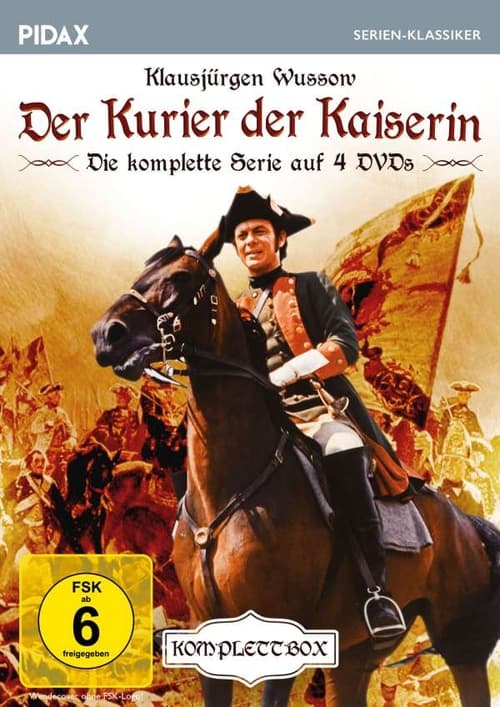
Der Kurier der Kaiserin is a German Television series.
Die Abenteuer des braven Soldaten Schwejk is an Austrian television series. Schwejk is a bumbling fool (he claims to have been discharged from the army on the grounds of being a certified idiot) but manages to outwit his superiors and his arch nemesis, the secret policeman "Bretschneider" with hilarious results. Set during the first world war, it follow Schwejks adventures as a recruit in the Austro-Hungarian army.
This two-part drama examines the fate of the generation of Austrians which came of age after World War II. The first part, "Arcadia," depicts the generational gap between 1950s teenagers and their parents, while the second part, "Injuries," shows this same group of characters twenty years later as they have grown up to become dysfunctional and suicidal adults. Regarded as the most significant of Michael Haneke’s early works, "Lemmings" contains incipient treatments of many of the themes he would later elaborate on in his theatrical features.
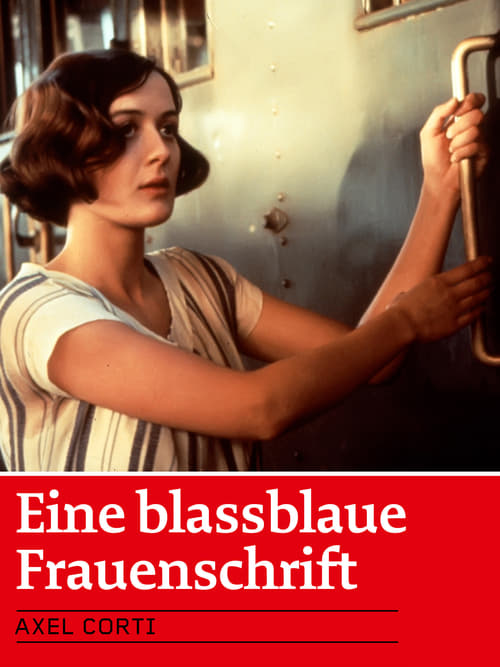
In October 1936, a high official in the Austrian government receives a letter from a German Jewish woman with whom he had an affair in 1925 asking him to help place an 11-year-old, half Jewish boy in a good Austrian school. Is the child his? Should he help? And above all should he help now, at a time when Nazis are becoming powerful in Austria?
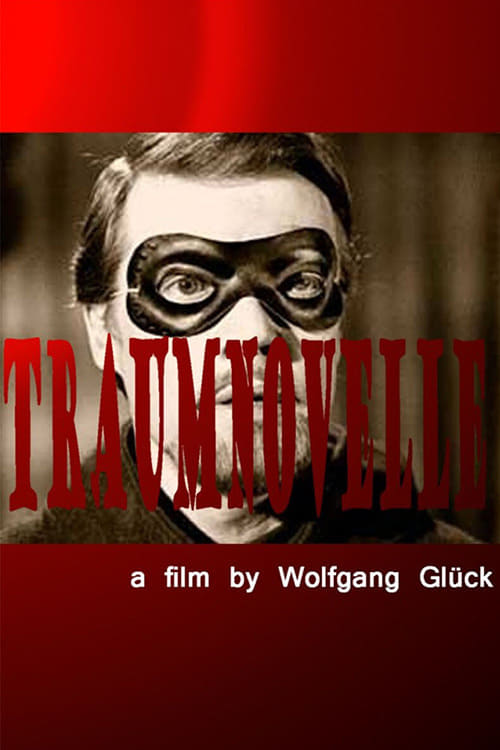
After a frank confession by his wife, a doctor is called to see a dying patient. The cause of the night brings him to meet an old friend, a pianist, who tells him of a mysterious ball where he is due to perform. Based on the book "Traumnovelle" ("Rhapsody: A Dream Novel") by Arthur Schnitzler, which was the inspiration for the film Eyes Wide Shut (1999).
Vienna, a few days before the shots in Sarajevo which would trigger what was first called the Great, later simply the First World War: Job seekers from the crown lands flock to the capital of the empire in search of a better life, even if it's the factory hell . A new social class is growing faster and faster, the city overflows with the poor, lower-class workers and the unemployed. Labor fighters can be heard louder, better, clearer, every day. The nobility strongly suspects its end.
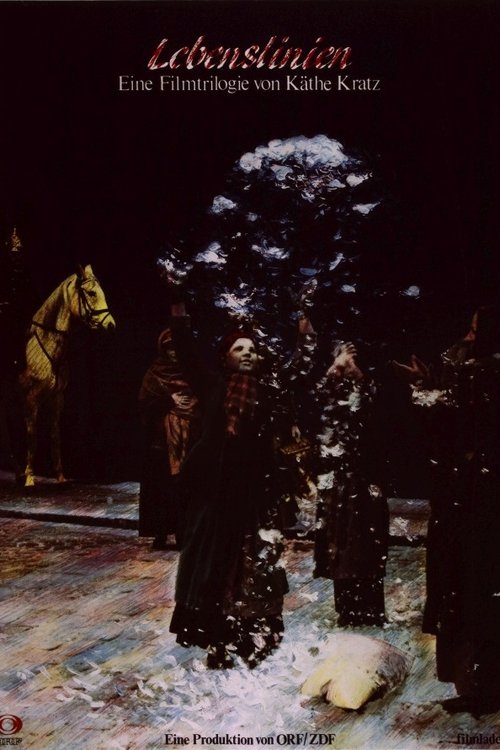
Stories about four generations of women – their life at home and at work, their private and political relationships with the years.
On his wanderings, Tom meets young Lizzi and accompanies her to the vacation resort "Im Sonnengrund". The residents there are threatened by a huge garbage dump that will bury them all.