FEEL IT.STREAM
Laurent Chevallier

Laurent Chevallier

Directing

Biography

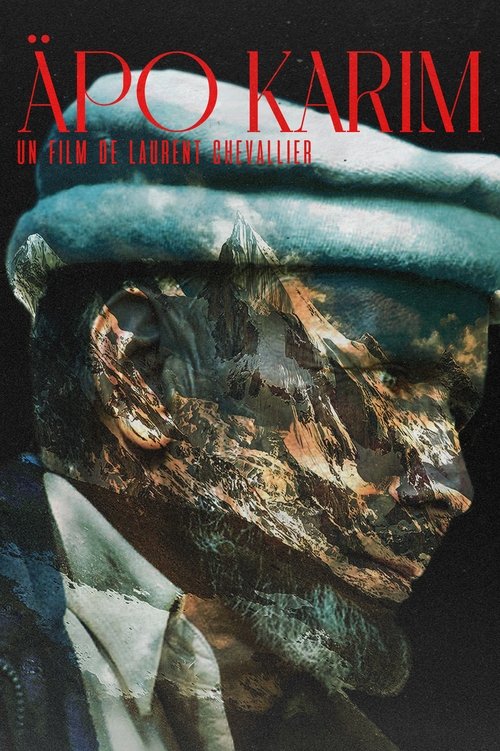
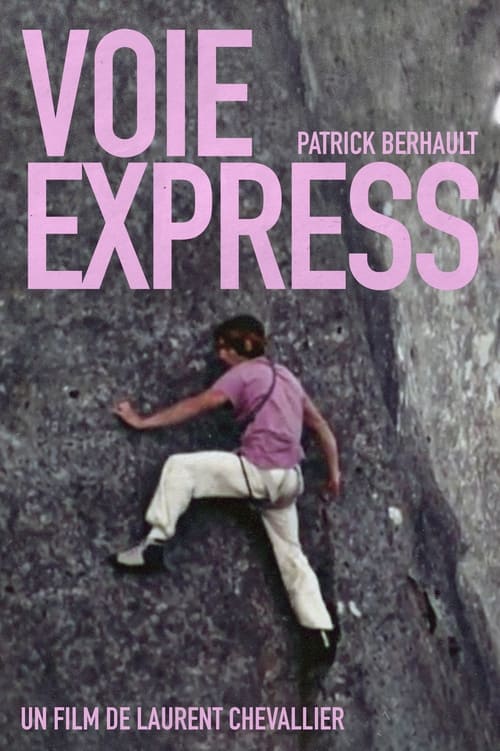
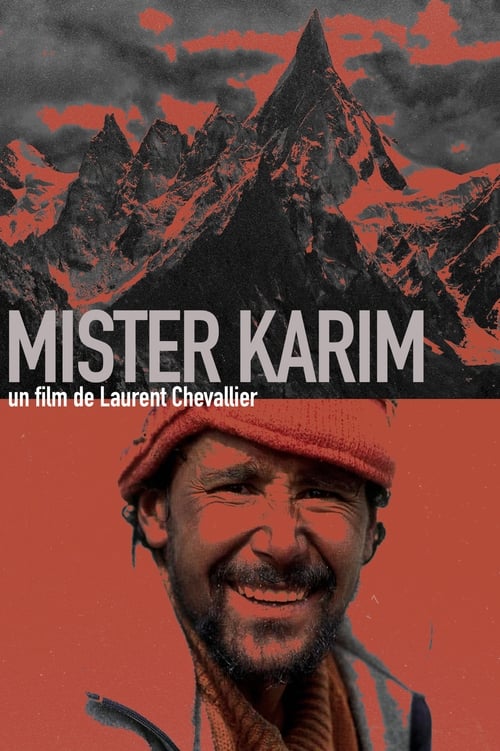
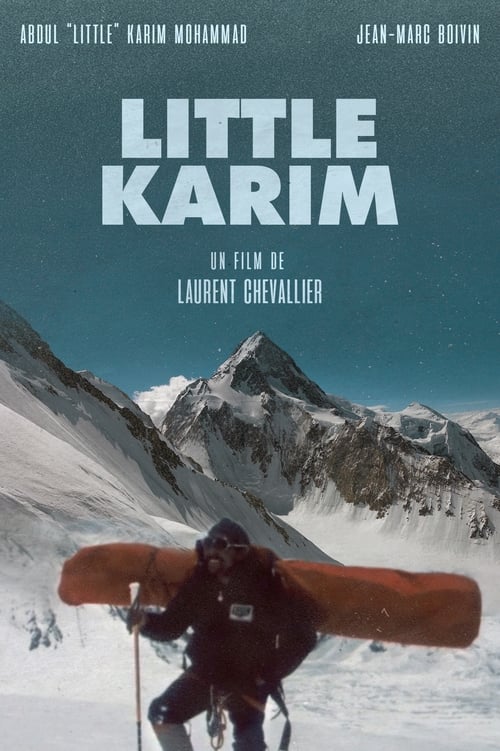
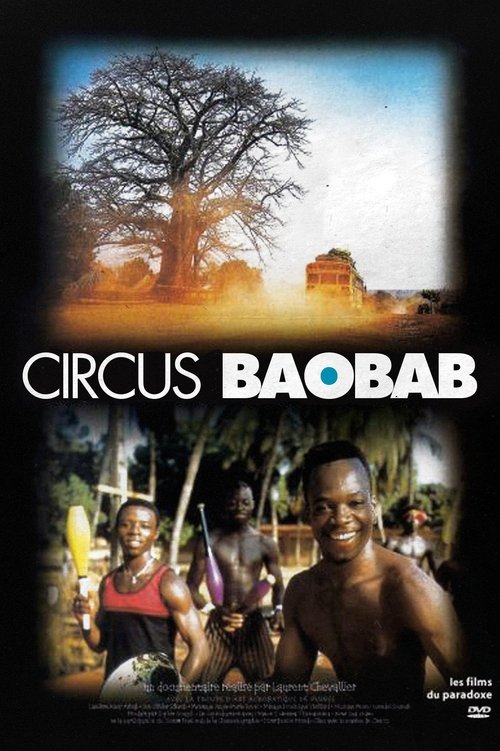
Laurent Chevallier was born on June 6, 1955. Originally from the Grenoble region, he is a very experienced skier and mountaineer. His film studies in Paris were oriented from the start towards documentaries, since he wrote a memoir on the "father" of documentary film, Robert Flaherty (1884-1951, author of "Nanouk L'Esquimau" in 1919-1922, and "L'Homme D'Aran" in 1932-34), and on Joris Ivens (1898-1989, who shot his last film, "Une Histoire De Vent", in China at the age of 90 with the presence by Laurent Chevallier on camera), both absolute models of all the great documentary filmmakers. After his studies, he was assistant cameraman or director of photography for many films (with Jean-Jacques Beineix, Jacques Rouffio, René Allio, Gérard Mordillat, Patrice Leconte, Ilmaz G'fcney, Gérard Oury). from 1979, he made numerous documentaries (26 and 52 minutes) for television in France, Cape Horn, the Himalayas, the North Pole, Patagonia, Thailand, Italy, Ireland, Pakistan, in China, Canada, USA, Australia, Uganda, Guinea. To his credit in particular "La Voie Express" one of the first films on free climbing featuring the climber Patrick Berhault, and the trilogy on "Little Karim" the Pakistani mountain carrier that he will follow over 20 years in three parts. "Au Sud Du Sud" is his first feature film. It traces the incredible crossing of Antarctica by six men from the USA, Japan, China, USSR, Great Britain and France (Doctor Jean-Louis Etienne is at the origin of this expedition) . About this film Jean-Louis Etienne spoke about the dangers of the documentary by affirming: “Nothing of such with Laurent, because I know that I will be able to control the images and the recorded words. It's not about '85 control, it's because there is friendship, trust. This extreme adventure was filmed in stages. Laurent Chevallier was attentive of course to the fabulous landscapes crossed, but also to human relations during these seven months of expedition. He very scrupulously rendered the very particular rhythm of this trip and his feat was also to show the monotony without ever being boring. "Djembefola" is his first Guinean feature film, shot a few years before "L'Enfant Noir". "Djembefola" was covered with prizes in France and abroad (Grand Prix of the Amiens Festival, Best Documentary in San Francisco). "The Black Child" was selected for the Quinzaine des Réalisateurs at the Cannes Film Festival in 1995. In 2001 he returned to Africa where he recounted, under the title Circus Baobab, the expedition of a circus troupe from South of France through Guinea. Then followed during his career many committed films constantly questioning the world in which we live such as La Vie sans Brahim (2003), "Aimé Césaire, a fundamental negro" (2008), "Faut-il be afraid d 'Amazon?' (2018) ...

Known For

Christophe
10.0

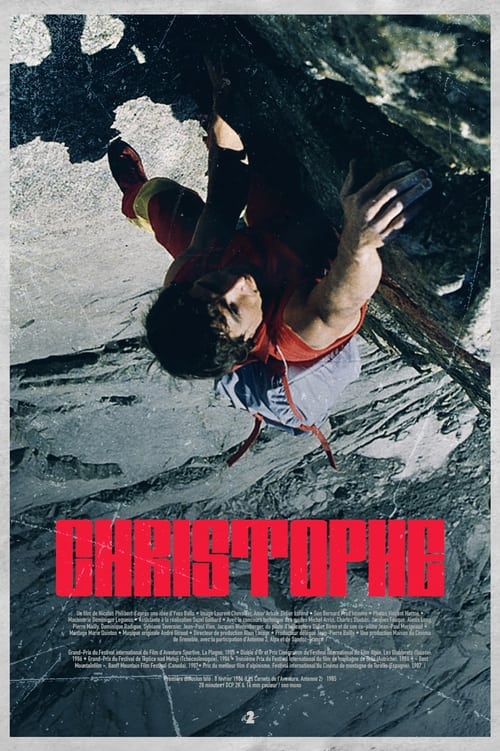
It is 1 p.m. on June 30, 1982, when Christophe Profit, 24, shows up at the foot of Les Drus with his pof bag, his climbing shoes and nothing else. He will try the west face of Les Drus in "solo", in the Mont Blanc massif by "Directe Américaine", 1100 meters of vertical and smooth rock. Christophe will achieve the feat of climbing the wall in free solo, without using a rope or any belaying technique. At 4:10 p.m., barely more than three hours after the start of his ascent, the new climbing star can embrace the Virgin of the Drus at the same time as the career of a high-level mountaineer. Three years later, on July 25, 1985, he climbed the north faces of the Matterhorn, the Eiger and the Jorasses in the same day. Awarded at many mountain film festivals, this great documentary is a magnificent testimony to one man's passion for climbing, the mountains and adventure.

Christophe

1985Movie
Grimpeur Étoile
10.0

In 1984, climbing virtuoso Patrick Berhault gave a night climbing demonstration with Nico Ivaldo in Finale Ligure, Italy. This close and spontaneous connection with the audience, the silence followed by the cheers of the crowd with each move, amplified the climbers' sensations, creating a powerful feeling that gave them a state of flow. This idea of ​​climbing dance took root and culminated in the film "Star Climber," composed of parodic vignettes retracing the history of climbing through the ages. Berhault, by turns a Cro-Magnon man, a Zulu in a trance, a troubadour climber accompanied on the flute by Catherine Destivelle, a Buster Keaton trying to climb his beautiful woman's wall, as Blues Brothers, Berhault and Robert Cortijo push the dial on rock 'n' roll 10 meters above the ground solo on the facade of a building at the crossroads of West Side Story and a Terry Gilliam film.

Grimpeur Étoile

1989Movie
Patagonie Force 10
10.0

A team of 12 men, 5 sailors, a doctor, a writer, a film crew, and 3 mountaineers, Jean-Marc Boivin, Thierry Leroy, and Dominique Marchal, set off by sailboat from Mar del Plata in Argentina to reach Riso Patron in Chile, via the Strait of Magellan, the Patagonian Channels, and Falcon Fjord. Their goal is to climb Riso Patron and then make the first crossing of the Campo de Hielo Sur glacier, or Hielo Continental Patagónico, to meet up with the sailors in Puerto Williams on Navarino Island in Chile, a village at the end of the world. After three attempts and an accident for Leroy, who was repatriated, they gave up, crossed the glacier and rejoined the boat, to set off for Cape Horn to climb the South face, knowing that the weather was good one day a month... On January 20, 1983, Jean-Marc Boivin and Dominique Marchal succeeded in making the first ascent of the South face of Cape Horn.

Patagonie Force 10

1983Movie
Au Sud du Sud
9.0

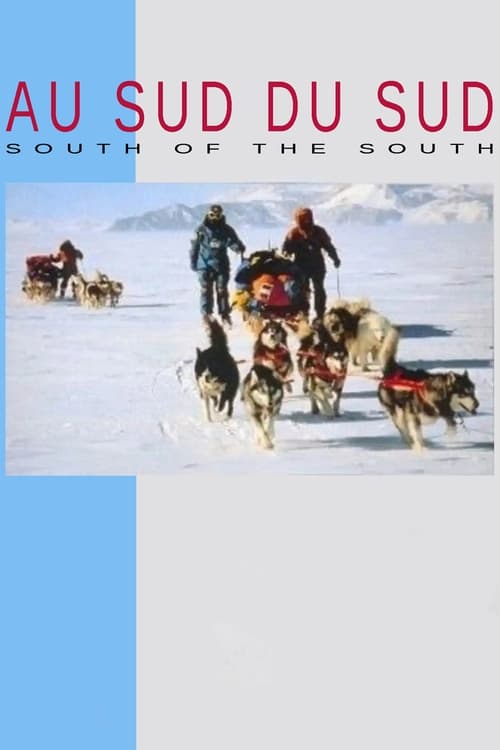
The Transantarctic expedition led by the American Will Steger and the Frenchman Dr. Jean-Louis Étienne took place between July 1989 and March 1990. It was the first successful attempt to cross the entire extent of Antarctica without the use of motor power. Six men of various nationalities, including Viktor Boyarksy (Soviet Union), Geoff Somers (Great Britain), Qin Dahe (China) and Keizo Funatsu (Japan), crossed Antarctica from east to west for seven months on dog sleds pulled by 63 sled dogs, covering a total distance of 6,048 kilometers, with temperatures as low as minus 45 degrees Celsius and long-lasting storms. Their aim was to draw global attention to the continent's endangered future and the early signs of climate change. The documentary relives this great human adventure, which took more than three years from the first meeting of the participants to the final success.

Au Sud du Sud

1992Movie