Acting
The best in the performing arts from across America and around the world including a diverse programming portfolio of classical music, opera, popular song, musical theater, dance, drama, and performance documentaries.
The Ed Sullivan Show is an American TV variety show that originally ran on CBS from Sunday June 20, 1948 to Sunday June 6, 1971, and was hosted by New York entertainment columnist Ed Sullivan. It was replaced in September 1971 by the CBS Sunday Night Movie, which ran only one season and was eventually replaced by other shows. In 2002, The Ed Sullivan Show was ranked #15 on TV Guide's 50 Greatest TV Shows of All Time.
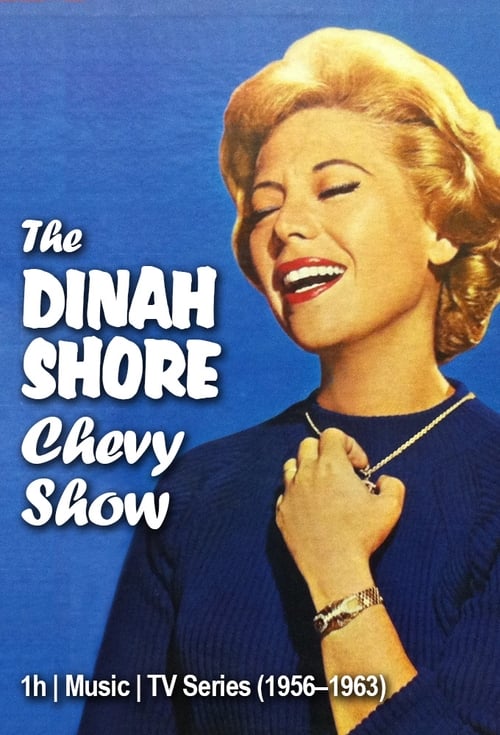
The Dinah Shore Chevy Show is an American variety series hosted by Dinah Shore, and broadcast on NBC from October 1956 to June 1963. The series was sponsored by the Chevrolet Motor Division of General Motors and its theme song, sung by Shore, was "See the U.S.A. in Your Chevrolet", which continued to be used in Chevrolet advertising for several more years after the cancellation of the show.
The Kennedy Center Honors is an annual honor given to those in the performing arts for their lifetime of contributions to American culture.
“The Bell Telephone Hour” was a musical variety show that aired on “NBC” TV from 12 January 1959 to 14 June 1968 that showcased the best in Broadway, Classical, Concert, Jazz and Popular music each week. The series had its’ own house band appropriately named the “Bell Telephone Orchestra”. The show also had its’ own theme song being the “Bell Waltz” composed by “Donald Voorhees” who was also the show's Orchestra conductor. Some of the greatest violinists of the 1960’s performed on this show that aired in the old “Black & White” format. Some of these great violinists included “Erica Mornin”, “Isaac Stern", "Michael Rabin", "Ruggiero Ricci", "Yehudi Menuhin" and "Zino Francesacatti". From time to time some of the great singers and bandleaders of the 1960’s would perform on the show as well. Some of these were “Bing Crosby”, “Gordon MacRae”, “John Gary”, “Leslie Uggams”, “Mary Martin”, “Nelson Eddy”, “Patti Page” and “Roy Rogers”. The TV show followed on the heels of its’ predecessor with the same name on “NBC” radio that aired from 29 April 1940 to 1958 on Monday nights at 8 PM. The name of the show was derived from its’ Major sponsor “Bell Telephone Laboratories”. The TV version began airing on Friday nights at 8:30 PM once a month. It later was given it’s same time slot now airing every other week alternating with another show on the other weeks such as News shows and specials. The show time slot changed quite often over the years. In September 1960 it aired at 9 PM and in September 1961 it moved to 9:30 PM. In October 1963 it moved to Tuesday nights at 10 PM, September 1965 it moved to Sunday night at 6:30 PM and in September 1967 it made its' final move back to Friday night at 10 PM.
The story of the big names that have shaped the musical genres, plus an occasional stopgap for the new rock 'n' roll - comedy.
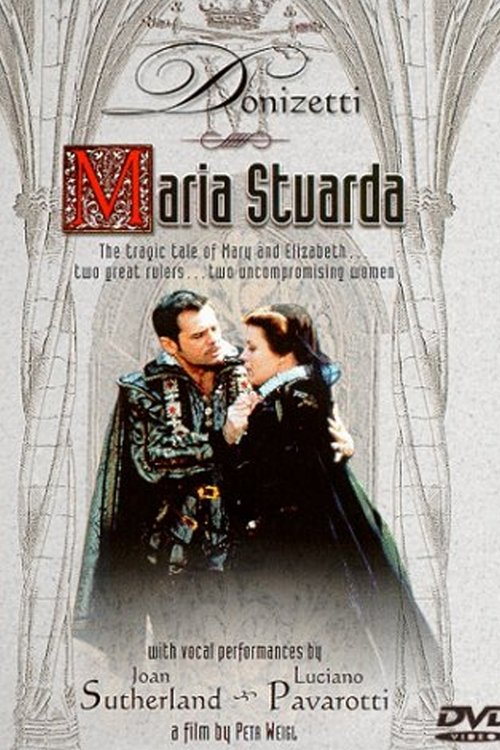
Donizetti's opera as film.
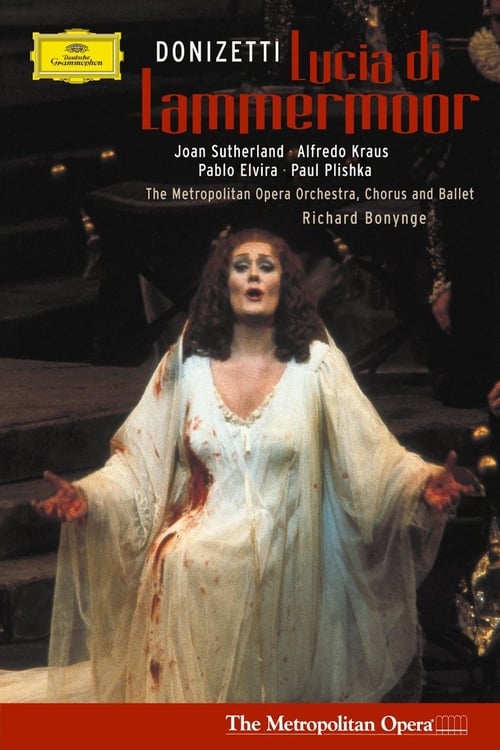
This telecast offers a rare opportunity to see the legendary Joan Sutherland in the role that first catapulted her to international stardom. She drove audiences wild by the way her opulent voice caressed the music’s long phrases and sprinted effortlessly through the fiendish runs, trills, embellishments and stratospheric high notes. One of the glories of the operatic world, her portrayal of Donizetti’s hapless heroine is a multifaceted and moving characterization. The incomparable tenor Alfredo Kraus is Edgardo, the man Lucia loves but cannot have. (Performance taped November 13, 1982. Broadcasted September 28, 1983.)
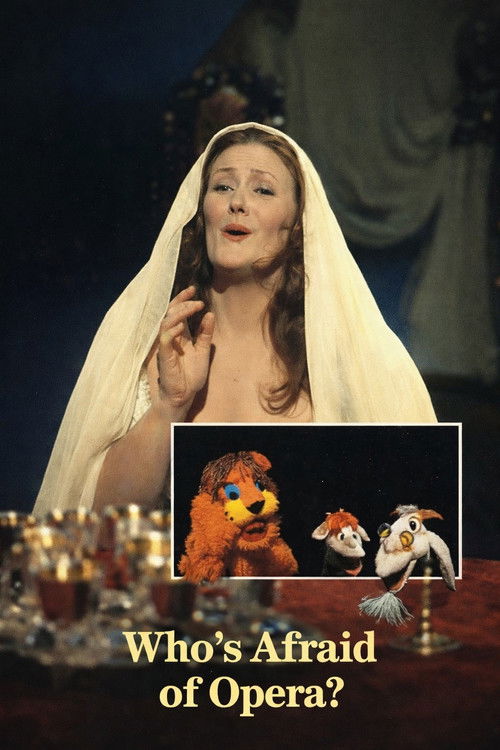
Three zany puppets bring to life our greatest opera treasures, as Joan Sutherland, the world’s most famous soprano, performs their highlights. The puppets make up the audience: Sir William, a wise old goat; Little Billy, his nephew; and Rudi, a rather boisterous lion. Sutherland first introduces them to the story of each opera. Then, backed by the London Symphony Orchestra and a first-rate cast, she moves onto the opera stage, complete with elaborate sets and elegant costumes. After each exquisite aria, the diva comes back to her inquisitive friends and unfolds the plot.
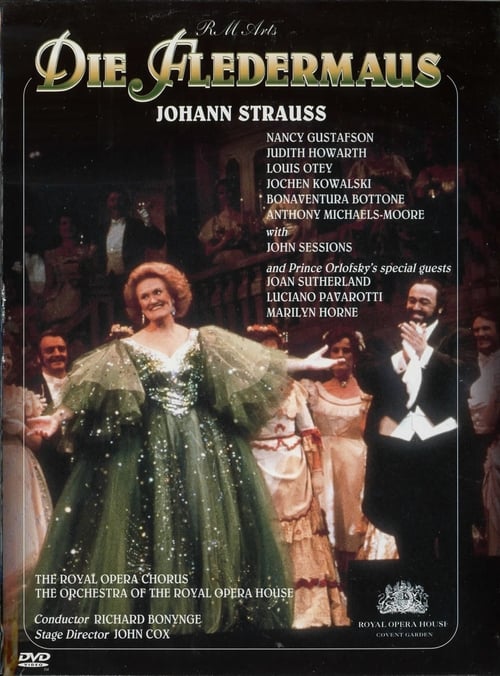
After the Viennese premiere, the Fledermaus (the bat) conquered the world. It is one of the few operettas that are regularly performed at the major opera houses such as the Metropolitan Opera, the Scala Milan, the Vienna State Opera and the Royal Opera House Convent Garden in London. John Cox directed this lavishly equipped production by Julia Trevelyan Oman initially in London in 1977. On New Year's Eve 1990, this staging offered the luxurious ambiance for the farewell to Joan Sutherland from her London audience. The singer had admired them since her first great success at this prestigious opera house in the fifties. The rushing feast in the second act reached its climax with its stormy cheered performance and the commitment of her friends and colleagues Luciano Pavarotti and Marilyn Horne, with whom she often stood together on the stage.
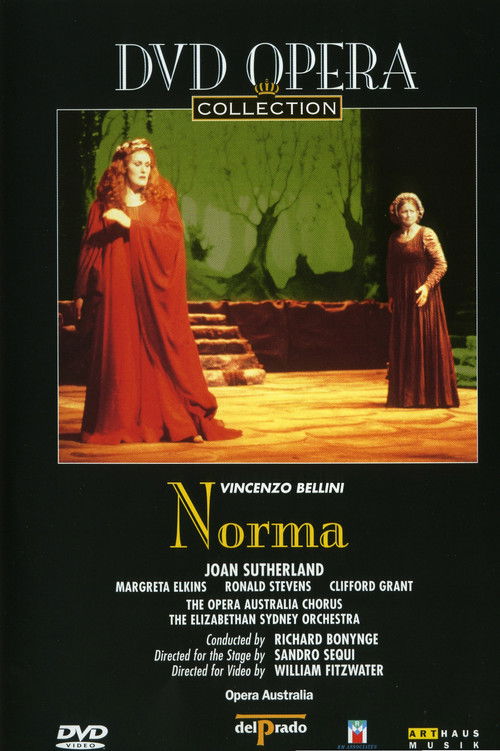
Bellini's opera as presented at the Opera Australia in Sidney in 1991.
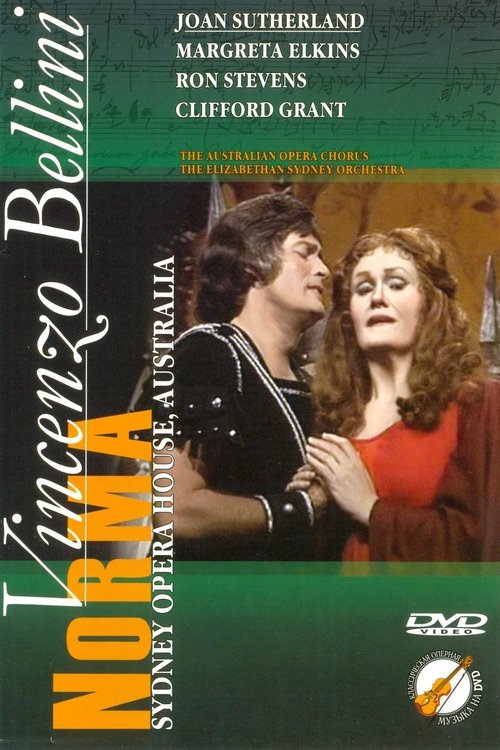
Dame Joan Sutherland considered Norma, the lead character of Bellini’s bel canto melodrama, one of her favourite roles. She performed the brilliant and challenging score for Australian audiences for the first time in this 1978 production at the Sydney Opera House, reuniting with her regular collaborator Margreta Elkins, who plays Adalgisa, as well as Ronald Stevens and Clifford Grant. Set in Ancient Gaul, the opera tells the story of a clash between the Druids and the occupying Romans. In the middle of it all is Norma, the high priestess caught in a dangerous love triangle. This luscious production is directed by Italian director Sandro Sequi and conducted by Richard Bonynge.
No description available.
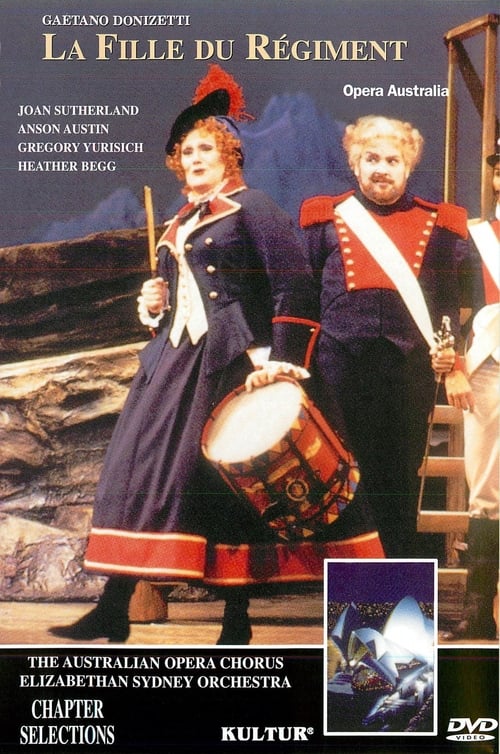
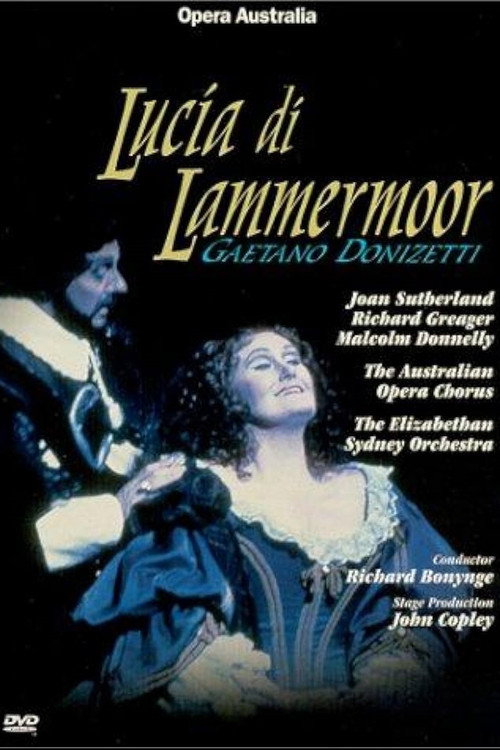
Australian Opera Chorus and Elizabethan Sydney Orchestra production of Donizetti's opera
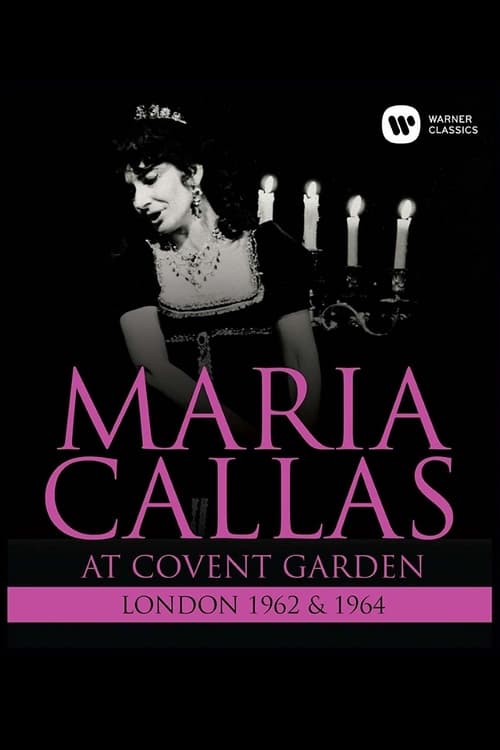
Maria Callas’ legendary live performances from the Royal Opera House, Covent Garden, from 1962 and 1964 celebrate her triumphant return to the Covent Garden stage. Repertoire from these performances include Verdi: Tu che le vanità (Don Carlo), Bizet: Habanera & Séguedille (Carmen) and Puccini: Tosca (Act II complete). Her vivid portrayals of the tragic Elisabeth de Valois, the tantalising Carmen, and her vulnerable Tosca (directed by Franco Zeffirelli) captured the hearts of the London audiences. This is Maria Callas as the world remembers her. Renato Cioni, Tito Gobbi, Robert Bowman, Dennis Wicks Orchestra & Chorus of the Royal Opera House, Covent Garden- Conducted by Georges Prêtre & Carlo Felice Cillario.
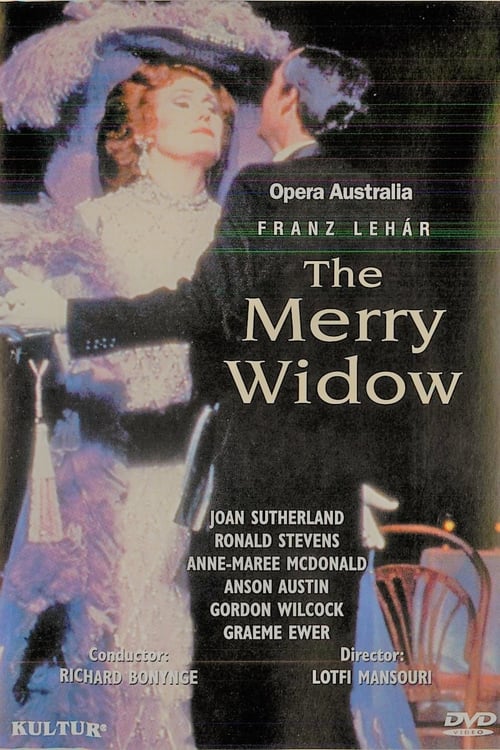
Turn of the century Paris provides the glittering setting for this light hearted tale of political and amorous intrigue amidst the gaiety of Parisian high society.. First performed in Vienna in 1905 and here performed in the English version by Christopher Hassal.
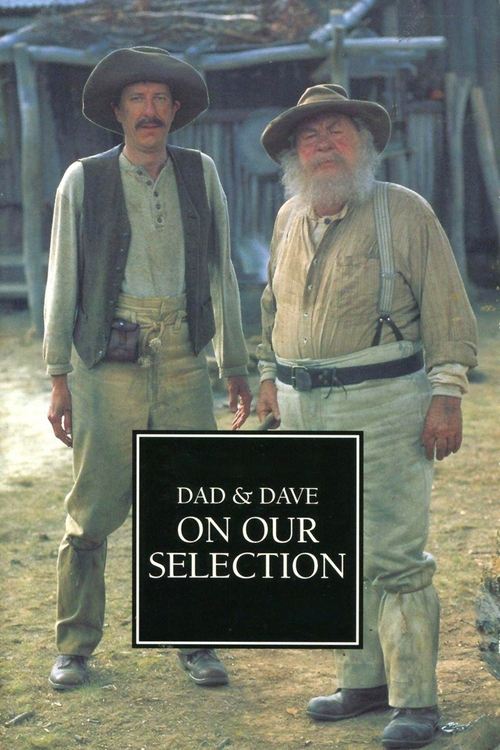
Tired of local corruption and the harshness of his life a bushman demonstrates the true Aussie spirit and decides to run for parliament
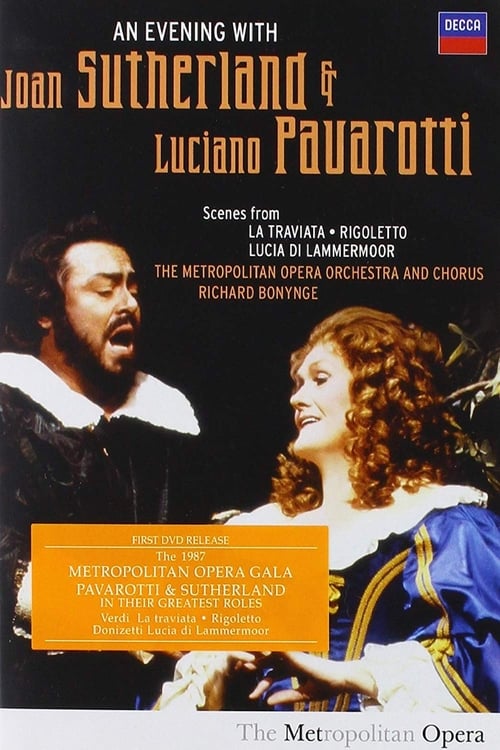
Opera greats Luciano Pavarotti and Joan Sutherland -- one of the most acclaimed tenors and one of the most beloved sopranos of the 20th century -- take the stage at the Met for a gala evening of opera scenes with special guest Leo Nucci. Filmed in 1987, the memorable program includes scenes from the first and third acts of Donizetti's "Lucia di Lammermoor," the third act of Verdi's "La Traviata" and the third act of Verdi's "Rigoletto."
Donizetti wrote Lucia di Lammermoor in 1835, when he was reaching the peak of his reputation as an opera composer. Gioachino Rossini had recently retired and Vincenzo Bellini had died shortly before the premiere of Lucia leaving Donizetti as "the sole reigning genius of Italian opera". Not only were conditions ripe for Donizetti's success as a composer, but there was also a widespread interest in the history and culture of Scotland. The perceived romance of its violent wars and feuds, as well as its folklore and mythology, intrigued 19th century readers and audiences. Walter Scott dramatized these elements in his novel The Bride of Lammermoor, which inspired several musical works including Lucia.
In Luther's beer-cellar, lusty singing extols the virtues of beer and wine. For this evening, the Muse decides to deflect the poet Hoffmann's attention from amorous escapades, so that he will devote himself entirely to his art. Hoffmann tells of the three unhappy loves of his life: Olympia, Antonia and Giulietta.