Janusz Gajos
Acting
Biography
Janusz Gajos (Polish pronunciation: [ˈjanuʂ ˈɡajɔs]; born 23 September 1939) is a Polish film, television and theatre actor as well as pedagogue and photographer. Professor of Theatre Arts and an Honorary Doctor of the National Film School in Łódź, he is considered one of the greatest Polish actors. He is the recipient of numerous awards and honours including the Gold Cross of Merit (1974),[3] Gloria Artis Medal for Merit to Culture (2007), five Polish Film Awards (2001, 2007, 2016, 2016, 2019), Commander's Cross with Star of the Order of Polonia Restituta (2011), and Diamond Lions Award at the Gdynia Film Festival (2015). Description above from the Wikipedia article Janusz Gajos, licensed under CC-BY-SA, full list of contributors on Wikipedia.
Known For

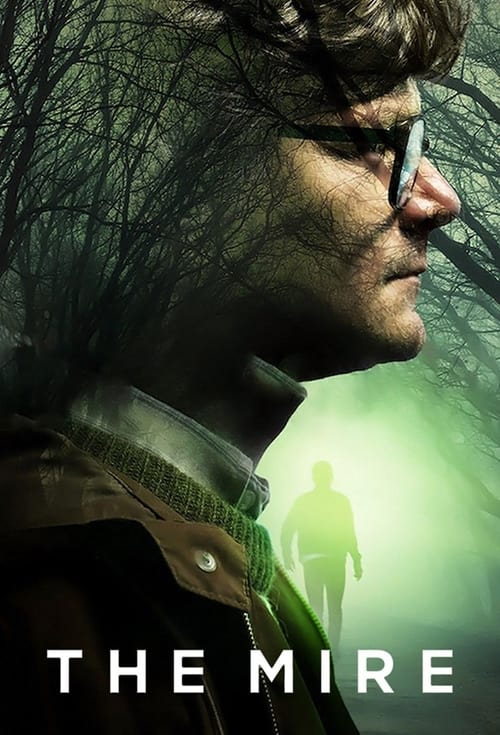
The town is shocked with a brutal double murder. The "Courier" hands the case to an experienced journalist - Witold Wanycz. At the same time, he learns about the mysterious suicide of two teenagers. Together with Piotr, a young journalist, they start their own investigation.
The Mire

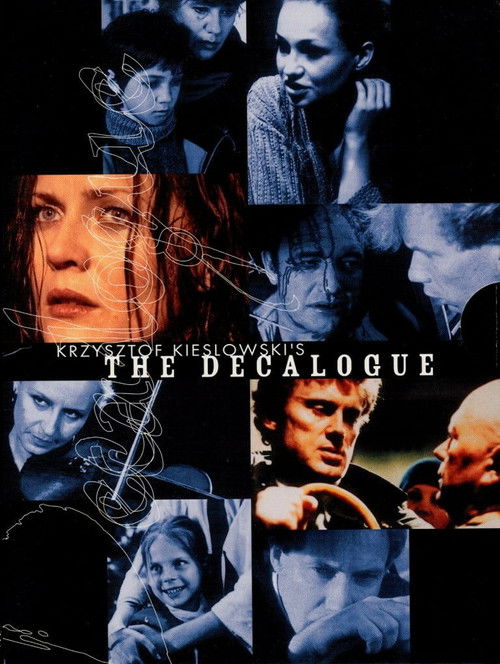
The Ten Commandments, exact and uncompromising, literally cast in stone, continues to provide a source of moral conflict in contemporary society. In the ten part epic masterpiece, The Decalogue, Krzysztof Kieslowski examines the dilemma of fundamental sin in the lives of ordinary Warsaw citizens.
Dekalog

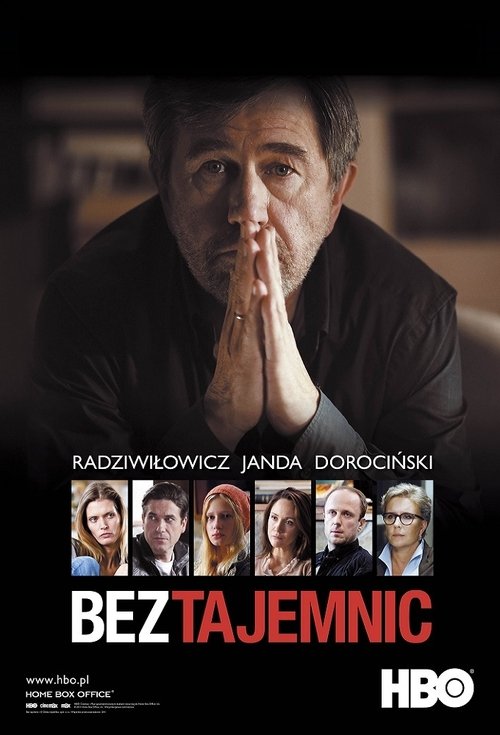
Bez tajemnic is HBO Europe’s Polish adaptation of the Israeli award-winning TV drama series BeTipul (In Treatment), part of a series of adaptations that also includes Romanian, Czech and Hungarian versions. It explores one of the defining features of modern society, therapy, as seen through the eyes of a psychiatrist whose professional and personal life is on the verge of collapse.
In Treatment

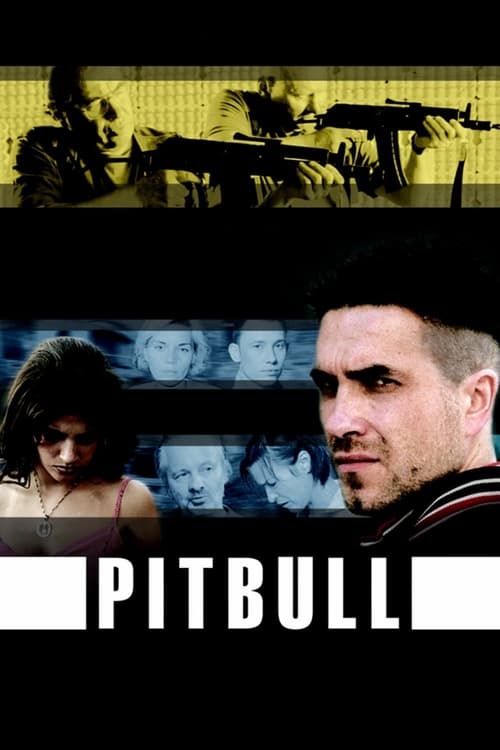
The dark world of crime: murders, racketeering, drugs, kidnappings. There are no rules here. Working in this world makes cops cynical and ruthless. There is a fine line between them and criminals - will any of them cross it? The main characters are officers from the Department for Counteracting Criminal Terror and Homicides. The action of the series is an extension of the threads that appear in the feature film. It presents in a realistic way the brutal and dark world of crime that officers encounter on a daily basis. They're not just tracking down murderers. They fight racketeering, kidnapping, drug trafficking while struggling with their own day to day life and problems.
Pitbull

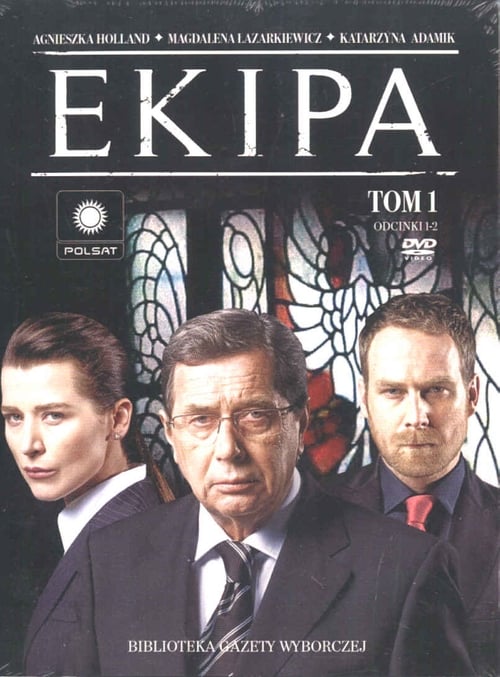
Ekipa is a Polish political drama TV series created and directed by Agnieszka Holland, aired from 13 September 2007 until 6 December 2007 on Polsat. Ekipa is the second Polish political fiction series after the 1980s miniseries The Career of Nicodemus Dyzma.
Ekipa

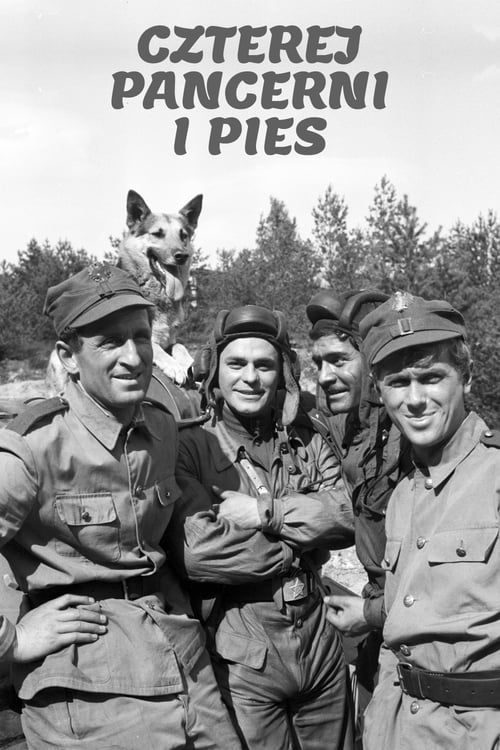
Czterej pancerni i pies was a Polish black and white TV series based on the book by Janusz Przymanowski. Made between 1966 and 1970, the series is composed of 21 episodes of 55 minutes each, divided into three seasons. It is set in 1944 and 1945, during World War II, and follows the adventures of a tank crew and their T-34 tank in the 1st Polish Army. Although both the book and the TV series contain elements of pro-Soviet propaganda, they have achieved and retain a cult series status in Poland, Soviet Union and other Eastern Bloc countries. The T-34 tank Rudy with the identifying number "102", a German Shepherd dog from Siberia Szarik and to a lesser extent the crew Jan Kos, Gustaw Jeleń, Grigorij Saakaszwili, Tomasz Czereśniak, and their commander and mentor Olgierd Jarosz, as well as other heroes of the series, have become icons in Polish popular culture.
Four Tank-Men and a Dog

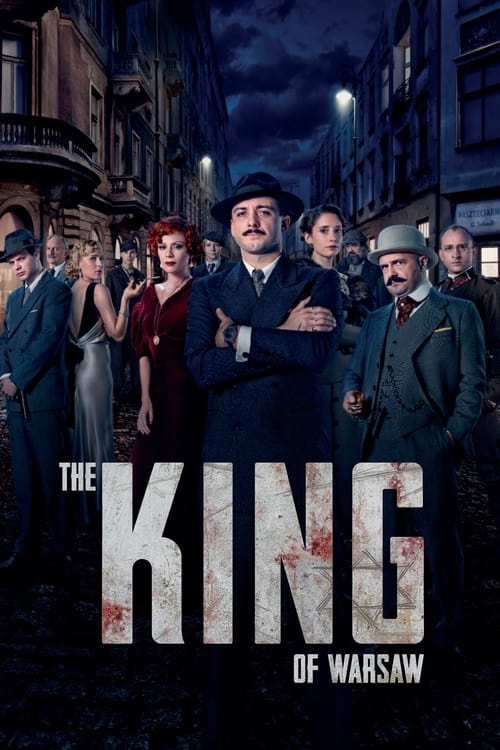
1937 Warsaw, Poland. The Jewish mafia rules the city. Head honcho is gangster socialist, Buddy Kaplica. His right-hand man, boxer, Jakub Szapiro who dreams of taking over Buddy's top spot as King of Warsaw.
The King of Warsaw

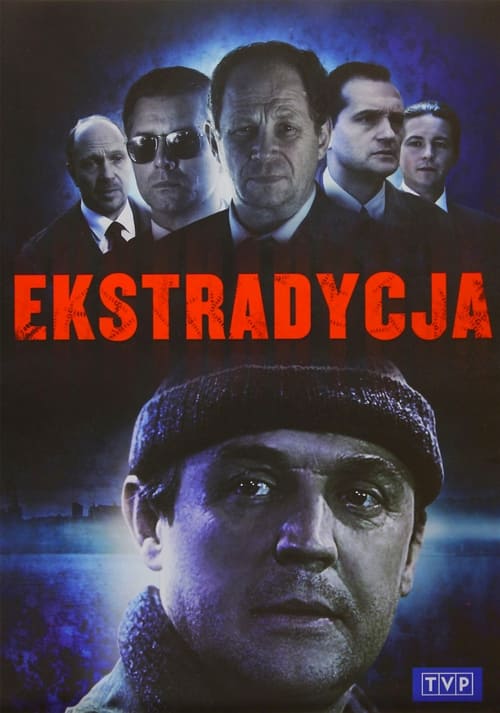
One of the most important action series created during the transition period. It brilliantly and credibly portrays the realities of the 1990s and the work of police officers in a new reality, one in which entirely new criminal groups emerged – drug dealers and warring gangs.
Ekstradycja

Polish immigrant Karol Karol finds himself out of a marriage, a job and a country when his French wife, Dominique, divorces him after six months due to his impotence. Forced to leave France after losing the business they jointly owned, Karol enlists fellow Polish expatriate Mikołaj to smuggle him back to their homeland.
Three Colors: White

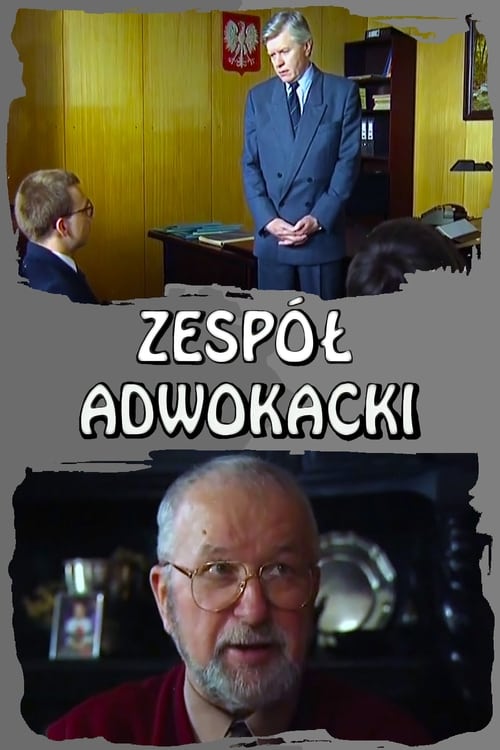
A story about the professional and personal struggles of the lawyers at a law firm in a town near Warsaw. In their work, they encounter a wide range of human problems, while often dealing with complicated family lives of their own.
Zespół adwokacki

An epic tale of a hundred years of Polish history from the perspective of women, the titular maidens and widows. Set against the backdrop of turbulent historical events.
Panny i wdowy

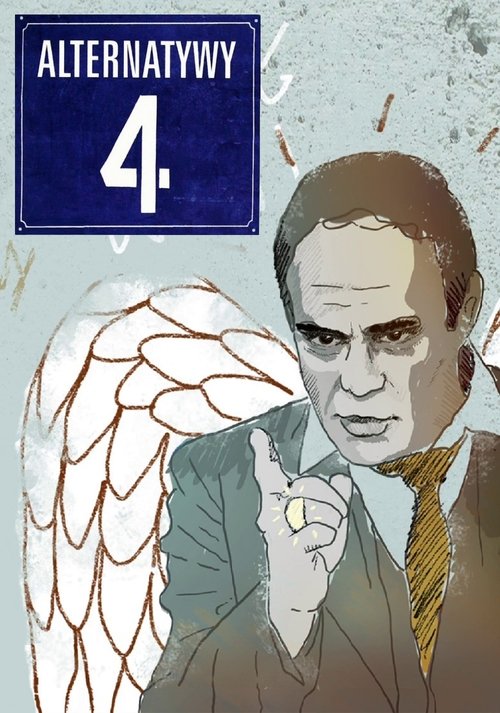
4 Alternative Street was a Polish comedy TV show that was finished in 1983 and aired in 1986 due to censorship. Many famous Polish actors appeared in the series. The filming location used in the mini series was a residential complex which is still in existence at 3 Grzegorzewska Street in Warsaw, Poland. The series was a satire to the communist rule in Poland, spoken in a way that it passed through communist censorship office.
4 Alternative Street

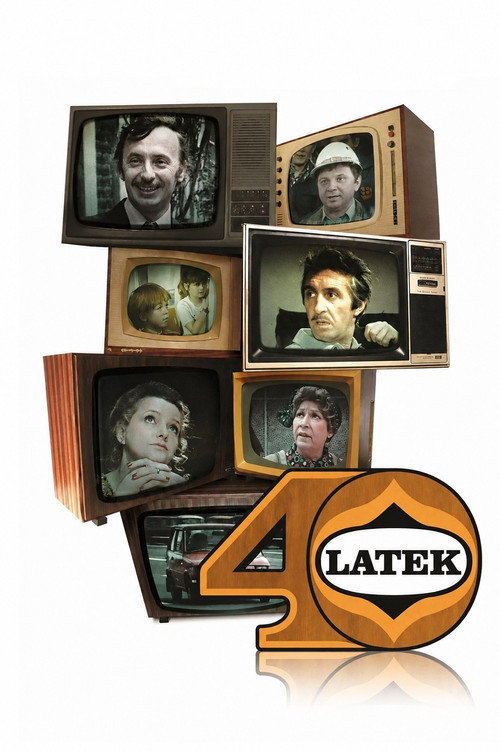
Czterdziestolatek or 40-latek was a Polish television comedy series broadcast between 1974 and 1977. The first series enjoyed so much popularity that it has successfully continued and led to the release of a feature film I'm a Butterfly, a 40-year-old Love Affair and a New Year's Eve television program in 1975. The series was written by Jerzy Gruza and Krzysztof Teodor Toeplitz and was broadcast on Telewizja Polska. In total, 21 episodes were produced. The series followed the fate of a Warsaw family and explored topics related to midlife crisis, such as extra-marital affairs, attempts to quit smoking, obsession with hair loss, efforts to maintain physical fitness, pride in achievements and professional life, the desire to seek self-fulfillment through social activities, etc.
Czterdziestolatek
No description available.
The Butler

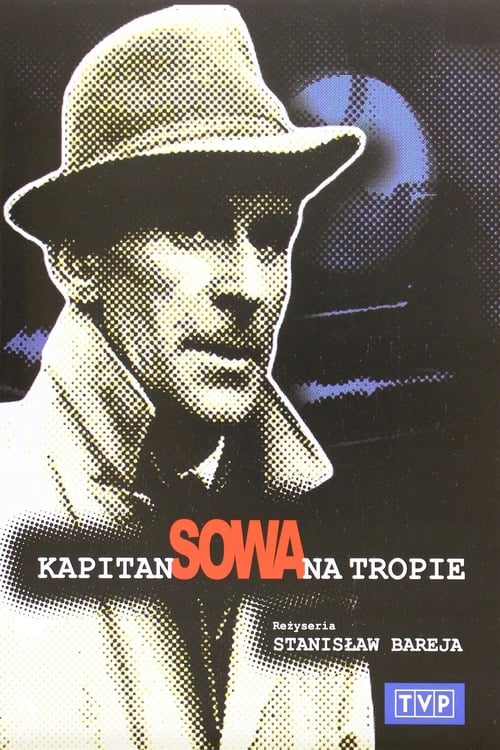
Kapitan Sowa na tropie is a Polish series from 1965 directed by Stanisław Bareja. It was the first Polish criminal series made after World War II.
Kapitan Sowa na tropie

Based on true events. In 1980s Poland, Jerzy Górski is a young man who finds the determination to struggle against his drug addiction through athletic training, with the aim of competing in the US Ironman Triathlon.
Breaking the Limits

Shortly after World War II an American soldier (Norman) and a Polish refugee (Emilia) fall in love. Eventually he will return to the U.S. and both expect that she will soon follow him with her mother. Emilia's mother is sick, but will recover with the right medicine. But the mother, and not Emilia, knows that there will only be one ticket...
A Year of the Quiet Sun

No description available.
Przedwiośnie

A violinist in a provincial Polish orchestra, whose husband is the director of the ensemble, on a visit to the US ties up with the world- renowned symphony conductor. As it turns out he was once in love with violinist's mother. The conductor, a slightly unstable hypochondriac, returns to Poland to lead the provincial orchestra. He also tries to revive old love affair using the violinist as a surrogate of her mother. Her husband is resentful of the conductor for both personal and professional reasons.
The Conductor

No description available.