Aloysio Raulino
Directing
Biography
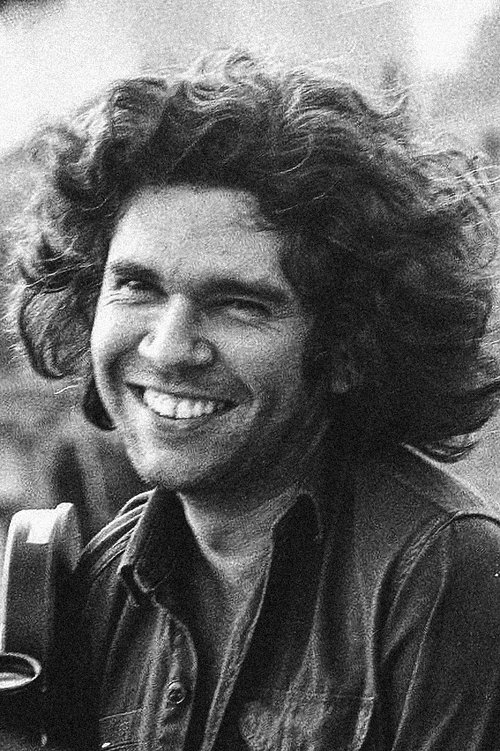
Aloysio Raulino (1947-2013) was a Brazilian cinematographer, screenwriter and director, who worked extensively in documentary shorts. His films, mostly shot in São Paulo, are usually centered around the poverty and misery that plagues large numbers of the Brazilian population.
Known For

All the feature is given prestige to by the narration in Caetano Veloso's voice, that also signs one of the segments of the project. São Paulo is the largest city of the Southern Hemisphere, with an incessant dynamics of cultural mixtures, with immigrants of all the world and migrants of all parts of Brazil. The gathering of these peculiarities are seen through the 13 film directors's sensibilities and their segments.
Welcome to São Paulo

Love, sex and death get mixed in a love story between two desperate boys in a big city.
A Classic, Two Home Matches, No Away Game

A marginal version of Brecht’s piece, “Baal”.
Canção de Baal

No description available.
Comitiva Esperança
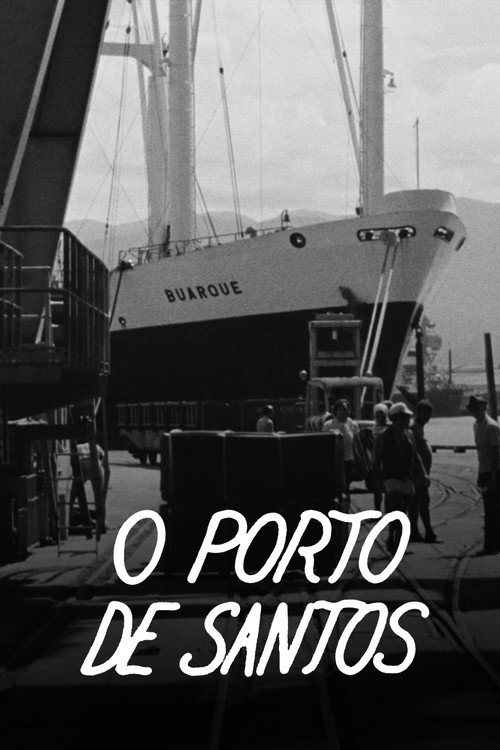
A portrait of Santos Port, its geography, workers and the life that surrounds it, including the poor, prostitutes and the night life inhabitants.
O Porto de Santos

No description available.
Sangria

Deraldo, a popular poet from Northeast Brazil, arrives in the capital of São Paulo, making a living only from his poetry and pamphlets. All is well until he is mistaken for a multinational worker who killed the boss at a party where he received the title of symbolic worker.
The Wrung-Out Man

São Paulo, late 30's. Alberto is an intellectual and professor who announces to his friend and pupil Polidoro he won a scholarship to study in Paris. In Paris Polidoro receives a letter in which Alberto announces that he married Helena. Polidoro returns to Brazil in 1945, when there was a strong political agitation against the New State. Alberto invites Polidoro to spend a few days at his home in Campos do Jordão. After reaching the site he is told by Helena that Alberto was forced to travel urgently. She insists he should stay there until the return of her husband and, while waiting, she seduces him. Then, after several days of intense passion, she orders Polidoro to go away and never see her again.
Ao Sul do Meu Corpo
Documentary wich tries to capture the iconoclastic spirit of the 1922 Week of Modern Art, to tell about the beginning of cinema made in the city of São Paulo.
Paulicéia Fantástica

No description available.
Vozes do Medo

Lambusca, a man from the State of Paraíba, Brazil, goes to São Paulo, looking for a job. But he ends up working for a group of fishy loan sharks, collecting money. In one of his visits, the debtor dies. The police then starts chasing him, believing he had murdered the man.
O Baiano Fantasma

The making of an unfinished film about phobias. Says the director. Behind the screens, he discusses at length (with e.g. Coffin Joe) about the aesthetic boundaries of the project: volunteers under controlled circumstances become immersed in their phobias in order to film the fear on their faces.
FilmeFobia

Rui arrives in a small town looking for his father, a prospector. Before that, he gets involved with Maria, who is facing problems in the family. Maria's stepfather is the head of a gang and will go to any lengths to prevent Rui from finding his father.
Cristais de Sangue
Supported by the works of poet/musician Claude Miller, the film portraits a snippet of brazilian reality.
Inventário da Rapina

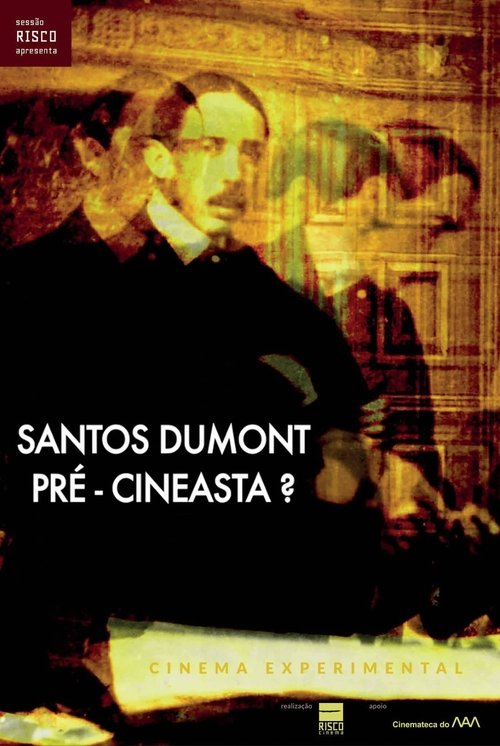
The documentary’s starting point is the discovery and restoration of a rare and unknown photography reel reproduced from a mutoscope film, made in 1901 in London, about Santos Dumont (1873 – 1932). The work approaches historic and artistic aspects from the beginning of Cinema (pre cinema, variety film) and a cinema that appropriates archive material (found footage, recycled films), through interviews, documents, visual metaphors and the articulation of a poetic essay.
Santos Dumont: Pré-Cineasta?

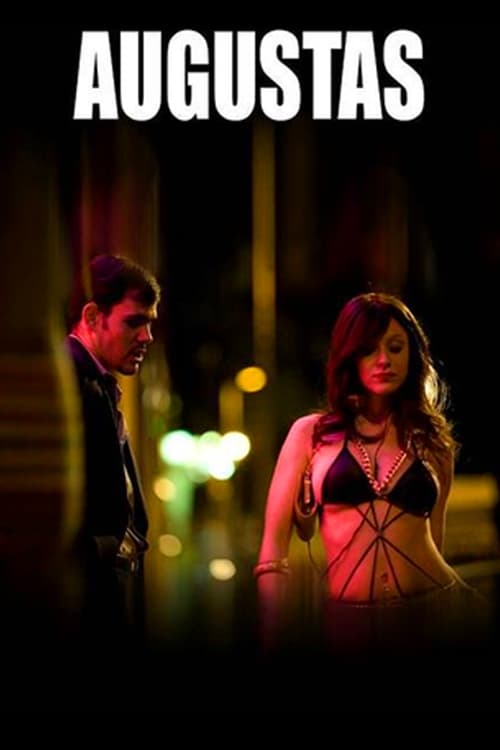
On mythical Augusta Street, in San Paulo (Brazil), a journalist who seeks answers for his angst dives into the world of prostitution and neo-Shamanism rituals.
Augustas

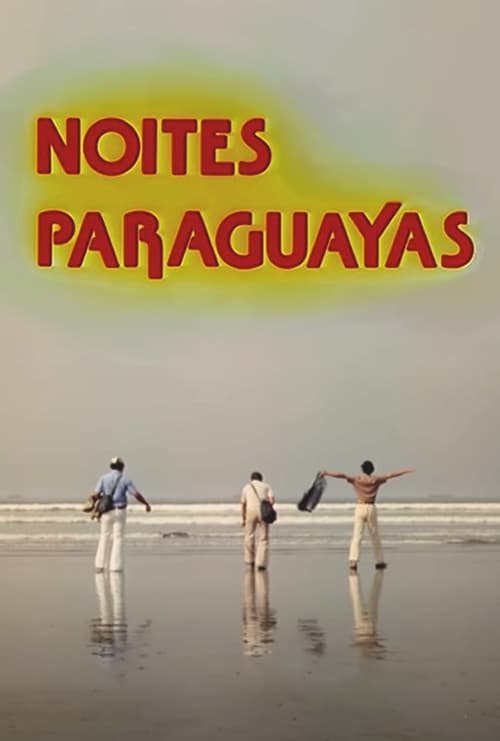
The path of Paraguayan immigrants who drive to Asuncion and then arrive in São Paulo. They are rural workers, musicians, vendors and underemployed people. Two parallel worlds: the Guarani culture and the Brazilian adventure in São Paulo juxtaposed with Paraguayan songs and the Guarani language, spoken by the main characters.
Noites Paraguayas

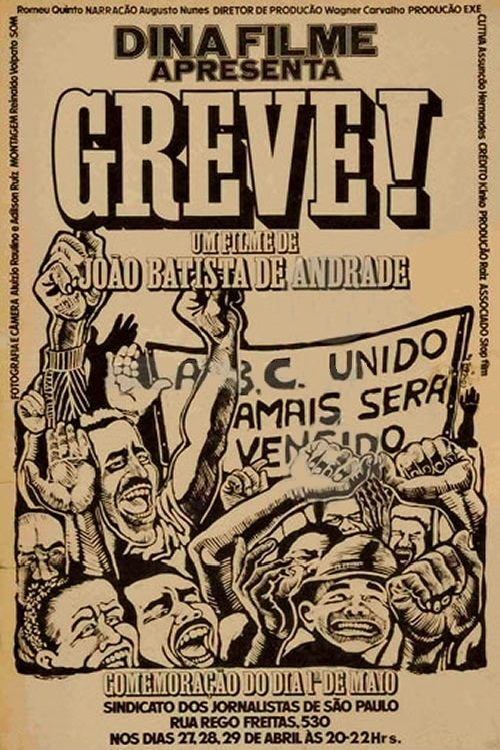
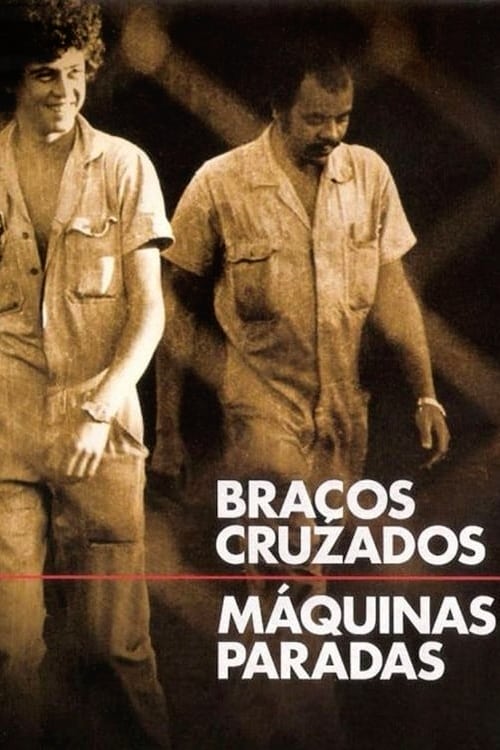
Documentary about the strikes that took place in São Bernardo do Campo, in the State of São Paulo, Brazil, circa 1979/1980. That moment was of utmost importance, since it revealed a Union leader, Luís Inácio "Lula" da Silva, who would later become President of Brazil. It was also the moment when PT, the Workers' Party, became a relevant political force in Brazil.
Linha de Montagem

The street carnival in the city of São Paulo: the scenary, the samba schools, the blocks, the passers-by, the trance. Film made from black and white photographs, with classic samba songs in the soundtrack.
Arrasta a Bandeira Colorida

In 2002, the greatest prison in Latin America, Complex Carandiru, was demolished. A couple of months before its implosion, director Paulo Sacramento trained some inmates and together with his crew, they produced many hours of footage, showing daily life in prison.