Helge Kjærulff-Schmidt
Acting
Known For
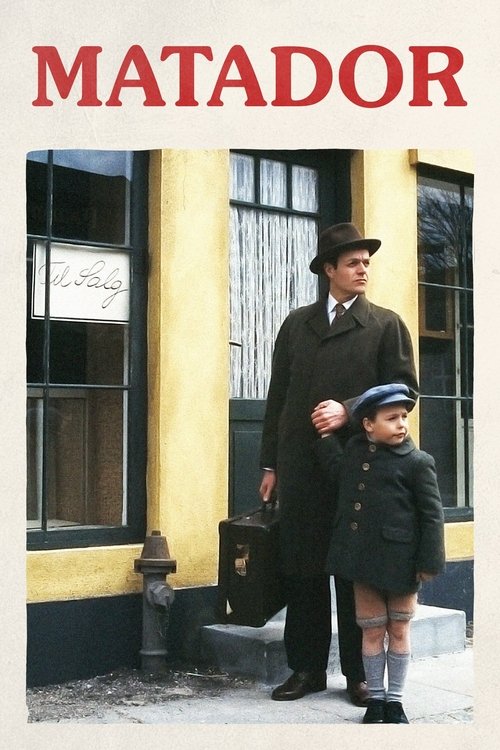
Matador is a Danish TV series produced and shown between 1978 and 1982. It is set in the fictional Danish town of Korsbæk between 1929 and 1947. It follows the lives of a range of characters from across the social spectrum, focusing specifically on the rivalry between the families of two businessmen: The banker Hans Christian Varnæs, an established local worthy, and social climber Mads Skjern, who arrives in town as the series opens. The name Matador was taken from the localised edition of the boardgame Monopoly, also the series' tentative English title. In addition, in contemporary Danish a "matador" is often used to describe a business tycoon, in the series referring to the character of Mads Skjern and his craftiness as a self-made entrepreneur. Directed by famed Danish film maker Erik Balling, Matador was the idea of author Lise Nørgaard who wrote the bulk of the episodes alongside Karen Smith, Jens Louis Petersen and Paul Hammerich. The series is one of the most well-known and popular examples of Danish television and represents the peak of longtime development of Danish TV drama by the public service channel Danmarks Radio. The series has become part of the modern self-understanding of Danes, partly because of its successful mix of melodrama and a distinct warm Danish humour in the depiction of characters, which were portrayed by a wide range of the most popular Danish actors at the time; but also not least because of its accurate portrayal of a turbulent Denmark from around the start of the Great Depression and through Nazi Germany's occupation of Denmark in World War II.
Matador
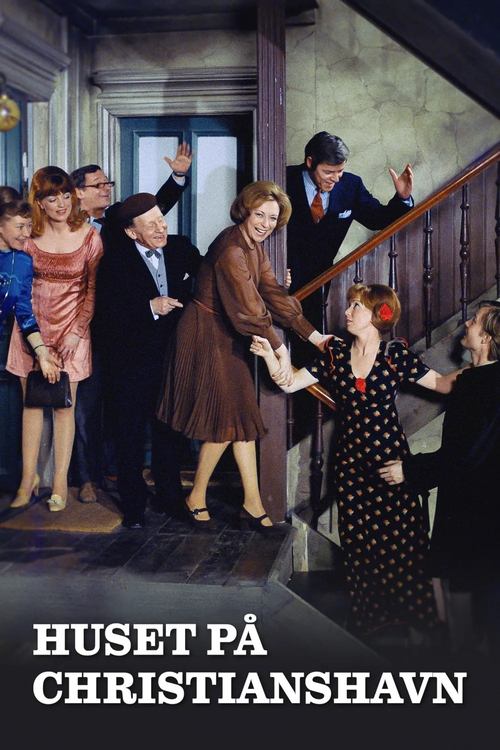
The series follows the residents of an apartment building on Copenhagen's Christianshavn, as they go about their daily lives and challenges. There is Olsen, a mover with an old fashion view of the world, Clausen who runs the local pet shop, Egon the career focused assistant, their wives who work hard to keep their spouses lives together, the young couple Tue and Rikke who recently moved in, the hard working caretaker Meyer, who never puts in to much effort, and of course Emma, the innkeeper of Rottehullet, where all the important decisions are made while running up the bar tab. The series was produced by Nordisk Film for Danmarks Radio TV station between the years 1970-77. The series' first director was Ebbe Langberg, then Erik Balling and Tom Hedegaard respectively. The series was conceived by an author team of well-known Danish authors such Leif Panduro, Benny Andersen, and Lise Nørgaard.
The House at Christianshavn
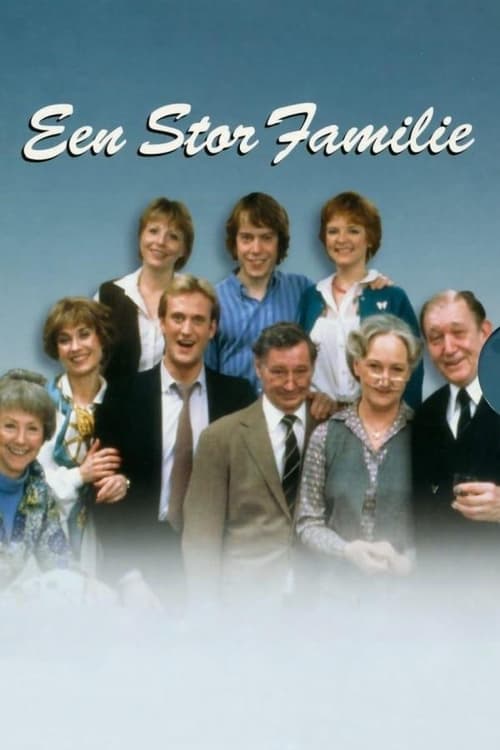
One Big Family is a Danish television series in 12 episodes, first broadcast in 1982-1983. The series was directed by Bent Mejding, while the script was written in turns by Lise Nørgaard, Paul Hammerich and Jane Aamund. The series is produced by Nordisk Film for Danmarks Radio.
One Big Family

When the members of a caravan of pioneers find a daisy growing in the middle of the desert they decide to stop there and to build their town on this very spot. Houses soon spring up like mushrooms, immediately followed by a bank, a saloon, a prison, etc. Daisy Town is born. Unfortunately a city does not go without its bad boys and the peaceful place is soon turned into a lawless place. To restore law and order, a lawman is needed. Lucky Luke, the cowboy who shoots faster than his shadow, will be this man: all the villains had better watch out!
Daisy Town
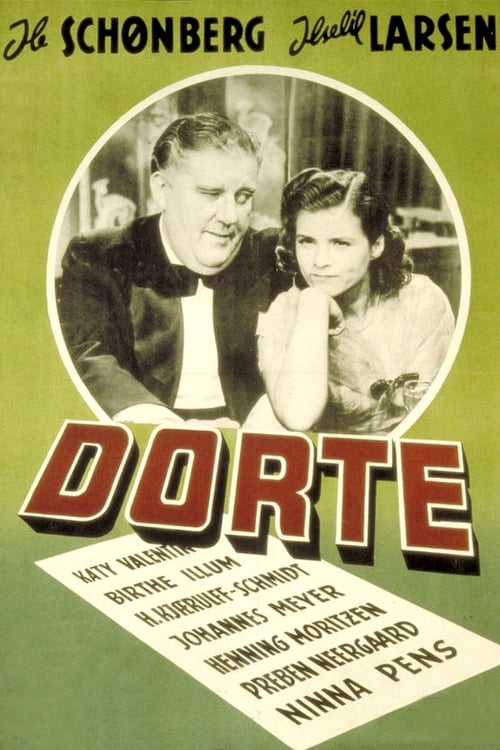
A train pulls into Copenhagen Central Station, and 16-year-old Dorte gets off. She needs to find some people on a road somewhere near Svanemøllen. Here, in a beautiful villa, lives Asger Haensen, a director who runs a large company in Copenhagen. He lives with his two children, Margot and Steen. Asger Haensen lives a superficial and overly expensive life—among other things, he has an expensive girlfriend. In the evening, the doorbell rings at the director's house. Outside stands Dorte with a letter that must be delivered to him personally. The letter reveals that Dorte is the result of a small youthful mistake on the part of the director. So Dorte stays in the house. Dorte does not quite fit into the elegant home. But she is feisty—and brings life to the house!
Dorte

A young orphan is sent to live in a Danish village where he is cast out because his mother was a West Indian. With nowhere to turn, the ingenious survivor begins devising a new life outside of town.
Boy of Two Worlds
Old Corfitz and his young wife are plagued by all the visitors who fill their house to wish them luck. But the worst thing for Corfitz is the uncertainty: Is he the father of the child? TV version of Ludvig Holberg's comedy from 1723.
Barselstuen
It's evening and mother Alice read bedtime stories for her three children.
H.C. Andersens sagor
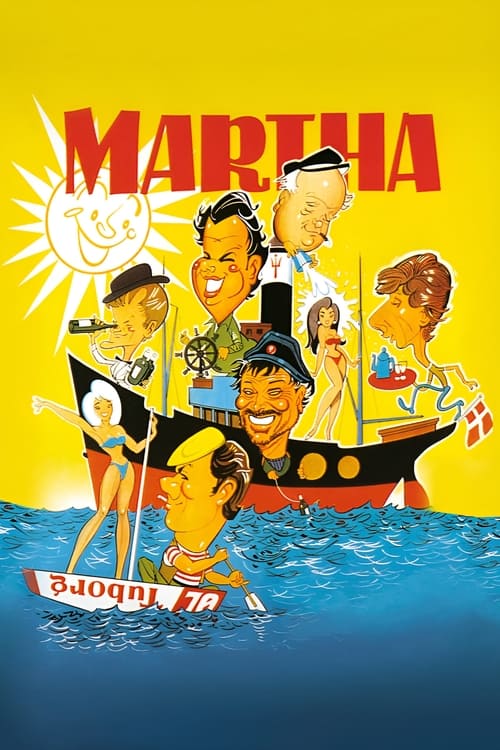
The oldest ship in the fleet, Martha, and her jolly crew, must race Harald and win, or it's the scrappers next.
Martha

Residents of the old house are quite happy with their existence. But once they find out that the authorities plan to demolish the entire neighborhood including their house in order to build a business center they decide to unite and fight the plan...
Our Home Is Our Castle
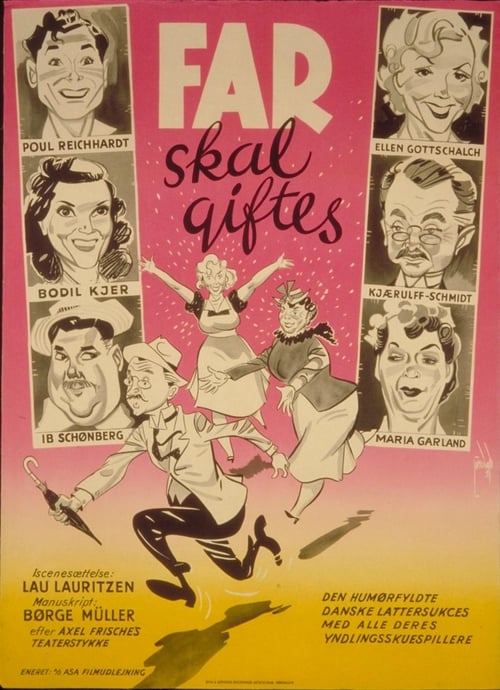
The world-distant and absent-minded professor Jacob Jensen lives exclusively for his science and his stamps. He has no idea what is going on around him, in his own home. In the 11 years since his wife died, his capable, wise and lovable housekeeper Karen Frederiksen has, with a loving hand, managed the home for him and his 3 children. The aspiring amateur boxer Oscar and the 2 daughters Else-Margrethe and Birthe. She has shared in the children's sorrows and joys and has often lent them money when they have had dry pocket pains. She has praised and scolded them at the right times - in short, she has been in their mother's place. Both the professor and the children take her for granted. They take her services, big and small, for granted, and do not quite understand what she really means to them.
Far skal giftes
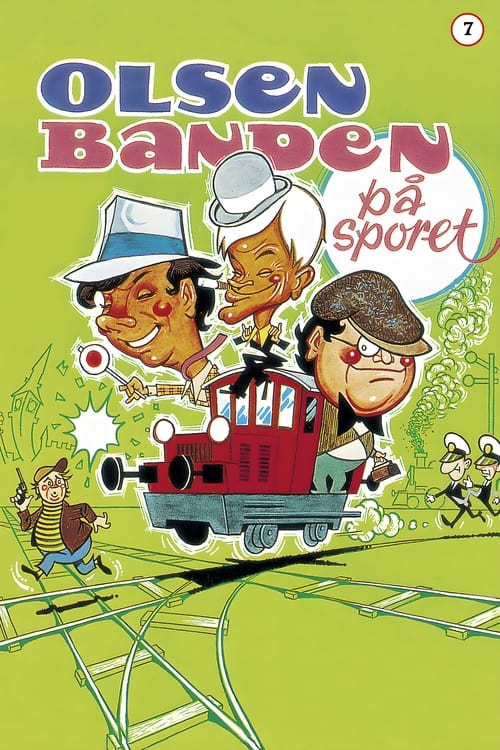
Egon and his two cronies managed to sneak a fortune with them to Spain. Here they live a life in a whirl of pleasures, but they are not truly happy. While Egon always has the money chained to him, Bøffen still manages to steal them. Egon ends up in jail once again, and when he comes out, he has a brilliant plan.
The Olsen Gang on the Track
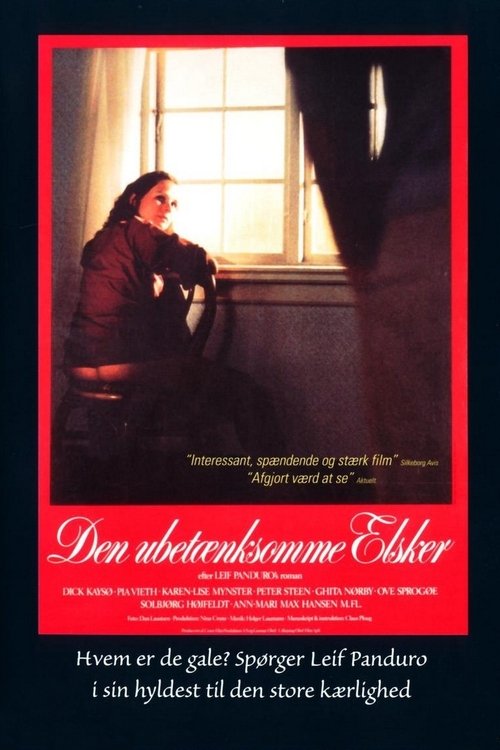
Psychological drama about a doctor who, after taking over a practice in a small community, becomes entangled in some of the local intrigues. This has emotional consequences, including his attraction to a young schizophrenic girl and his wife leaving him.
Den ubetænksomme elsker
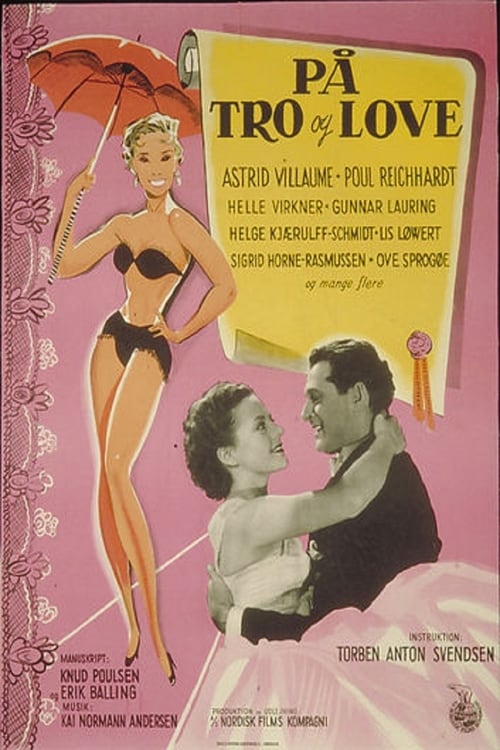
The young advertising executive Hans and his young wife Grete, who is a dentist, have a considerable annual income between them – and they pay dearly for this to the tax authorities. They calculate that they can save a considerable amount of money by getting divorced. Their friend and lawyer Georg, after much hesitation, agrees to help them with the divorce. However, their "marriage" continues, but it is not long before they each discover that temptation lurks just around the corner—and it is difficult to resist...
På tro og love
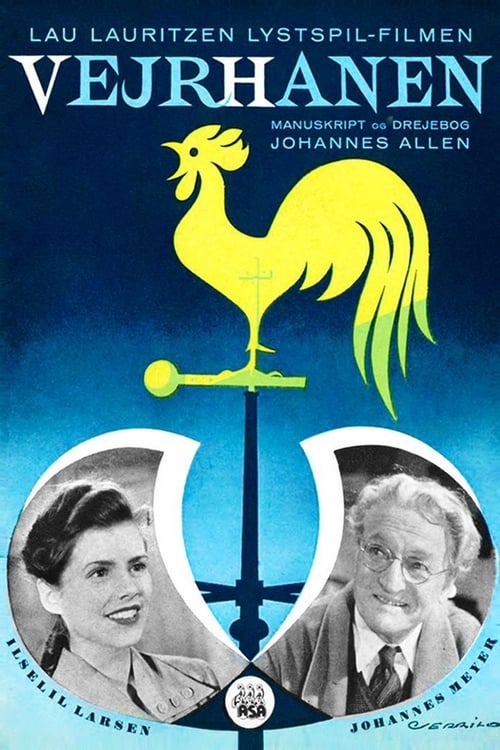
Theodor Nielsen lives a peaceful life with his adult daughter Eva. Then the weather vane on the nearby church tower starts squeaking every night. Theodor goes to the priest, who refers him to the Ministry of Ecclesiastical Affairs, which in turn refers him to the municipality, which in turn does nothing. Theodor takes advantage of his side job at the radio station and tells all the listeners about the annoying weather vane. Theodor becomes a folk hero and is encouraged to run for municipal office. He is elected but is heavily manipulated by his party colleagues. However, Eva helps him get back on track.
Vejrhanen
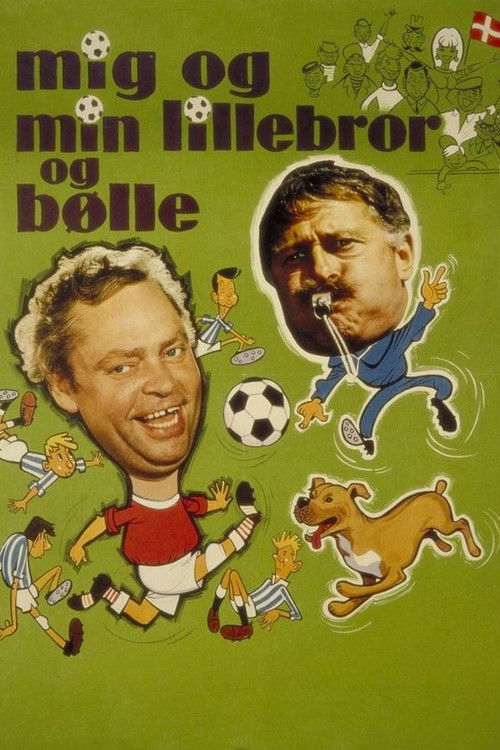
The third film about the two good-natured brothers Søren and Peter and their family on the small island of Bomø. This time, the brothers have acquired a soccer-loving dog named Bølle, who turns out to be able to predict the results of betting pools. This causes chaos in the betting service, on Bomø, and at Christiansborg.
Me and My Kid Brother and Doggie

What might become the greatest challenge for the elderly Brasen couple having opened a summer guest house by the sea? Financial struggle or the sudden influx of demanding residents? Based on Herman Bang's short-story.
Sommerglæder
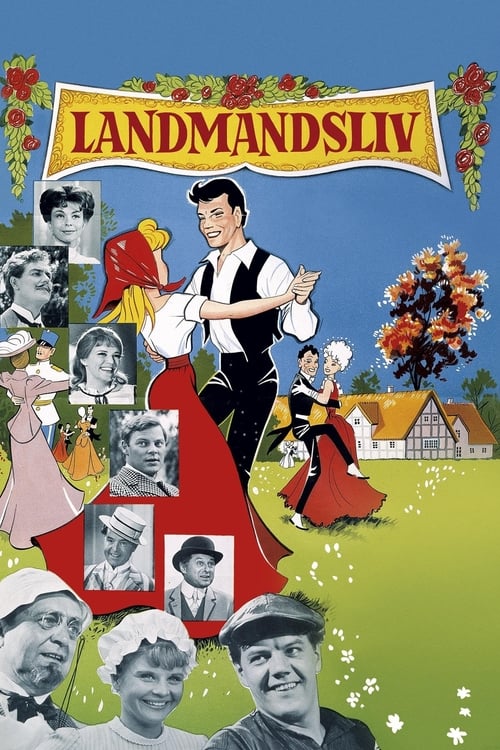
The landowner couple Von Rambow are experiencing significant financial difficulties and are therefore forced to leave their residence and their happy life in Copenhagen. Instead, they must settle for the more down-to-earth life of farmers. The young maiden Marie Møller is deeply in love with Von Rambow's cousin Count Frantz, but he prefers the estate inspector's beautiful Louise. The unfortunate Triddelfitz, on the other hand, is madly in love with Marie Møller, which leads to many complications before all the pieces of the puzzle of love fall into place.
Landmandsliv
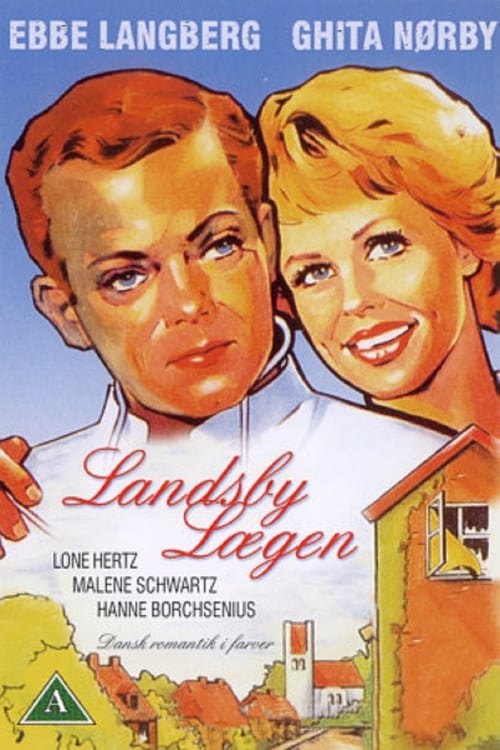
The old doctor, Dr. Bonnesen, is a tired old man. He wants to sell his practice and has been corresponding with the young doctor Jens Winther. Jens arrives in Fjorslev to discuss a possible takeover of Bonnesen's practice and his patients. Bonnesen's beautiful young housekeeper, Anne Mette Krogh, welcomes him. Bonnesen takes a liking to Jens Winther and makes him an offer he cannot refuse.
Landsbylægen
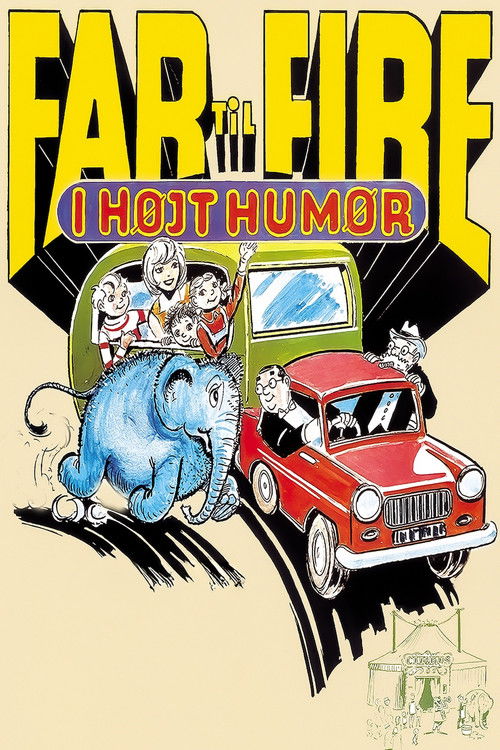
Uncle Anders and tiny Per has won a caravan in a contest. It's summer vacation, and the family takes in high spirits off to Jutland with their new home towed behind the car. One morning they discover that the Benneweis circus is setting up tents near the campsite