Directing
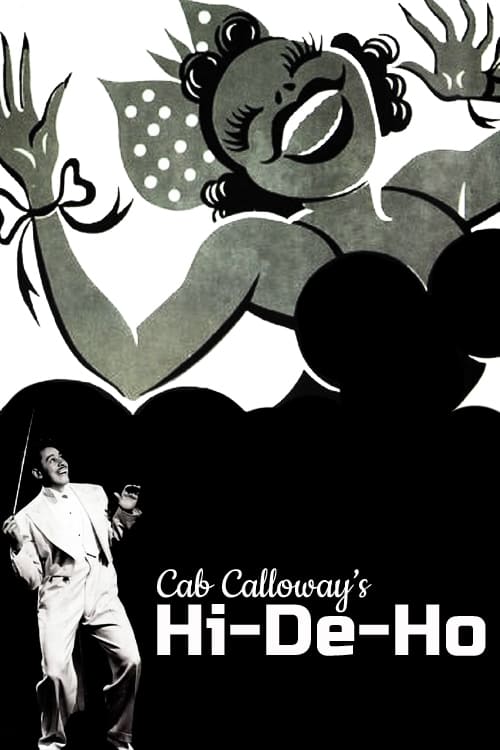
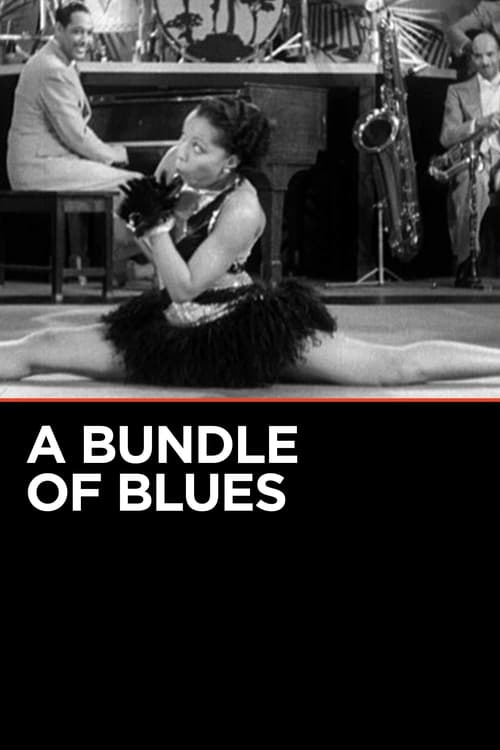
This jazz musical short has a comedy plot about marital infidelity. Bandleader Cab Calloway plays a ladies man who dates the wife (Fredi Washington) of a train porter who is frequently absent from home. Calloway and his Orchestra perform "Zaz-zuh-zaz" and "The Lady with the Fan" at the Cotton Club in Harlem.
Chester Waddington secretly marries society girl Patricia Flynn, a fact that is revealed at a party celebrating her engagement to another suitor. A brawl ensues.
Lucky Millinder and His Band are joined by Sister Rosetta Tharpe.
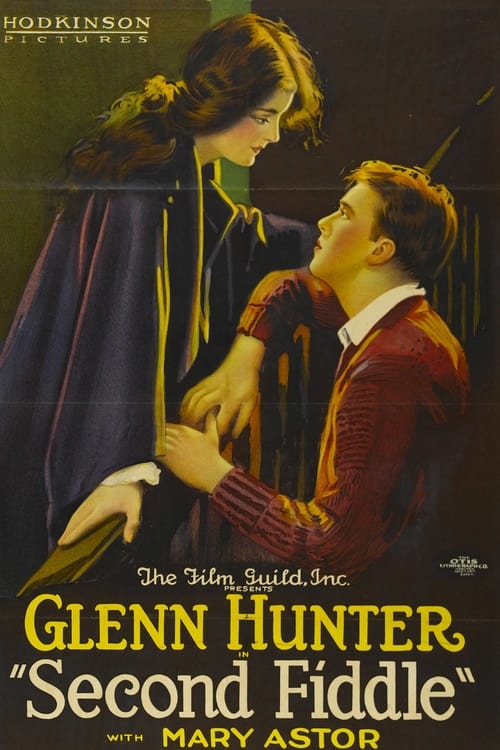
Jim Bradley has always played second fiddle in his family -- while his older brother, Herbert, goes off to college, Jim becomes a garage mechanic. When Herbert returns home, it's easy for him to steal Jim's girl, Polly Crawford. But trouble comes to the Bradley's town when Cragg murders his daughter and breaks into the family's home. Herbert goes for help, leaving Jim with an empty gun to protect their mother and Polly.
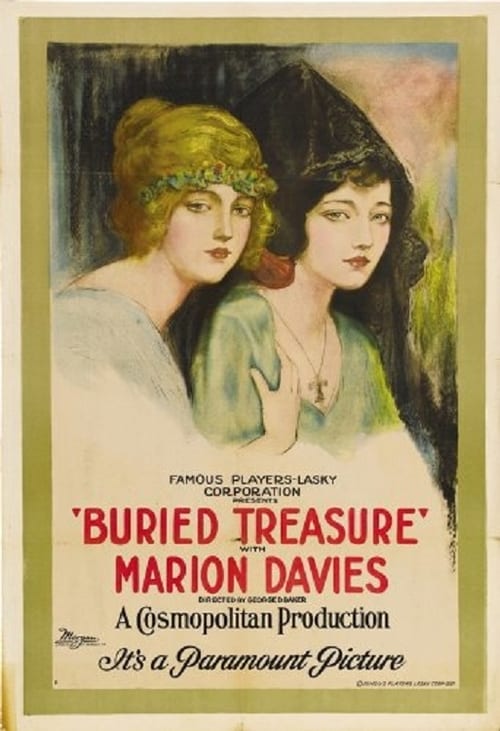
Strung around the idea of reincarnation, this film goes back in time to the days of the Spanish galleons and pirates burying their treasure; treasure to be found centuries later.
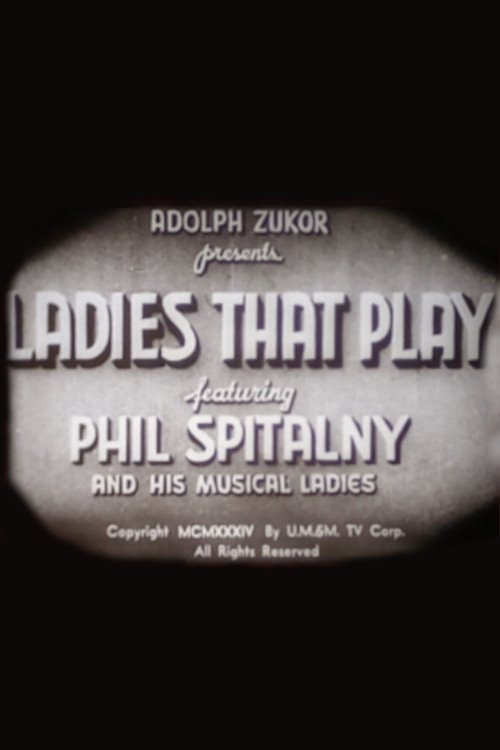
Phil Spitalny and His Musical Queens, an "all girl" orchestra.
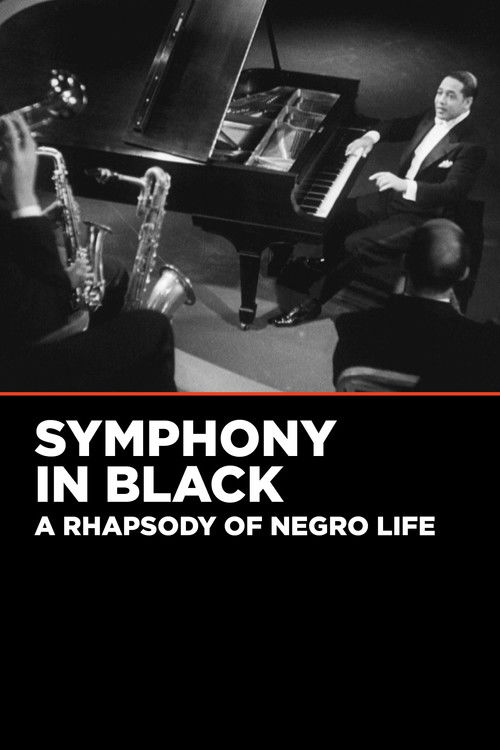
Duke Ellington and his orchestra play two jazz compositions plus 'Stormy Weather' (sung by Ivy Anderson).
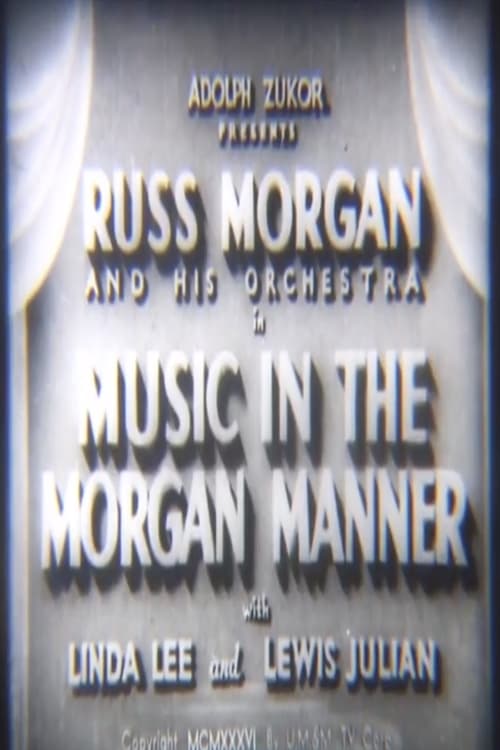
This is the full ten minute film from which the Russ Morgan "Meet The Bandleaders" segment was created on video in the 1980s. It features Russ in his first year, singer Linda Lee, and Lewis Julian, a former NBC page boy. Also featured is 22-year-old Billy Fisher on saxophone and clarinet (in front of the bass drum), who later played with Al Donahue and the CBS Orchestra. He was later the arranger for the Ed Sullivan and Jackie Gleason shows and the Tony Awards.
Ted MacDonald and his father, Edmund, sail to the South Seas to treat a cholera epidemic among the natives. Upon their return to Long Island, New York, Edmund is diagnosed with the disease, requiring him and Ted to remain on his ship, with regular visits by a doctor. Socialite Lois Brooke takes it upon herself to board the vessel, and she is also placed under quarantine. Lois and Ted fall in love, and during an extended visit to her home, he is seduced by her life of endless parties and hot jazz. An avaricious interloper attempts to come between Ted and Lois, but Edmund persuades them to return to the ship and continue their charitable mission.
Cab Calloway performs at the Cotton Club before he takes his friends down to Harlem for a jitterbug party.
Here is the first of two shorts Isham Jones did for Paramount. "You're Just a Dream Come True" (Theme), Medley: "I'll See You In My Dreams", "On The Alamo", ":It Had to be You" "Spain", "I Can't Believe it's True", "This Little Piggie Went to Market" Vocal by Vera Van, "Inka Dinka Doo" Vocal by the Eton Boys' "Lizst's Second Hungarian Rhapsody"
A musical short with Richard Himber and His Orchestra at the center of things.
Musical short with Isham Jones & Virginia Verrill.
A one-reel short shot against a nightclub background in which several names from New York City radio programs do a variety of turns. Jack Gilford, a mimic, gives his takes on the likes of Harry Langdon, Rudy Vallee, George Jessel and Henry Armetta'. Loretta Lee sings a song and Babs Ryan does a musical number with the help of her brothers. Edward Paul and his orchestra provide the music.
Freddie Rich and his band perform a selection of musical numbers.
A swing music short starring Ina Ray Hutton and her 'all-girl' band.
In the first of Paramount's "Headliner" series, narrator Ted Husing travels up and down and around Broadway and other main stem New York City locations, and views the likes of Earl Carroll picking show-girls for hie Varieties; Al Jolson and Jack Benny rehearsing their radio programs; and other celebs, such as Gary Cooper visiting The Big Apple, and Bea Lillie and Sophie Tucker and others caught by the Headliner camera.
A rising nineteen-year-old singer by the name of Billie Holiday made her screen debut in this musical landmark, which features Duke Ellington and his orchestra performing his symphonic jazz piece “A Rhapsody of Negro Life” set to scenes of everyday African American life.
A short with music and boxing.
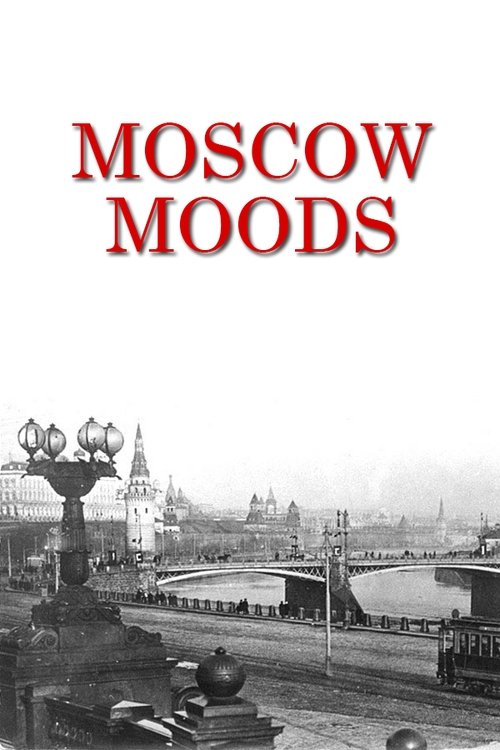
Moscow Moods is a 1936 American short film directed by Fred Waller. It was nominated for an Academy Award at the 9th Academy Awards in 1936 for Best Short Subject (One-Reel).