Editing
Jordana Berg (Rio de Janeiro, 1963) is a Brazilian film editor.
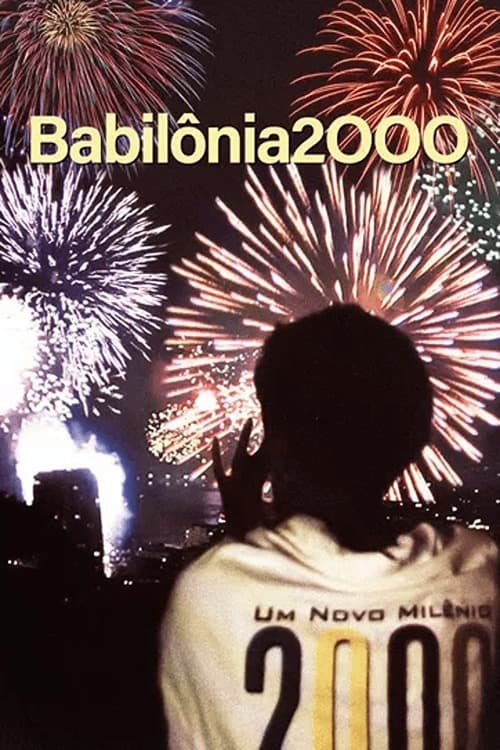
Documentary on poor people living in a slum in Rio de Janeiro, on the occasion of New Year's Eve of 1999.
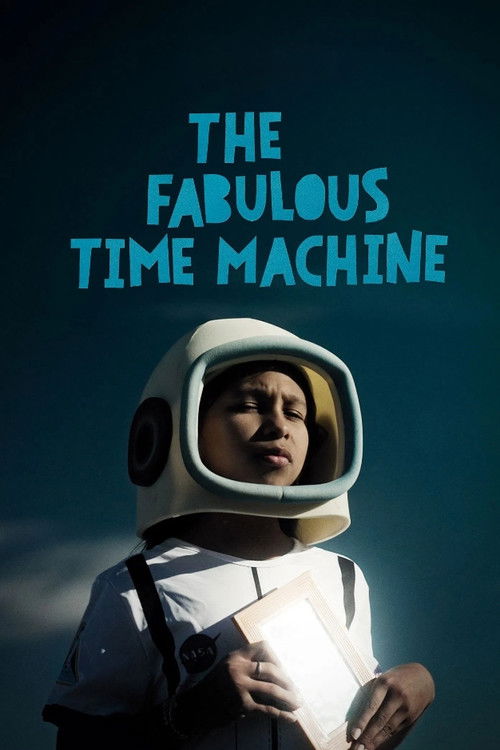
What if it were possible to travel back in time to dream of other futures? In the hinterlands of Brazil, young girls navigate the delicate transition from childhood to adolescence while grappling with social media, religion, their dreams, and the stories of the women who came before them. By inventing a time machine, they revisit the pasts of their mothers and grandmothers and imagine a future in which they can be free, fulfilled, and in control of their own choices.
The film is the life of a woman from birth to death. All scenes will be real. The character will be lived by several people, of different ages, in different regions of the country. Filmed as a documentary, it will be transformed into fiction through the manipulation of images.
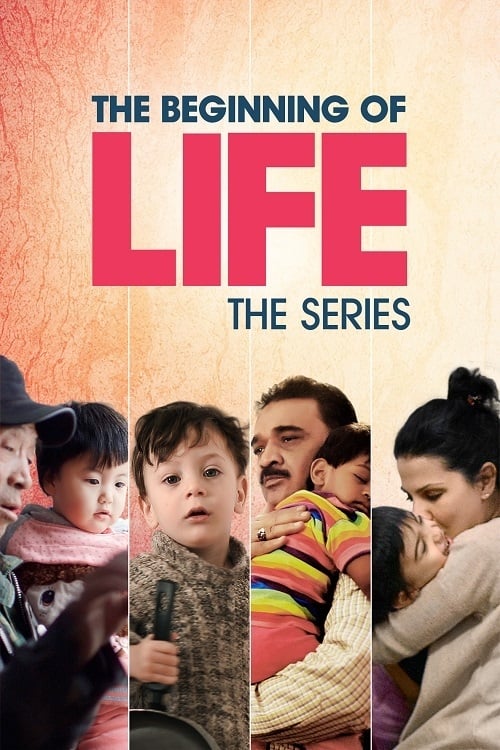
Using breakthroughs in technology and neuroscience, this series examines how environment affects infants - and how infants can affect our future.
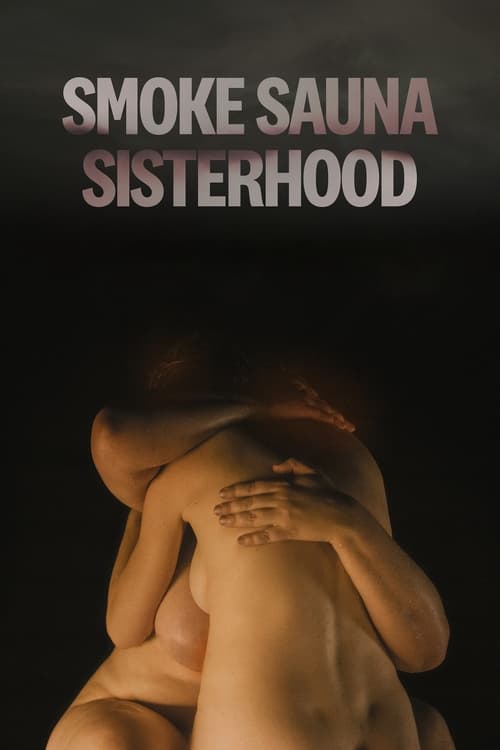
Women share their innermost secrets and intimate experiences inside an Estonian smoke sauna. Cleansing their bodies and baring their souls, they embrace the healing power of sisterhood.
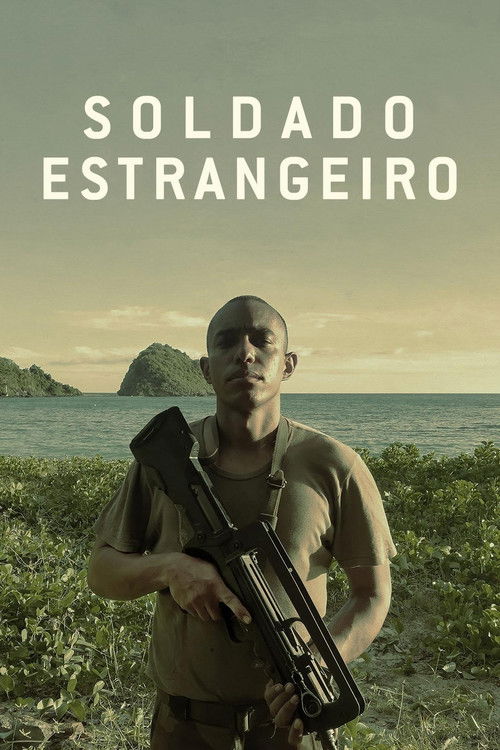
Three Brazilians live different stages of the same choice: to be a warrior in a great army of a foreign nation. Discover stories of characters who have enlisted in the Foreign Legion, Israel and the United States.
The historical, political, and social context of Brazil in the 1960s, 1970s, and 1980s, and the impact of each decade on the life and work of the acclaimed actress Marília Pêra.
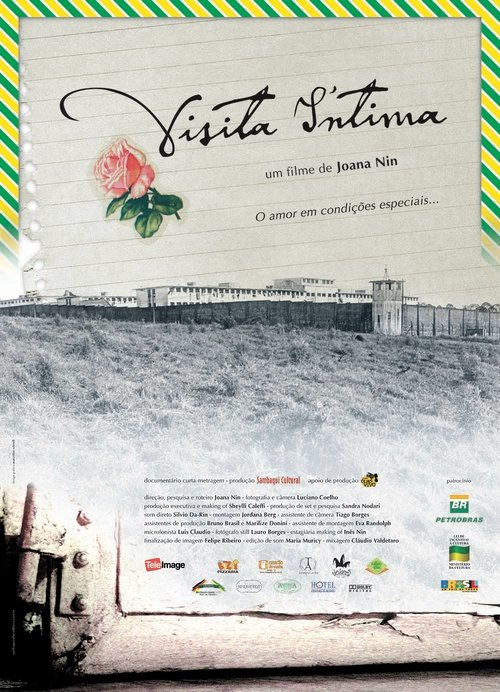
What makes a free woman choose a prisoner to develop a loving relationship? “The Visit” is a film about love in this special condition. Among the characters, some met their partners in the penitentiary; others had been visiting their husbands for decades. They feel valued by them and say they are well loved. They are women who insist on a relationship full of constraints and privations, even suffering various consequences of this option on a daily basis. In this film the prison universe is almost exclusively present in the report of the women, and never from the point of view of the husbands.
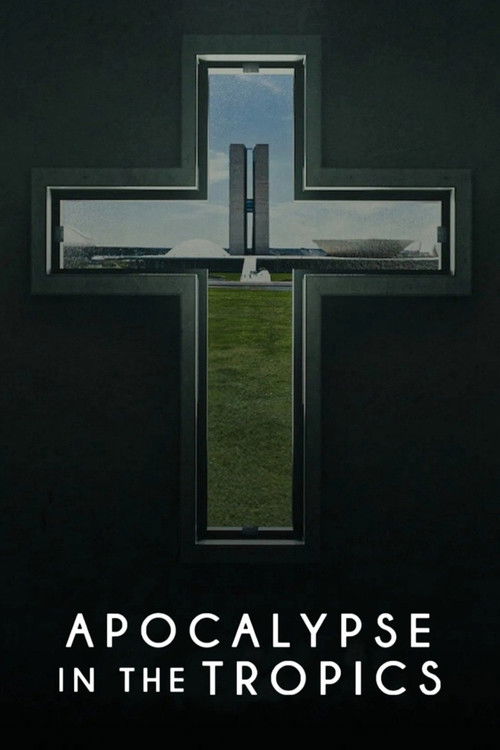
Through deep examination, this documentary from Oscar nominee Petra Costa explores the profound impact of evangelism on Brazil's political landscape.
Discover the history of the Chic Show ball, an iconic black music party in São Paulo. The event was a milestone in the life of São Paulo. Held in halls across the city in the 1970s and 1980s, the show became a meeting point for black culture and opened up space for funk, soul, rap and pagode, among other rhythms. The party welcomed names such as Tim Maia, Sandra de Sá, Gilberto Gil, Djavan, Bebeto and Carlos Dafé, as well as international artists such as Kurtis Blow, Betty Wright and James Brown.
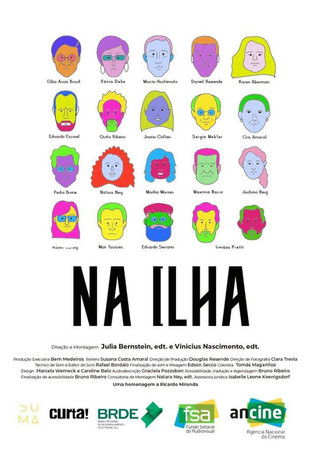
Immersive documentary in the film editing process. Twenty Brazilian cinema editors expose the nuances of this art, its secrets and processes.
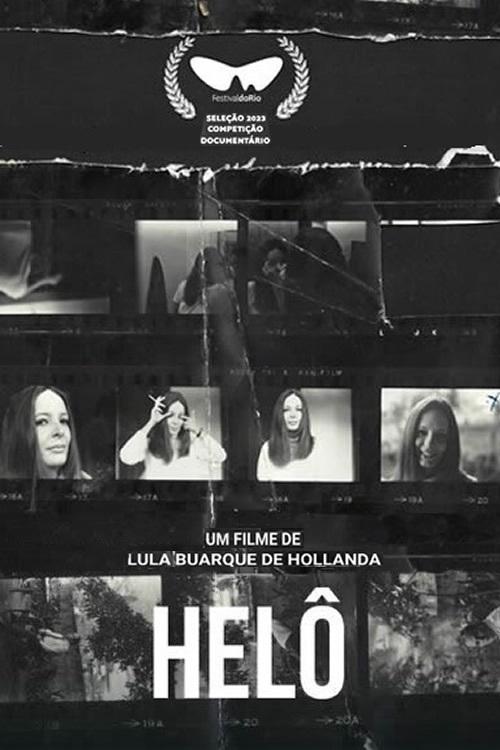
Considered one of the main Brazilian intellectuals, Heloisa Buarque de Hollanda — a member of the Brazilian Academy of Letters — left important marks on national thought and continues to be, at 84 years old, an active voice on the country's cultural and behavioral issues. The documentary sheds light on the trajectory of this icon who has always been at the forefront, serving as an antenna and beacon for cultural and social movements that are to come, while delving into Heloisa's intimacy thanks to the access of her eldest son, director Lula Buarque de Hollanda.
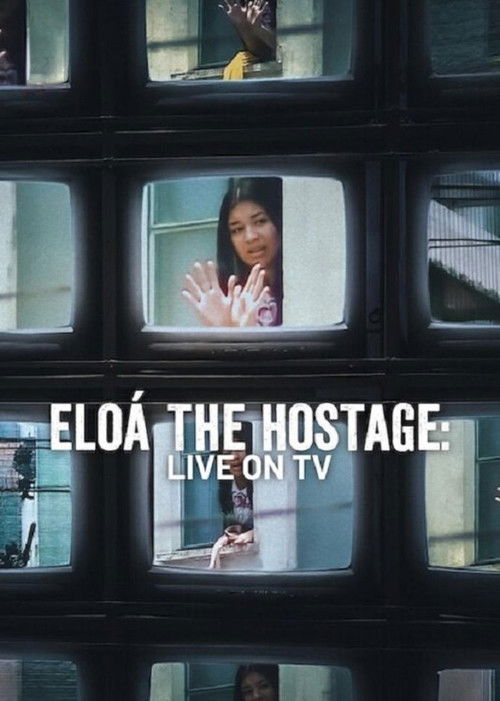
A tragic hostage case from 2008 Brazil unfolds through unseen diary entries, family interviews, and media coverage, as a 15-year-old girl is held captive by her ex-boyfriend for 100 hours while TV networks broadcast it live.
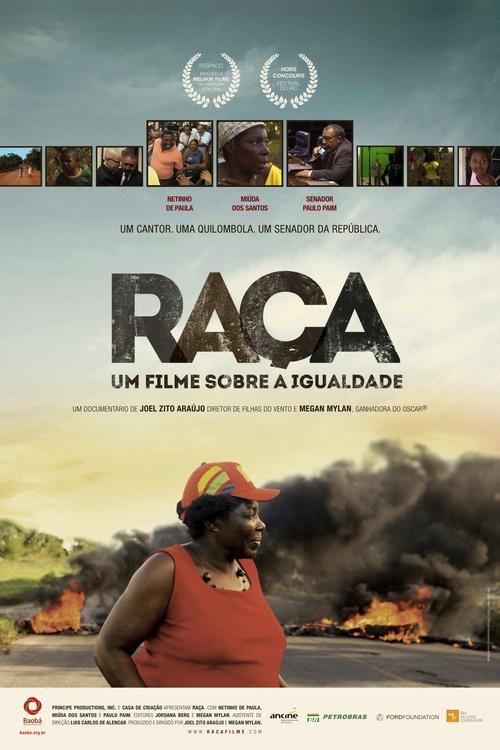
Documentary on ethnic relations in Brazil.
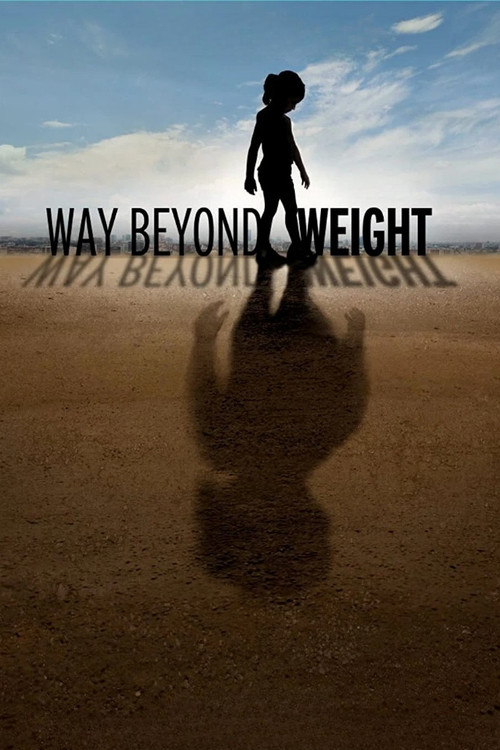
Today, one third of Brazilian children are overweight. This is the first generation to introduce diseases previously restricted to adults, such as depression, diabetes and cardiovascular problems. This documentary examines the case of childhood obesity in the country especially, but also in other countries in the world, interviewing parents, school representatives, and government officials responsible for food advertising.
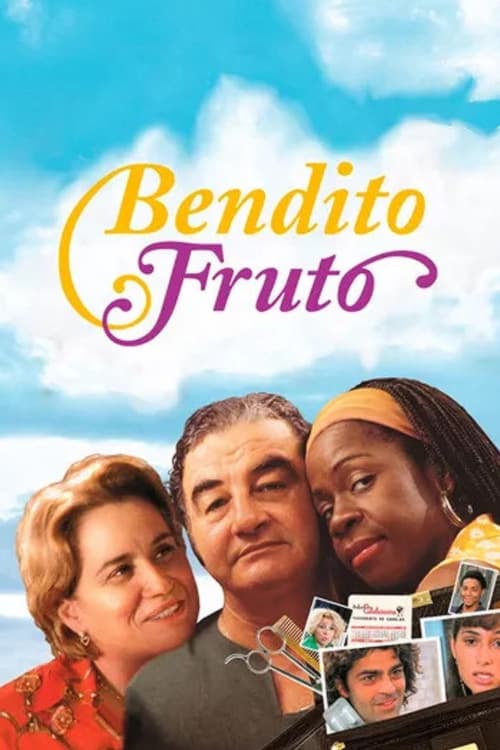
An accident involving a flying manhole cover leads to a chance meeting between two childhood friends: a widow and the owner of a beauty parlor. Thus begins an entertaining game of seduction that brings memories and hidden desires to the surface - furtive passions that end up threatening the hairdresser's de facto marriage.
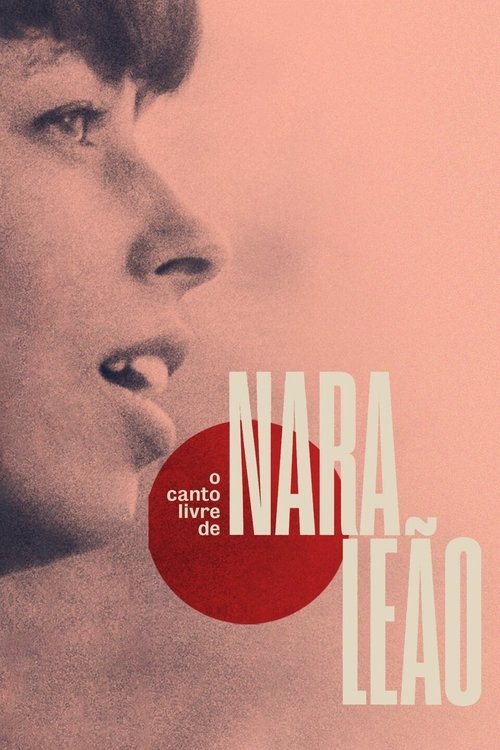
Nara Leão revolutionized Brazilian music, broke prejudices, confronted the military dictatorship, opened paths for women. All this without changing the tone of her voice.
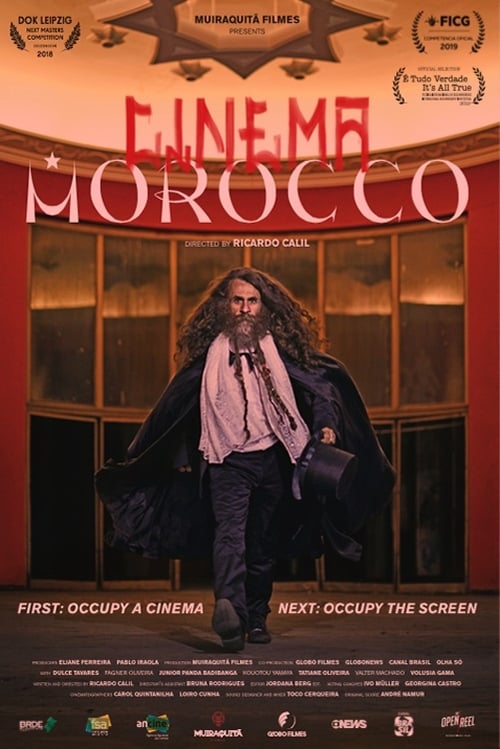
For two decades, Cine Marrocos, a movie theatre in the heart of São Paulo, was one of the most popular and opulent of the city. After it was closed, in 1972, it was occupied by a homeless workers' movement. The documentary tells the story of the people who lived there, alternating scenes from an acting class with those of the movies exhibited there in the past.
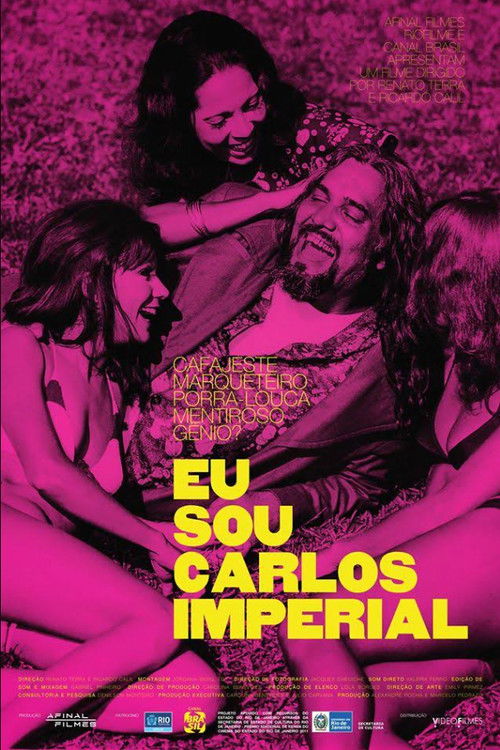
The story of a legendary figure in Brazilian culture, the multifaceted Carlos Imperial. He was a convinced womanizer and cafajeste, he was a director and actor, created TV shows, composed songs like “Vem Quente que Eu Estou Fervendo” and “Mamãe Passou Açúcar em Mim”. In addition, he is responsible for launching big names in Brazilian music, such as Roberto Carlos, Elis Regina and Tim Maia.
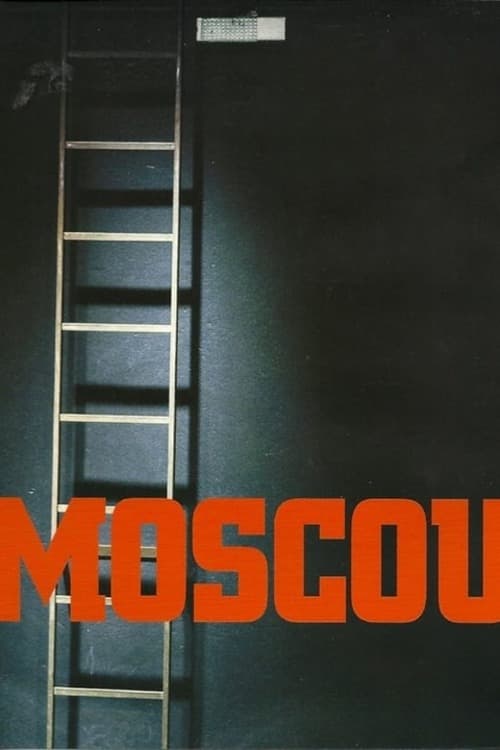
Continuing the exploration of the thin line between truth and performance, Eduardo Coutinho turns his attention to the drama generated during rehearsals for the Galpão Theater Company’s performance of Chekov’s The Three Sisters. As he shoots scenes from the play, Coutinho attempts to capture the very moment in which reality becomes fiction and vice versa—whether through the actors’ bodies and words or in backstage scenes of a performance that will exist only on film.