Gérard Patris
Directing
Biography
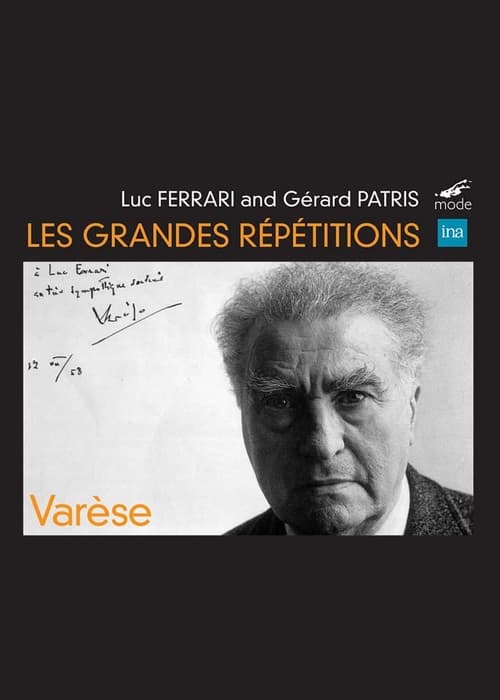
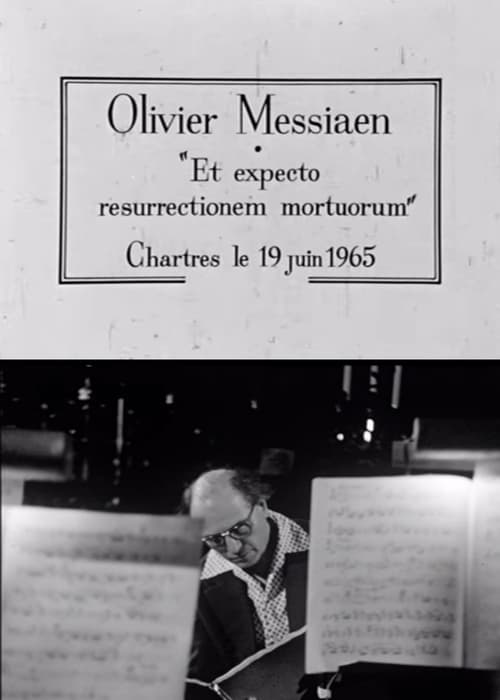
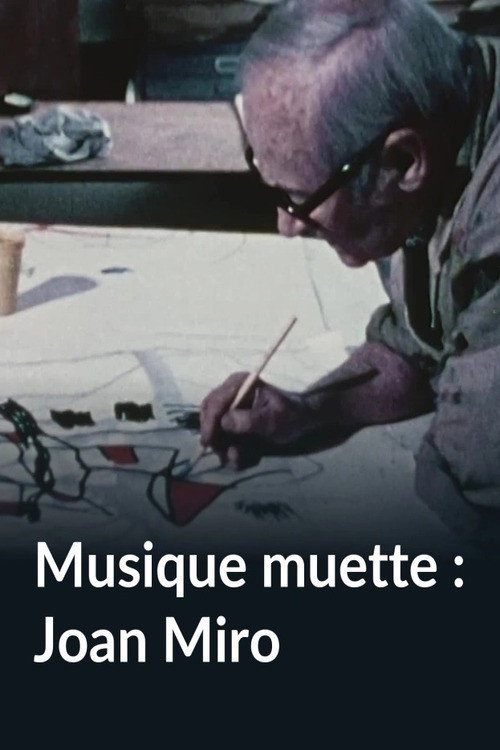
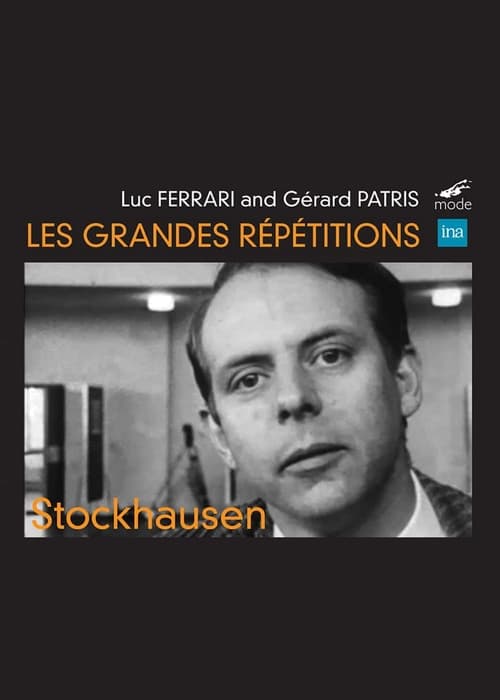
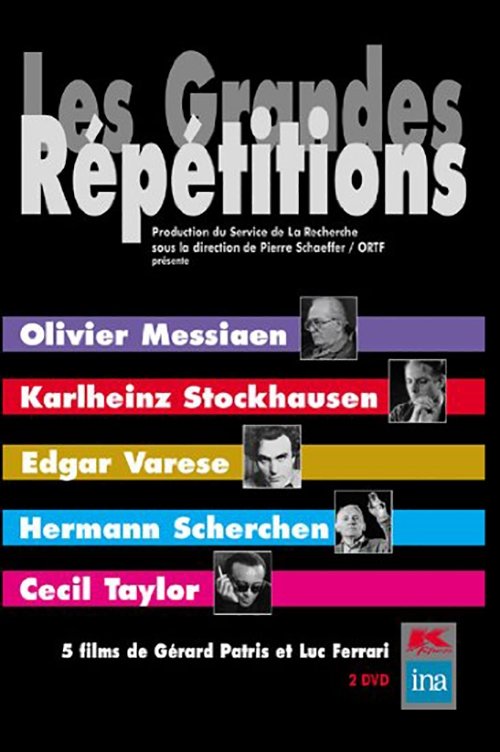
Gérard Patris is a French film and television director born March 5, 1931 in Bouresse (Vienne) and died February 28, 1990 in Chailles (Loir-et-Cher) during a traffic accident. He was also responsible for a lithography workshop. After secondary studies in Poitiers, Gérard Patris enrolled in an art school in Paris. At the start of his professional career, he founded a lithography workshop in Paris. This job allowed him to meet many major post-war artists for the creation of prints such as Dubuffet, Pignon, Manessier, Sonderborg, Arman, Hayter, Hartung and Matta. Dado worked there for a while. Gérard Patris married several times, including his first marriage to Marie-Claire Schaeffer, daughter of the composer Pierre Schaeffer, often presented as the father of musique concrete. This meeting will allow him to participate, under the direction of Pierre Schaeffer, in the ORTF research department in creation relating to Sound/Text/Image relationships. Gérard Patris, with Gilbert Delcros, director of the La Chesnaie clinic, is the founder of “La Chesnaie Films”, a television production unit whose workshops were based in the carriages of the Chailles clinic. His various encounters with artists from the world of music, painting and sculpture formed the basis of his film work.