FEEL IT.STREAM
?

Peter Adair

Directing

Biography

Peter Adair was a gay filmmaker and artist, best known for his pioneering gay and lesbian documentary Word Is Out: Stories of Some of Our Lives. He won many awards, including the Columbia-Dupont Citation for Broadcast Excellence, Golden Gate Award, EMMY, James D. Phelan Award, Distinguished Documentary Achievement, Blue Ribbon, Red Ribbon, American Film Festival and the Prix l'Age d'Or.[
Known For

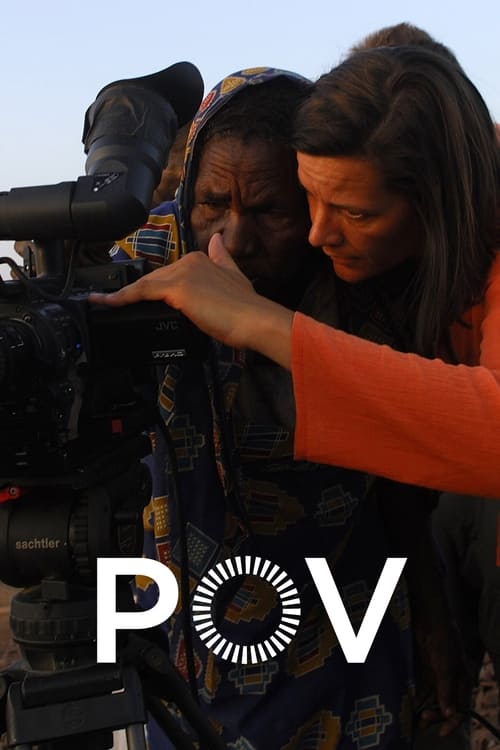
POV
6.9

Since its 1988 premiere, this critically acclaimed documentary series has presented hundreds of films that put a human face on contemporary social issues by relating a compelling story in an intimate fashion. "POV" has won virtually every major film and broadcasting award available, including 38 Emmys, 22 Peabody Awards and three Oscars.

POV

1988
The Satanic Rites of Dracula
5.6

The police and British security forces call in Professor Van Helsing to help them investigate Satanic ritual which has been occurring in a large country house, and which has been attended by a government minister, an eminent scientist and secret service chief. The owner of the house is a mysterious property tycoon who is found to be behind a sinister plot involving a deadly plague. It is in fact Dracula who, sick of his interminable existence, has decided that he must end it all in the only possible way- by destroying every last potential victim.

The Satanic Rites of Dracula

1973
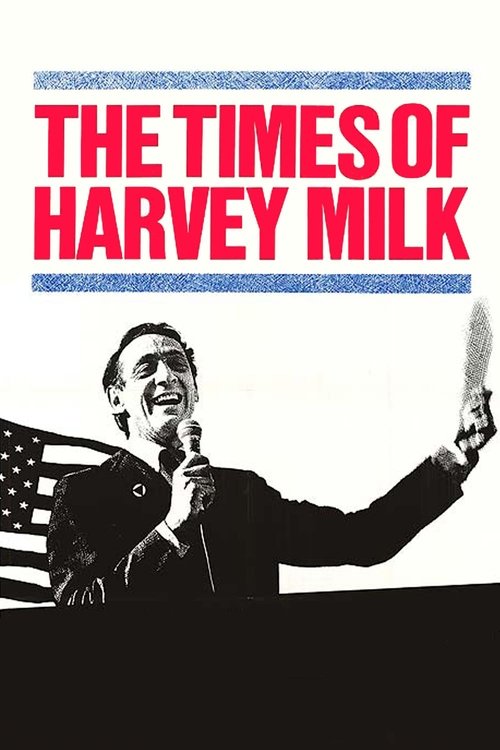
The Times of Harvey Milk
7.3

Harvey Milk was an outspoken human rights activist and one of the first openly gay U.S. politicians elected to public office; even after his assassination in 1978, he continues to inspire disenfranchised people around the world.

The Times of Harvey Milk

1984
Absolutely Positive
1.0

11 people — women and men, gay and straight, from all walks of life — share their stories. Alternately irreverent, candid and soulful, this stirring film is not about being sick; it is about being true to the emotional complexity of being mortal.

Absolutely Positive

1991
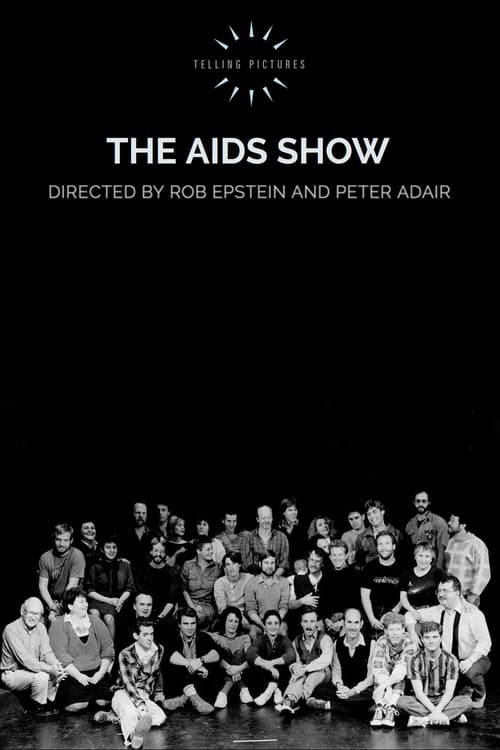
The AIDS Show
4.0

A recording of a play about the intangible impacts AIDS has on a community. This is a moving, beautifully photographed combination of theater and documentary that captures the incredible excitement of live theater and intensifies the power of the play's message.

The AIDS Show

1986
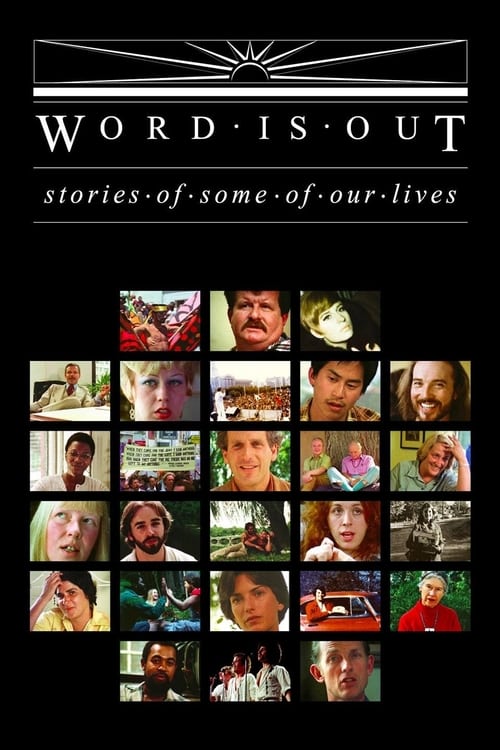
Word Is Out: Stories of Some of Our Lives
5.0

More than two dozen men and women of various backgrounds, ages, and races talk to the camera about being gay or lesbian. Their stories are arranged in loose chronology: early years, fitting in (which for some meant marriage), coming out, establishing adult identities, and reflecting on how things have changed and how things should be.

Word Is Out: Stories of Some of Our Lives

1977
Holy Ghost People
7.2

A study on a small Pentecostal congregation in Scrabble Creek, West Virginia. Explores the individual experiences of Pentecostal Christians at the Scrabble Creek Holiness Church, in Scrabble Creek, West Virginia. The documentary includes faith healing, snake handling, speaking in tongues, preaching, gospels and singing. Pentecostal Christians may also be described as "Charismatic." Pentecostals include Protestant Christians who believe that the "manifestations of the Holy Spirit" are alive, available, and experienced by modern day Christians.

Holy Ghost People

1967
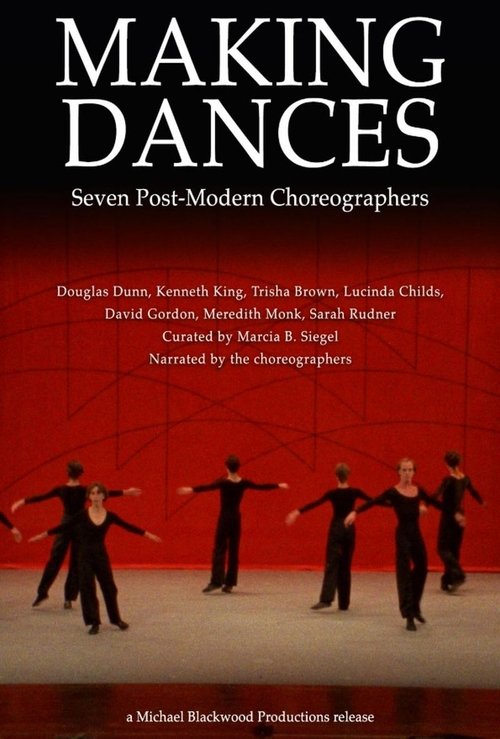
Making Dances: Seven Post-Modern Choreographers
N/A

Made in 1980, this film explores the contemporary dance scene through the work of seven New York-based choreographers. They discuss the nature of dance and the evolution of their own work. Filmed at rehearsals, performances, and during interviews, the film is a unique primary source. The artistic roots of these seven artists can be found in Martha Graham's concern with modern life as a subject for dance and in Merce Cunningham's emphasis on the nature of movement. In the 1960s, the interaction of art forms generated choreographic innovations. Especially influential was John Cage, whose radical ideas served as a point of departure for much of the new choreography. Each of the choreographers in Making Dances draws inspiration from the Graham/Cunningham tradition, yet each makes a highly distinctive statement. Structure, movement in non-fictive time and space, and the nature of movement itself are recurring themes.

Making Dances: Seven Post-Modern Choreographers

1980