Nicky Hamlyn
Directing
Biography
Nicky Hamlyn studied fine arts at the University of Reading. He is a professor in experimental films and a filmmaker.
Known For
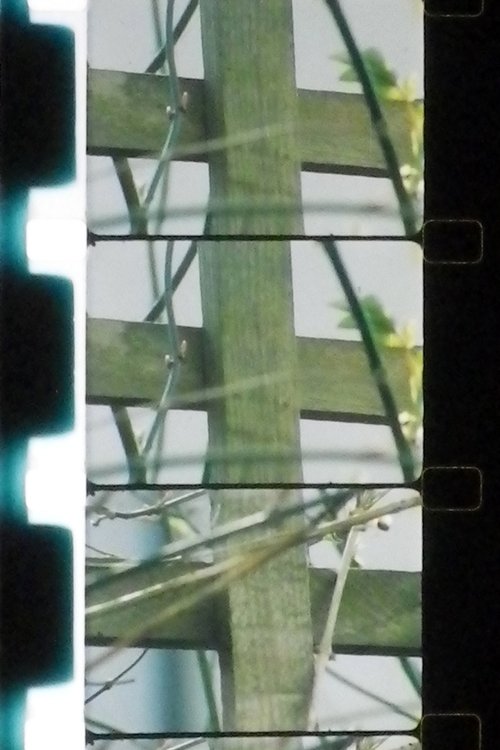
The film is composed of receding planes in a landscape: a back garden and the houses beyond. The wooden lattice fence, visible in the image, marks the border between enclosed and open, private and public space, and forms both a fulcrum for the work and a formal grid by which the shots are framed and organised.
Matrix
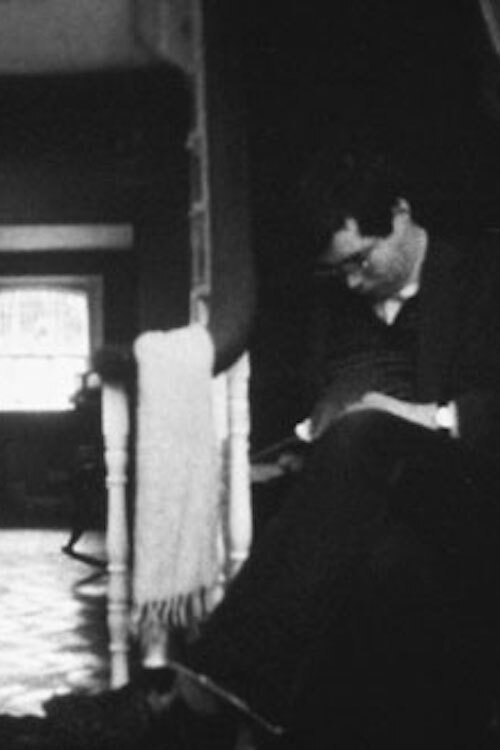
Ghost stories opens with a sequence of polemical shots: a mysterious shadow, an ambiguous advertisement which has deeper ambiguities unknown even to itself, and a lengthy quotation from Roland Barthes on the nature of autobiography. These opening shots outline the context in which I hope the bulk of the film will be seen: as a critique on so-called visual literacy, which is frequently based on a complacent mis-reading of images, and also as a rejection of film-biography, whose efficacy depends on such visual complacency. The body of the film consists of fragmentary views of the interior of a house, in which desultory activity occasionally takes place, sometimes in front of the camera, sometimes not. A ghost story is told, firewood is sorted.
Ghost Stories
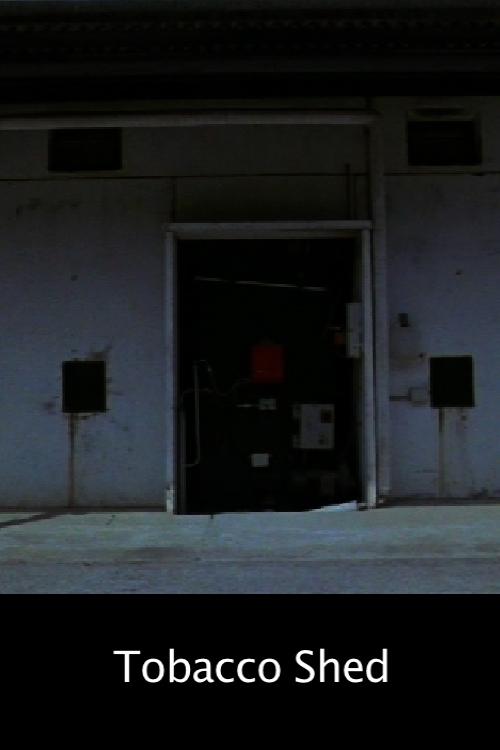
Tobacco Shed is one of a series of films based on agricultural buildings, mostly concerned with tobacco production, in northwest Umbria.
Tobacco Shed
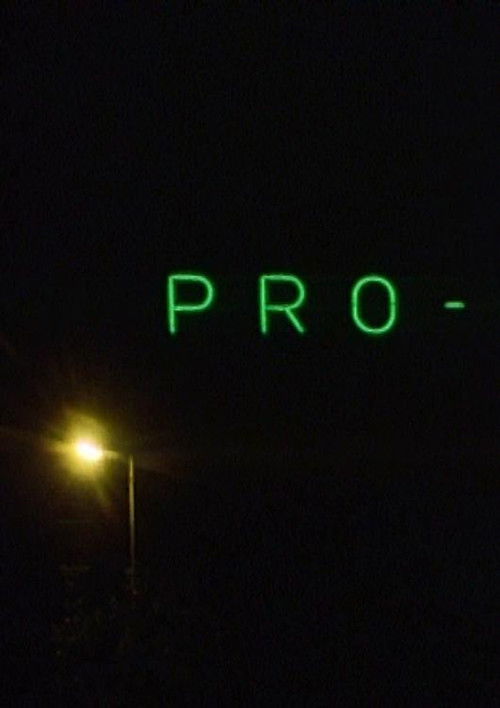
Pro Agri is one in a series of films of buildings related to tobacco production in Umbria. It was shot over a two hour period from an hour before to an hour after sunset, at a rate of one frame every two seconds.
Pro Agri
No description available.
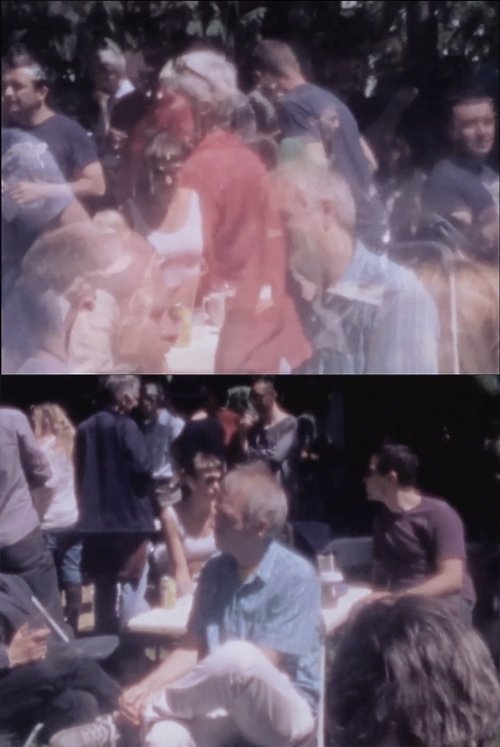
Light Licks: Pardes: Drowned Hat Rescue Media City Motown Jump
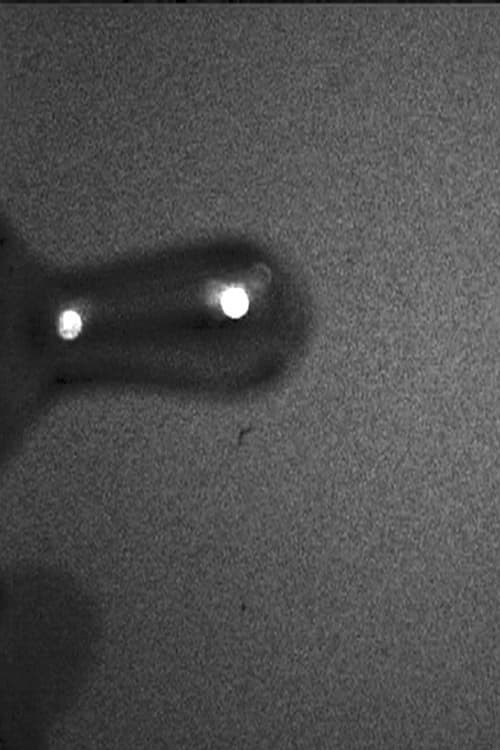
Penumbra consists of a series of continuous overlapping dissolves on a grid of white bathroom tiles, which are uniformly framed throughout the film.
Penumbra
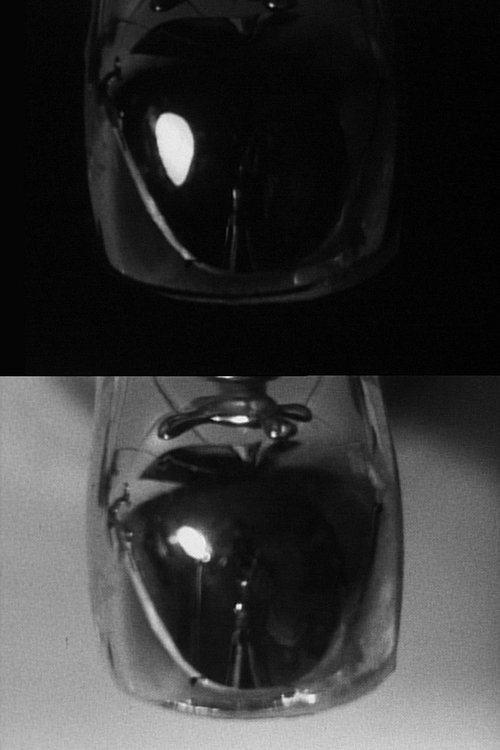
WATER WATER revisits the bathroom location of a previous film WHITE LIGHT (1996). It is based around a set of antinomies that operate at various levels, from between frames to between the two halves of the film. The black and white first part is composed of individually filmed frames (animation) which form shots of interlaced contrary motion that nevertheless can be read as sequences of individual frames, and/or in which alternate frames are lit in contrasting ways so as to emulate negative-positive juxtapositions. In the colour second half, dissolves replace cuts, light softens and contrast decreases. Continuity, by way of isomorphic features in the room, replaces the discontinuities of part one.
Water Water
This is the first (No.1 no longer exists) of three films about Gas Holders, or ‘Gasometers’ as they are known in England. They were located in a large industrial area of North London. Before natural gas was discovered in the North Sea in the 1960s, it was made from coal. Every town had a gas works, where gas was processed from the coal, and every gas works included a large storage device, a telescopic metal drum, often contained within an iron framework. Most of these were constructed between 1860 and 1890. The Gasometers in this film have now been removed and part of the removal process is documented in the film. However, my primary interest with the film is in terms of the way they filter, reflect, refract and break up the light that falls on them.
Gasometers 2
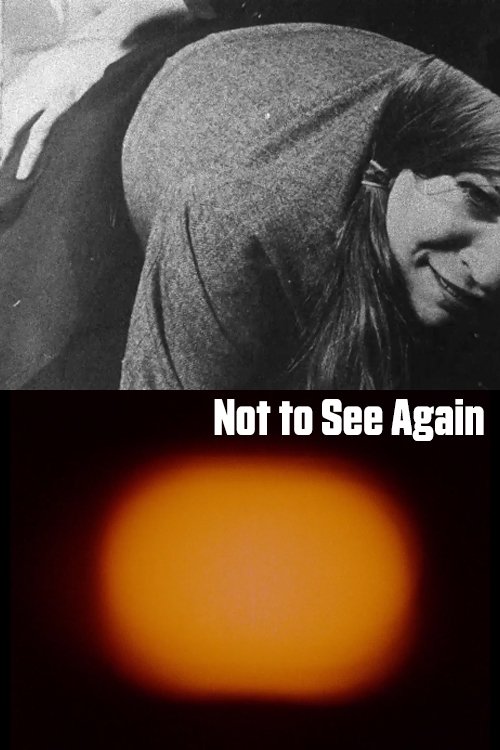
Misrecognitions and simulacra. An anti-montage film: a series of discrete shots that nevertheless gel at one or two points to produce simple meanings. Hovering on the line between abstraction and representation, the film hopes to problematize them both. According to Peter Gidal, “the abstract quality (never total, for the objects are always recognizable as objects) helps Hamlyn to negotiate sexual imagery as it occurs in the film by rendering those images relatively abstract and on a par with other objects depicted. The effect is to drain the image [of the naked body] of its conventional sexual meanings and associations (with pornography, for instance) and instead neutralize it almost.”
Not to See Again
This is the last of three films about gasholders in England. Lattice columns and circular beams generate complex patterns of overlapping shadow movements and light shifts. These are made worse because gasholders often come in pairs, so there is additional interaction between the two, casting shadows on each other over the course of a day.
Gasometers 4
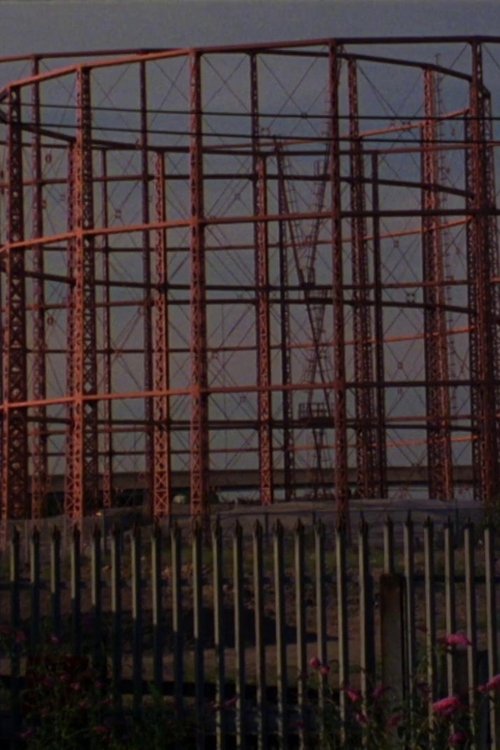
Series of films recording the dismantling of gas holders in North London, while Henderson's Grain Tower centres on a giant power station chimney that has recently been demolished.
Gasometers
Polytunnels was filmed in the Upper Tiber Valley, a tobacco growing area in central Italy. Tobacco is still produced there but the EU subsidies end in 2013, after which the appearance of the landscape will change significantly.
Polytunnels
Double Fence was shot from the balcony of a B&B in Porto Potenza Picena , on the Adriatic coast near Ancona . The work explores the changes that occur with slight shifts in framings of the same scene, and the dramatic alterations in light, colour , space and movement between early morning and late afternoon. The work is the third in a series that records spontaneously occurring moiré patterns and related phenomena. The multifarious birdsong emanates from a nearby animal and bird sanctuary.
Double Fence
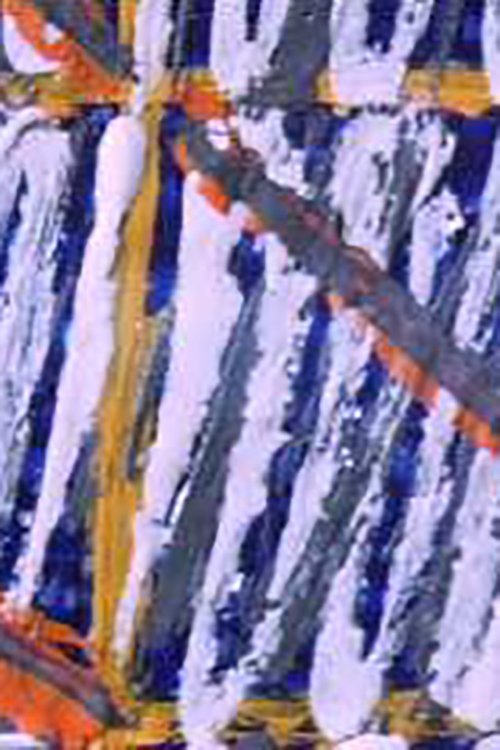
A study in texture and rhythm, made with the painter Angela Allen.
Sequences and Interruptions
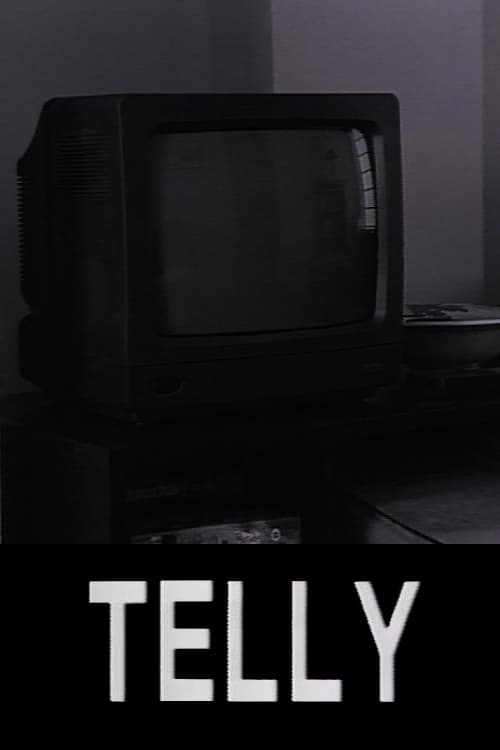
A study of the TV as the bearer of images and as a scuptural-environmental object. The footage is extracted from an episode of the TV soap Brookside.
Telly
Set in a particular location, a stretch of ‘white’ – unmetalled – road in Umbria. Structured around ordered and disordered features of the landscape.
White Road
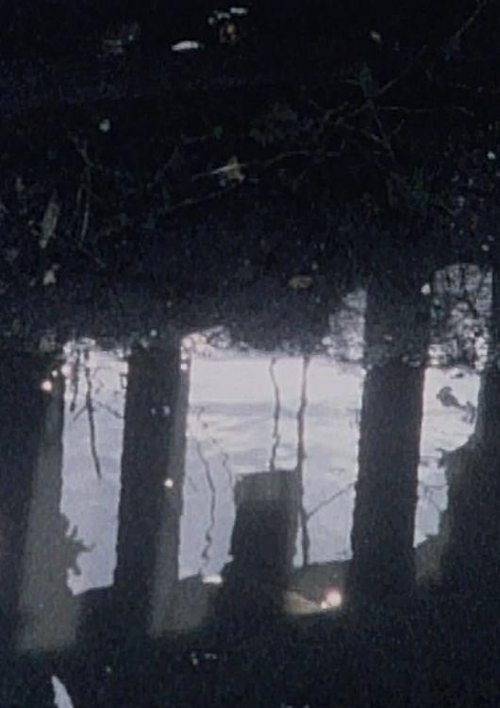
In Hole, the subject matter is a man made hole near a construction site. Employing static camera shots and conventional compositions, the film is an exploration of light, but also of scale as the filmmaker contrasts the human and feline appearances that pass through the hole
Hole
This film revisits the same location – a room in my house – as an earlier work, Ghost Stories (1983), and is in fact prefaced with a sequence from that film. “A house that has been experienced is not an inert box. Inhabited space transcends geometrical space.” – Gaston Bachelard, The Poetics of Space. Architectural, poetic and personal conceptions of space are counterposed and various techniques – multiple dissolves, superimpositions and extreme close-ups – are employed to this end. In revisiting, redescribing and reconstructing the room in the above terms my aim is to elaborate Bachelard’s apothegm: – N.H.
There Again
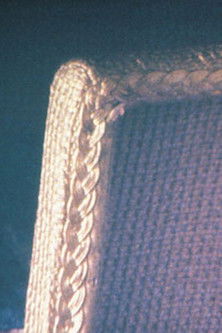
The film takes place entirely in one room and is based on a series of six repetitive shots. These shots establish a schema, a set of expectations which are then undermined. The film favours image rather than sound, in contrast to most narrative film, and the sound, where it occurs, serves only to confound or displace any meaning that is established. There are people, activities, a location and a hint of story. The film, however, cannot be mentally reassembled into anything like what it hints at in its depiction of bits of mundane domestic activity. On the contrary, it intends to confound any such attempt at a coherent reconstruction, preferring instead to leave the viewer with a lingering sense of doubt. – N.H.
Anagram
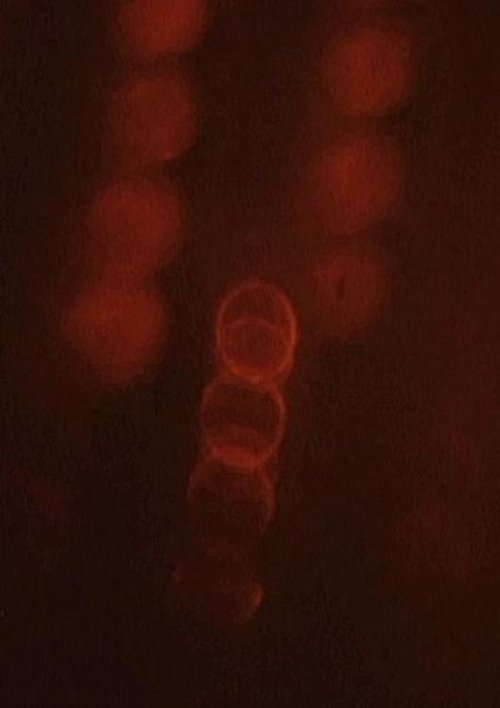
A sequence of short films, each based on a dominant colour. Extensive use of time-lapse and frame by frame filming generates scintillating juxtapositions of light phenomena. Filmed in north west Umbria.