
Klaus Wyborny
Directing
Biography
Klaus Wyborny (b.June 5, 1945 in Bittkau bei Magdeburg; lives and works in Hamburg) is a German filmmaker, producer, film director, actor, cameraman and screenwriter, known for his experimental films. Klaus Wyborny studied from 1963 to 1970 Theoretical Physics at the University of Hamburg and the Yeshiva University in New York City. Wyborny was co-founder in 1968, with Hellmuth Costard, Thomas Struck, Werner Nekes, Helmut Herbst, Werner Grassmann, and others, of the Hamburger Filmmacher Cooperative, which took the New American Cinema as an example and would develop an European version of American underground cinema. He worked for the literary journals BOA VISTA and Henry, and was co-founder of the 'Hamburger Filmgespräche'. Klaus Wyborny participated with others in the Documenta 5 in Kassel in 1972 with Das abenteuerliche, aber glücklose Leben des William Parmagino, Dallas Texas - After the Goldrush, Chimney Piece and A Crowd in the Face, and Percy McPhee in the section Film review: New European Cinema on the Documenta 6 (1977). Wyborny participated in 1975, 1980-1982, 1986, 1992 and 1994 at the International Forum of New Cinema in Berlin. He was also several times (2002, 2005, 2010) represented at the Viennale Festival in Vienna. In 2003 he taught at the Academy of Fine Arts in Karlsruhe.
Known For
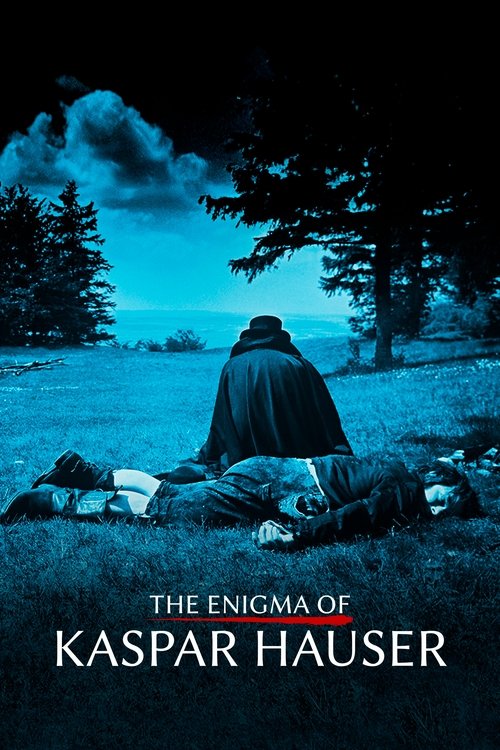
The film follows Kaspar Hauser, who lived the first seventeen years of his life chained in a tiny cellar with only a toy horse to occupy his time, devoid of all human contact except for a man who wears a black overcoat and top hat who feeds him.
The Enigma of Kaspar Hauser
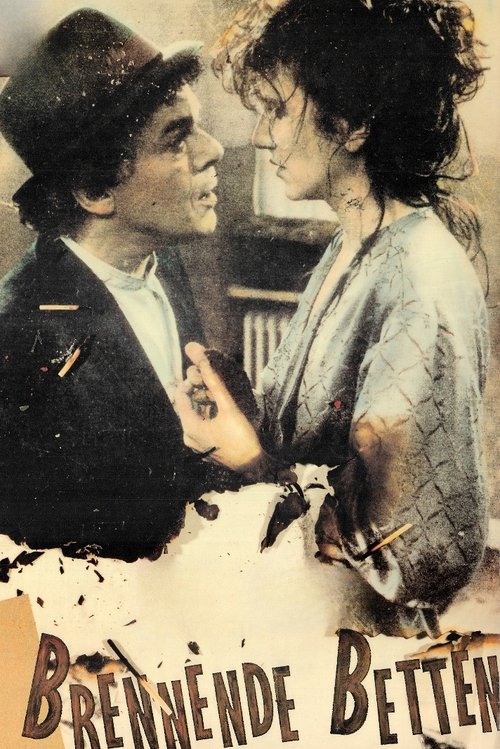
Harry, a timpanist and pyromaniac, and Ginamove into the same apartment due to Hamburg's housing shortage. This is the beginning of a wonderful enmity, with Harry, who has been tried and tested in marital warfare, and relationship terrorist Gina proving to be quite equal opponents.
Burning Beds
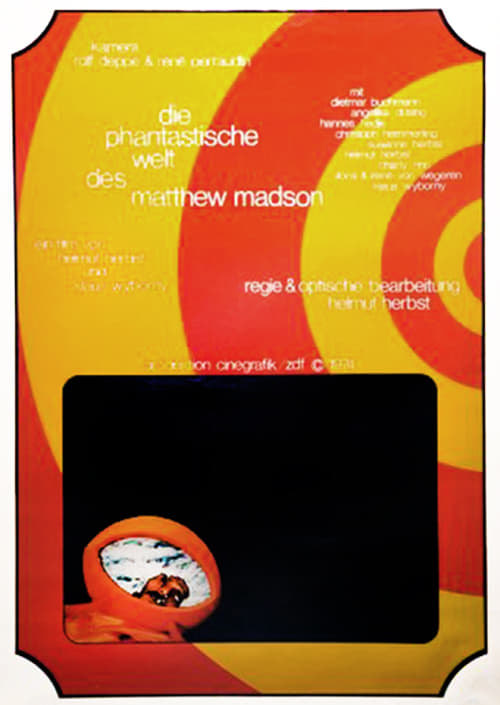
Astronaut Mulligan sets out to find a mysterious planet.
The Fantastic World of Matthew Madson
In conversations with his friends and colleagues, among them Bernd Upnmoor, Helmut Herbst, Alexander Kluge, Klaus Wyborny, Daniel Kothenschulte and Helge Schneider, Ulrike Pfeiffer takes us on a journey into the broad expanse of Nekes' cabinet of wonder and his cinematic works. At the same time, this documentary provides an insight into the history of experimental film in Germany.
Werner Nekes - Life Between the Pictures
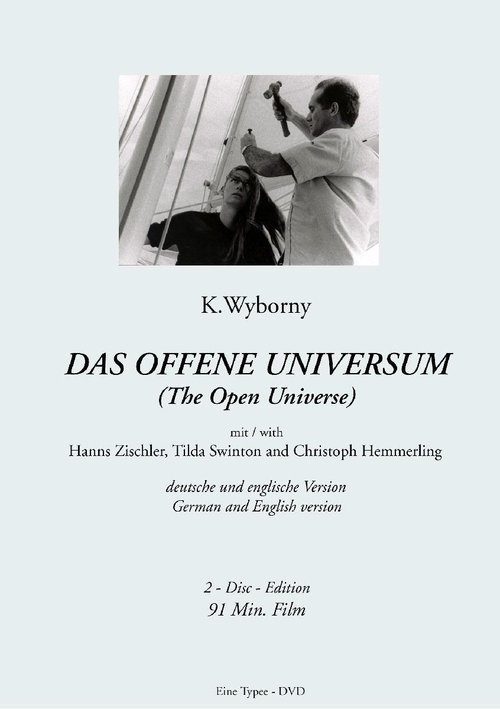
The whole world in one film: Robert, a young Dane, is shanghaied in Marseille, and via Acapulco he is abducted into the South Pacific. There he kills his father and seduces his mother. Then he explores the changing world. The end finds him in a Polynesian village, where the chief bestows him with a girl of his age-class. A novel of adventure, a novel of love, also an oratory of some sort.
The Open Universe
Adaptation of the novel "Bartleby the Scrinener: A story of Wall Street" (1853) by Hermann Melville.
Bartleby
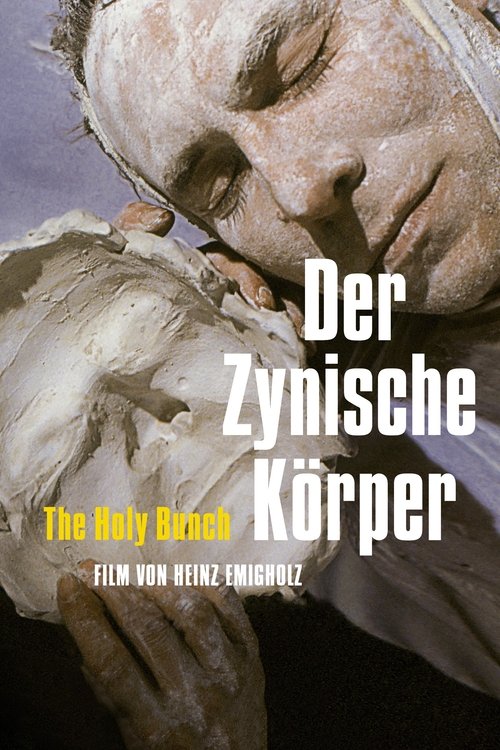
After Roy's demise, five friends try to reconstruct his life by reading through the late editor's notebooks - only to face some very personal demons. The Holy Bunch is a modernist melodrama: beyond-Antonioni in its images, decisively Dreyerian in its spirituality. One of German cinema's few modern (or Modernist) masterpieces.
The Holy Bunch
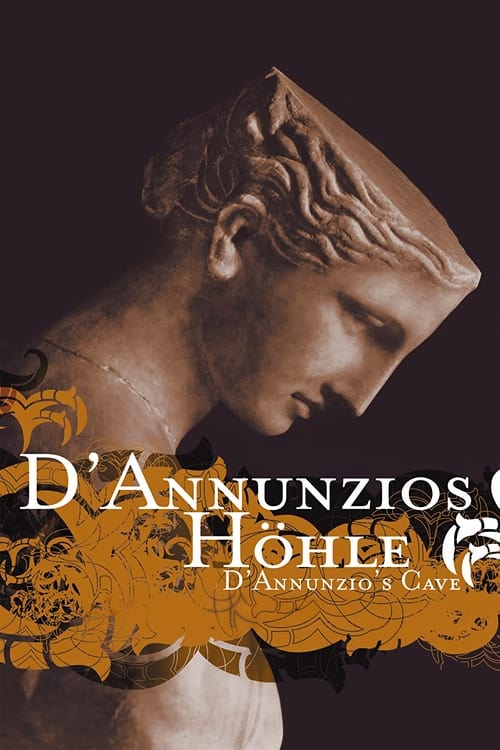
Heinz Emigholz, the premiere purveyor of architectural oddities (Sullivan’s Bridges, Goff in the Desert), meticulously documents 15 rooms of the enormous Villa Cargnacco in Lombardy, Italy, designed by proto-fascist poet Gabriele D’Annunzio (1863–1938). The controversial figure spent 17 years designing the Vittoriale, a state museum on Lake Garda, and furnishing the Villa Cargnacco, which is part of the grand complex. This unusual documentary resulted from a photography session in the villa, when four friends—cinematographers Irene von Alberti, Elfi Mikesch, Klaus Wyborny and Heinz Emigholz—simultaneously filmed the rooms and furnishings of the villa in their own specific styles.
D’Annunzio’s Cave
Home movies shot on Super 8mm by W+B Hein over 10 years.
Home Movies 1971-81
A silent film
Potpourri from "East of No West"
A documentary about the 'critical mass', the Film Coop, a group of young filmmakers in Hamburg during the 1960s - a small group far from the Mainstream or the New German Cinema.
The Critical Mass
The story of a group that has a difficult time near Bialystok at dawn on July 19, 1944.
Im KZ
A society is described in which everyone only has six days to live. The film follows two of these people through their existence. People are born by appearing, they die by disappearing. When all the people appearing in the film died in a more or less natural way, large telegraph poles announce their work on earth.
Three Days with Janine, Three Days with John
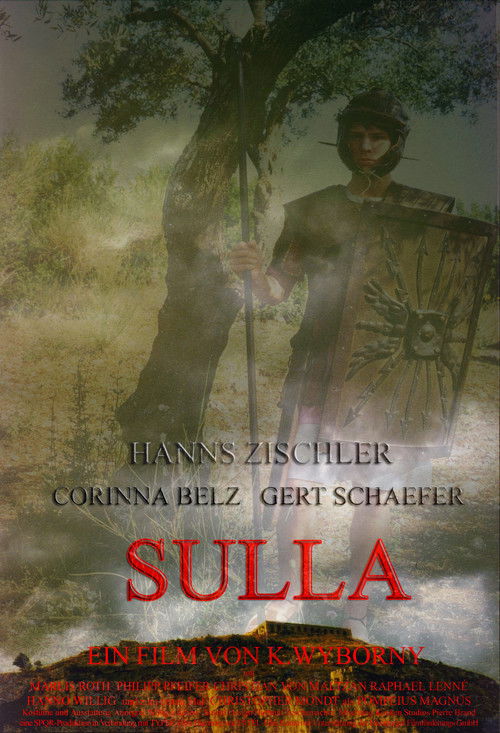
The story is set against the background of a bloody civil war in the Roman Empire. Sulla is in the countryside outside Rome and prepares to move into the city, that is in the hands of his enemies. He waits and turns to reflections. And to his lust.
Sulla
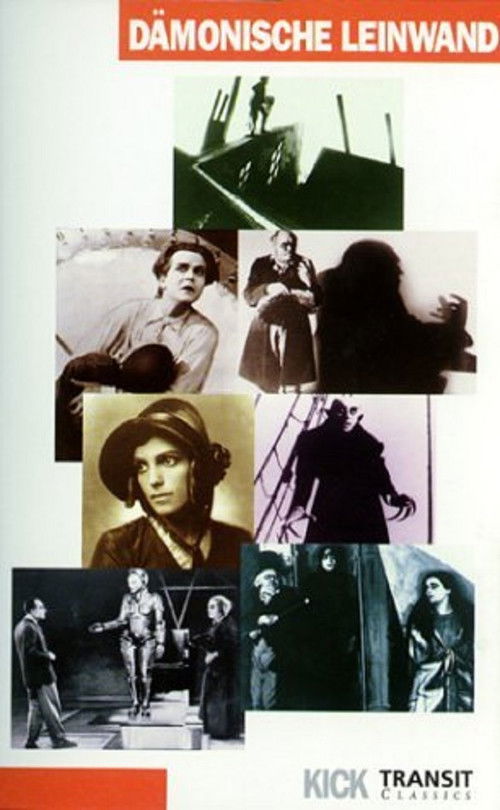
Using his original 8mm films, but blowing them up to 16mm, he created a collage of images that became his four-part film DÄMONISCHE LEINWAND (The Haunted Screen, 1969), quoting Lotte Eisner’s famous study of Weimar cinema in its title.
The Haunted Screen
The film begins with a visualization of Beethoven's Piano Sonata No. 32 in C minor, Op. 111, and Wyborny nearly misses the first movement. Yes, the "savage and bare fire" (Kaiser) of this tempestuous last piece of Beethoven nearly tears him apart. He who, while the aggressive Allegro explodes (when the sonata has begun to spread out with a deliberately "false" address in the old French overture rhythm), gets wrapped up in every pause and every peak; he who absolutely wants to work on these dialectical poles of tension in the finest agogic gradations, to shape the contrasts of the tempo in an angular way, will be torn apart. Wyborny escapes from the abyss, Beethoven would have done the same in an emergency, improvising on his own. Many spectators probably did not notice the drama. Others noticed it, were shocked, pulled themselves together, took a breath - and then were overwhelmed by the ingenious solution.
Hommage an Ludwig van Beethoven
The fourth of five parts of Klaus Wyborny's "Lieder der Erde" / "Song of the Earth" cycle of films, whose theme is "the emergence of modern European civilization." The series comprises five large parts, which are in turn divided into various selections or short films.
From the Age of Recklessness (Song of the Earth Part 4)
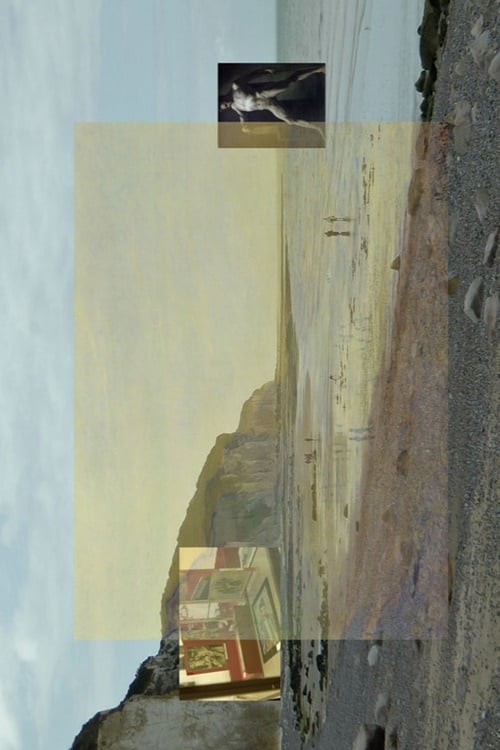
There are about 140 landscapes painted by Claude Monet in Pourville during 4 long stays between 1882 and 1897. The coastline has hardly changed since then. Enriched by the historic dimension Wyborny presents a panorama of this coast by superimposing Monets paintings with the present reality of the location.
Studies on Monet (In the Imaginary Museum)
No description available.
Out of New York
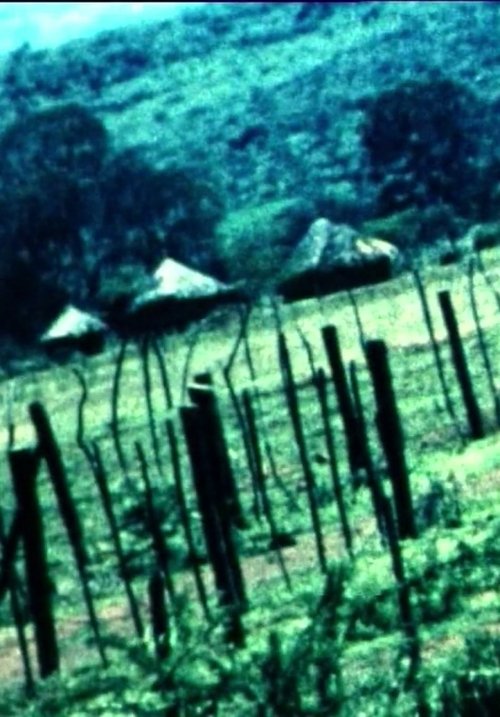
Diwan, a lyric anthology, an outdoor movie with people. With people living in the surrounding precious and very beautifully photographed nature, are neither more nor less than one part of it. What Nekes manages there with landscape, as a cunning and quote many fine artist in a medium that runs in time, as he defeated the time changed, by themselves for change of scenery uses, as it interferes with the laws of chronology through the rewind ability of the camera or destroyed, which is a compelling and highly aesthetic experimental company.