Directing
James Ritchie is known for Blue Pullman (1960), The Driving Force (1966) and Second Nature (1967).
Twenty-four hours in the story of the British Railways Channel ferryboats, the 'link spans' directly joining the roads and railways of Britain with those of France and all the Continent. The Lord Warden laden with an assortment of road vehicles from Dover, and the Night Ferry from Newhaven carrying passengers bound for Paris, Vienna or Rome are two of the ferries illustrated in this film; and freight is not forgotten.
Through the forward-looking windows of the new diesel multiple-unit trains reveals a new world of signs, signals and railway sights to those who ride behind the driver. For children, particularly, find this is a fascinating experience. This film communicates something of their excitement and wonder as well as some of the wry, un-conscious humour with which their pertinent and amusing questions and comments are so often interlerded.
Features the 07.55 from Sheffield to St Pancras. The camera follows to Leicester, where a young man is late for a job interview thanks to a variety of incidents including a freight train blocking the line and an improperly secured door at Derby. The film is a modernised version of an older theme for British Transport 'Right Time Means Right Time', where the accumulation of many minor delays on the part of BR staff soon add up down the line to make a train very late.
Young Robbie, a keen footballer and a railway enthusiast, is persuaded by his big brother to go through a hole in a railway fence on to the track for some reason. His laces become caught on the tracks and he has an accident so serious that he will never play football again. A film for showing to eight to eleven-year old children and their parents, which points out the folly of breaking railway fences and trespassing on the line, and illustrates the immediate dangers. Part of BFI collection "The Age of the Train".
In the Hull Docks, the steamer S.S. Bravo arrives from Gothenburg with cargo.
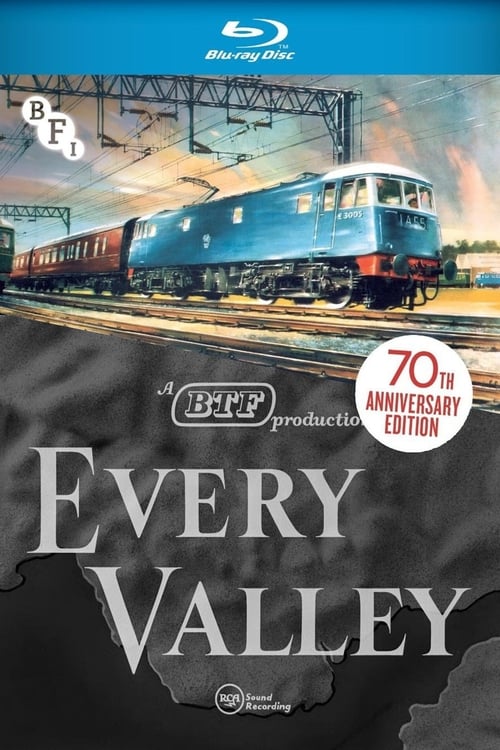
A look at the transport system in the South Wales Valleys and how it effects peoples livelihoods and everyday lives.
A light and somewhat satirical look at the problems and pleasures of Continental holiday travel. A passenger on the Hook Continental Express from Liverpool St. imagines the possible destinations of his fellow passengers.
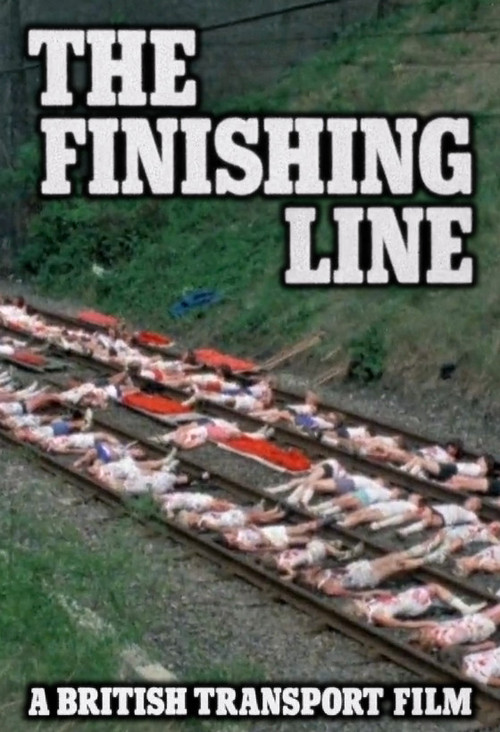
When a schoolboy's day-dream of a fantasy sports day includes events where acts of vandalism and trespass are required, dire consequences ensue. Originally created as an educational film, this somewhat surrealist short has a serious message at its core. This won't be a lesson you'll forget in a hurry.
“Promotes trade with Britain among other countries in the European Community after the UK's entry on 1st January 1973. Kelloggs is given as an example of how major British companies worked at this period.” - Robin Carmody.
The complex technology of modern rail track is shown, covering component manufacturers, current methods of laying track and its maintenance.
An historical account looking at how Britain's canals were used, and declining, in 1951.
A largely animated exposition of the need for, and methods of improvement, in British Rail Corporate Planning.
In a world growing ever shorter of energy, railways are well suited to satisfy the world's future transport needs. This is the story of the new railways in Japan, Britain, Germany, France, Poland and Italy.
An illustrated lecture given by Dr. Beeching on the development and improvement of Britain's major railway trunk routes. Offers a forecast of the requirements of 1984 outlined in his 1964 report.
Introduces the principle of newly developed computer techniques for planning train movements, crew and locomotive rosters and for producing and printing timetables. Explains the programmes, shows the equipment in action and some of the changes in working methods. Intended for British Rail staff involved in train movement planning, overseas railway audiences and specialist computer-application, non-railway audiences.
The Peak District waits invitingly within a sixty-mile reach of half the population of England. To this green centre of a great industrial area, the first of the National Parks, holidaymakers come throughout the year to enjoy a wide variety of scenery and of pastimes. Some visitors come to glide, others to go ‘caving’ or climbing, boating or fishing. The lovely surroundings vary from the windy flat tops of heath with their rocky outcrops to the lush, sheltered dales of the Manifold, the Derwent and the Dove; from the simple stone cottages of the quiet villages to the historic architecture of Ashbourne, Bakewell and Buxton, and the great houses of the past like Chatsworth and Haddon Hall.
A group of workers from a Leicester shoe-making company travel down south for a day in the Smoke.
Made for senior and middle British Rail management and supervisory staff, to stimulate discussion and provoke action, by alerting them to their responsibilities for staff safety, and the pressing need to reduce accident figures.
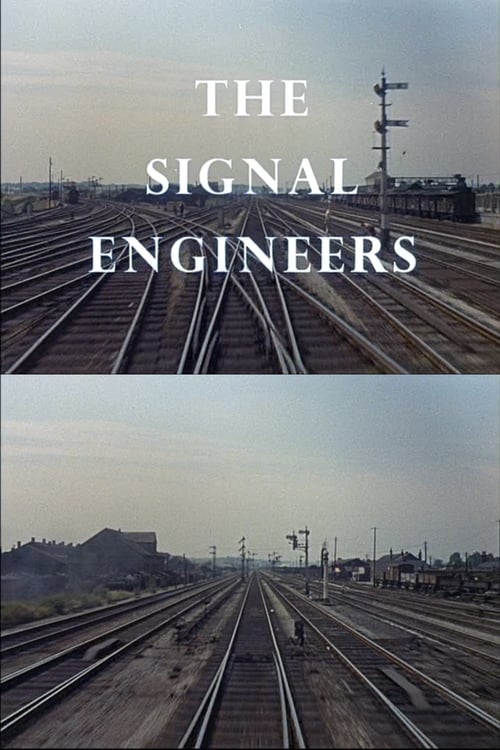
A film about one of the most responsible and professional jobs on British Railways. Practical work in shop and signal box, on gantry and trackside, coupled with instruction in mechanics, electricity, electronics and draughtsmanship, lead the apprentice intro the intricacies of design, the excitement of research and experiment, and the intense satisfaction of being in on a big changeover from old-style semaphore signalling to a new coloured light system.
Replacing a century-old rail tunnel at Woodhead, co-ordinated road haulage services in Argyllshire, Whitemoor freight marshalling yeard, Bristol bus services and the Calais to Dover cross-channel ferry: these are the subjects of this early BTF production covering a world of transport co-ordination now largely vanished.