Peter Davis
Directing
Biography
English documentary filmmaker. Not to be confused with American documentary filmmaker of the same name.
Known For

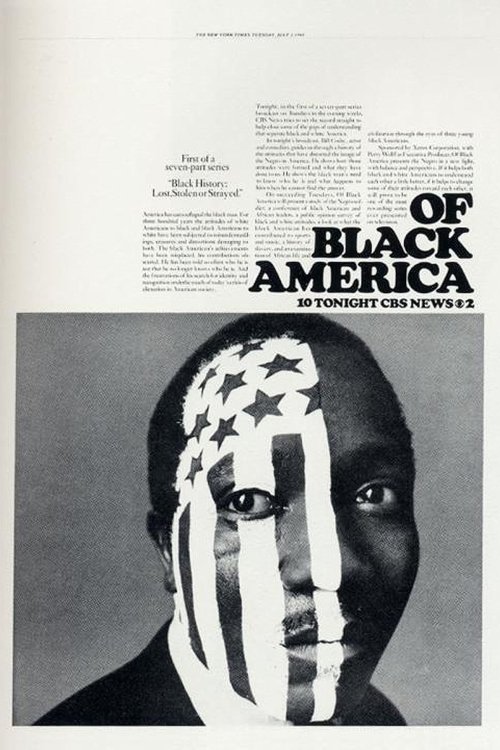
Of Black America was a series of seven one-hour documentaries presented by CBS News in the summer of 1968, at the end of the Civil Rights Movement and during a time of racial unrest (Martin Luther King had been assassinated that spring and riots in many cities had followed). The groundbreaking[1] series explored various aspects of the history and current state of African-American community.
Of Black America

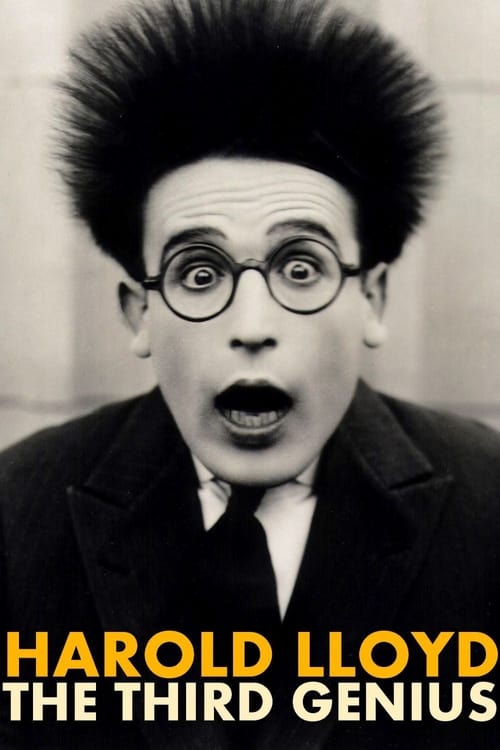
A film about the career and methods of the master silent comedy filmmaker.
Harold Lloyd: The Third Genius

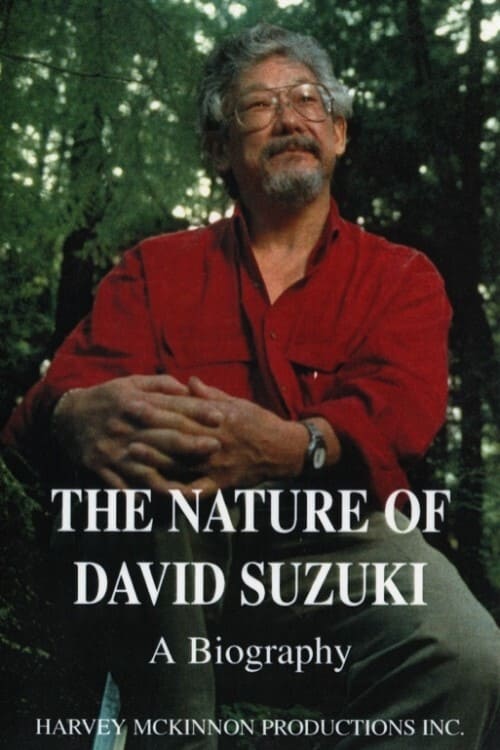
This biography of the well known scientist and nature program host details his early life as a child in a WW2 internment camp and the development of his environmental philosophy.
The Nature of David Suzuki

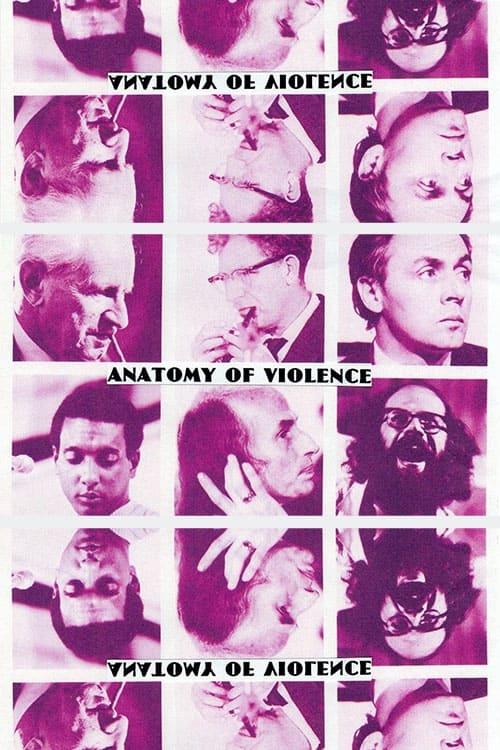
Documentary of the Symposium on the Dialectics of Liberation and the Demystification of Violence, held in London, July 1967, organized by R.D.Laing, with Stokely Carmichael, Allen Ginsberg, Paul Goodman, Herbert Marcuse, John Gerassi, and many others. An important record of the spectrum of left-wing politics and personalities during the turbulent Sixties.
Anatomy of Violence

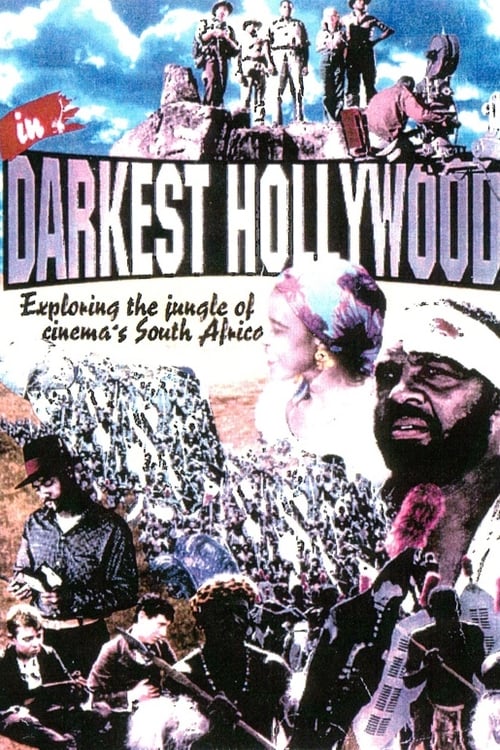
A documentary overview and ideological critique of the South African film industry and cinema's historical relationship with apartheid.
In Darkest Hollywood: Cinema and Apartheid
Explores the history of the Afrikaners and Afrikaner nationalism, and the development of apartheid and its relevance to South Africa's political situation today.
South Africa: The White Laager

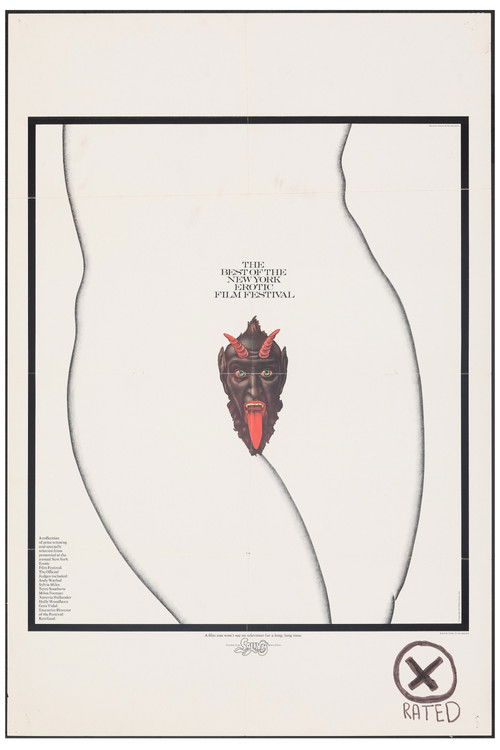
A stimulating, hilarious, provocative collection of the best American films dealing with you-know-what. Prize-winning films chosen by judges Gore Vidal, Andy Warhol, Terry Southern, Milos Forman, Holly Woodlawn, Sylvia Miles and Xaviera Hollander at the last two Erotic Film Festivals in New York.
The Best of the New York Erotic Film Festival

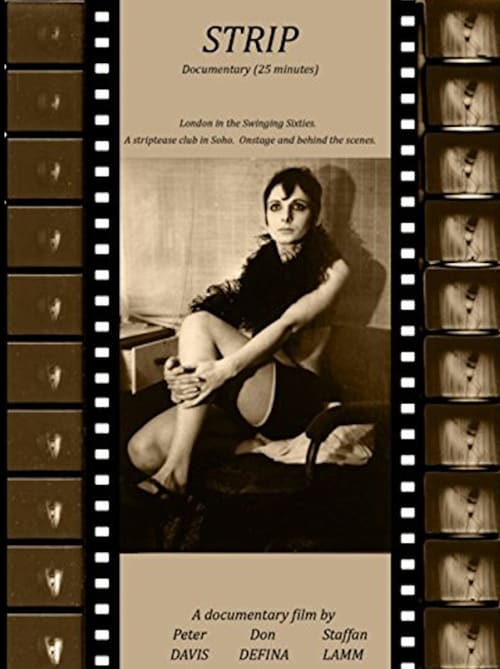
The work of strippers in the Phoenix Club of Old Compton Street, Soho. Includes interviews with the girls, the stage show and backstage scenes.
Strip

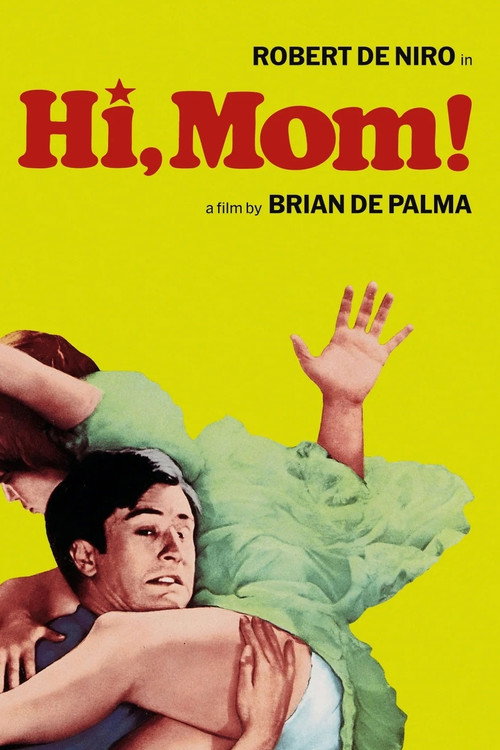
behind-the-scenes footage from the making of Hi, Mom! by filmmaker Peter Davis, featuring candid images of the cast and crew
Son of Greetings
The play, Sizwe Bansi is Dead, follows the main character, Sizwe, as he writes to his wife after an unsuccessful search for a new job and better life for his family. This film places the viewer in the discussions between the writers of the play: Athol Fugard, John Kani and Winston Ntshona as they attempt to explain and re-write the play.
A Sizwe Bansi Workshop

A fascinating, unsettling study of immigration in 1960s English cities.
Immigrants

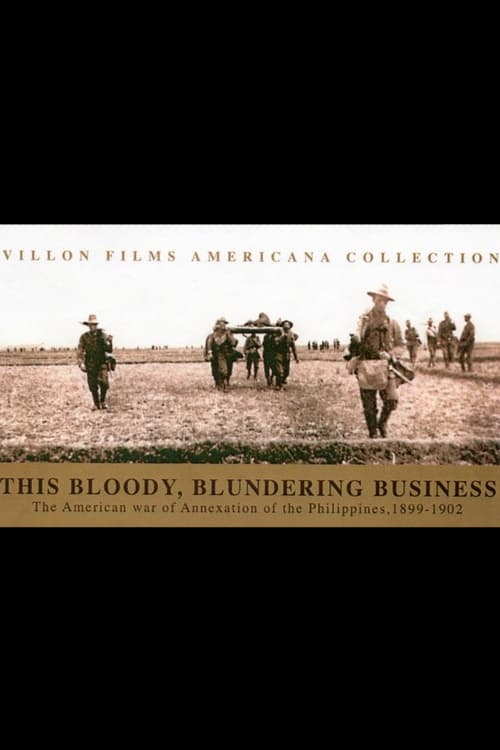
In this satirical rendering of the history of American intervention in the Philippines following the Spanish-American War, the silent movie format with lively ragtime piano music is combined with a dramatically understated narration and excerpts from "newsreels" of the period to reveal the nature of American attitudes toward Third World peoples and significant parallels with contemporary American foreign policy.
This Bloody, Blundering Business

One of three London sketches directed by Peter Davis, Pub was filmed at the Approach Tavern on Approach Road, leading up to Victoria Park in East London. It was made for Swedish television to give an impression of a typical working-class British pub.
Pub

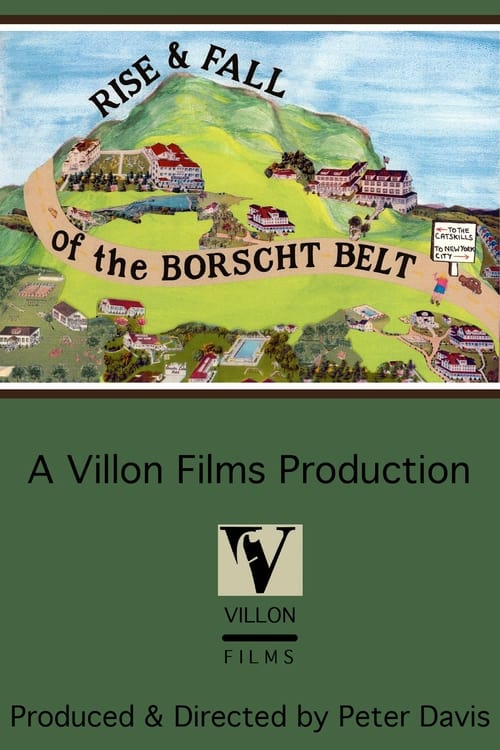
At its peak, one million New York Jews spent their summers in the Borscht Belt, the birthplace of Jewish-American iconoclastic humor. This film shows how these Catskills communities were run by women, and how class divisions were reflected in the resort hotels: upwardly-mobile hotel guests were entertained by a who's-who of talent, while in the bungalows, do-it-yourself burlesque and vaudeville reigned among the blue-collar families. This film is happy, humane, ironic, and, finally, bittersweet, as we see that today's Jews no longer share the tastes or aspirations of their parents.
Rise and Fall of the Borscht Belt

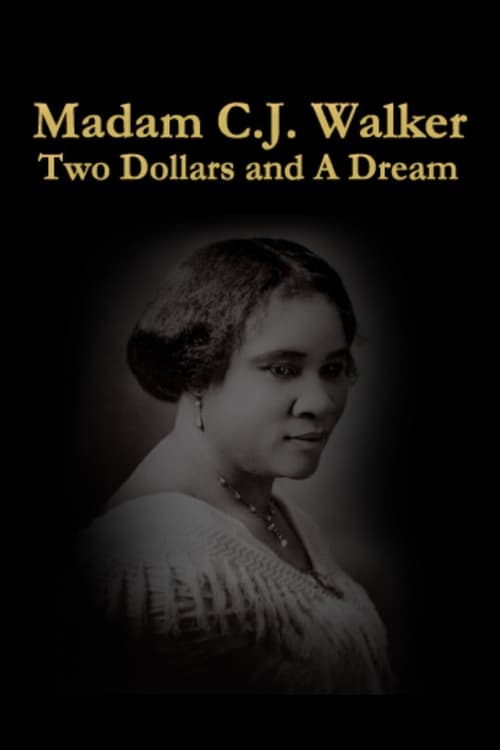
Documentary about the first self-made American millionairess, Madam C.J. Walker.
Two Dollars and A Dream: The Story of Madame C.J. Walker

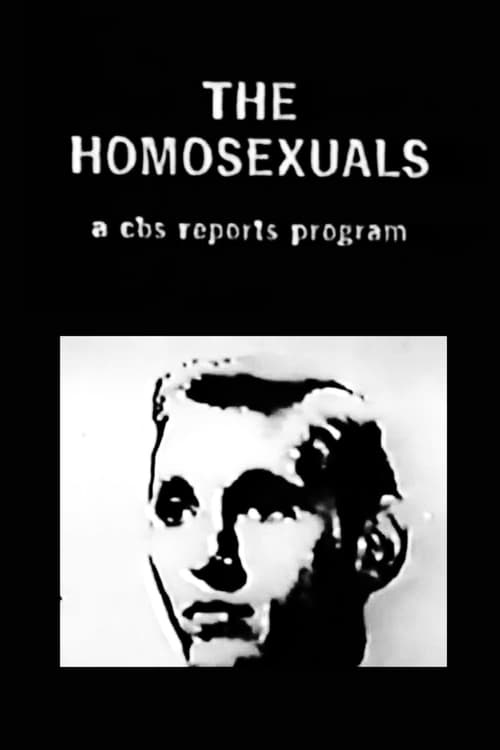
On March 7, 1967, 40 million Americans tuned in to watch CBS Reports: The Homosexuals, network television’s first documentary on homosexuality. Near the top of the program, host and interviewer Mike Wallace calls homosexuals “the most despised minority in the United States.” The hour that follows is filled with salacious location footage, sermonizing therapists, and shadowed interviews with distraught homosexuals.
The Homosexuals

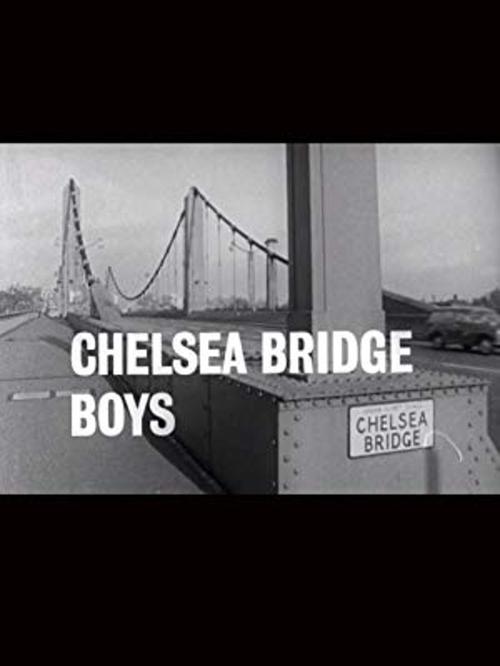
About a group of "Rockers" who belong to a British motorcycle club. Included are interviews with both male and female bikers. The film is largely based on candid interviews where the bikers respond to questions about politics, society, freedom and independence.
Chelsea Bridge Boys

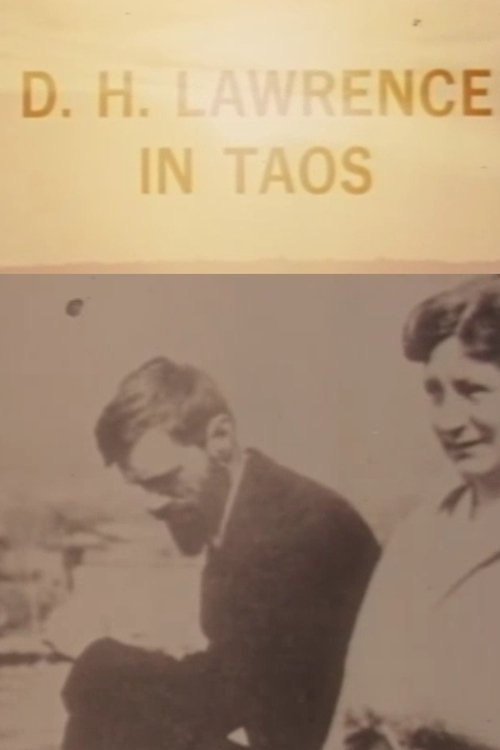
Friends and contemporaries of the great English writer recall remarkable episodes from his life and times.
D H Lawrence in Taos

News documentary from 1968 hosted by George Foster, exploring the legacy of oppression that remains over 100 years after the abolition of that peculiar institution. In Part 1, Foster visits Charleston, SC, and speaks with both descendants of slaves and slave owners. The cameras capture a sermon by Rev. Henry Butler of the Mother Emmanuel AME Church (where Denmark Vesey planned an unsuccessful slave revolt in 1822 and Dylan Roof would later kill 9 church members in 2015). In Part 2, the cameras go to Mississippi to speak with former sharecroppers and political activist FANNIE LOU HAMER. In the final segment, we travel to Chicago, where Prof. JAMES TURNER and activist CALVIN LOCKRIDGE educate young people about revolution. Ebony Magazine editor and historian LERONE BENNETT offers a poignant analogy to describe the times we are in today.
The Heritage of Slavery - Of Black America

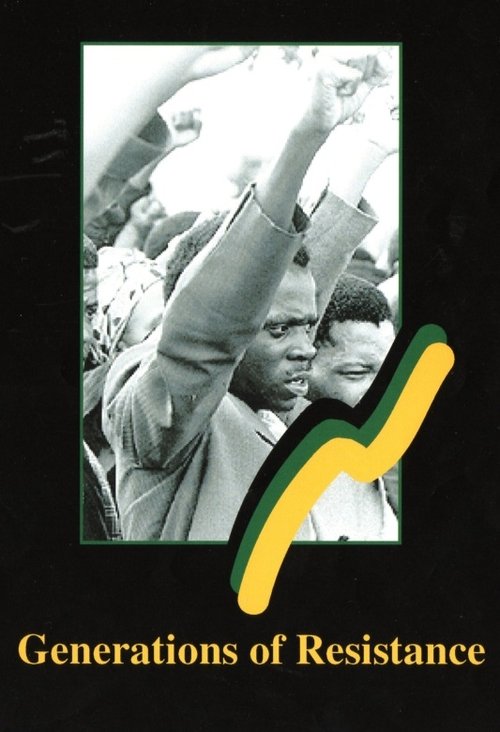
Uses archival photographs, newsreel footage, and interviews to chronicle the quest by Black South Africans for economic viability and individual freedom.