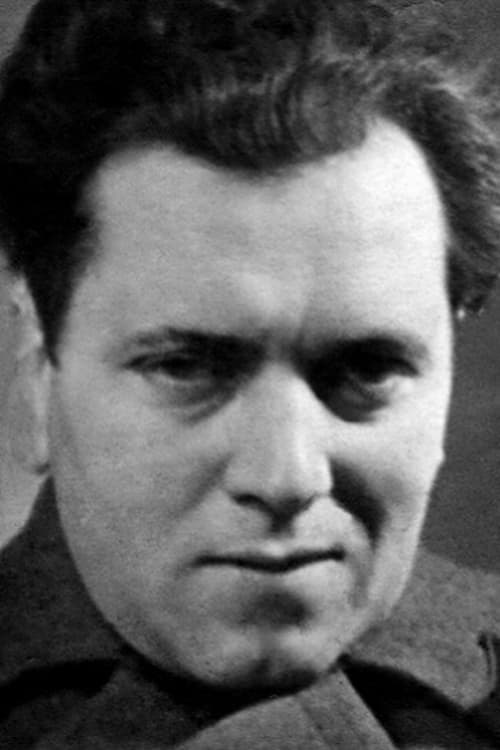
Leonid Varlamov
Directing
Biography
Leonid Varlamov (1935–2016) was a prominent Soviet and Russian documentary filmmaker, screenwriter, and director known for his work in the field of social documentaries. He was an influential figure in the Soviet documentary cinema, particularly during the 1960s and 1970s. Varlamov’s films focused on significant social and political issues of the time, often providing an insightful, intimate look at life in the Soviet Union.
Known For
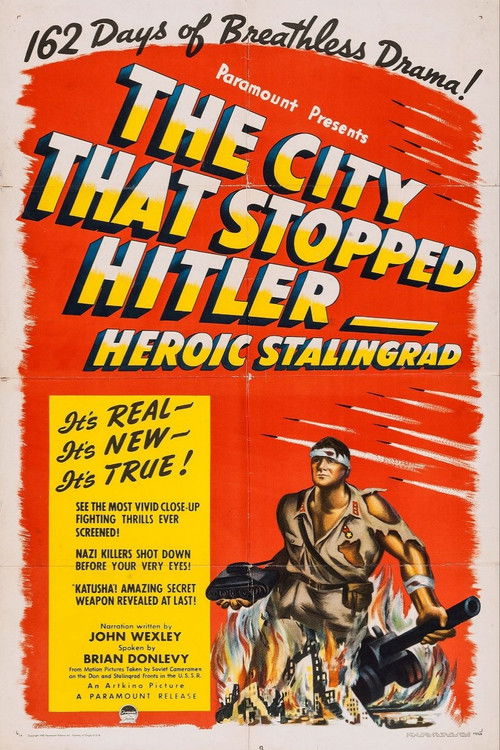
A Soviet documentary chronicling the Battle of Stalingrad, one of the turning points of World War II. Filmed on the front lines, it depicts the brutal devastation of the city, the resilience of its defenders, and the eventual Soviet counteroffensive that encircled and defeated the German 6th Army. Released internationally—with the U.S. version retitled The City That Stopped Hitler: Heroic Stalingrad—the film served both as a record of the Red Army’s victory and as a powerful work of wartime propaganda.
Stalingrad
No description available.
Bogatyrs Of The Motherland
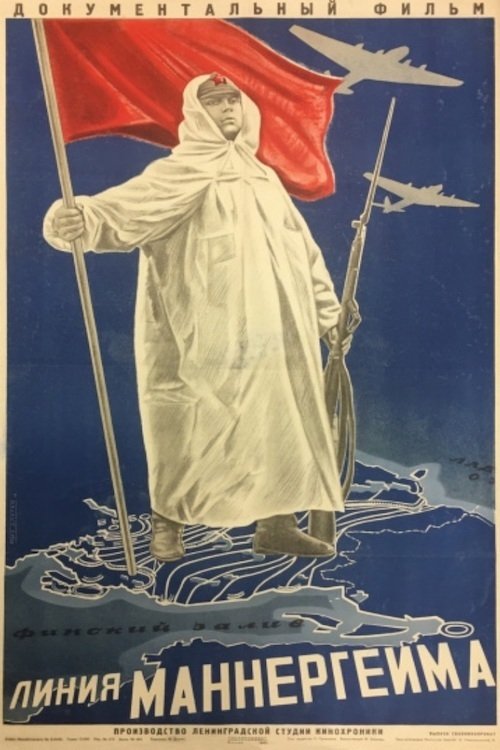
Produced by the Soviet Union to justify its 1939-40 Winter War campaign in Finland, this outstanding documentary---more than any other such cinematic record---visually depicts the much vaunted Mannerheim Line in all its actual emplacements, as seen but two weeks after their capture, and as filmed by Red Army combat photographers onsite, directed by Vasili Belayev.
The Mannerheim Line
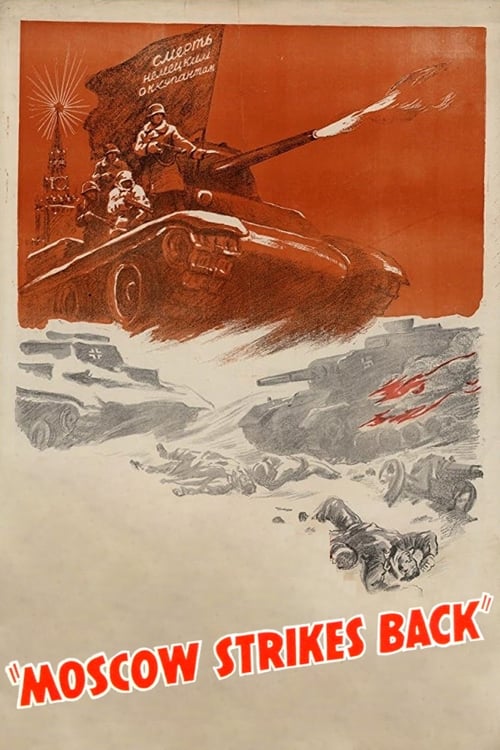
A Soviet documentary chronicling the Battle of Moscow (October 1941 – January 1942), when Red Army forces repelled the German advance on the capital. Shot by numerous frontline cameramen, it combines harrowing footage of combat and civilian suffering with scenes of Nazi atrocities, framed against themes of Russian heroism and cultural survival. Originally released under the title Defeat of the German Armies Near Moscow, the English-language version, narrated by Edward G. Robinson, was retitled Moscow Strikes Back. The film won the 1943 Academy Award for Best Documentary. Warning: contains graphic images.
Moscow Strikes Back
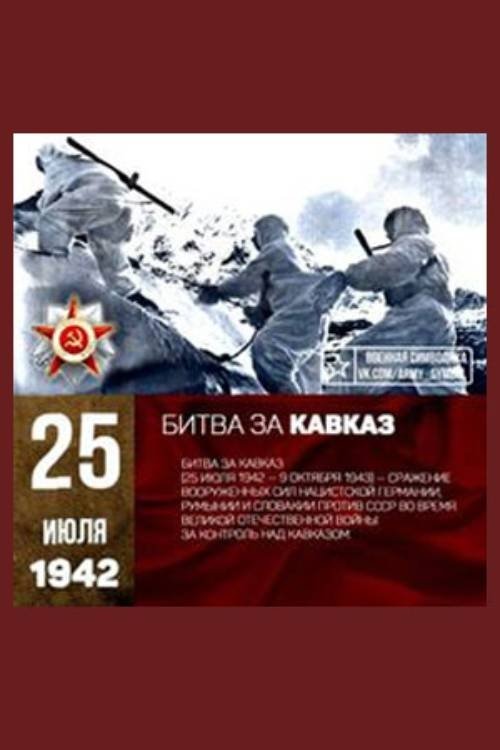
The Battle for the Caucasus in 1942-1943 was one of the turning points in the entire Great Patriotic War.
Caucasus
About the defense of Moscow in the winter of 1941-1942.
To Protect Native Moscow
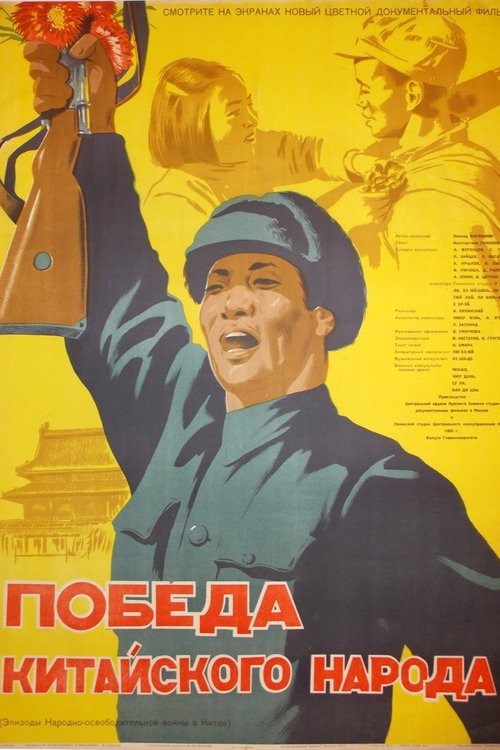
Film about the victory of the Chinese people under the leadership of Mao Tse Tung in the war with the puppet regime of Chiang Kai-shek and the establishment in 1949, the People's Republic of China.
Victory of the Chinese People
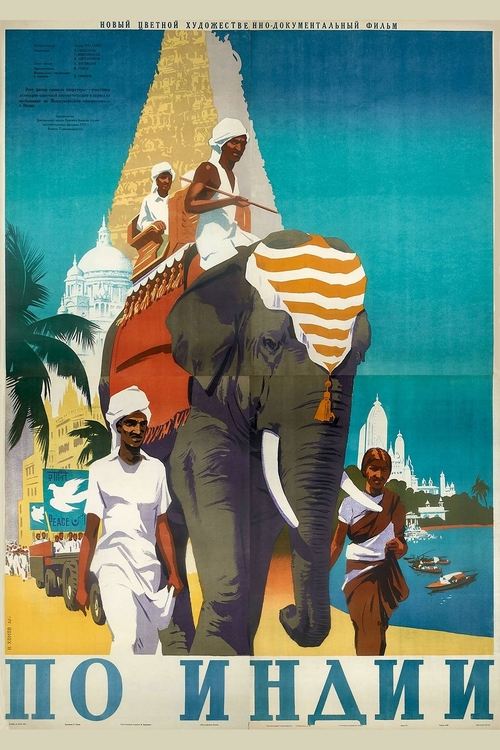
No description available.
Through India
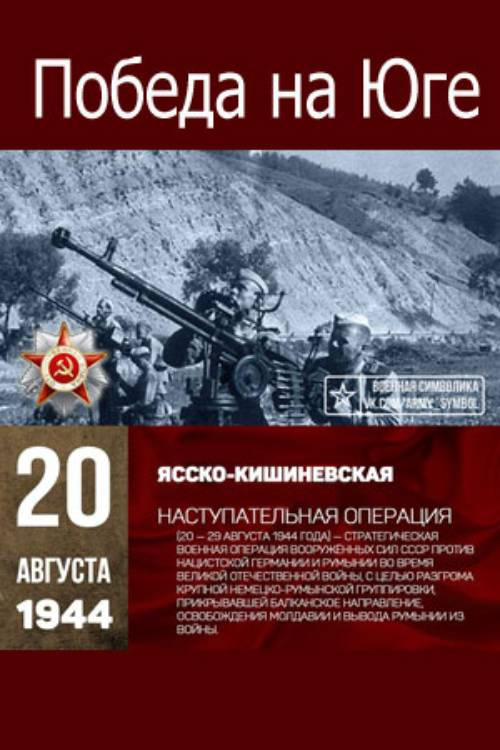
The film is about the encirclement and defeat of the Iasi-Kishinev group of German troops during the Second World War by Soviet troops.
Victory in the South
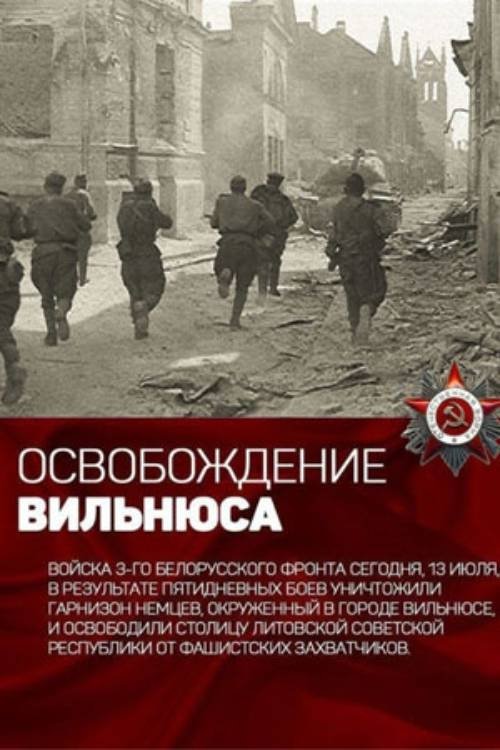
On July 13, 1944, Vilnius was completely liberated from the Nazi invaders.
Liberation of Vilnius
No description available.
Yugoslavia
No description available.
About the Tour of Chinese Circus Performers in the USSR
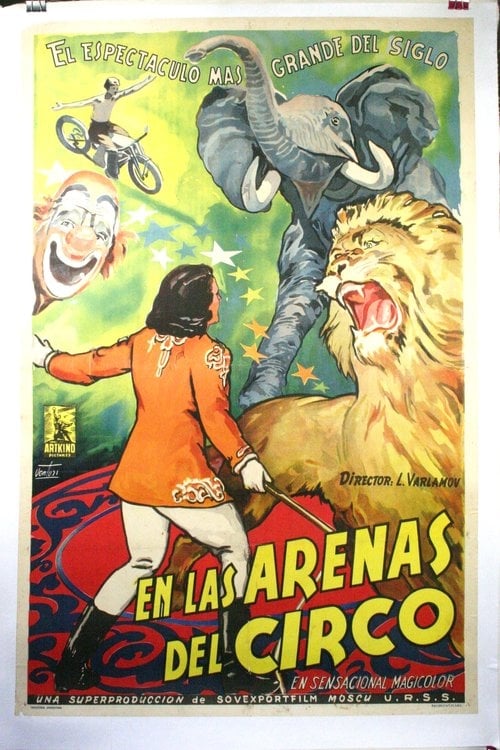
No description available.
In the Circus Ring
About the construction of the Ferghana irrigation canal.
The Mighty Stream
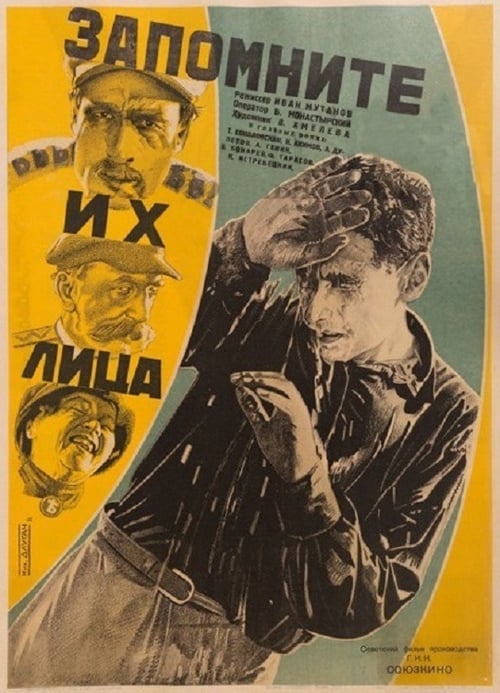
A Jewish tannery worker, Nahum Beychik, invents a machine that makes hard work easier in leather tanning. A private entrepreneur, former kulak Lopatin, tries to buy the invention and use it for his own selfish interests. Having met with a decisive refusal from Nahum Beychik, the kulak exploits the anti-Semitic sentiments of the backward part of the workers and, with the help of his accomplices, hooligans and truants, tries to kill the inventor.
Remember Their Faces
About the winners of the Lenin Prize in 1960 — violinist David Oistrakh and composer Georgy Sviridov.
Inspired Art
No description available.
Whale Hunt
About the construction of the Aswan dam on the Nile River with the help of the Soviet Union.