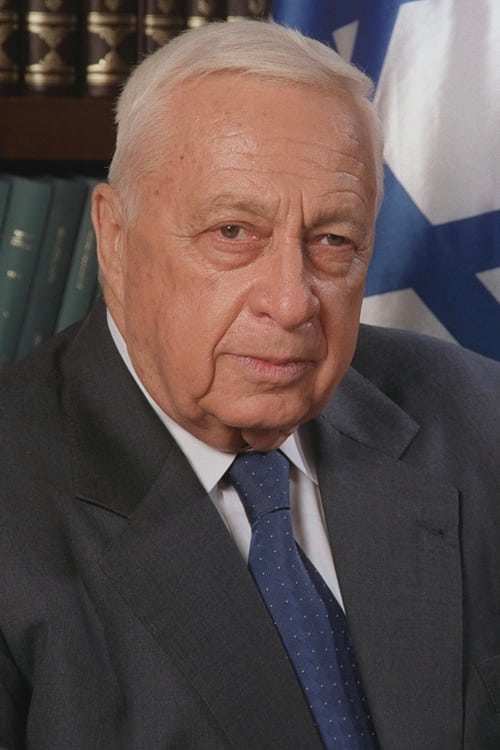
Ariel Sharon
Acting
Known For
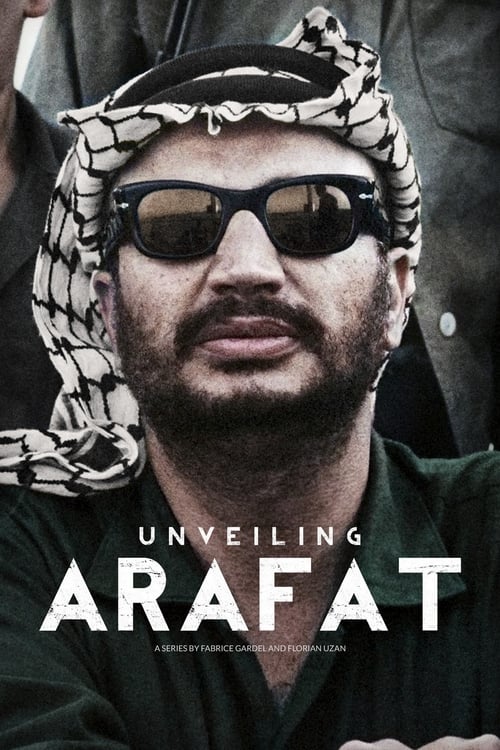
A portrait of Palestinian political leader Yasser Arafat (1929-2004).
Unveiling Arafat

Decision-makers from Israel, the Arab states, Russia, and the U.S. tell the inside story of the Arab-Israel conflict. Charts the evolution of tensions, violence, and peace efforts from 1948 to 1998.
The 50 Years War: Israel and the Arabs
This documentary chronicles the Lebanese civil war (1975-1990) in fifteen episodes. It includes interviews with Lebanese, Arab, Israeli, American and European commentators and politicians, military personnel, militia leaders and civilian victims. The content is based on historical and archived material. This 2-year project cost several hundred thousand dollars and entailed filming over 150 hours of interviews with the major players in the events that took place in Lebanon between 1976 – 1990. Moreover, the program presents in the 1st two episodes the historical background of the major events that influenced the course of the 15-year war.
The War of Lebanon
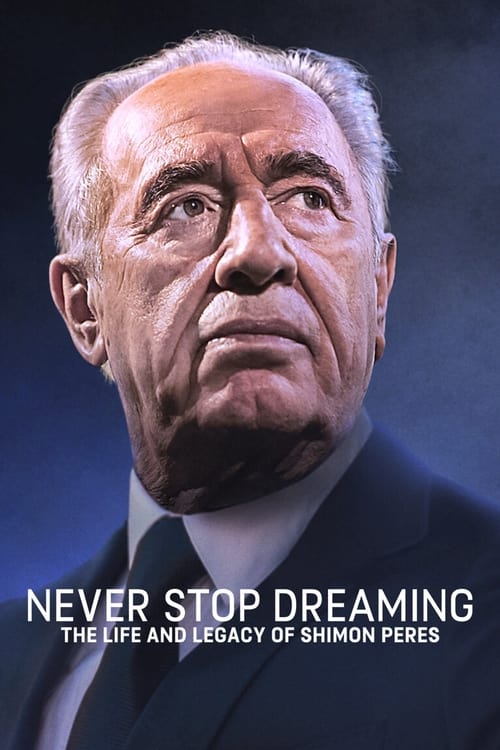
A look back on the life of Nobel Peace Prize winner, Shimon Peres, who served as prime minister of Israel twice and negotiated the 1994 Israel-Jordan peace treaty.
Never Stop Dreaming: The Life and Legacy of Shimon Peres
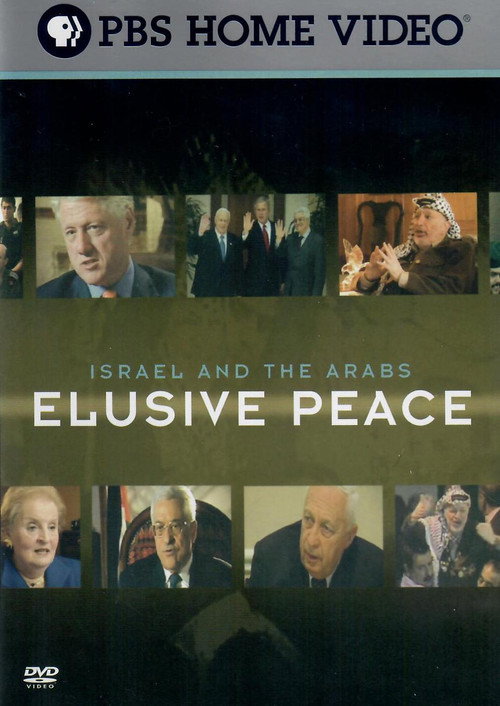
Israel and the Arabs: Elusive Peace is the name of a three-part British documentary series shown in October 2005 on BBC Two about the attempts to settle the Israeli–Palestinian conflict after the 2000 Camp David Summit. The series was produced by Norma Percy, who had produced The Death of Yugoslavia before. Like her previous series, Israel and the Arabs: Elusive Peace relies extensively on in-depth interviews with key players involved in this issue, such as Ehud Barak, Bill Clinton, and Colin Powell.
Israel and the Arabs - Elusive Peace
The ideologies underlying the foundation of modern Israel are explored in this documentary, the third of a trilogy (created over a twenty year span) exploring the Jewish experience. The two earlier documentaries, "Porquoi Israel," and "Shoah," have had great effect on the ways documentaries are produced. "Tsahal" zeroes in on the crucial role of the military in Israeli society and politics. The film uses many in-depth interviews to present the many feelings and thoughts about the Israeli military.
Tsahal
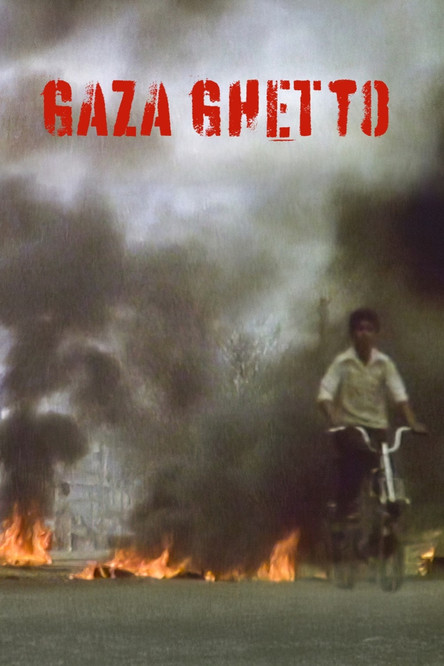
Gaza Ghetto: Portrait of a Family, 1948 – 1984 is a documentary film about the life of a Palestinian family living in the Jabalia refugee camp. The film, created by Joan Mandell, Pea Holmquist, and Pierre Bjorklund in 1984 is believed to be the first documentary ever made in Gaza. The film features Ariel Sharon, Binyamin Ben-Eliezer and soldiers on patrol "candidly discuss[ing] their responsibilities." The film follows a refugee family from the Gaza Strip who visit the site of their former village, now a Jewish town in Israel. As the grandfather and great-grandfather point out an orchard and sycamore fig that belonged to Muhammed Ayyub and Uncle Khalil, an Israeli resident appears and tells them to leave, claiming they need a permit to be there. The mother tells him that, "We work in Jaffa and Tel Aviv and that's not forbidden," to which he replies, "Here it's forbidden."
Gaza Ghetto

On the verge of the election, the director Avi Mograbi aims to make a documentary on the most maligned Israeli politician, Arik Sharon. Against all his prediction, Mograbi discovers that Sharon is friendly and welcoming, completely different from the man who was thought to be...
How I Learned to Overcome My Fear and Love Arik Sharon
No description available.
Wait, It's the Soldiers, I'll Hang Up Now
A look at the work of Israel's controversial former Prime Minister Ariel Sharon.
Sharon
Documentary about the controversial Israeli Prime Minister.
Slaves of the Sword: Ariel Sharon
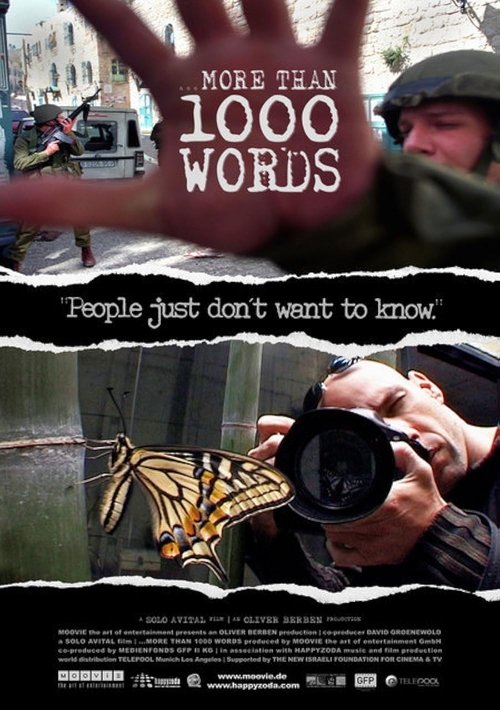
In "More Than 1000 Words" director Solo Avital followed Ziv over a two-year period, shooting in the heart of riots, terror attack scenes, secret meetings with wanted militants, all the way to Israel's pullout from Gaza.