L. V. Prasad
Directing
Known For
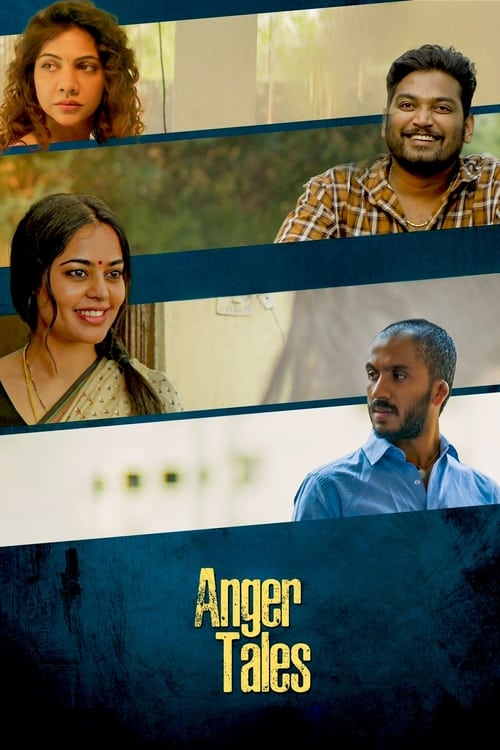
An anthology bringing alive the various hues of anger, telling the stories of four ordinary people belonging to different socio-economic backgrounds.
Anger Tales
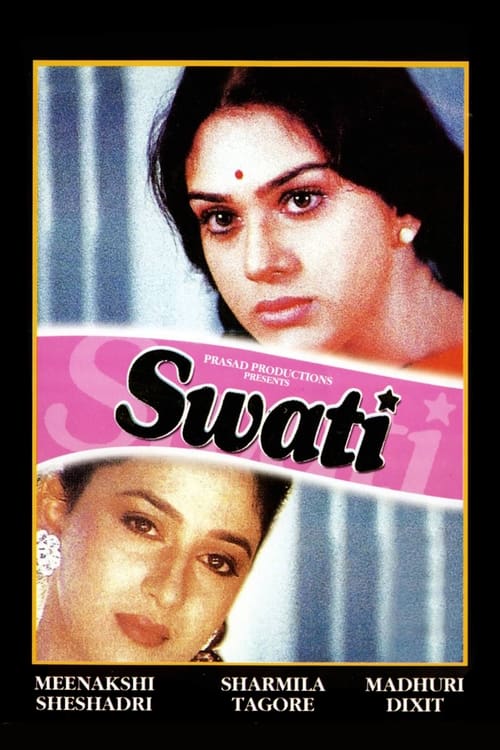
Sharda, a nurse and single mother, raises her daughter Swati as an independent, articulate young woman. Swati is a strong advocate of women's rights in a society where there is significant male domination. Swati deals with eve teasers firmly, sometimes with considerable force. When a married friend of hers gets raped in the presence of her husband, she acts as a counsellor and helps them adjust to the reality of a society that blames the victim and not the rapists. Swati takes on a huge transformation when she meets a political activist and falls in love with him. She embarks on a project of matchmaking for her mother and engineers a wedding with a widower who has a grown-up daughter.
Swati
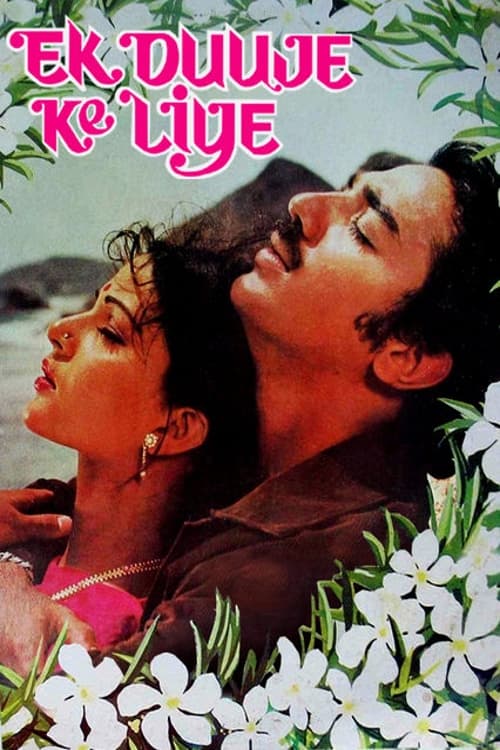
A love story between a Tamil man a North Indian woman, who are neighbours in Goa. They come from totally different backgrounds and can hardly speak the other's language. Their parents despise each other and they have regular skirmishes. When they admit their love, there is chaos in their homes, and their parents reject the idea.
Ek Duuje Ke Liye
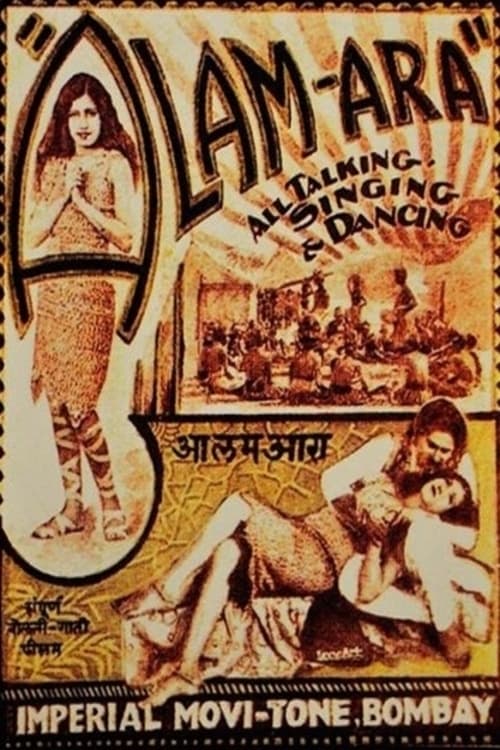
A period fantasy that told of the ageing king of Kamarpur, and his two rival queens, Navbahar and Dilbahar, and their rivalry when a fakir predicts that Navbahar will bear the king's heir. Dilbahar unsuccessfully tries to seduce the army chief Adil (Vithal) and vengefully destroys his family, leaving his daughter Alam Ara (Zubeida) to be raised by nomads. Eventually, Alam Ara's nomad friends invade the palace, expose Dilbahar's schemes, release Adil from the dungeon and she marries the prince of the realm.
Alam Ara

After his business partner embezzles money and leaves him penniless, Parvati's husband passes away, leaving behind two sons, Prabhakar and Sudhakar, & a dumb daughter, Gauri, virtually on the verge of destitution, When Prabhakar grows up, he marries Pooja and moves out. Years pass by, Sudhakar has grown up, has managed to complete schooling, gets a job out of town and re-locates.
Bidaai
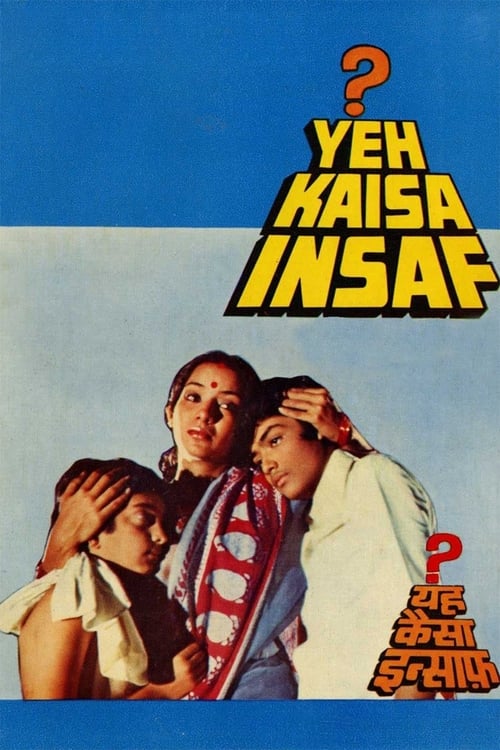
A woman's marriage is filled with upheaval and conflict, but she makes many compromises for the sake of her struggling family. How will she react to her husband's ultimatum, that she must choose him and his family over her own, otherwise he would take their daughter and leave forever?
Yeh Kaisa Insaf?
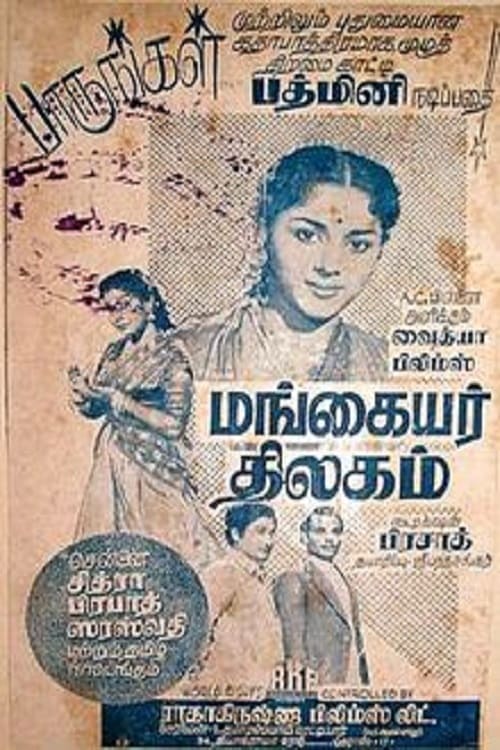
The story starts with the special birthday celebration of a girl. Vasudevan (Sivaji Ganesan) narrates the story which goes back 14 years behind. Karunakaran (S. V. Subbaiah) and Vasudevan (Master Baji) are brothers whose parents had died. They are very much loving and close to each other but Vasudevan longs for mother's love.
Mangayar Thilakam
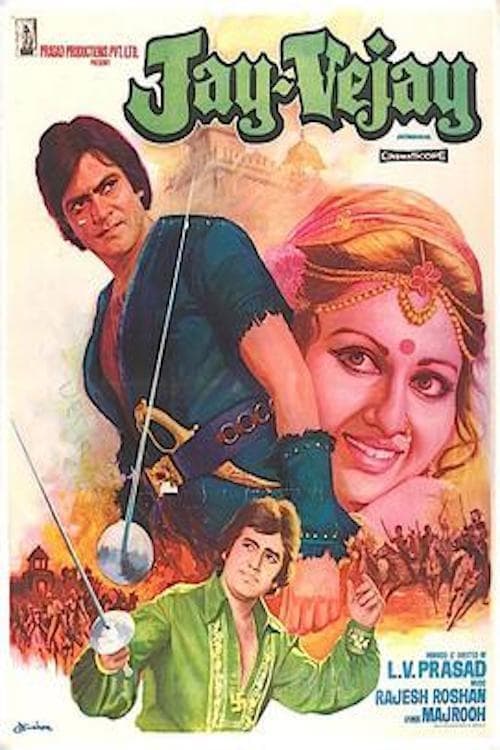
Decades ago, three kingdoms hid their wealth in a secret location and left clues in three necklaces. In the search for this treasure, two long-lost brothers unknowingly come together.
Jay Vejay

Rao and Mary, unemployed college graduates from Madras, act as if they are a married couple to get jobs as schoolteachers in the small village of Appapuram. Their story unfolds into an extremely hilarious comedy as they try to cover up that Mary is a christian. They are assisted in their drama by Devaiah, a friend and ex-beggar, in fooling the family they work for.
Missamma
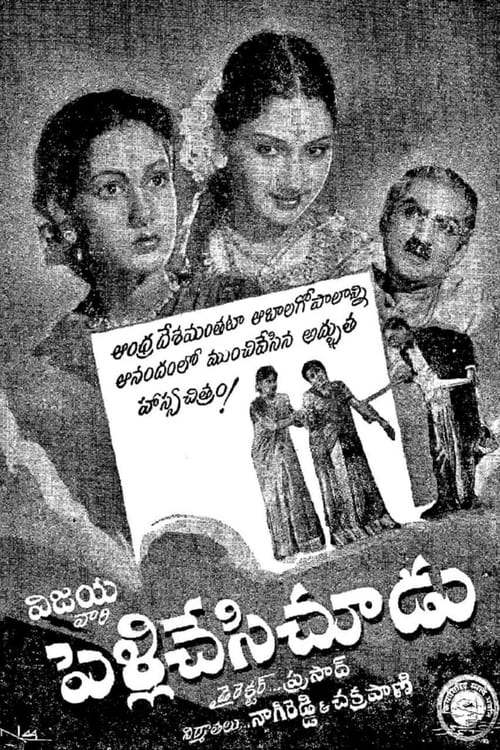
A satirical comedy that deals with the negative effects of the Indian dowry system, through the marital life of Venkata Ramana and Ammadu.The film was made simultaneously in Telugu and Tamil, the latter titled Kalyanam Panni Paar.
Pelli Chesi Choodu

Wealthy Dr. Shivnath decides to adopt an injured orphan named Rajkumar, who has been separated from his sister, Munni, much to the chagrin of his wife, Janki, who resents him and reserves her love for her two biological children, Premnath and Sudha. Years later all the children have grown up, and Dr. Shivnath may have nothing but regret in adopting Rajkumar - who is not only living a dual life; getting into arguments and fisticuffs with Premnath; but may also soon be arrested by Inspector Chauhan for marketing and distributing fake currency.
Udhar Ka Sindur
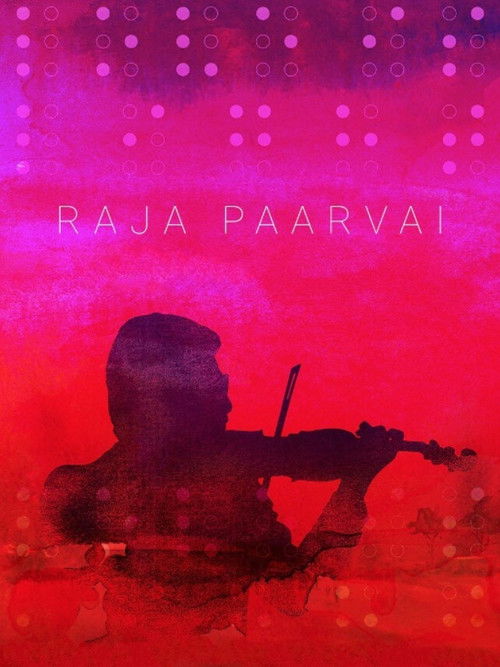
Ragu is a blind violinist who leads an independent life. When Nancy learns about him, she decides to cover his inspiring story. Soon, love blossoms between the two, egged on by her grandfather.
Raja Paarvai

Satyam, a moneylender's son, is supposed to marry his neighbour's daughter Subbulu. However, complications arise when Satyam lands up in jail.
Shavukaru
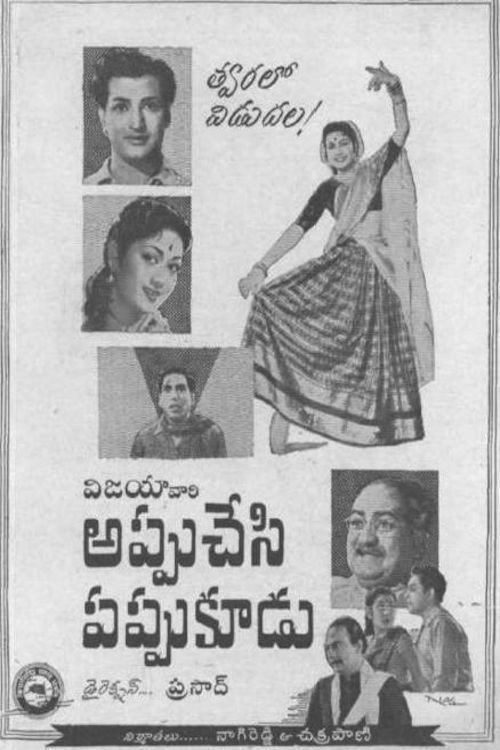
Ramadasu, a perpetual debtor, wants his son Raghu to marry Manjari in order to acquire Mukunda Rao's assets. But Raghu is already married to Leela and Manjari loves Raja, Leela's brother. Raja and his friend Bhaja Govindam hatch a plan to teach everyone a lesson.
Appu Chesi Pappu Koodu

Rajendra makes a meager existence supporting his younger brother and sister and vows not to marry until they have settled. However, when his sister loses her sight, his grand plan is threatened.
Chhoti Bahen

Manohara produced by M. Somasundaram. The Sivaji Ganesan-L. V. Prasad production was distinct, becoming a cult classic. Karunanidhi virtually rewrote Mudaliar’s play, introducing interesting changes like the climactic sequence for which he drew inspiration from “Samson and Delilah”, especially the part where the blind Samson pushes the pillars down. Mu. Karunanidhi’s writing was superb with a contemporary touch. His dialogue had punch, satire, wit and humour. Sivaji Ganesan was excellent in his dialogue delivery and P. Kannamba who played the queen mother was equally brilliant. Her line, ‘Poruthathu podhum, pongi ezhu, maganey’, became quite famous.
Manohara
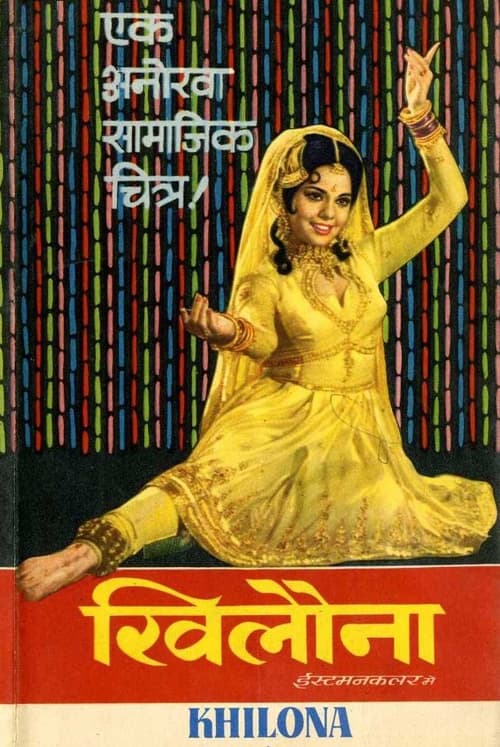
Thakur Suraj Singh lives a wealthy lifestyle with his wife; three sons - Kishore, his wife Laxmi & two children Pappu and Laali; Vijaykamal, & Mohan; and an unmarried daughter, Radha. Kishore looks after the family business, while Vijaykamal is a renowned poet, and Mohan is studying law in the city. Vijaykamal is in love with lovely Sapna, but she is forced to marry Bihari, and kills herself on the night of the marriage. Vijaykamal witnesses her death and loses his mind. The family decide to keep him under lock and key on the terrace of their house. Unable to admit Vijaykamal to a mental asylum, Suraj brings home a young courtesan, Chand, who he hopes will cure Vijaykamal, and she does succeed considerably, but is traumatized, sexually assaulted by Vijaykamal, and abused by the rest of the family.
Khilona
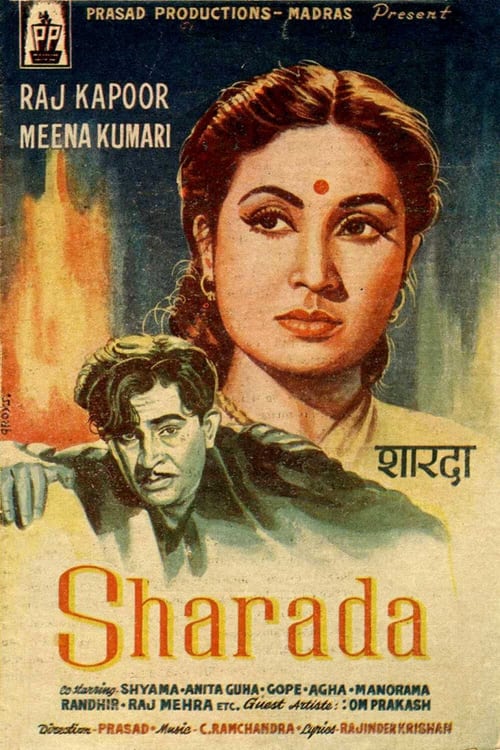
After Shekhar (Raj Kapoor) falls for beautiful Sharada (Meena Kumari), he makes her promise that she'll wait for him while he goes abroad on a business trip. But when Shekhar's plane goes down in flames, Sharada finds comfort in the arms of another man, not knowing that he's Shekhar's widowed father (Raj Mehra). Trouble is, Shekhar survived the crash and soon returns home, only to discover that Sharada has become … his mother!
Sharada
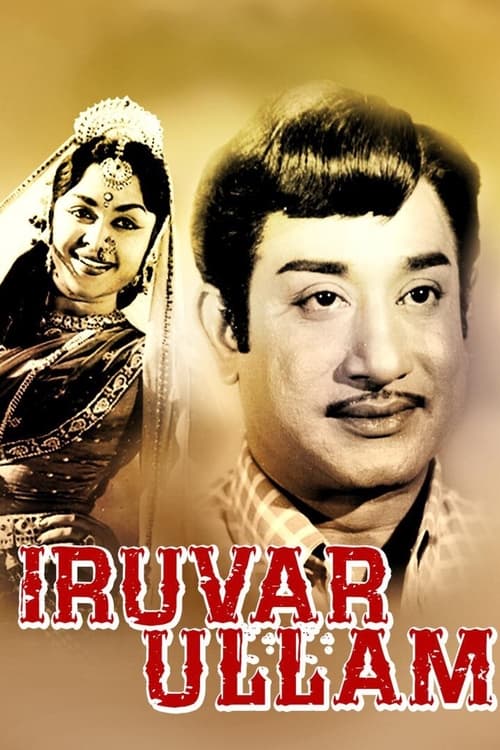
The story revolves around Selvam, an easygoing youngster who befriends many girls without the intention of marrying any of them.
Iruvar Ullam
No description available.