Julian Biggs
Production
Biography
Julian Biggs (1920–1972) was a director and producer with the National Film Board of Canada and its first Director of English Production. Over the course of his 20-year career, he created 146 films, two of which (Herring Hunt (1953) and Paddle to the Sea (1966)) were nominated for Academy Awards. His film 23 Skidoo (1964) received two BAFTA nominations, including the BAFTA United Nations award. Biggs was born and raised in Port Perry, in southern Ontario. When World War II broke out in 1939, he joined the Canadian Army and then transferred to the Canadian Navy, where he spent the rest of the war serving on mine-sweepers. He then attended the University of Toronto and, in 1951, was hired as a production assistant by the National Film Board of Canada. He directed his first film, The Son, a year later. From 1956 to 1958, Biggs produced the Perspective series (paralleled by the similar series in French Passe-partout), which was 35 30-minute dramas with an emphasis on social themes such as alcoholism, drug addiction, adolescence, the elderly, racial problems etc. One such film, Monkey on the Back, directed by Biggs, was a bleak, tragic story of man's unsuccessful struggle to free himself from drug addiction. Similar to Robert Anderson's Drug Addict (1948), which had been banned in the U.S., it was the type of film that caused the NFB to reconsider its role in producing socially relevant films. There was an unwritten policy and priority to shift away from social realism to the 'art' of film.
Known For
This short drama is a portrait of colonial administrator, Governor General and statesman Lord Durham (1792-1840). When Durham recommended self-government in Canada, he closed the door on his own political success. But in the end, the policies he declared for Canada became the pattern for self-rule in the rest of the Commonwealth.
Lord Durham
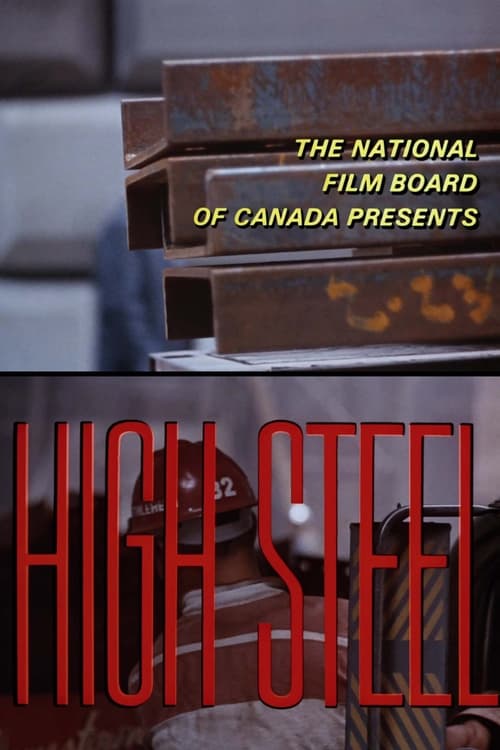
A dizzying view of Manhattan in the 1960s, the tallest town in the world, and the men who work cloud-high to keep it growing. They are the Mohawk Indians from Kahnawake, near Montréal, famed for their skill in erecting the steel frames of skyscrapers. The film shows their nimble work, high above the pavement, but there are also glimpses of the quieter community life of the old Kahnawake Reserve.
High Steel
This film is a reconstruction of Robert Baldwin’s involvement in the Upper Canada Rebellion of 1837. Though bound to the cause of constitutional reform by principle, Baldwin’s heart was with the rebels and in the midst of armed revolt, he withdrew to fight a lonely battle with himself.
Robert Baldwin: A Matter Of Principle

A boy's carved boat travels through the Canadian wilderness until it reaches the ocean.
Paddle to the Sea
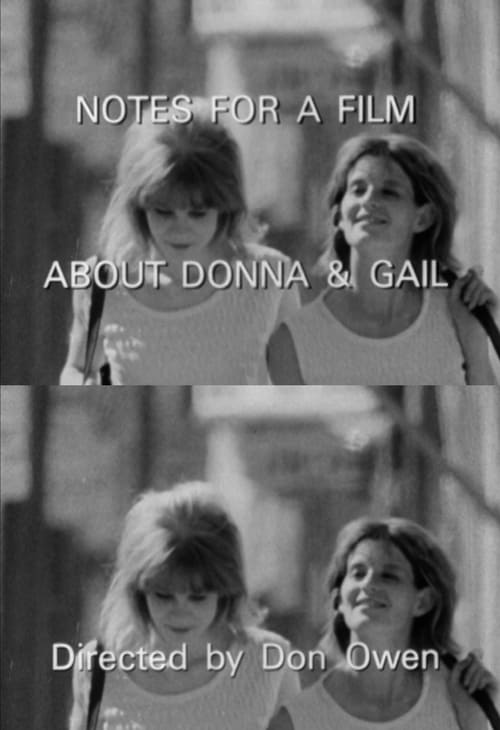
The story of two young women who go to the city to work in a dress factory, and who share a room to ease their expenses and their loneliness. The film shows the currents that brought them together and the facets of their natures that first made them seem compatible but eventually drove them apart. Their story reflects, to a degree, the situation of anyone who has ever shared the life of another.
Notes for a Film About Donna & Gail
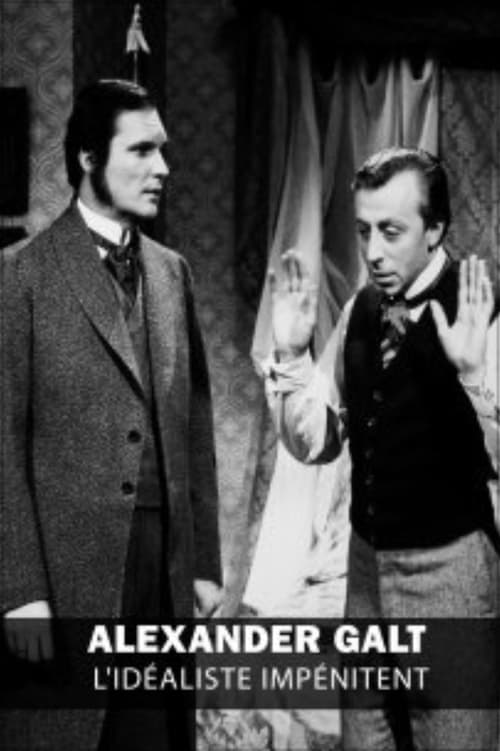
For Alexander Galt it was the middle of the road, until he saw some hope for his dream of a united Canada. What was he like, this stubborn idealist? How did he measure up to other political strongmen of his time? In this film you sense the personal clashes and the interplay of political ambitions that left their mark on history.
Alexander Galt: The Stubborn Idealist
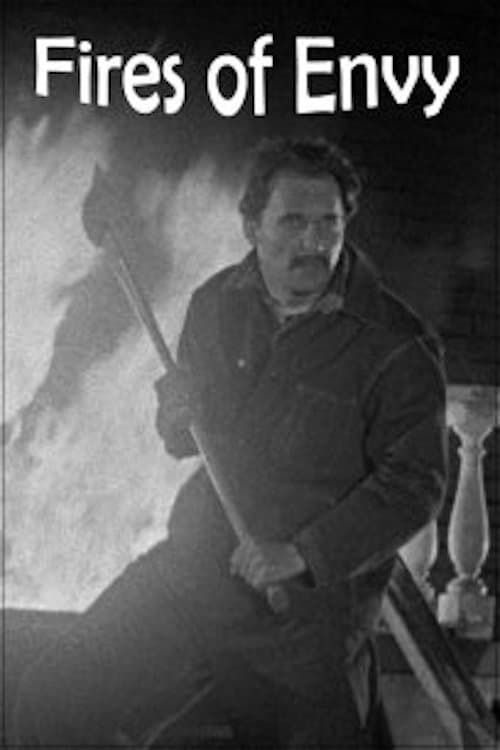
A dramatization of Canadian author W.O. Mitchell's penetrating story about the racial prejudice encountered by a Polish immigrant farmer in a rural Saskatchewan community.
Fires of Envy
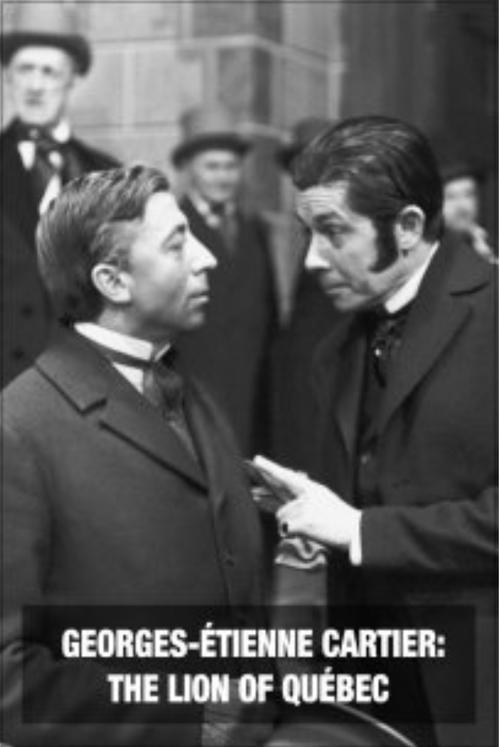
This short biopic profiles Montreal lawyer-turned-politician George-Étienne Cartier as he campaigns to unite English and French Canada under Confederation. The political world of a century ago comes to life as we hear debates in the Parliament of Upper and Lower Canada amidst political strife and personal feuds. Ultimately, Cartier skilfully allays the fears of party and sectional leaders, convincing them that federal union would protect, rather than weaken, Quebec’s cherished rights of language and religion. The eloquent and enigmatic Cartier was instrumental in shaping the Canada that was soon to emerge.
Georges-Étienne Cartier - The Lion of Québec
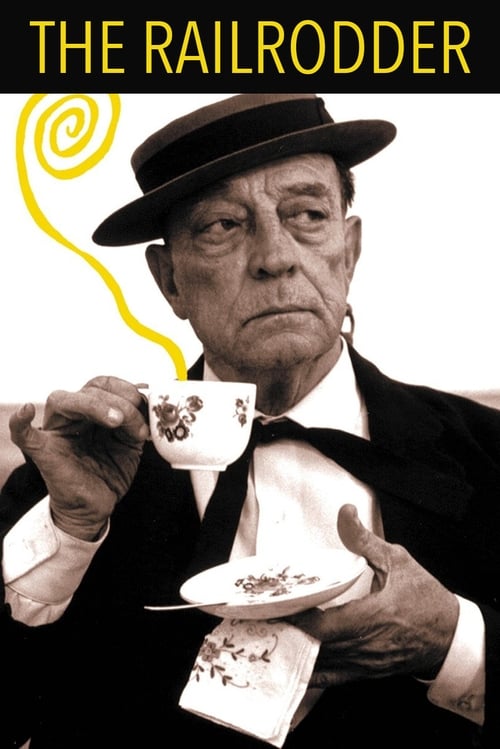
After literally swimming across the Atlantic Ocean, an Englishman takes a country trip across Canada on a railcar.
The Railrodder
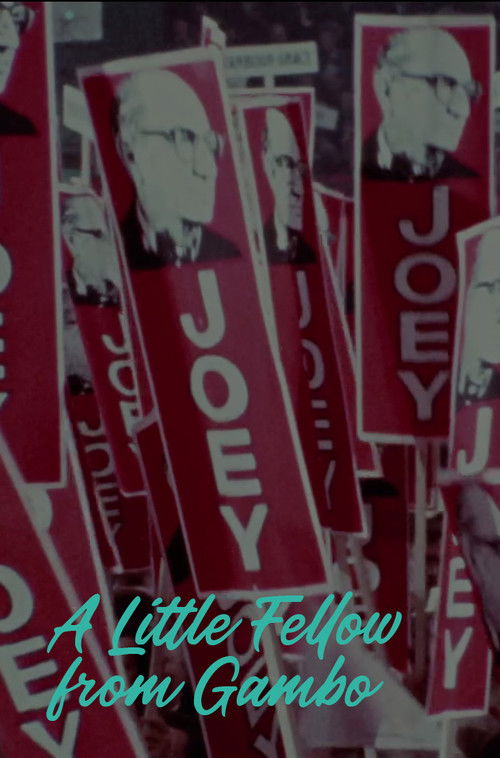
This feature-length documentary paints a lively portrait of Father of Confederation and first premier of Newfoundland Joseph Roberts Smallwood, or "Joey," as he is known to most Canadians. Following one of Canada’s most colourful political figures during a two-and-a-half-month period that included a stormy Liberal leadership convention, the film reveals a man misunderstood even by his close associates.
A Little Fellow from Gambo: The Joey Smallwood Story
The big whale round-up at Trinity Bay, Newfoundland, is brought to the screen with a realism not often found in fish stories. Cameras are on hand to record the annual sea drama as herds of pothead whales are driven inshore by fishing boats and killed in shallow water. There is tense excitement as, their escape cut off, the marine monsters fight for their lives. Reporter Fred Davis is told about the commercial uses of whale meat and whale products, particularly in mink farming.
Encounter at Trinity
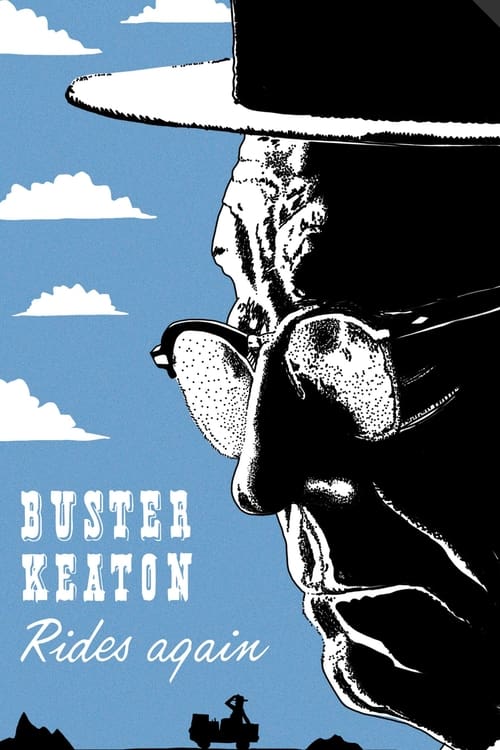
In the fall of 1964, just over a year before his death, Buster Keaton traveled to Canada to make The Railrodder, a short subject that now enjoys a small cult following. Documenting this mobile production in fascinating and unexpected detail, Buster Keaton Rides Again offers a rare glimpse of the comedy legend’s temperament, philosophies, hobbies, marriage (his third), and the occasionally combative creative process behind the scenes. An intimate look at one of cinema’s most enduring legends.
Buster Keaton Rides Again
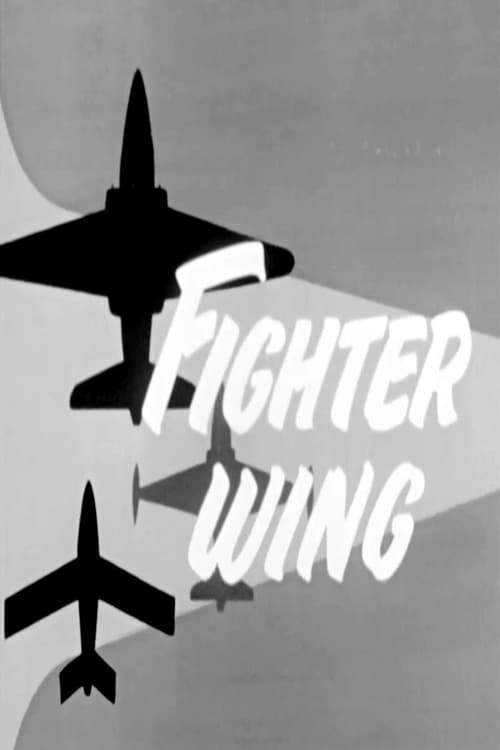
Fred Davis introduces us to Canadian Air Force operations in Zweibrucken, West Germany. Follow Green Section as they perform drills and explain what it takes to be a fighter pilot.
Fighter Wing
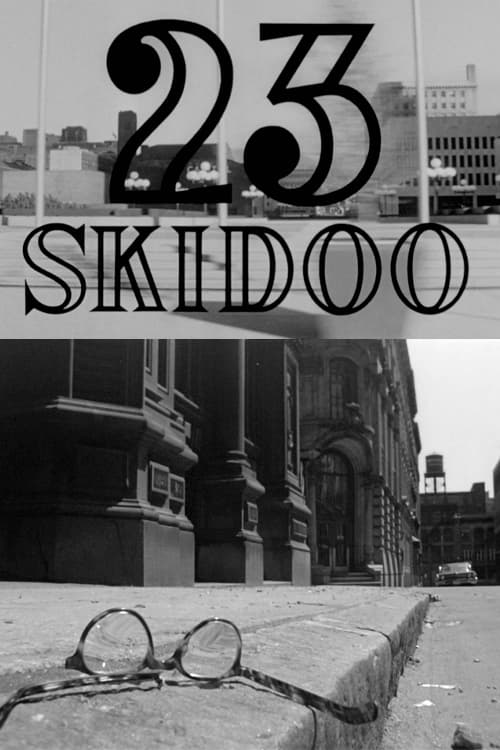
If you erase the people of downtown America, the effect is bizarre, not to say disturbing. That is what this film does. It shows the familiar urban scene without a soul in sight: streets empty, buildings empty, yet everywhere there is evidence of recent life and activity. At the end of the film we learn what has happened.
23 Skidoo

A young, unmarried teenager finds herself pregnant. The film mirrors the state of her mind as she worries about the possible positive and negative reactions of her parents, boyfriend, etc in a series of vignettes.
Phoebe
Howard Mitchell is a responsible young man who will soon be graduating from high school. He works at Resnick's Pharmacy to be able to earn enough money to put himself through college. But in part because of the life lessons he learns from Mr. Resnick through Mr. Resnick's somewhat cynical observations of the customers that come into the pharmacy, Howard is intrigued by an offer from George, his best friend, to tour Canada following their graduation instead of going directly into a post-secondary institution. This trip would not be a vacation, but rather an opportunity to see what life has to offer by meeting people from different parts of the country, while they work odd jobs along the way. This idea goes against the sensibilities of Howard's parents and Howard's girlfriend, Mary, who see this trip as just another impetuously stupid idea by flaky George. Howard has to try and reconcile all these competing forces in his life. —Huggo
Howard
People are interviewed in Dresden, Ontario, to sample local attitudes towards racial discrimination against black people that brought this town into the news. After a round-up of the opinions of individual citizens, white and black, commentator Gordon Burwash joins two discussion panels, presenting opposite points of view. The rights and wrongs of the quarrel are left for the audience to decide.
Dresden Story
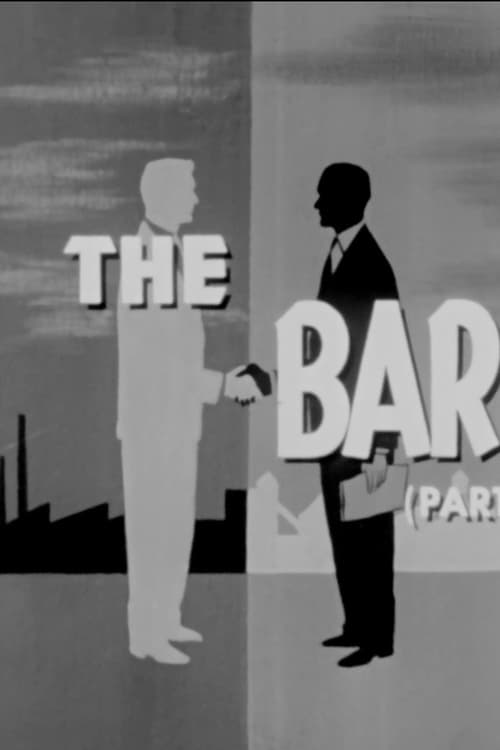
This feature-length drama, originally broadcast in two parts as part of the NFB television series "Perspective," tells two sides of the same story to illustrate the lack of communication between employer and employee. The story takes us into a fictional paper company to meet two men who, despite having similar goals, are at odds with each other. First, we see the tale unfold from the point of view of the employee, and then we get to see the same story retold through the eyes of the employer.
The Barrier
This short film tells the story of Lord Elgin, a man’s whose faith in a nation’s right to self-determination was stronger than the threat of the mob or his own fear of failure. Successor to Lord Durham, he established the principles on which Canadian government stands today.
Lord Elgin: Voice of the People
This short drama is a portrait of Quebec lawyer and politician Louis-Joseph Papineau (1786-1871). A proud, defiant man, skillful in parliamentary debate, and Speaker of the Lower House, his heart was with the people being pillaged by the business elite. When legislation became the instrument of private advantage, Papineau brought government to a standstill. - NFB