
Charu Roy
Acting
Known For
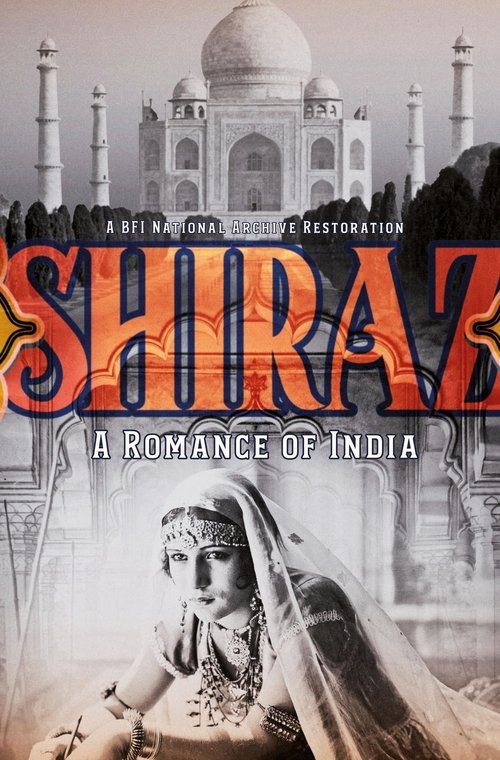
A historical romance set in the Mughal Empire. Selima is a princess-foundling raised by a potter and loved by her brother, Shiraz. She is abducted and sold as a slave to Prince Khurram, later Emperor Shah Jehan, who falls for her, to the chagrin of the wily Dalia. When Selima is caught is Shiraz, the young man is condemned to be trampled to death by an elephant. A pendant reveals Selima's royal status and she saves her brother, marries the prince and becomes Empress Mumtaz Mahal while Dalia is banned for her machinations against Selima. When Selima dies (1629), the emperor builds her a monument to the design of the now old and blind Shiraz, the Taj Mahal.
Shiraz: A Romance of India
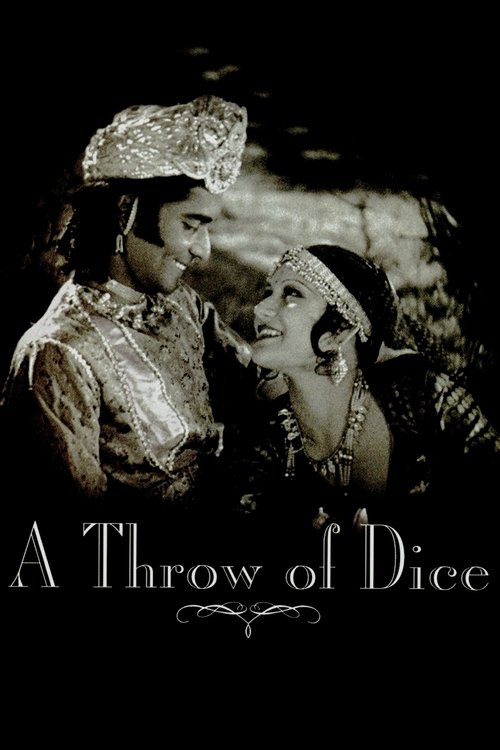
Two neighboring kings addicted to gambling, Ranjit and his cousin Sohat, vie for the same beautiful young woman, Sunita, daughter of the hermit Kanwa.
A Throw of Dice

Living an indolent life in a luxurious palace, Prince Gautama (Rai) is insulated by his family from the harshness of the world outside. But he is destined to learn greater truths: shocked to discover the pain and suffering of so many in his kingdom, he abandons his privileged existence, and his wife Gopa (Seeta Devi), to become a wandering teacher, eventually finding enlightenment and founding Buddhism. Featuring superimposed images and deep-focus shots that were highly impressive for the time, Light of Asia astutely combines a deeply felt spirituality with the surefire attraction of Indian exotica, which helped make it a considerable success in Europe.
The Light of Asia

Vasantasena is a fictional character and the protagonist of the iconic Sanskrit play Mṛichchhakatika (The Little Clay Cart) written by Śūdraka.
Rajnati Basantasena

The story shows the rivalry with the family of Sukhadas, first over who Dinadas' only daughter will marry, and then, more seriously, over the Anglo-Indian prostitute Flora, with whom the sons of both patriarchs fall in love.
Bangali
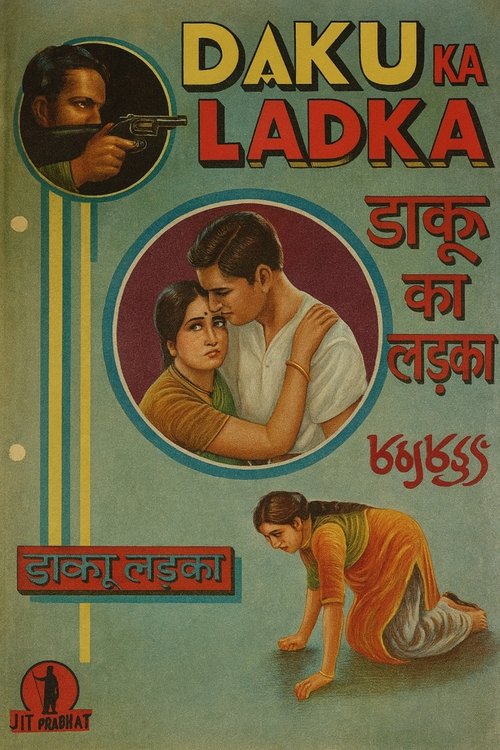
An early Indian drama about a bandit's son, exploring themes of legacy, justice, or a conflict between his path and his father's.