Nada Gaćešić-Livaković
Acting
Known For
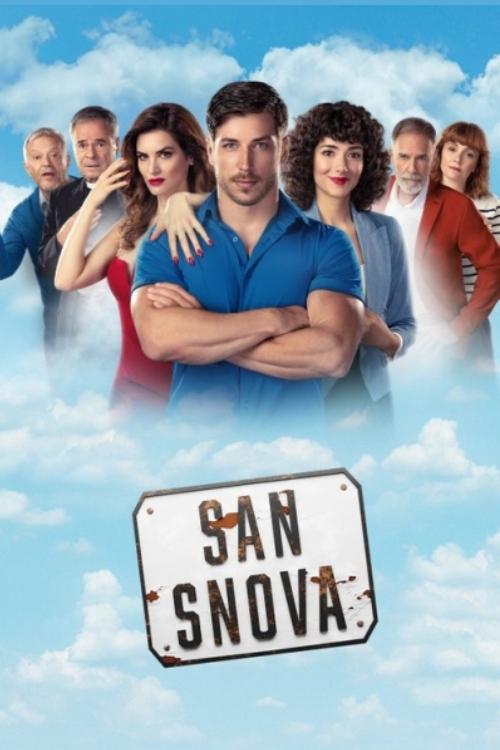
What happens when, at the height of your career, you lose everything you've worked for for years in one bizarre second?
Dream of Dreams
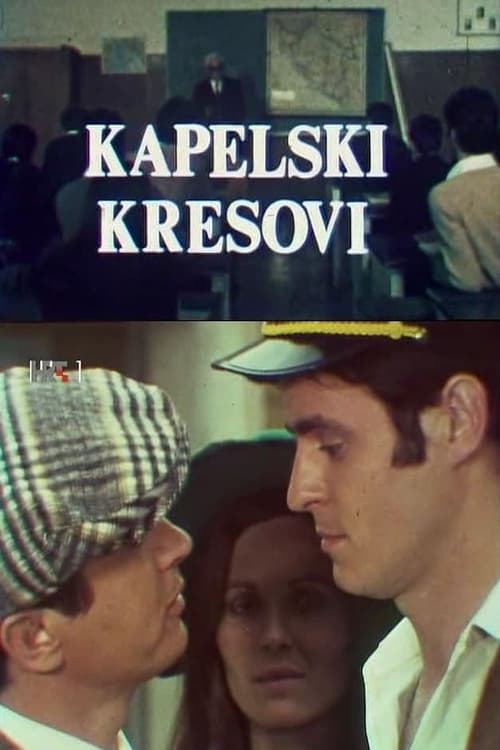
Based on an eponymous novel by Veljko Kovačević. the series is focused on historical events and personalities from the uprisings in Gorski Kotar and the Croatian Littoral in the Second World War.
The Bonfires of Kapela
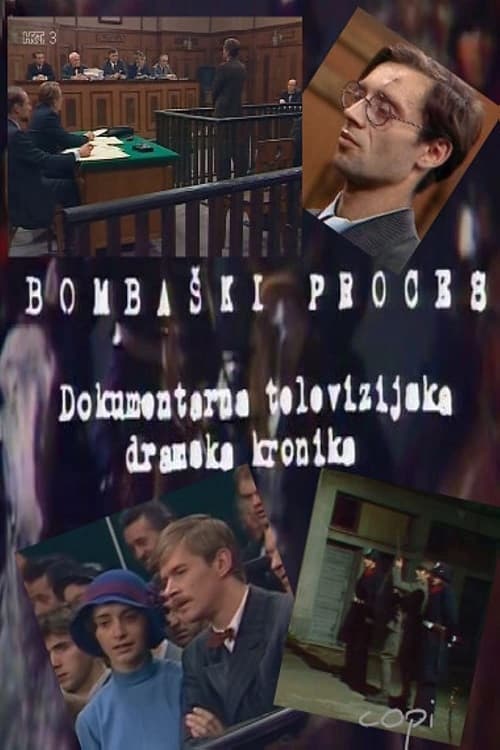
In 1928 young Communist activist was arrested and put on trial for anti-state activity. Years later he became known as Tito, Communist president of Yugoslavia, and this TV-movie was made for the 50th anniversary of those events.
Bombing Process
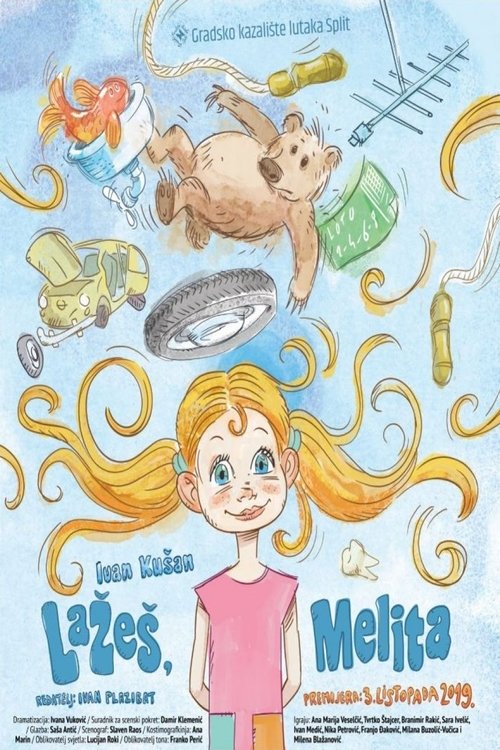
"You're lying, Melita" is a Croatian television miniseries from 1983. about a little girl who thinks there's nothing wrong with choosing not to tell the truth. Based on a short novel by Ivan Kušan.
You're Lying, Melita
In 1928 young Communist activist was arrested and put on trial for anti-state activity. Years later he became known as Tito, Communist president of Yugoslavia, and this miniseries was made for the 50th anniversary of those events.
Bombing Process
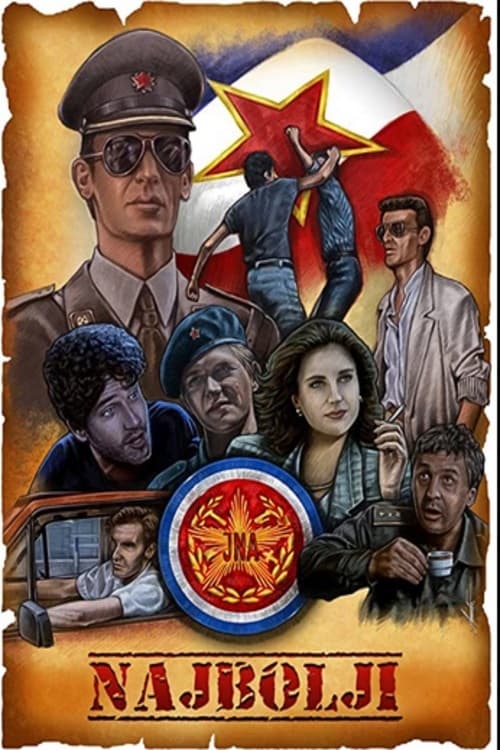
A young officer, after finishing the Military Academy as the best in his class, suddenly and with no visible reason, leaves his home town, girl, parents, safety and eventual career and leaves to a remote provincial town to find and create his life and destiny. The story of a lonely man without illusions and bitterness, who collects simple pieces of sense, humanity and love through his actions.
The Best
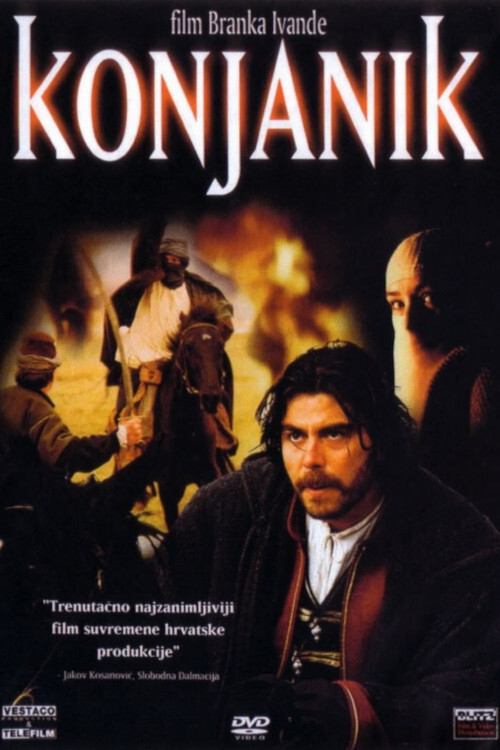
The movie takes place in the early 18th century on the borders between Bosnia and Dalmatia, the crossroad between the Ottoman Empire and the Republic of Venice. It deals with issues relating to the region's native Croats as they struggle between to live between two empires and two faiths: Catholicism and Islam.
The Horseman

A young man finds himself torn between the love for his girlfriend and his family's hardship.
Below the Line
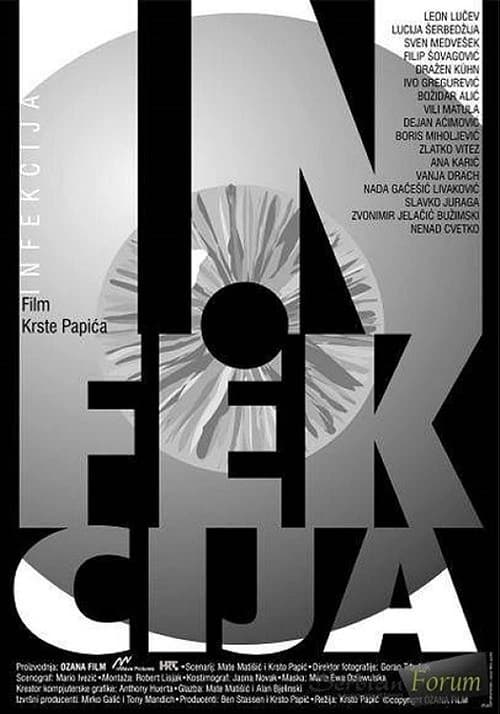
In a fictional Central European country democracy and freedom are only illusion, because behind polished surface there's many cases of murders and manipulations with the people. Police and city authorities are helpless when it comes to revealing the evil and culprits behind it. In the center of this story is the writer Ivan Gajski, whose friend died under sketchy circumstances. Gajski reveals that those who most advocate democracy are not only the same involved in these crimes, but they also did some of the murders as a part of TV production. Gajski meets all kinds of characters through this quest of his, including the woman of his wife Sara, and professor Bošković who discovers the origins of present Evil - the dark past of European continent.
Infection
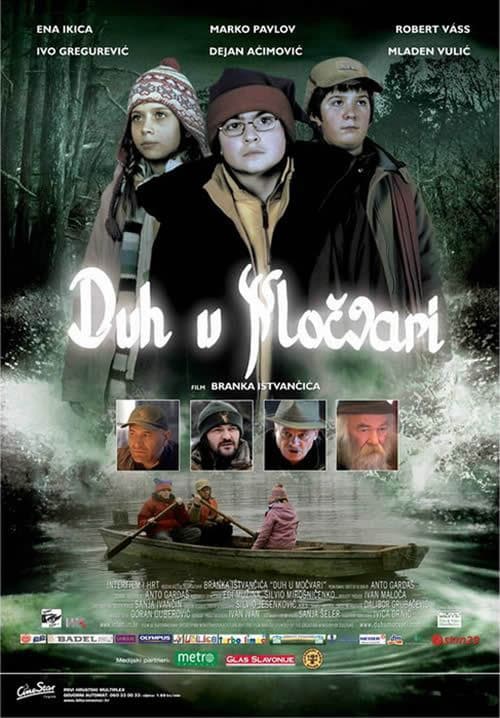
After Liptus arrives in a small village from the city, he calls his best friends, Miron and Melita, on winter holidays in Kopacevo. That same night, while they are all sleeping cozily, from their deep sleep Miron and Melita are woken by the disturbing sounds of villagers, carrying flares and disappearing into the darkness at the end of the street. At the docks, they find Halasz, a boy known for his bravery. He is cold, pale from shock, and babbling a white ghost. While most of the villagers don't believe Halasz's story, older citizens recall a long time ago when a forgotten spirit would scare people at night in dark and foggy swamps. Everyone locks themselves in their houses and Halasz ends up in a hospital where the doctors can't help him. Miron, Liptus, and Melita, now alone, take matters into their own hands, revealing the secret of the ghost and saving their friend.
The Ghost in the Swamp

After Italian capitulation in WW2, German forces are rushing to take control of the Dalmatian coast, forcing thousands of people to take refuge. One partisan boat, filled with refugees, tries to reach a safe area, but because of a storm it must stop near a small island. While the crew tries to repair it, a German gunboat comes from nearby.
Devil's Island
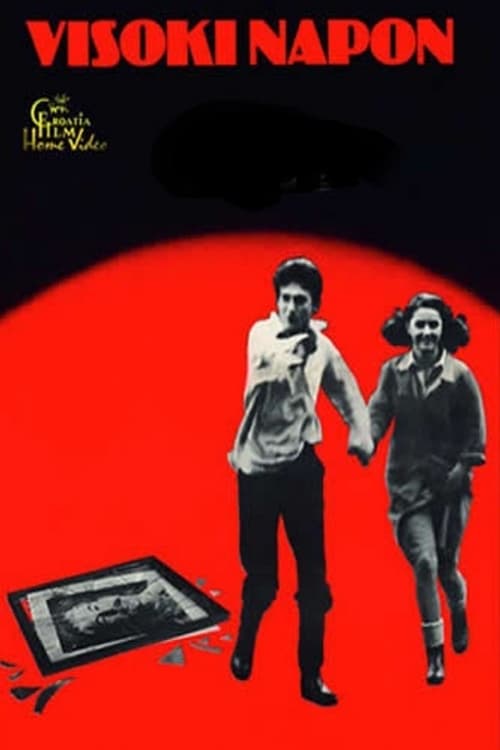
After WW II many young people arrive to Zagreb, among them a young worker Sonja Kacar. She is supposed to participate in the construction of the first generator in the Rade Koncar factory. Because there aren't enough experts and materials in Yugoslavia, the factory counts on help from fellow communist countries, Czechoslovakia and Soviet Union. However, after the Inform Bureau's resolution this help is no longer available. Sonja experiences a great intimate disappointment because Stjepan, who she is in love with, supports Stalin.
High Voltage
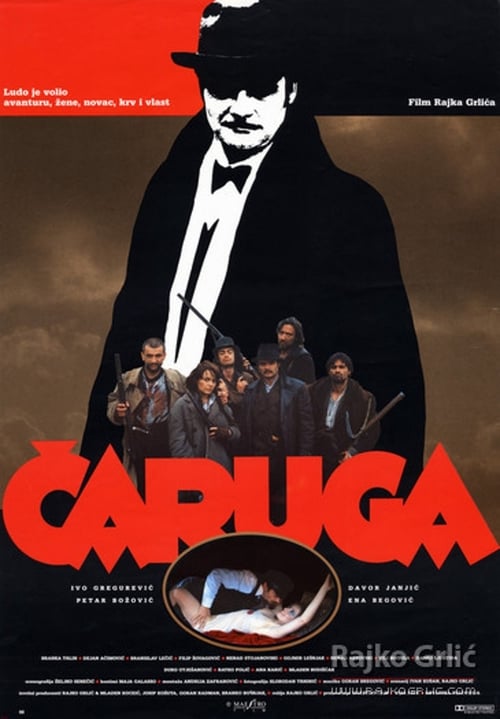
After returning from the Eastern Front to their small Croatian village as veterans of the First World War, Jovan Stanisavljević (nicknamed Čaruga) and his comrade known only as Mali join forces with the gang led by a local bandit and communist revolutionary Boža The Red. After Boža is brutally murdered by law enforcement officials, Čaruga takes over as the gang's leader, turning them into a bloodthirsty troop that won't take no for an answer.
Charuga
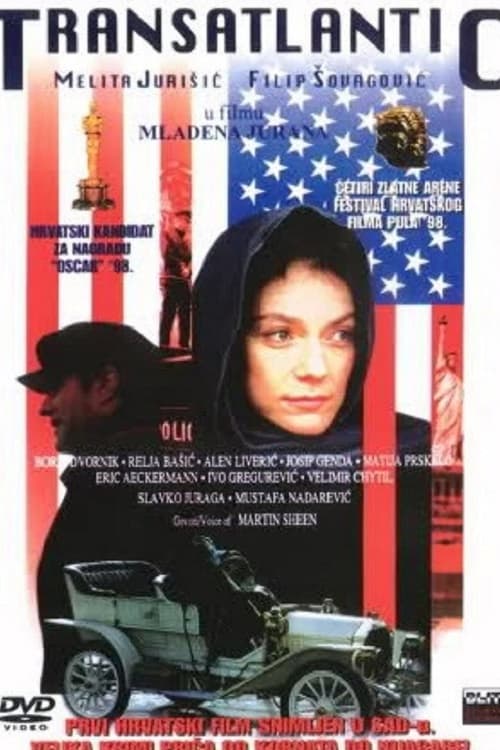
A young man flees to the United States searching for the American dream.
Transatlantic

A young violinist who plays at the war front decides to join his parents in Vienna after his best friend gets killed.
Christmas in Vienna
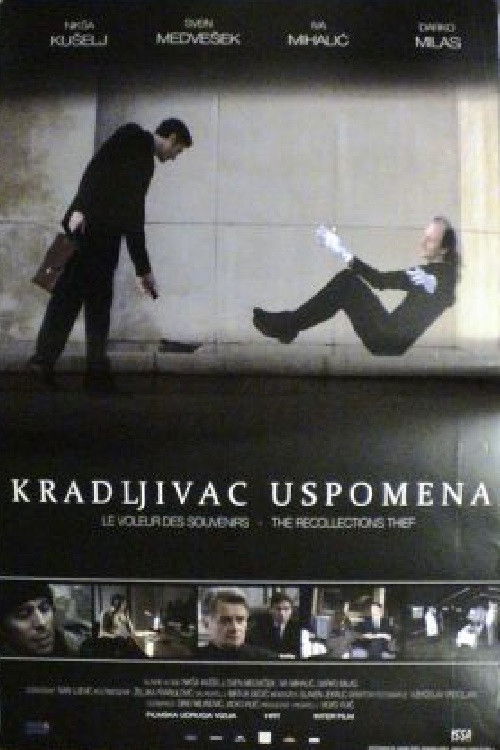
Approximately a month before the death of the first Croatian president and in the wake of parliamentary elections in December 1999, a diplomat from the Croatian embassy in Paris is reported missing. He is a doctor of French literature who returned from Canada in 1991. Gawain Skok, who took part in the War for Independence and defended Vukovar, starts a search.
The Recollection Thief
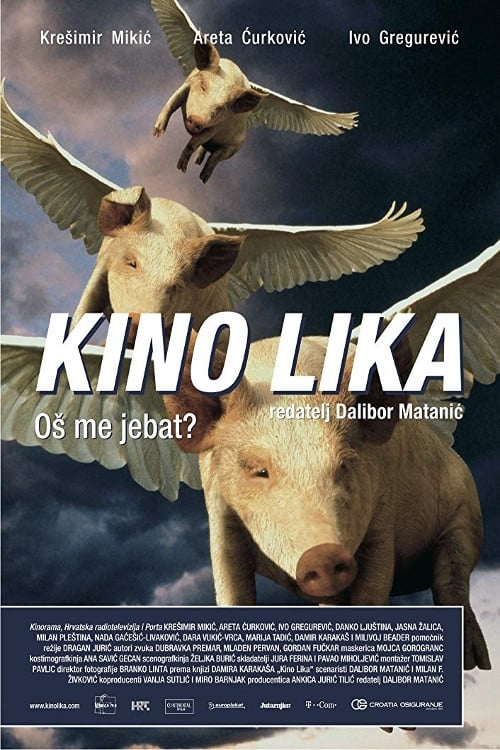
A godforsaken mountain village is the only home that a young football player, a miser peasant and a fat girl have. This isolated part of the country finds itself in the middle of the referendum for or against the EU. Our characters couldn't care less - they are absorbed in their problems. The young football player who accidentally killed his mother doesn't want to join a rich foreign football team and is willing to risk his father's love because of it. The lonely fat girl is so desperate for a friend and for a lover that she will end up seeking both in the pig-sty. The miser peasant will find out that the real misery is in loneliness.
The Lika Cinema
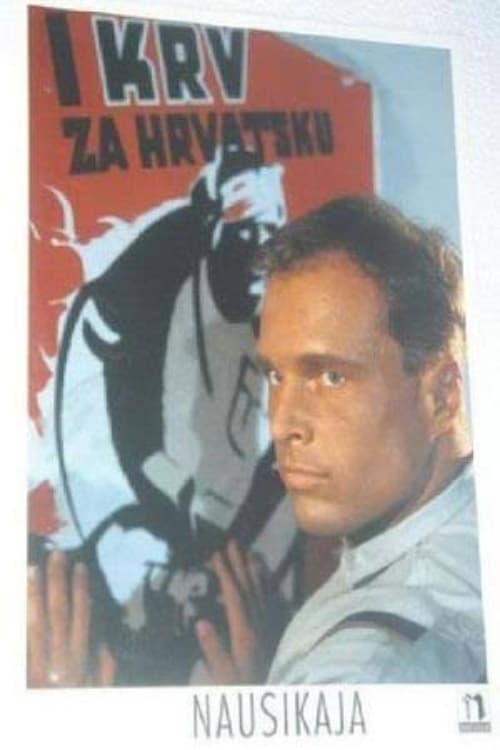
Matija Remetin is young man who is studying drama in Zagreb just before the outbreak of WW2. He rents the room at Marija Slajner, widow who's three previous tennants had commited suicide. Remetin begins to notice a beautiful and mysterious girl on the other side of street and begins calling her Nausicaa.
Nausicaa
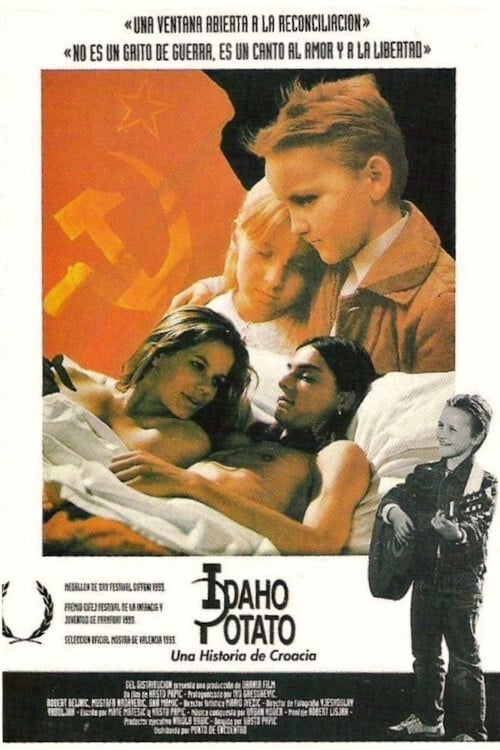
Ivan, a young Croatian autonomist whose brother left the country due to political persecution, falls in love with Marina, the duaghter of a staunch communist police chief. Their forbidden whirlwind romance takes place against the backdrop of early 1980s Zagreb's everchanging sociopolitical background following the death of Yugoslavia's president Josip Broz Tito.
A Croatian Story
When Dr. Lovro Furato accidentally fails to treat the injured eye of the peasant Barisa Surac, the whole silent conflict between the two worlds, rich urban and backward rural, will emerge to the surface.