Acting
No description available.
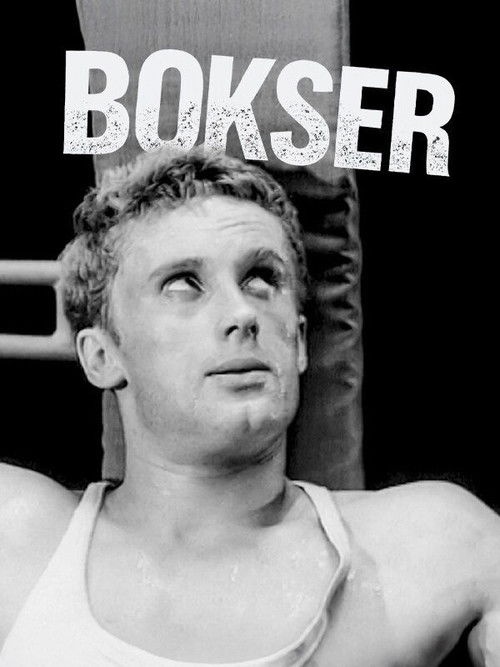
A promising but hot-headed young. boxer studies with a kind, knowing manager, grooming him for the Olympics.
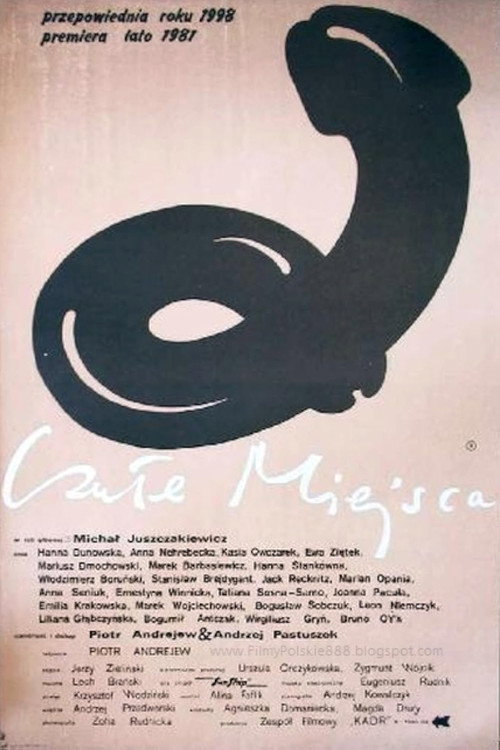
The year is 1998 and the world is in an ecological cataclysm: there is shortage of water, environment is polluted and being outside brings high risks. The main character is a tv technician, Jan, an individualist, who is harassed by the conformists. Jan loves Ewa, a ballet student, who in turn is in a liaison with Allan, a successful and powerful man.
The former head of the Institute of Science - Professor Molnar, returns to the Institute to seek treatment for his heart condition. The new director of the Institute, and his former assistant, Dr. Egberg had a falling out with Molnar after the latter considered his research unethical. However, after waking up from surgery, Molnar makes a horrifying discovery; Egberg has swapped their brains!
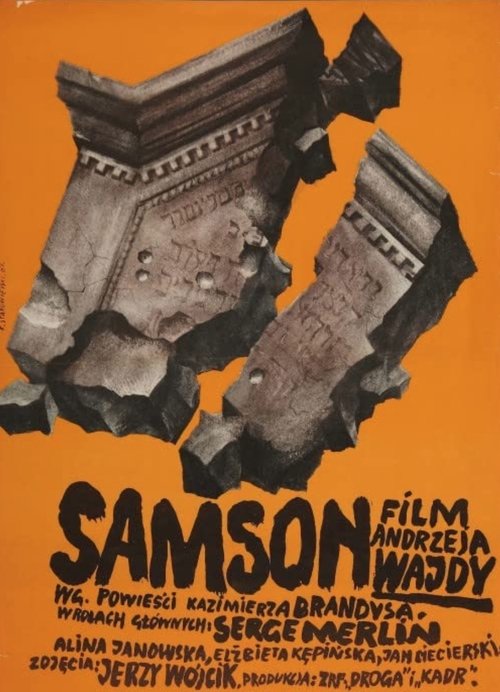
A young Jewish man from Warsaw is imprisoned after an antisemitic incident at his university. He is released when the Second World War breaks out and manages to escape from the ghetto. However, he chooses to leave his hiding place and fight, determined to share the fate of those threatened by the Holocaust. The protagonist is compared to the biblical Samson, who sacrificed his own life.
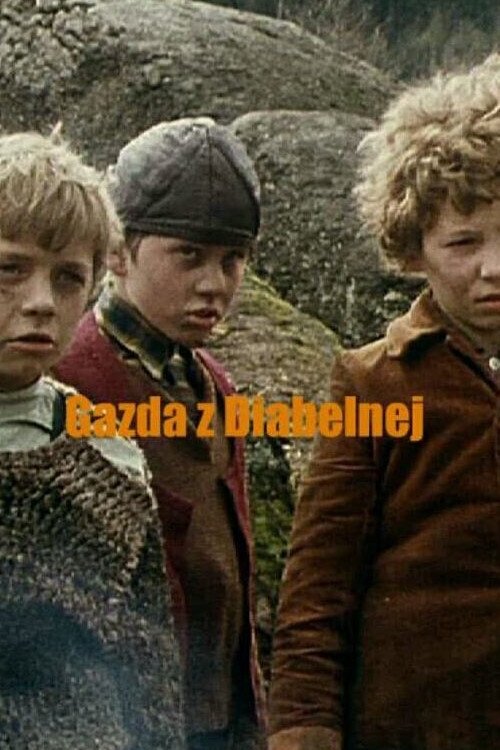
Hosted by Diabelnej
A journalist from "Gazeta Wyborcza" recalls his investigative reports and the consequences he suffered while trying to reveal the truth.
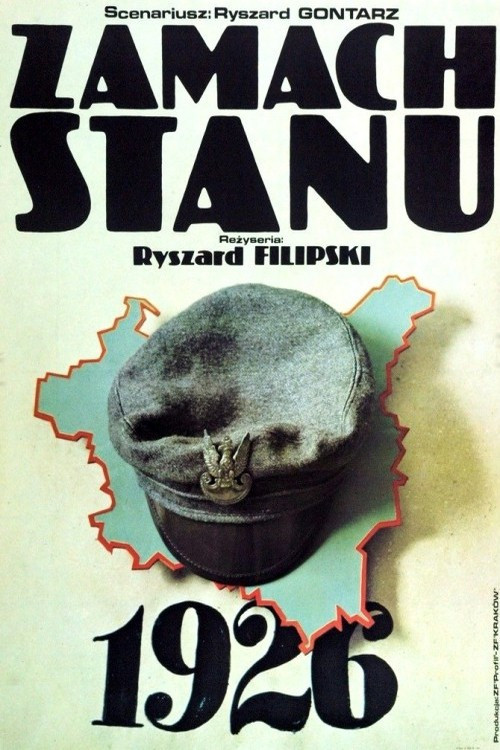
Fall 1925. Six hundred officers demonstrate in front of Józef Piłsudski’s country house in Sulejówek, demanding the Marshal’s return to active political life. May 1926—a government crisis; Wincenty Witos forms a new government. Piłsudski’s move sparks clashes between supporters and opponents of the ousted government. Piłsudski appoints Kazimierz Bartel as prime minister. The beginning of the “moral reform.” Ignacy Mościcki becomes president. Summer 1930. A joint platform of opponents to the Sanacja government is formed. “Centrolew” is established.
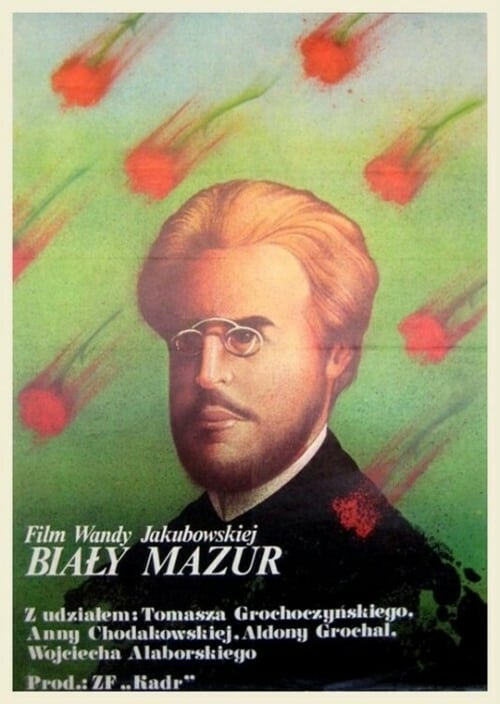
A film about the life and activities of the Polish revolutionary Ludwik Waryński. In his memoirs, Ludwik returns to his student years in St. Petersburg, to Warsaw, to Krakow, where he was arrested and put on trial. After the end of the process in Krakow, Waryński leaves for Geneva, where he meets with Russian revolutionaries. In 1881, he returned to his homeland and created the first party of workers in Poland...
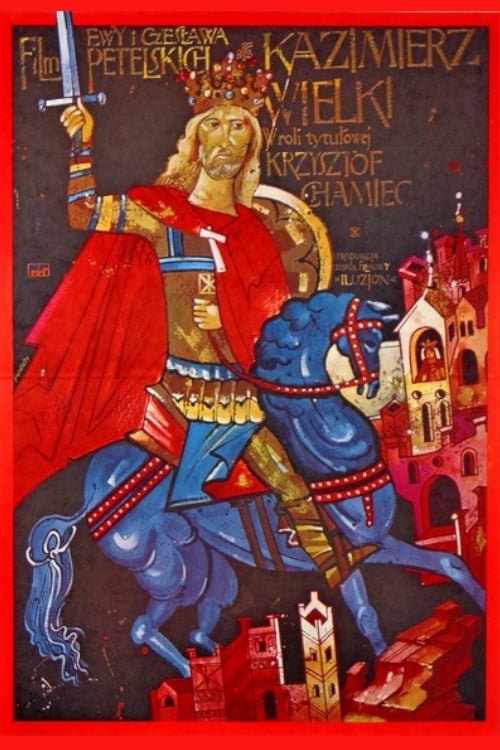
The life and reign of Polish king Casimir III The Great.
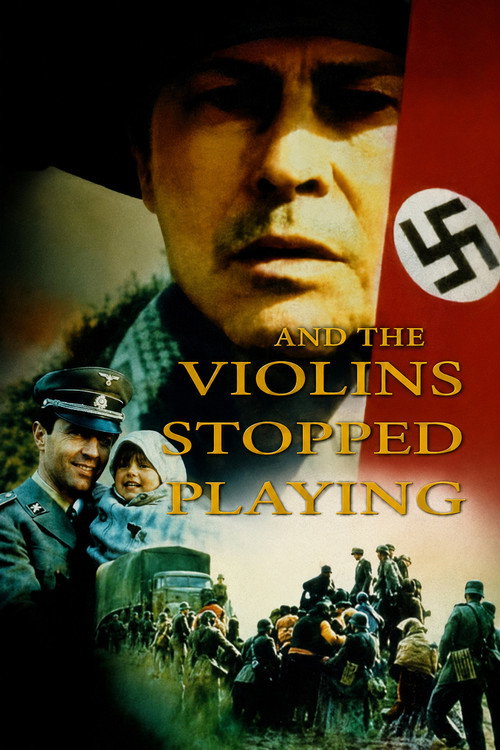
This is the true story about a group of Romani's (gypsy) in occupied Poland during World War II as they confront the atrocities and tragedies of a forgotten holocaust.
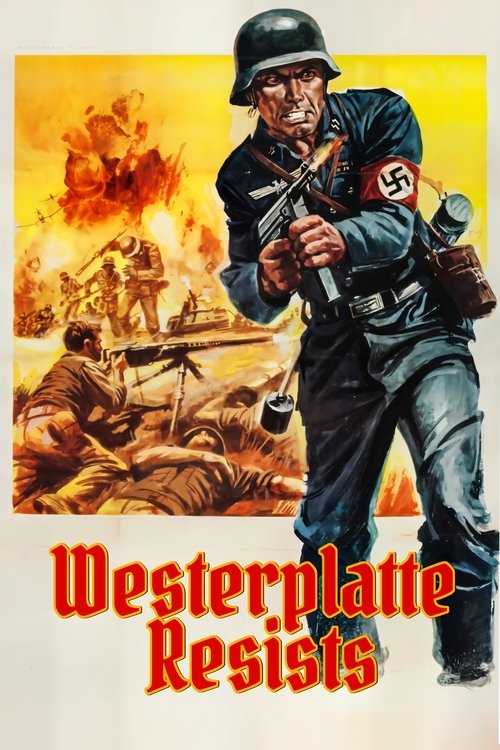
Westerplatte is a small peninsula at the entry to the Gdańsk Harbour. Before World War II, it functioned as a Polish ammunition depot in the Free City of Danzig. Its crew consisted of one infantry company and a group of civilians, 182 people in total. It was the only Polish guard-post at the mouth of the Vistula River, with as little as five sentries, one field cannon, two anti-armour guns and four mortars. The first shots of World War II were fired there. This film tells the story of Westerplatte's courageous defenders.
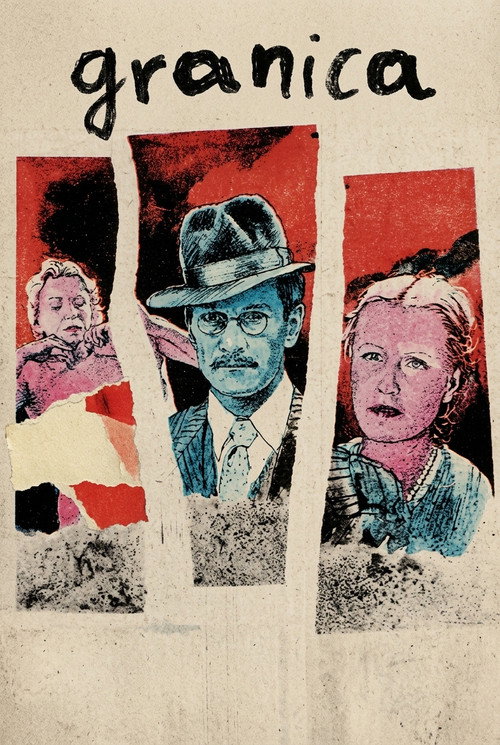
The first Polish film to discuss the failure of September 1939 Polish-German war, seen from the point of view of a university intellectual, fascinated by German culture, who decides to take active part in the conflict.
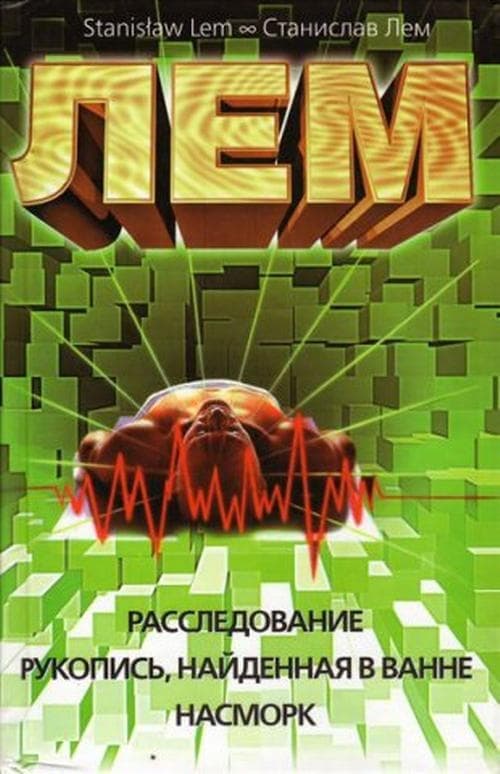
A Scotland Yard officer investigates the mysterious disappearance of a series of corpses. Based on the novel by Stanisław Lem.
Kazmierz Dziewanowicz's hobby is very strange. He collects people who were born on the 29th of February. One day he sees that in his collection there are two men with the same name, the same birth place, the same date of birth and the same parents. In the middle of the night somebody kills him. The Intelligence Agency begins investigation.
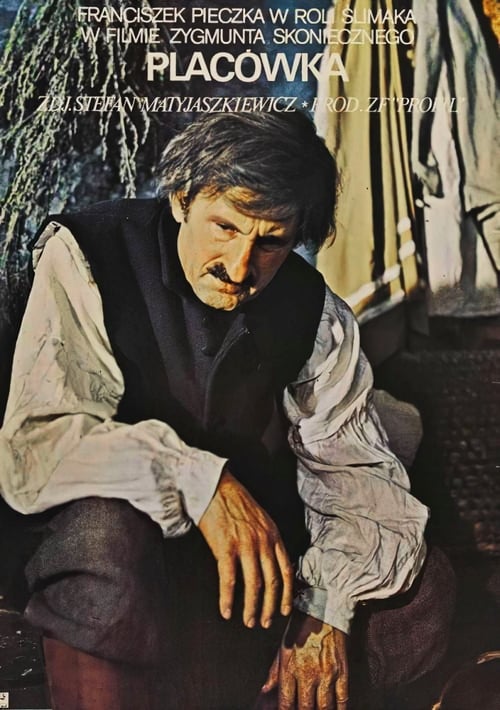
The problem of the Polish population displacement from their land within the limits of the Prussian partition. Germans come to the village harassing a wealthy peasant Snail, leading to the tragedy. Slug's cottage burns, his wife dies. The peasant does not give up, defending his inheritance. He sticks on a patch of his Polish soil and protects it like a soldier his post.
A young woman runs away from her home to the big city, gets a job in theatre and gets involved with shady characters.
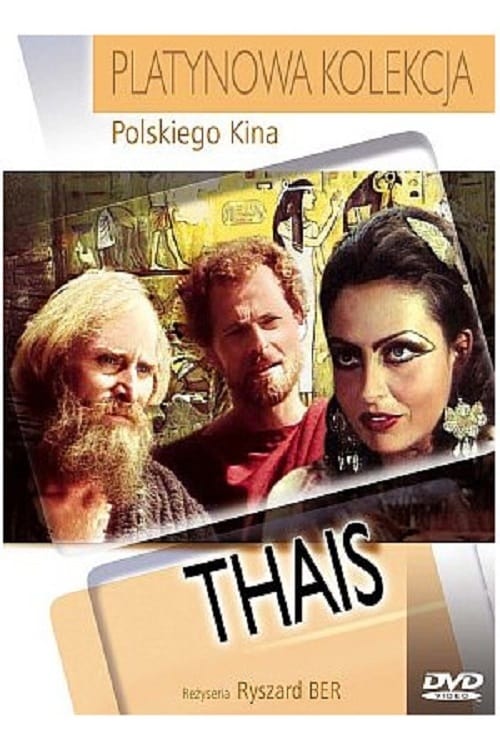
Thais, an Egyptian courtesan, is converted to a life of a penitant by Paphnutius, a holy man. She is taken to a convent in the desert and lives her life in the care of the abbess there. But Paphnutius is changed by the vision of Thais and becomes obsessed with gaining her love and retrieving her from the spiritual world for himself.
Zenon Ziembiewicz, a young, budding journalist, comes to his parents' manor house for a vacation. Here he enters into an affair with the lovely Justyna Bogutówna, the daughter of a cook. When the canicule comes to an end, Zenon packs his bags and leaves for Paris to study. Returning after a year with a doctorate in political science, he makes a fast and glamorous career. He becomes the editor-in-chief of the local newspaper and, soon after, mayor of the city. He also marries Elzbieta Biecka, but still does not break up with Justyna.
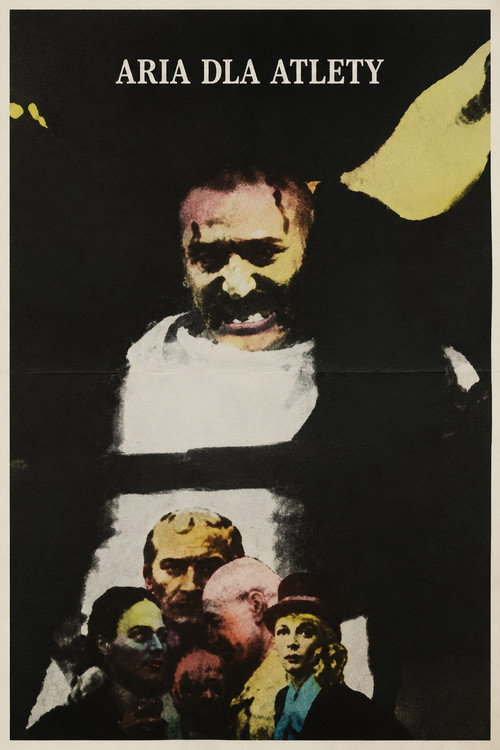
Set at the turn of the century it presents a story of a famous Polish athlete, Zbyszko Cyganiewicz. It begins in a small town where a traveling circus attracts a shy boy into a phony wrestling game to please the crowds. The youth, however, takes his strength seriously, eventually defeating a name wrestler in a fair match. Angered circus manager fires him; he leaves happily due to two wrestler brothers who were harassing him. The wrestler goes on to fame, performing in the world's top arenas, and one day is serenaded by a tenor from the crowd. Fame brings him women and admirers but he is uncompromising on his profession. He has his revenge on one of his tormentors defeating him in the ring. One day, attending a game in a tuxedo, he is challenged by another of the brothers and drawn into a brutal game, in course of which he kills his opponent. Thus his career ends.