Acting
Os Trapalhões was a Brazilian comedy group and also a Brazilian television series created by Wilton Franco. Its members were Dedé Santana, Zacarias, Mussum and their leader Didi Mocó, that was played by Renato Aragão. The name Trapalhões is derived from the Portuguese verb atrapalhar, which means the opposite of helping, to do something the wrong way or to Those that confuse. The name is translated "Tramps" in English DVD subtitles. It was aired by Rede Globo from 1977 to 1999. On March 18, 1990, Zacarias died due to respiratory failure, but the group and the series didn't come to an end until July 29, 1994, when Mussum died due to an unsuccessful heart transplant.
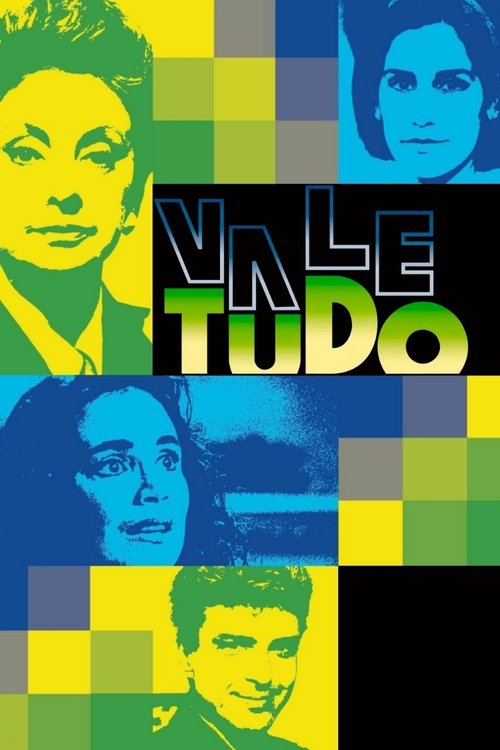
Fátima Accioly is a young, callous woman who wants to be rich and successful at any price. After selling her family's house in the country, she heads to Rio and gets to know dress man César who is unscrupulous himself. Meanwhile, her mother Raquel stays behind without home and money, but finally tries to find her daughter in the big city. Both women come in contact with the rich Roitman family which changes their lives forever.
Amidst an unresolved crime, Simone protects Cristiano and falls in love with him. However, the couple faces ambition and betrayals that tear them apart. Presumed dead, she returns under a new identity seeking revenge.
Opposite Lives tells the story of Miguel (Leo Rosa), a young rich man of a traditional family, and Joana (Maytê Piragibe), a student and tourist guide who lives in a slum. Although dating an elegant and rich fashion designer, Erínia (Lavínia Vlasak), Miguel and Joana fall in love for each other and they decide to get married.
After becoming a widower, businessman Aparício Varela takes over as president of Tecelagem Abdala and decides to win back the great love of his life, Rebeca.
No description available.
Kiki Blanche is a former star dedicated to her family and her beauty salon, in the South Zone of Rio de Janeiro. In addition to Milena, her legitimate daughter, Kiki raises Fernanda, Paulo, Renata and Regina. The great conflict of the plot is Fernanda's passion for Fábio, a man also loved by Milena.
The plans of the young couple Daniel and Clarice are thwarted by Vitor Lopo Jr. He orders the kidnapping of the couple's newborn daughter, Mariana, who ends up living with Pestana and Elza—a pair who have kidnapped other children as well. Among the children kidnapped by Elza and Pestana is Joãozinho, the son of Joana and Felipe Marinho. The plot takes major unexpected turns.
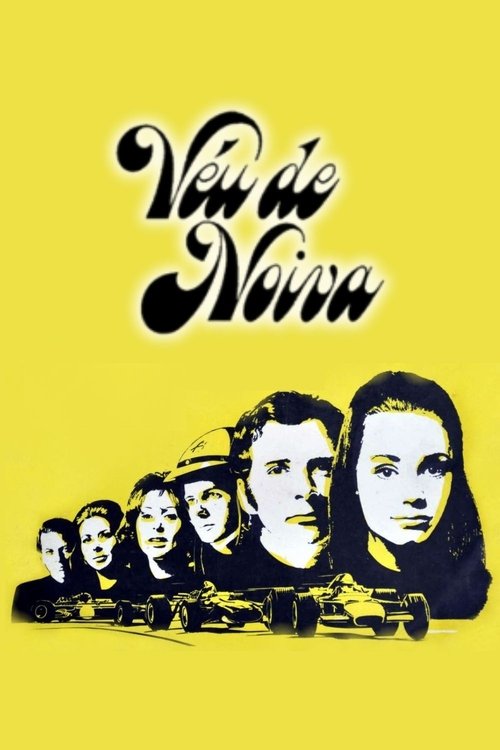
After getting lost on a sea excursion, Jô Penteado and Fábio Coutinho develop mutual feelings during the two months they spend stranded on a deserted island.
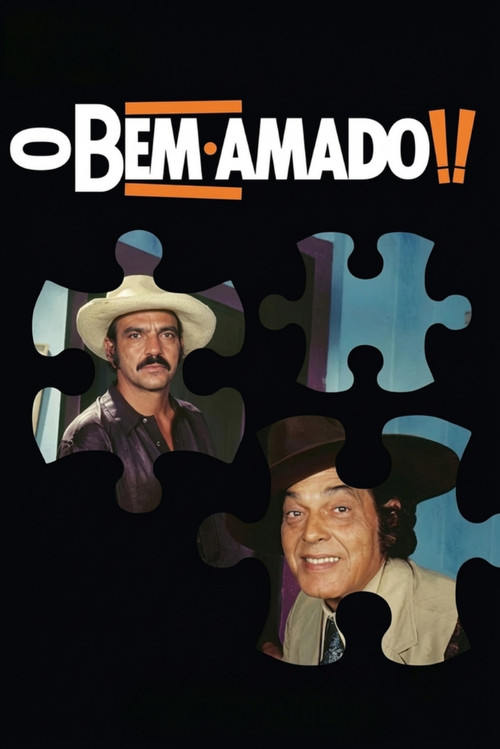
O Bem-Amado is a Brazilian telenovela that first aired on Rede Globo in 1973. It is based on a play by Dias Gomes called Odorico, o Bem-Amado ou Os Mistérios do Amor e da Morte, written in 1962. It was the first Brazilian color telenovela. It was shot in Rio de Janeiro. Broadcast by Rede Globo between January 22 and October 3, 1973.
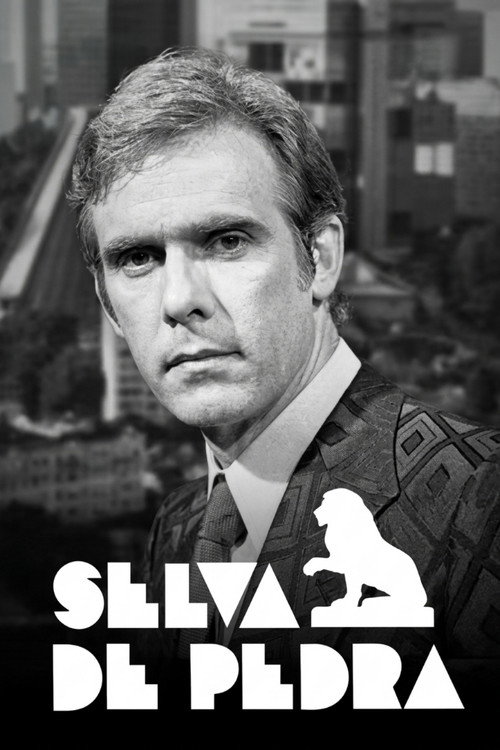
Lauro Fontana wants to build the biggest hotel in Brazil, but he needs to convince the Camará brothers to sell the mansion they live in, facing ethical dilemmas and personal obstacles.
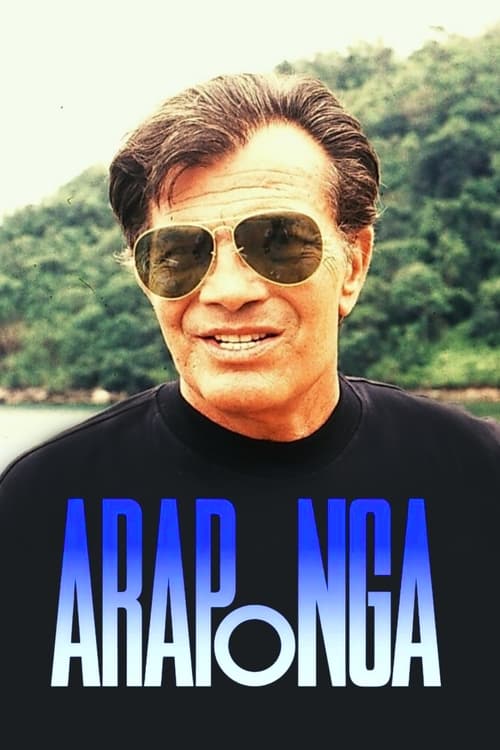
The cunning Senator Petrônio Paranhos gives an interview to the beautiful journalist Magali Santanna, who is interested only in his affair with Arlete—an ambitious young woman intent on conceiving the older man's child via in vitro fertilization. To land this scoop, Magali agreed to interview the politician in a motel room, a condition he had insisted upon. However, Paranhos suffers a sudden collapse and dies during the interview. Detective Aristênio Catanduva, who had been keeping the senator under surveillance, investigates the case. Known by the codename "Araponga," he is a bumbling figure working for the Federal Police following his long service to the military regime.
Facing a financial crisis, Guilherme receives an ultimatum: he must pay his overdue rent within 24 hours or face eviction from the Copacabana apartment—located in Rio de Janeiro's South Zone—where he lives with his family: his wife Joana, his children Kika, Beto, and Tatá, and his father Olavo. Left with no other option, they move into a large house in São Cristóvão (in the North Zone) lent to them by Joaquim, a Portuguese friend. The family struggles to adapt to the suburban neighborhood and cope with their lack of money. To overcome the crisis, Guilherme becomes a partner in Joaquim's auto repair shop.