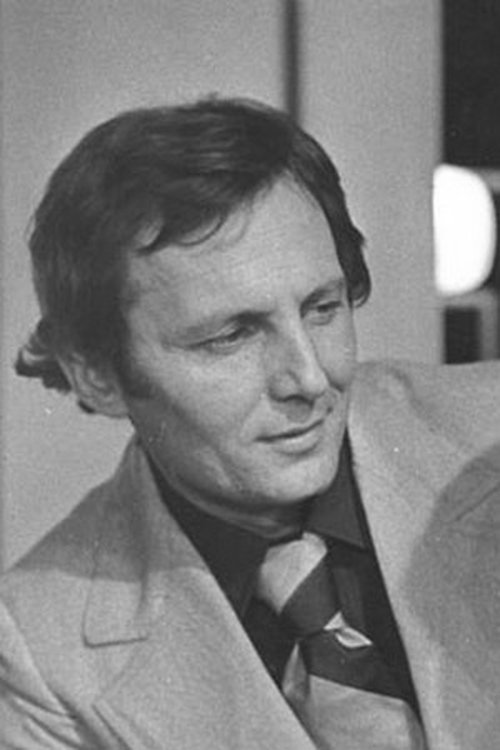
Eugeniusz Korczarowski
Acting
Known For
No description available.
Życie na gorąco
Nikodem Dyzma immigrates from the eastern part of Poland to the capital in the hope for possibilities to make a living. He is in need, very poor and forced to look for basic food and shelter. Yet, on a day when an unexpected invitation appears, his life changes dramatically.
Kariera Nikodema Dyzmy
Kapitan Sowa na tropie is a Polish series from 1965 directed by Stanisław Bareja. It was the first Polish criminal series made after World War II.
Kapitan Sowa na tropie

No description available.
Przyłbice i kaptury
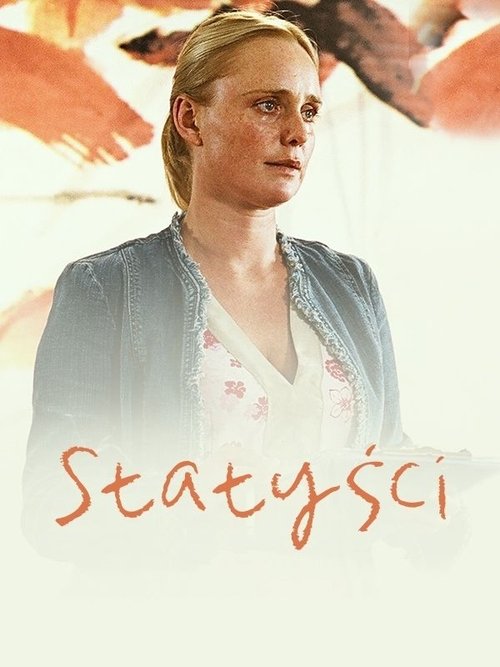
To instil a gloomy atmosphere, a Chinese film crew decides to shoot a heartbreaking drama in a Polish village and invite the locals to act in their production.
Extras
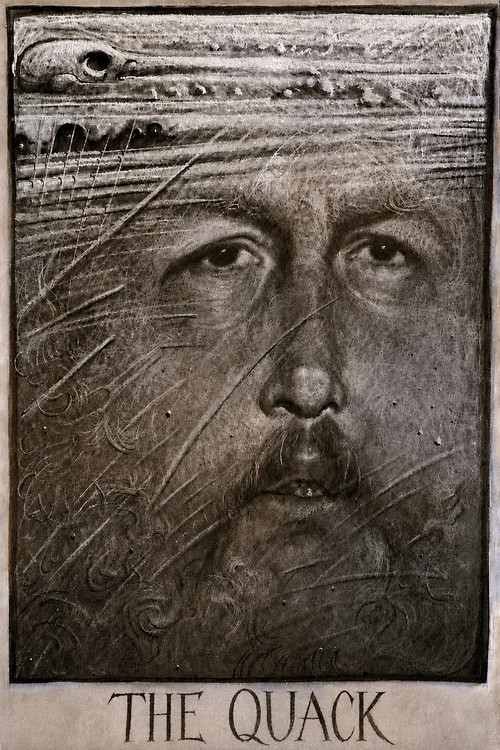
A famous surgeon is beaten by drunken bullies, loses his memory and cannot recollect who he was before. He gets to a village, lives in a not so well to do family and becomes the Quack - he slowly regains his talent for medicine and saves the lives of several village patients.
The Quack
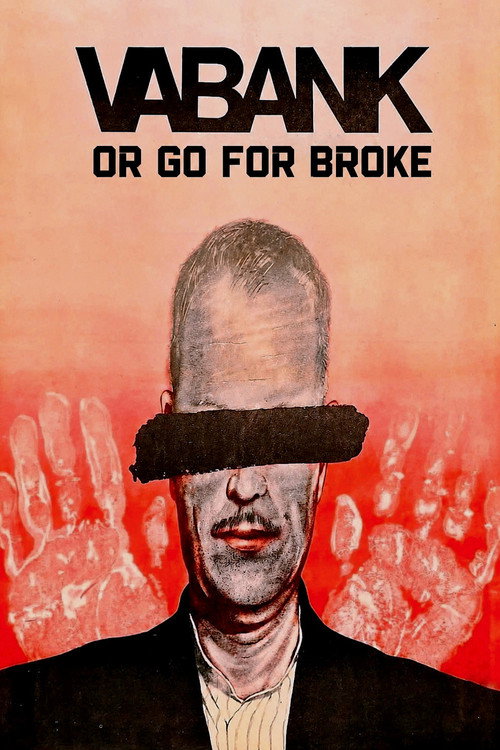
October 1934. Poland. Famous bank robber Kwinto decided to quit his dangerous criminal job, but after his friend's death, he changed his mind and organized a burglary of famous and well protected bank which belonged to his former partner in crime, backstabbing and double-crossing Kramer. Kwinto designs a clever plan not to only rob the Kramer's bank but to make it look like Kramer himself did it.
Vabank
After the end of the war, the Polish authorities try to detain the head of the Warsaw Gestapo.
Powrót doktora von Kniprode
Ignacy Jan Paderewski returns to Poland. A journalist who is supposed to describe his arrival is called to the editorial office.
Powrót do Polski

Poland is under Communist rule. An exiled Polish theater director is in England, enthusiastically preparing an abstract play which will criticize the authoritarian Polish government. His sons might not share his political views, though.
Success Is the Best Revenge
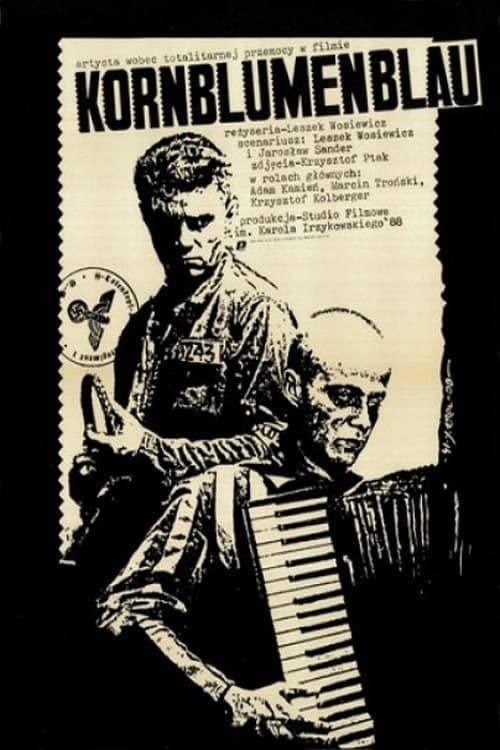
Based on a true story of a Polish musician who survived the concentration camp only because he could play on the accordion the title melody.
Kornblumenblau
Second half of September 1939. Lt. Brejer, along with a detachment of his sappers, receives orders to blow up the bridge. The promised explosives do not arrive. So Brejer gets the order to withdraw and reunite with the rest of the division. Along the way, suffering hunger and discomfort along with his soldiers, he joins various divisions, collects survivors and fights. From a German prisoner of war, he finally learns that the Soviets have entered Poland. Finally, he and his men manage to reach his home unit, but that unit has just surrendered to the Germans.
Virtuti
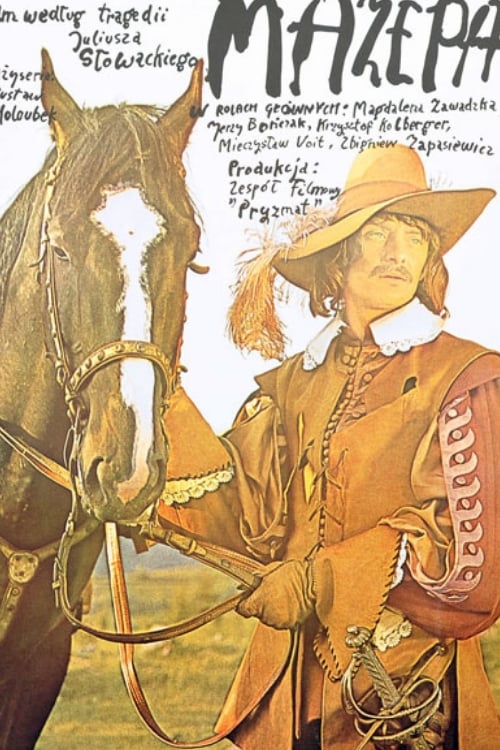
King Jan Kazimierz, Mazepa, a young Cossack from the king's entourage, and Zbigniew, the voivode's son from his first marriage, are all in love with Amelia, the voivode's wife. Dramatic coincidences and misunderstandings lead to a tragic ending. Zbigniew commits suicide, Amelia dies, the voivode orders Mazepa to be captured, stripped naked, and tied to a horse, after which he releases him, while he himself kills himself with a dagger in front of the king.
Mazepa
A Scotland Yard officer investigates the mysterious disappearance of a series of corpses. Based on the novel by Stanisław Lem.
The Investigation
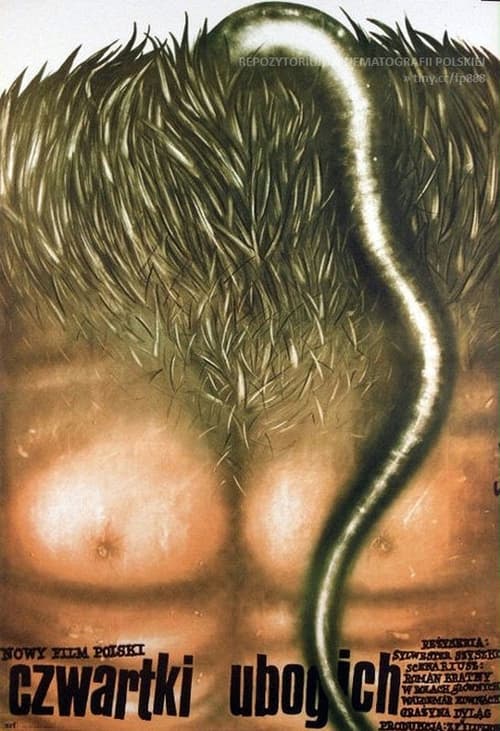
A young doctor has been assigned to a hospital in the provinces, in the lakes district of northern Poland. The area is a playground with hunting lodges for the priviledged, the local politicians cover up any leaks to the public. The doctor discovers a case of drunken driving but is silenced by blackmail in the court. He tries to fight back but has a love affair with the unfaithful wife of the town's Mayor.
Thursdays for the Poor
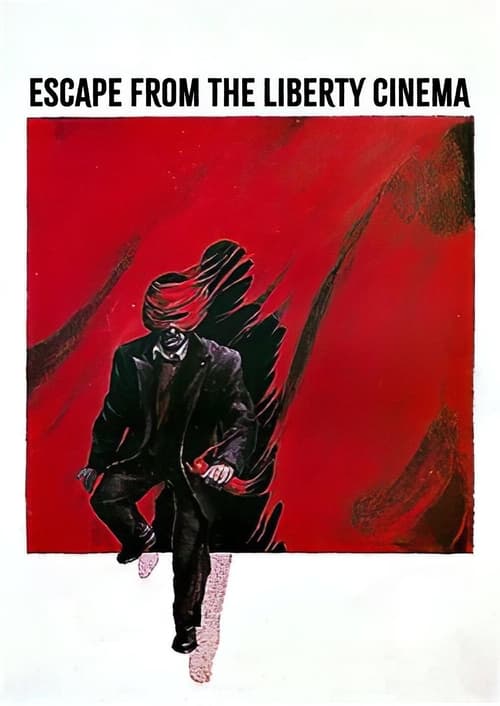
The screening of a movie "Daybreak" at the "Liberty" Cinema is interrupted by an unusual event - actors come to life on the screen, start conversations among themselves, draw the audience into them. Crowds gather around the cinema, the relevant authorities and services wonder what to do in this complicated situation. Also arriving is the censor, a man reaching his fifties, a one-time literary critic and journalist. The line between fiction and reality begins to blur.
Escape from the Liberty Cinema
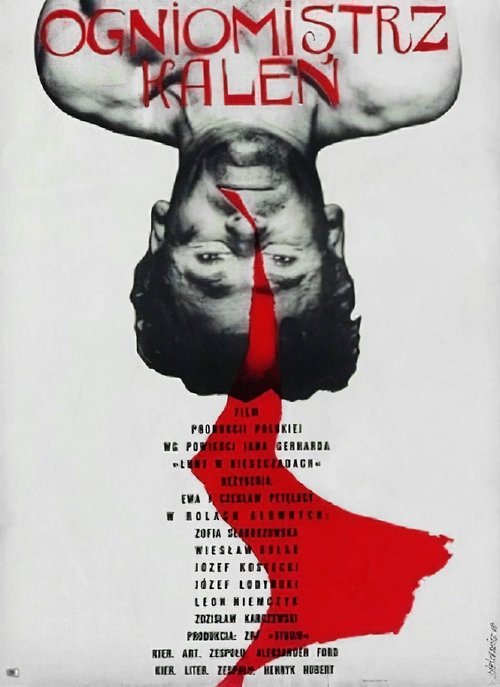
The movie is about the fate of Polish soldier named Kaleń who fought with UPA in 1946.The film recounts the exploits of the Polish soldier caught in the turmoil among the Polish Communist army, anti-communist underground and Ukrainian fascists.
The Artillery Sergeant Kaleń
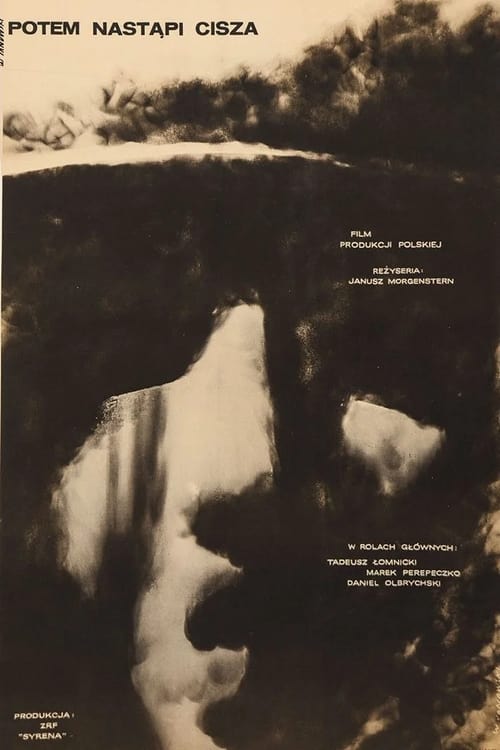
Two Polish Army soldiers, both from different political backgrounds clash while fighting the Germans.
Then There Will Be Silence
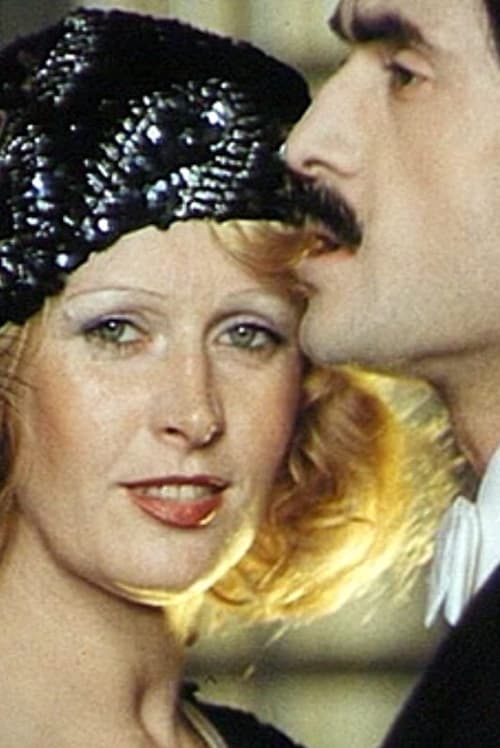
An industrialist's wife announces that she is leaving him, but returns shortly after and tells him that she will only stay with him for appearances. This causes the industrialist to rethink his life choices.
Her Return
The final stage of the great artist's life, a stage in which Witkacy decides to destroy himself. A growing sense of danger, the futility of all actions, and fear of what is to come accompany him constantly during his escape from Warsaw to the East at the outbreak of World War II. Everyday facts and events are intertwined in the film with reminiscences and images from his life, supported by the artist's inner monologue. The style of narration and the way of filming make the film a poignant study of the writer's inner disintegration. By emphasizing the painterly quality of the image and introducing dreamlike themes, Kluba captures on screen the characteristics of both Witkacy's playwriting and painting.