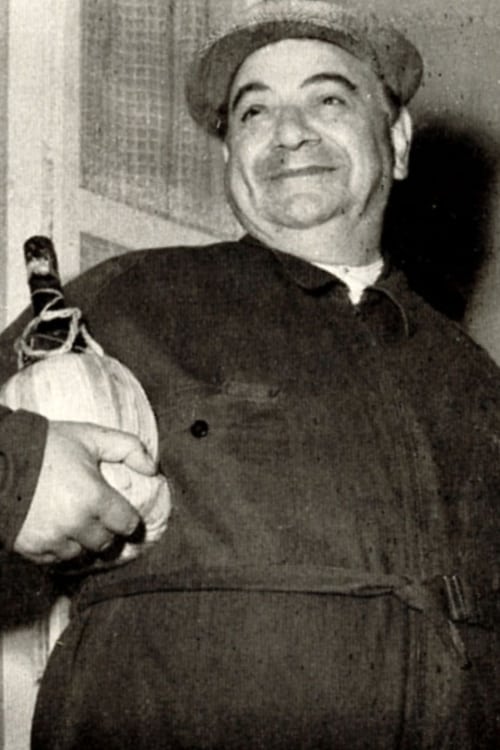
Checco Durante
Acting
Known For
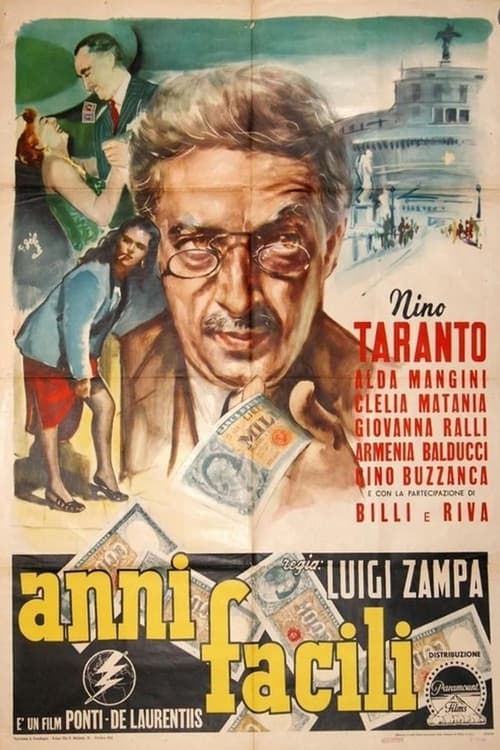
A Sicilian professor who moves to Rome gets lost in the maze of Roman ministries and gives in to corruption.
Easy Years
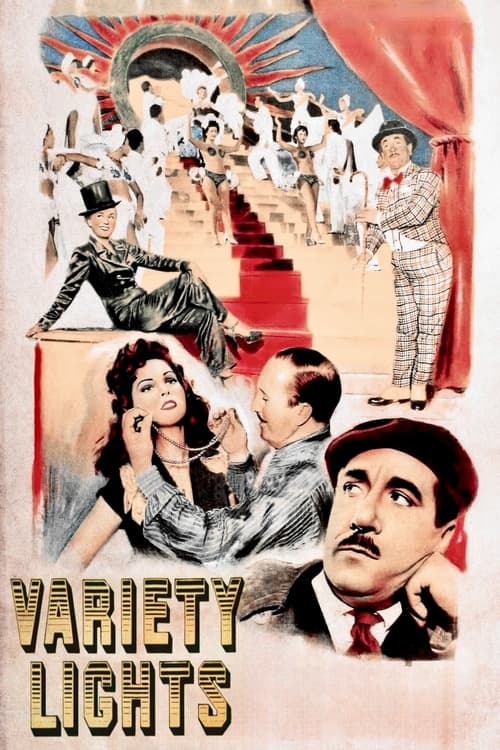
In Italy, Checco Dal Monte manages a troupe of traveling performers with plenty of heart but minimal talent. At a small town engagement, he encounters the starry-eyed, gorgeous Lily Antonelli, and hires her as a dancer on the show. Vivacious Lily quickly sells out crowds and earns the resentment of Checco's mistress, Melina Amour, but the fledgling performer has far bigger ambitions and soon sets her sights on a higher-profile role.
Variety Lights
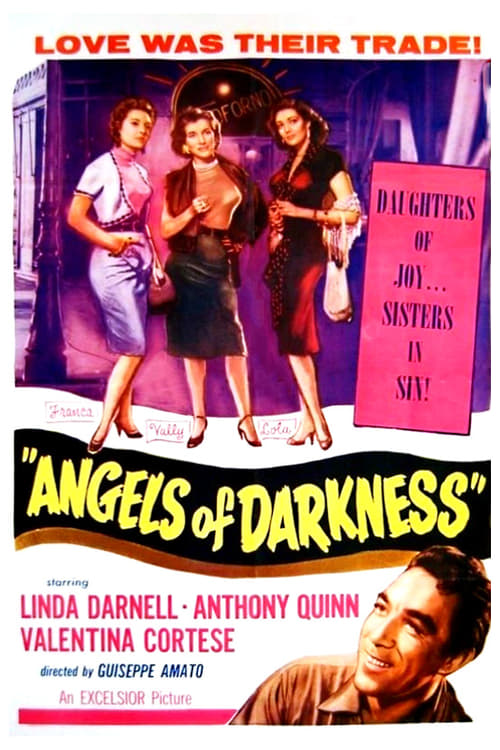
When "Tamara" throws herself from the window of their brothel, her colleagues are made to realise that a new law will close down the source of their livelihood. The girls must now find honest work.
Angels of Darkness
No description available.
Signorinette
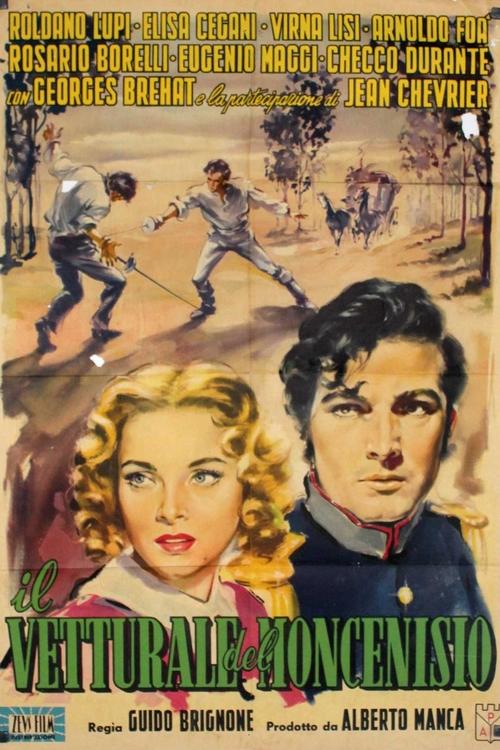
During the first Napoleonic expedition into Italy, Thibaud is seriously injured before being caught up in a mystery involving his wife, her rightful inheritance and his own daughter's happiness.
Il vetturale del Moncenisio

Two petty thieves, Ciro and Geppa, plan a much bigger scam than they usually practice, but complications ensue.
Vent'anni
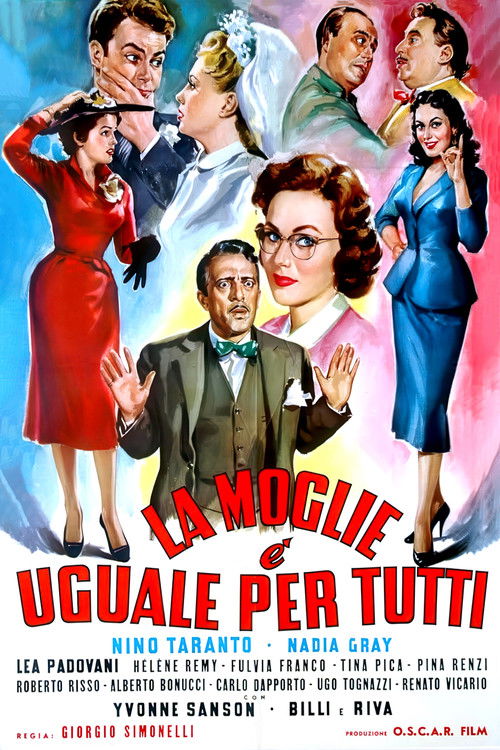
Antonio De Papis is a lawyer and his specialization is separation by mutual consent. He is contrary to marriage because he sees so many of them going wrong. So when his nephew calls on him asking for his approval to his marriage, Antonio suggests to him to spend a day in his office to see what marriage really is.
La moglie è uguale per tutti
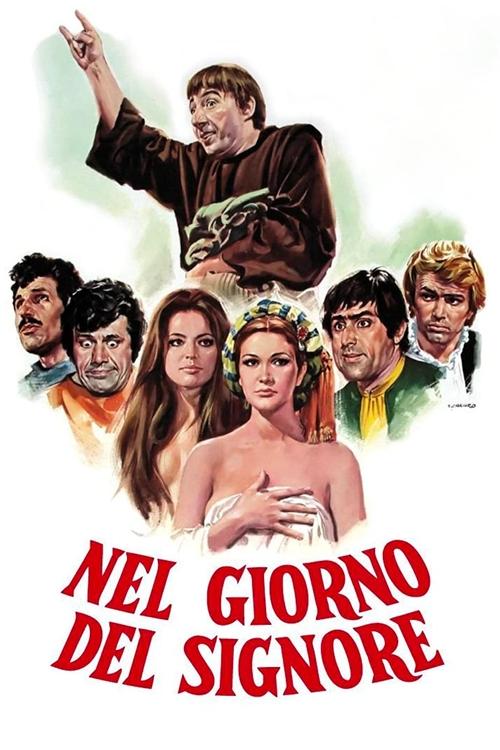
Margherita nicknamed Fornarina is Raphael's mistress. Beatrice, a noblewoman who is also in love with the famous painter tries to get her out of the way, by having her wrongly accused of the murder of a loan shark, whom she has in reality killed herself. Fornarina is sentenced to death. Will Raphael manage to prove her innocent?
On the Day of the Lord
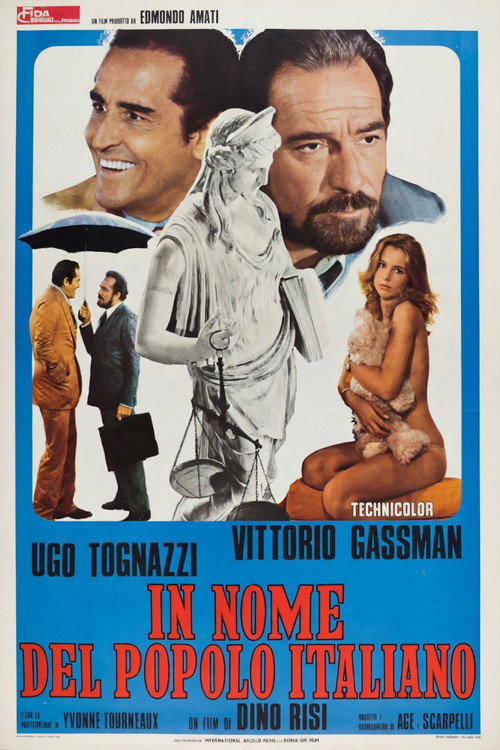
An obscure Italian magistrate suspects that a well-known industrialist commited murder, and decides to investigate him, and bring him to court, whatever it takes. But - will the magistrate have it in him to go against impossible odds, in the name of the Italian people he represents?
In the Name of the Italian People
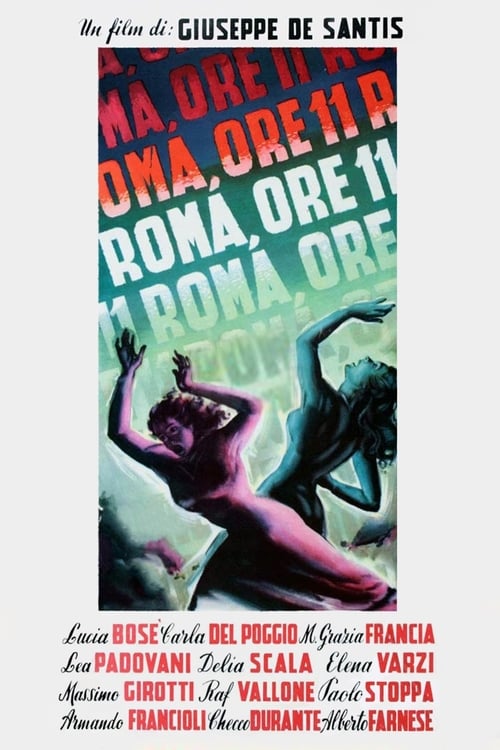
The story of 5 girls among 200 who answer a wanted ad for a modest secretarial position, which leads to overcrowding in the building and a tragic accident.
Rome 11:00
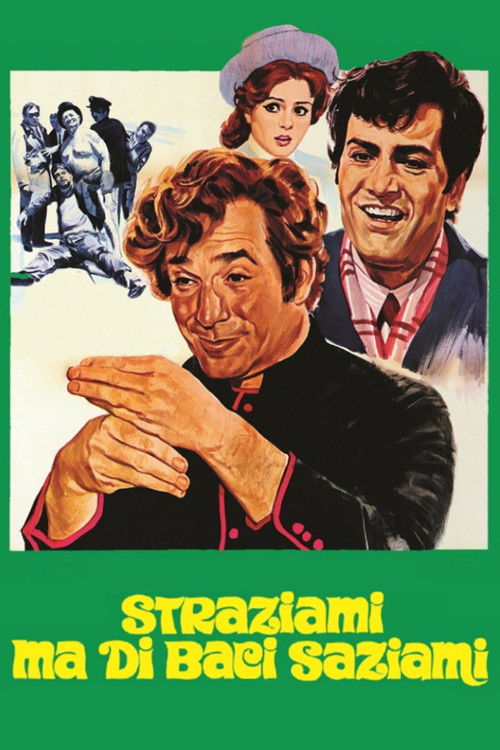
When Marino goes to Rome for an event, he certainly does not imagine meeting Marisa, who will become the love of his life. But once love is found, it is a matter of spreading it and here the difficulties begin: first the father who opposes it; then, after the death of his father, the gossips who make Marino believe that Marisa was a little good, so much so that Marisa runs away. Repentant, Marino searches in vain and then, almost by accident, finds her again, Mrs. Ciceri. But love admits no obstacles, not even that of a deaf and dumb husband.
Torture Me But Kill Me with Kisses
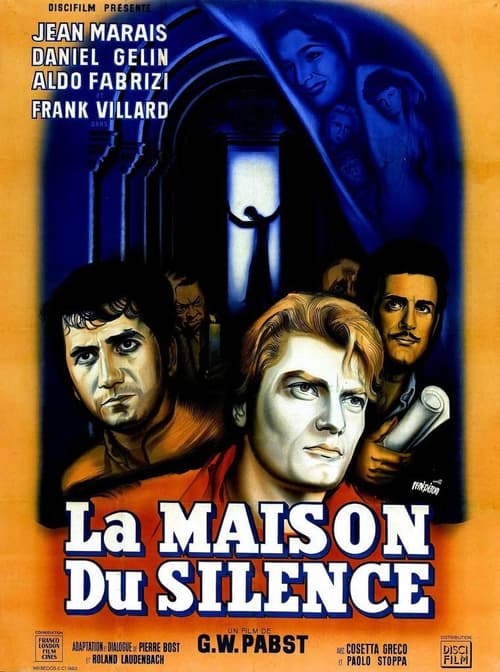
The film follows men from all walks of life, seeking to give meaning to their lives and rediscover their inner peace during a retreat in the “House of Silence”. For three days, they meditate on their lives.
Voice of Silence
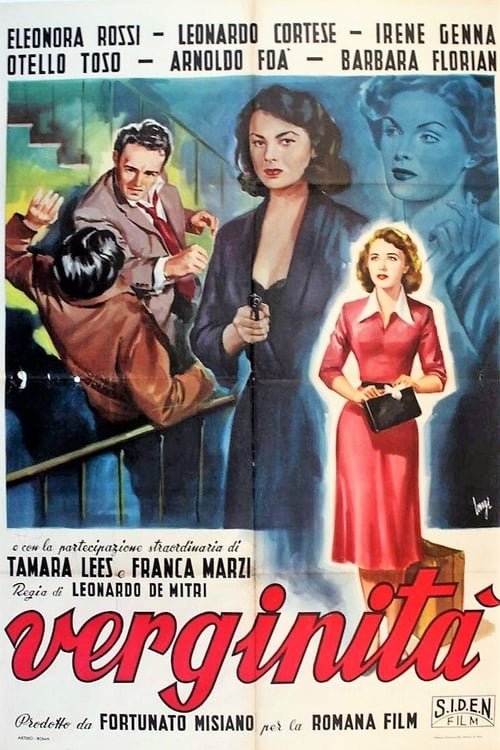
Gina is the daughter of a provincial newsstand dealer and spends her time reading pulp magazines and dreaming of a glamorous vocation on the big city. She enters a beauty contest in a nearby city, without her father's permission, and, en route, meets Franco, a salesman.
Verginità
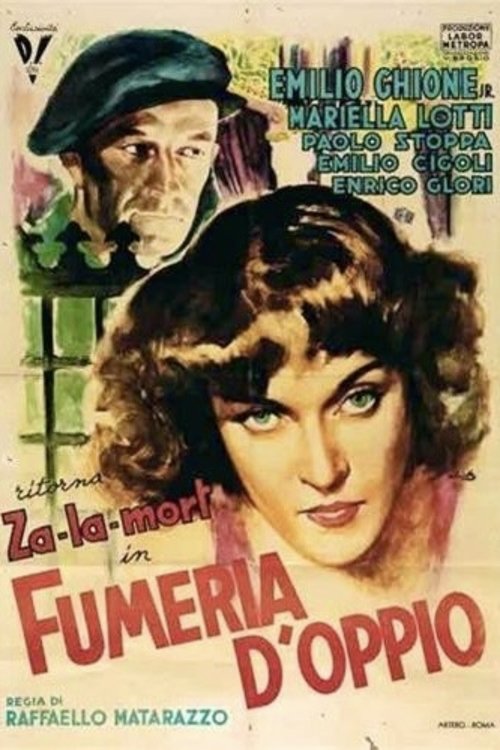
A young woman is murdered and robbed in broad daylight. A young man is arrested, in possession of some of the jewels of the victim. The passionate protests of his sister arouse the compassion of Za la Mort, who promises to help the girl.
The Opium Den

A short that follows the legend of Wilhelm Gorkeit of Tellikon (William Tell), the legendary archer and hero from Switzerland.
The Story of William Tell
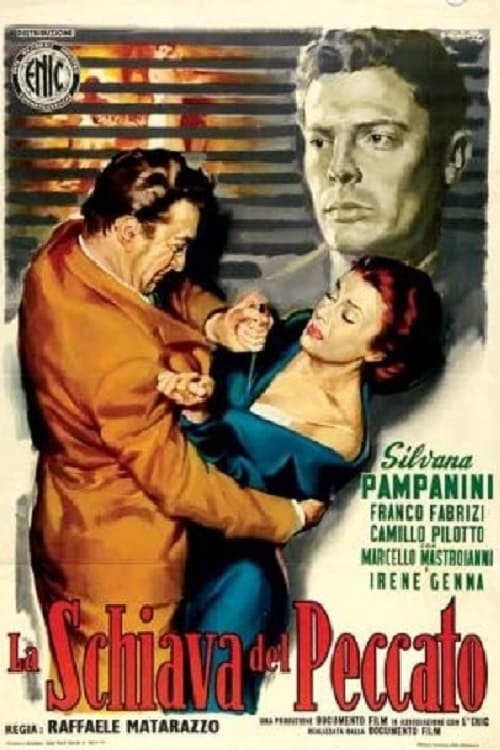
A former prostitute and a little Polish girl are survivors of a train crash. The woman wishes to adopt the child, but her past makes that difficult.
The Slave of Sin
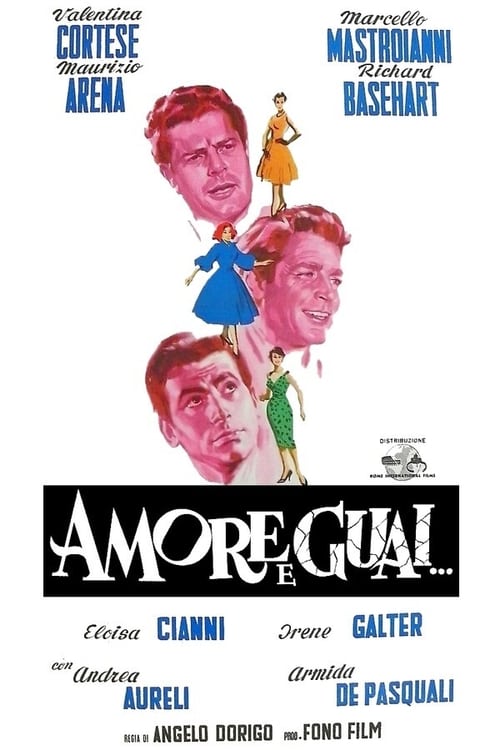
Three vignettes about couples trying to get together and the problems that continue to keep them apart.
Love and Troubles
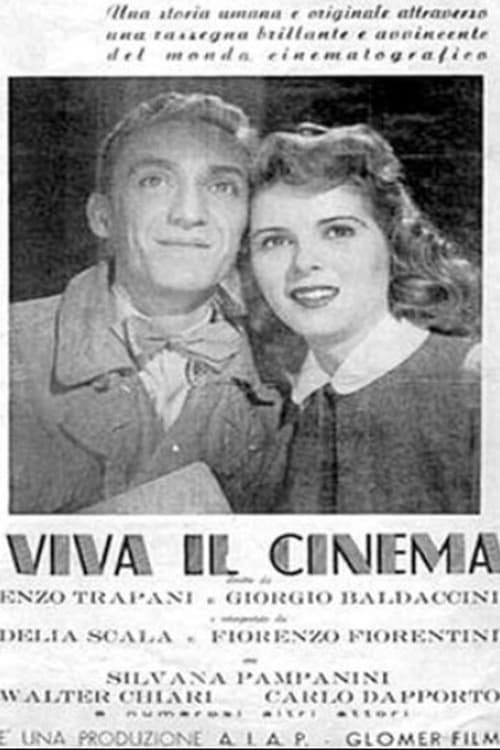
Tonino, a young, shy salesman, engaged to his neighbor Pallina, is a cinema enthusiast. He has written a film script and dreams of seeing it made on the big screen.
Viva il cinema
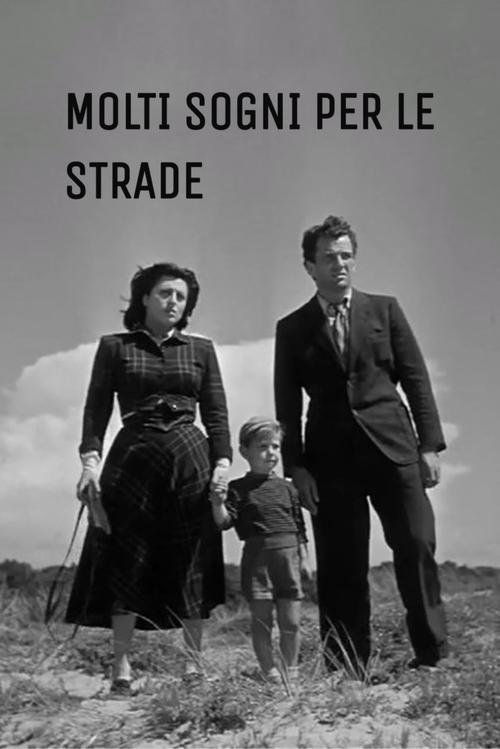
Driven by the constant quarrels with his wife and humiliated by a rich Milanese industrialist after asking him for a job, an unemployed person decides to steal a car from a garage guarded by a friend.
Woman Trouble
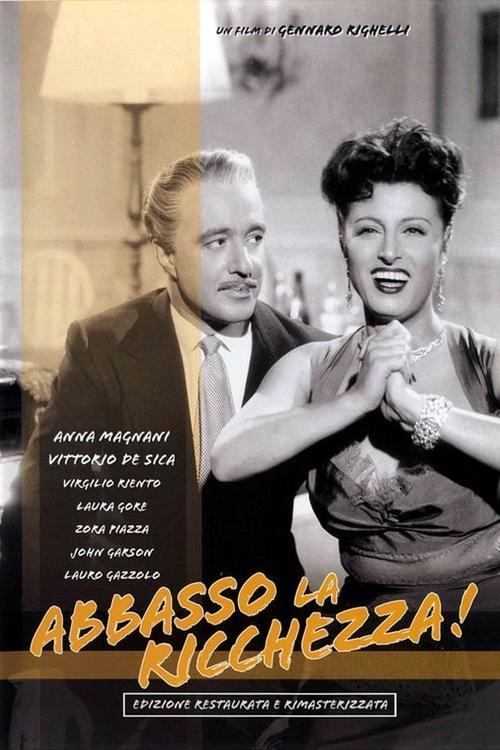
Thanks to wartime smuggling Gioconda Perfetti, a roman fruit vendor, becomes very rich. She leaves her shop and moves to a magnificent villa which once belonged to a count. She also becomes involved with some very dubious characters who profit from her ignorance and cheat her out of her money.