Acting
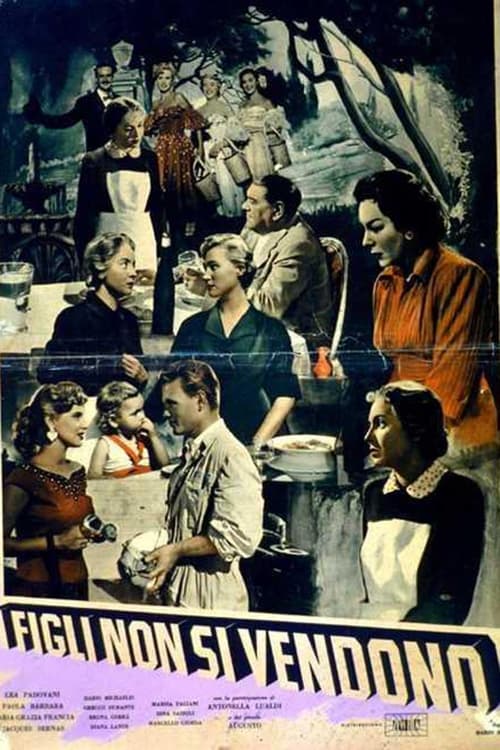
Gina est la fille d'un marchand de journaux de province. Elle passe son temps à lire des romans à l'eau de rose et à rêver d'une vie romantique à la ville. Un jour, elle participe à un concours de beauté sans la permission de son père et rencontre Franco, un représentant. Mais elle perd le concours. Elle est alors approchée par Giancarlo et René, éditeurs de romans-photos, afin qu'elle devienne modèle pour leurs publications.
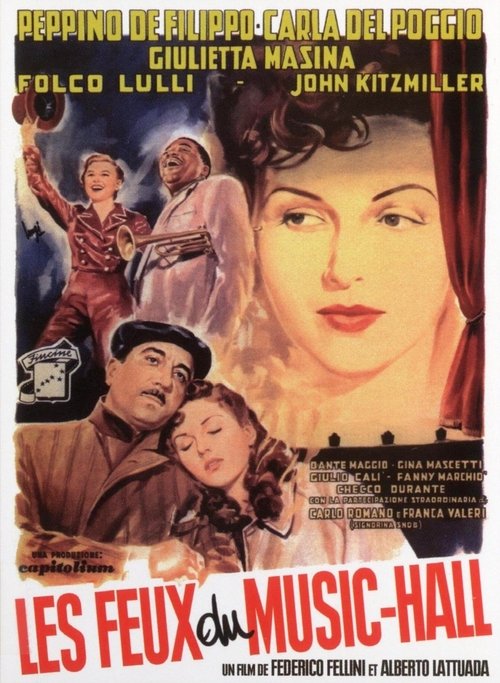
Au cœur des années trente, dans des trains et des gares sans confort, une troupe d'actrices et d'acteurs de variétés traverse de part en part une Italie provinciale, pauvre et pittoresque et donne des représentations quand et où elle le peut.
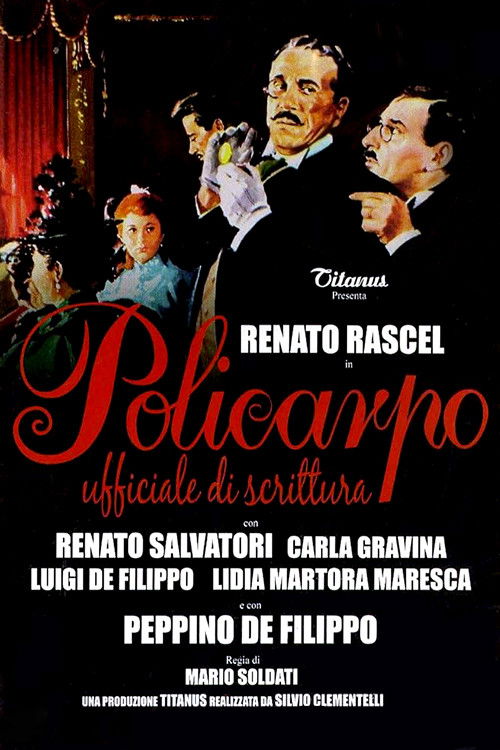
Aucune description disponible.
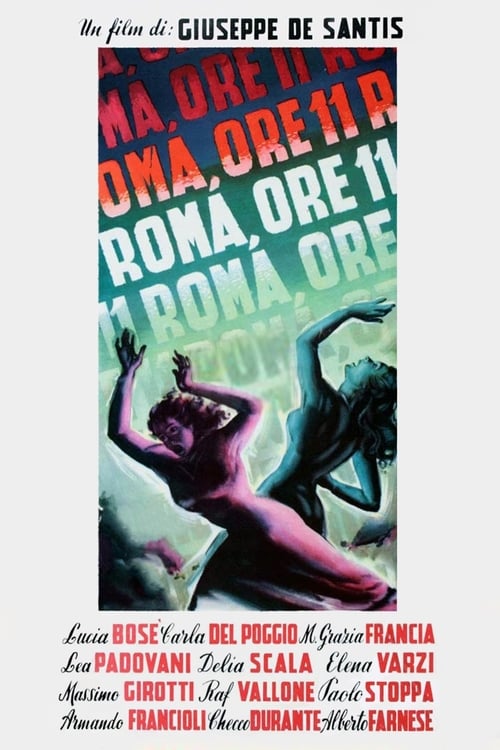
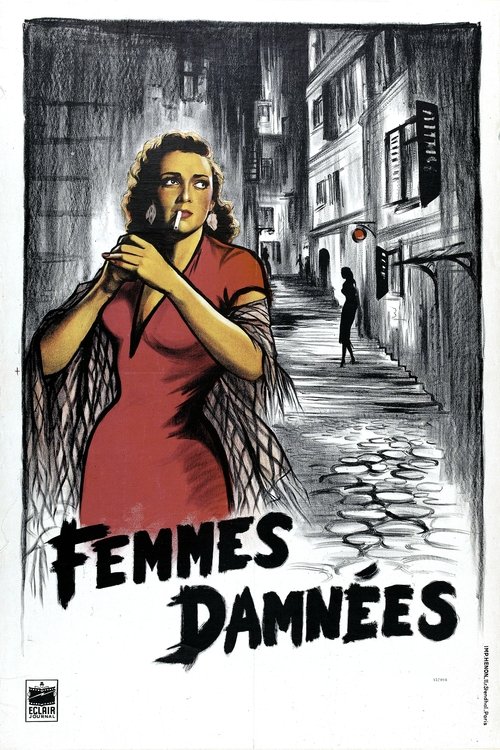
Rome, début des années 1950, onze heures du matin. Une prostituée, l'épouse d'un ouvrier au chômage, l'amie d'un peintre, une fille enceinte, une domestique et deux cents autres femmes, à la suite d'une annonce publiée dans un journal, s'entassent et se bousculent pour obtenir un modeste poste de secrétaire. Le lieu où elles se trouvent est un vieil immeuble et l'escalier finit par s'effondrer. Plusieurs victimes sont conduites d'urgence à l'hôpital. Le scénario s'inspire d'un authentique fait divers.
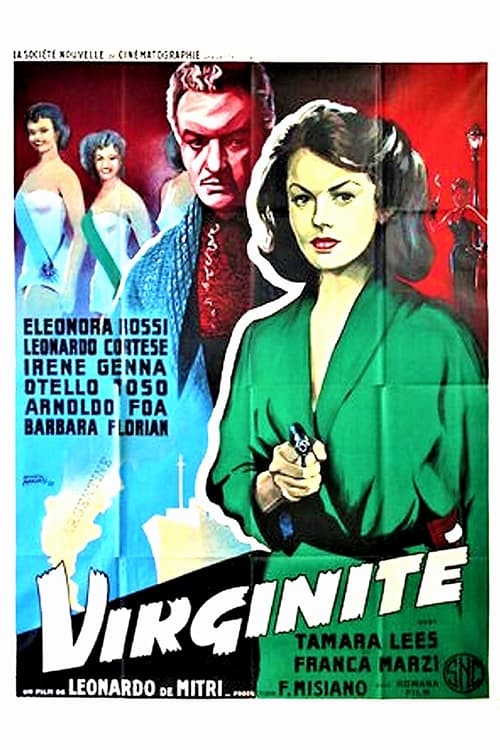
Peu de temps après avoir tenté de mettre fin à ses jours, en se jetant par la fenêtre du bordel dans lequel elle travaille, Tamara, une prostituée romaine, apprend que la maison close est sur le point de fermer.
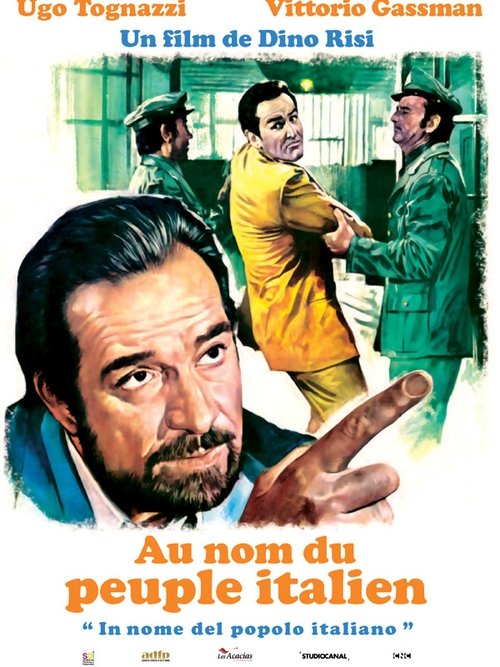
Un magistrat incorruptible, le juge Bonifazi, poursuit de son zèle un riche industriel romain, corrupteur et corrompu, Lorenzo Santenicito, dont il est convaincu qu'il est le meurtrier d'une call-girl. . Au départ, un petit juge intègre et un gros bonnet de l'industrie lié au pouvoir politique, accumulant les fraudes et les trafics, président de 36 sociétés, promoteur véreux, capitaine d'industrie pollueuse, mauvais mari, fils indigne. Le bien et le mal. Mais peut-on condammer quelqu'un pour ce qu'il représente ? Santenicito reprochera au juge Bonifazi d'avoir des préjugés contre lui, une phrase perdue dans la logorrhée chronique du personnage qui se drogue aux mots pour calmer son angoisse de la mort. Paradoxalement, c'est dans un tête à tête où tout les deux mentent qu'un brin de sincérité va réunir les deux hommes qui déjeunent dans un modeste restaurant sur la plage, Lorenzo Santeniceto semble rechercher un peu d'estime dans le seul homme non corrompu qu'il rencontre dans sa vie.
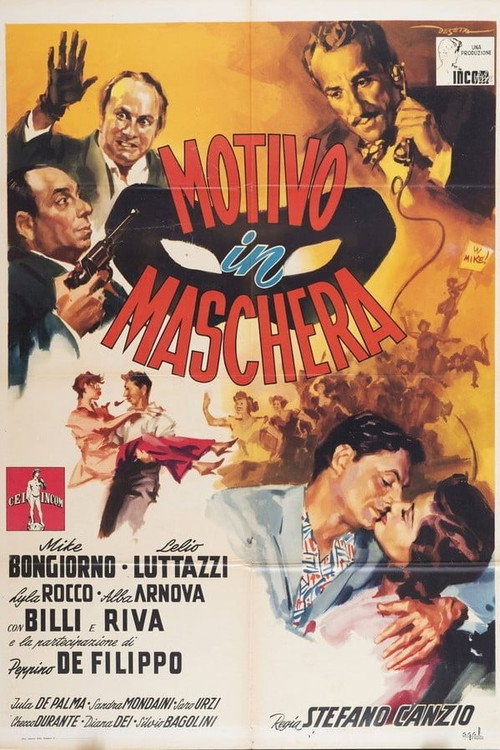
Marino et Marisa doivent se marier. C'est compter sans les ragots dénués de fondements qui sont rapportés à Marino... Celui-ci rompt alors les fiançailles. Quelques années plus tard, Marino est pris de regrets et tente de retrouver Marisa.
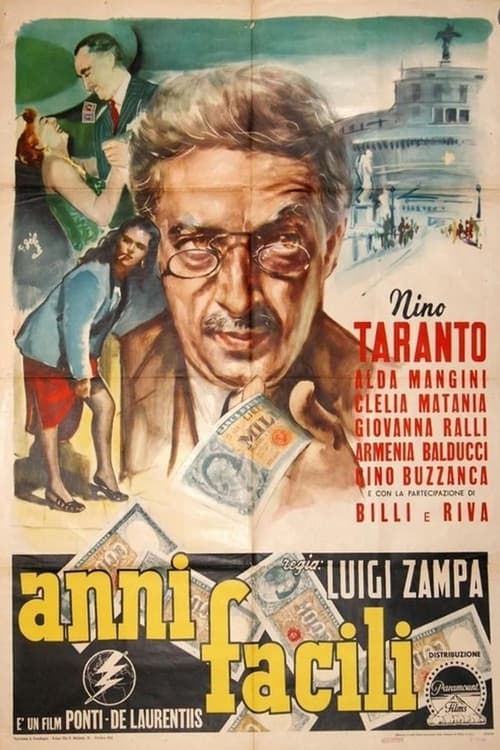
Les deux pilotes Giovanni et Gaetano sont amis. Gaetano, audacieux et impitoyable, prospère sur le marché noir, tandis que Giovanni, qui est un ouvrier naïf et fondamentalement honnête du nord de l'Italie, ne peut en tirer aucun profit et sa femme, une Romaine énergique et bavarde, ne peut s'empêcher de le blâmer. pour ses faibles compétences en affaires. De retour d'un voyage à Naples, il ramène chez lui un petit orphelin affamée, Nello. Au début, la femme de Giovanni ne veut pas du garçon, mais ensuite elle commence à l'aimer. Le petit garçon fait tout ce qu'il peut pour aider la famille. Le père de Nello, que tout le monde croyait mort pendant la guerre, retrouve son petit-fils et, étant un riche homme d'affaires, il emploie le bon et généreux Giovanni. Pendant ce temps, l'ancien ami Gaetano est arrêté par la police et condamné pour ses trafics illégaux.