FEEL IT.STREAM
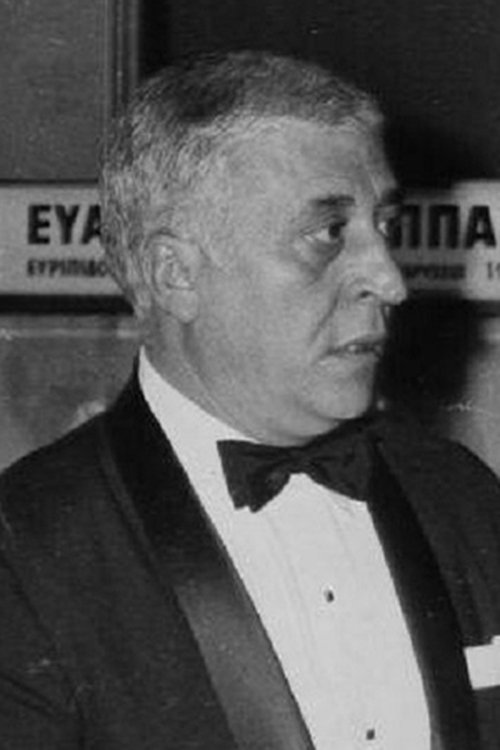
James Paris

James Paris

Production

Biography

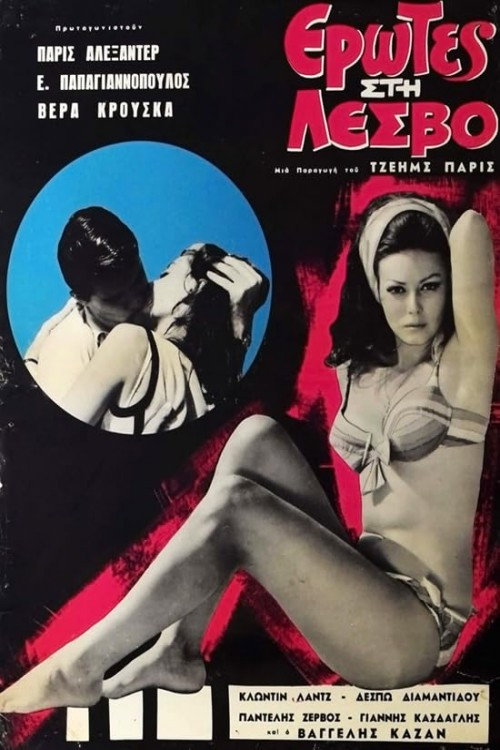
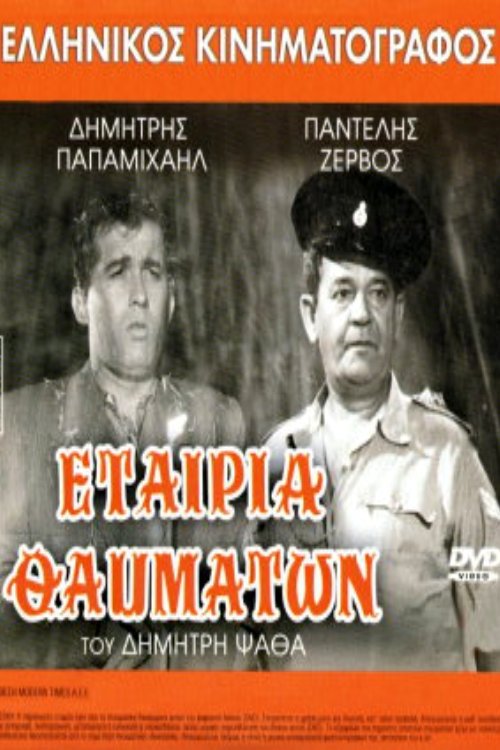
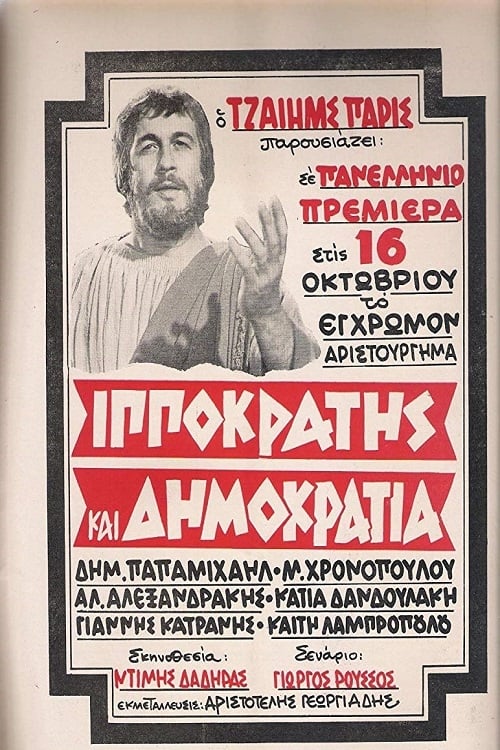
James Paris (1921 – 26 May 1982), born Dimitris Paraschakis, was a Greek film producer. Born in 1921 in the village of Vatoussa, Lesvos, he studied at the Agricultural School of Thessaloniki and the Agricultural Institute of the University of Beirut in Lebanon. In 1948 he emigrated to America and during his first years in the US he studied at the 20th Century Fox Film School, obtained American citizenship and became director of the advertising department of United Artists (1948-1952). After working as a production manager on 20th Century Fox films, he returned to Greece in the late 1950s, giving a new lease of life to film productions. In about a decade, he produced 54 Greek films, many of which were distinguished at the Thessaloniki Film Festival (5 Best Film Awards) and were box office successes. His first film was The Company of Miracles (1963) directed by Stefanos Stratigos. James Parris, the producer thanks to whom the concept of "overproduction" became known in the Greek cinema, died in 1982 at the age of 61.
Known For

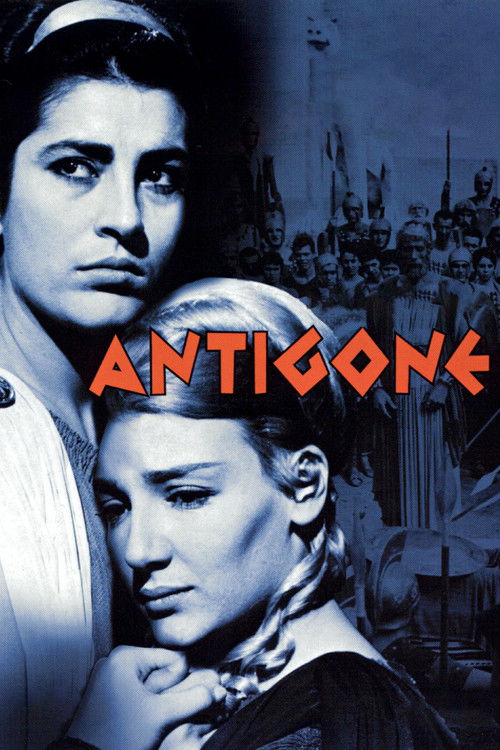
Antigone
7.6

In Thebes in ancient Greece, King Oedipus kills his father and marries his mother Jocasta, having two sons - Eteocles and Polyneices - and two daughters - Ismene and Antigone. King Oedipus dies a beggar in the exile after gouging out his own eye, and Eteocle agrees to reign in Thebes in alternating years with Polynices. However, he refuses to resign after the first year and Polynieces raises an army and attacks Thebes, and they kill each other. The ruler of Thebes Creon decrees that Eleocles should have an honorable burial while the body of the traitor Polyneices should be left on the battlefield to be eaten by the jackals and vultures. However, Antigone, who was betrothed to Creon's surviving son Haemon, defies Creon's orders and buries her brother. When Creon is reported of the attitude of Antigone, he sentences her to be placed in a tomb alive. Antigone hangs herself in the tomb and Haemon tries to kill his father first and then he kills himself with his sword...

Antigone

1961Movie
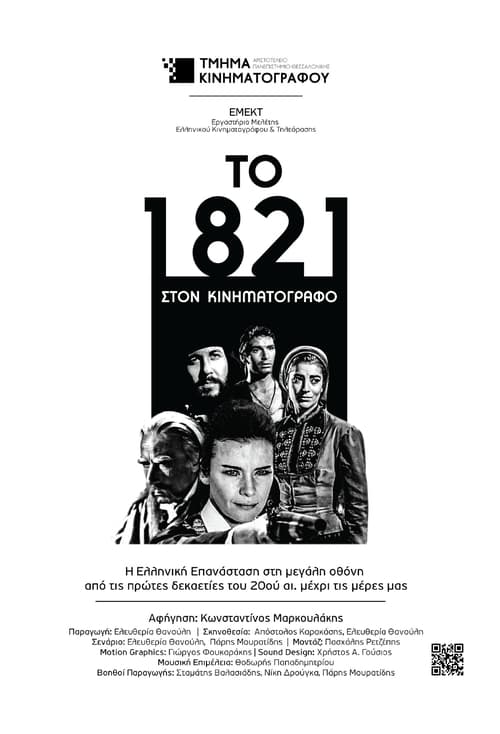
1821 at the Cinema

In 1821, in Cinema, he records the cinematic representations of the Revolution from the first decades of the 20th century. until the present day. Despite the fact that the Revolution of 1821 constitutes the founding act of the modern Greek state, as a subject matter it is underrepresented in national film production. This is one of the points on which the research looks, which simultaneously examines the periods of concentration of films on the subject of the Revolution or, respectively, the periods of its collective silence. The purpose of the documentary is to study the ideological discourse and the cinematic language of the films with the theme of 1821, in order to highlight the function of the cinema as a carrier of Public History and as a factor in shaping the collective historical consciousness.

1821 at the Cinema

2021Movie
Persecution
6.0

We are in 1942, in the middle of the German Occupation, on an island opposite the coast of Asia Minor, where a mature woman, Katerina Rodeli, cares for a wounded resistance fighter named Kanaris. In her memory, there are images of the past, the panic of the Asia Minor catastrophe and especially the entrance of the tsets in her village. There she lost her three-year-old son, Konstantin, whom he never ceased to look for. However, the village's mackerel maharagrite handed it over to the Germans and, in the face of the danger, they were arrested along with the wounded and a boat ride on the Turkish coast to find themselves immediately enclosed in a refugee camp. His commander is a tough second lieutenant, Osen, who is bought by the English consulate of Izmir to transfer the fugitives to Egypt.

Persecution

1964Movie