Acting
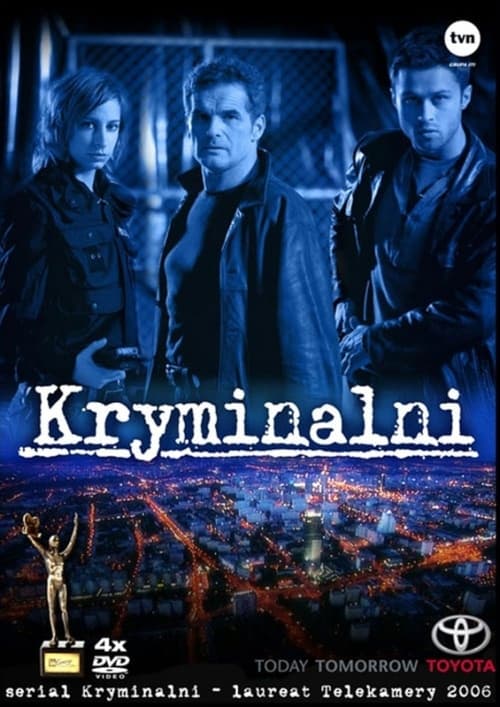
Kryminalni was a Polish crime drama television series that aired on TVN network from September 18, 2004 until May 24, 2008. It ran for 8 seasons and 101 episodes were broadcast in total. It was created by Polish director and screenwriter Piotr Wereśniak and produced by MTL Maxfilm studio. The series followed life and work of police officers from the elite Criminal Terror and Murders Division of the Warsaw Metropolitan Police; the title refers to police officers in the crime section. The three main characters were Adam Zawada, an experienced, tough cup, his younger colleague Marek Brodecki and Barbara Storosz, an ambitious female officer who in the first season joins the team just after graduating. Although none of the main actors had had star status before the series debuted, all three of them rose to prominence and popularity during the 5-year-long run. Many of Poland's best known actors guest starred, usually playing roles of people involved in just one particular investigation. The serial was one of the most popular in Poland: each week it had an audience of 4 million.
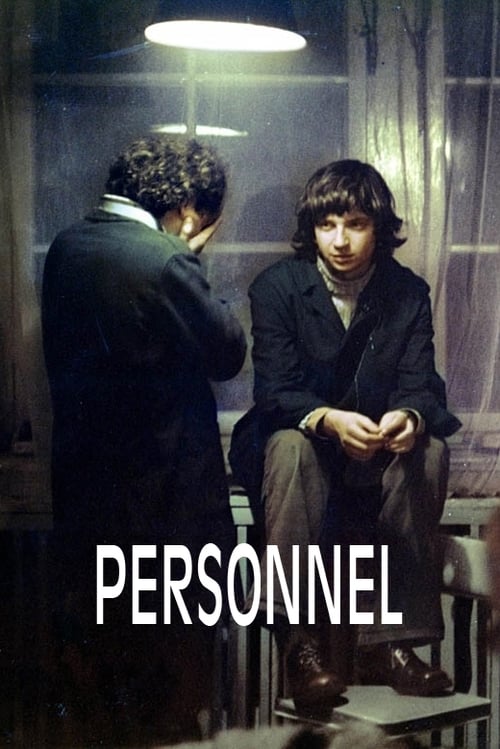
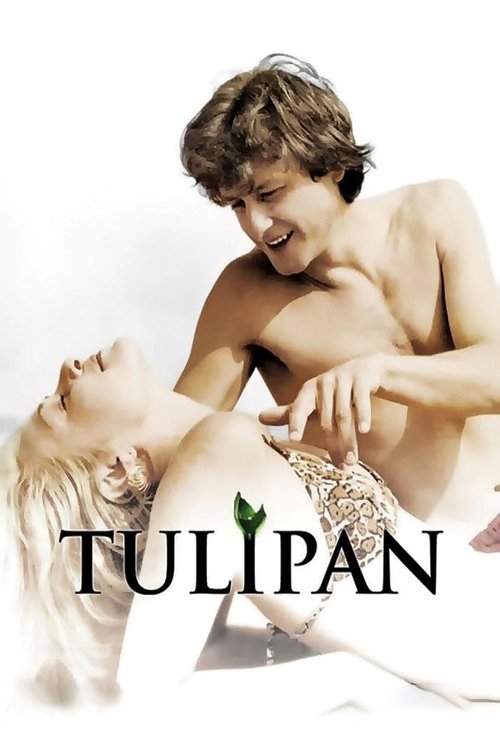
Romek, an idealistc 19-year-old boy, takes a job as a tailor in the costume department of a Warsaw theater company where his new colleague, Sowa, is pressured to make a costume for an overbearing soloist.
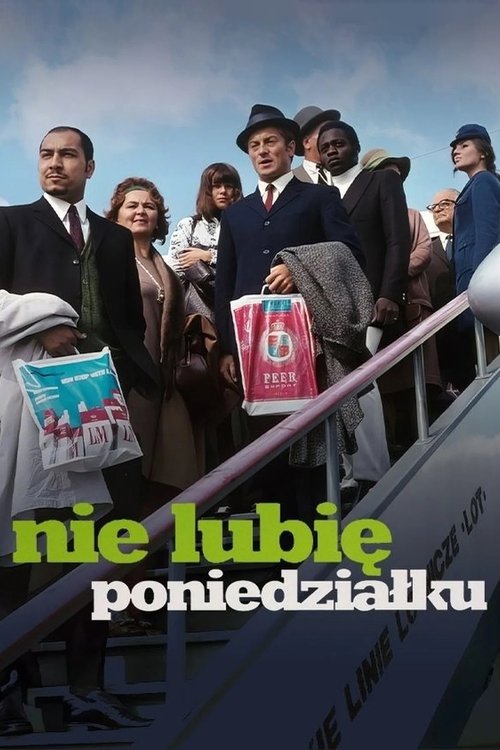
An acute case of Mondayitis in Warsaw. Interwoven stories of a few inhabitants of Warsaw, including one very unlucky Italian on a governmental mission and a charitable Polish American.
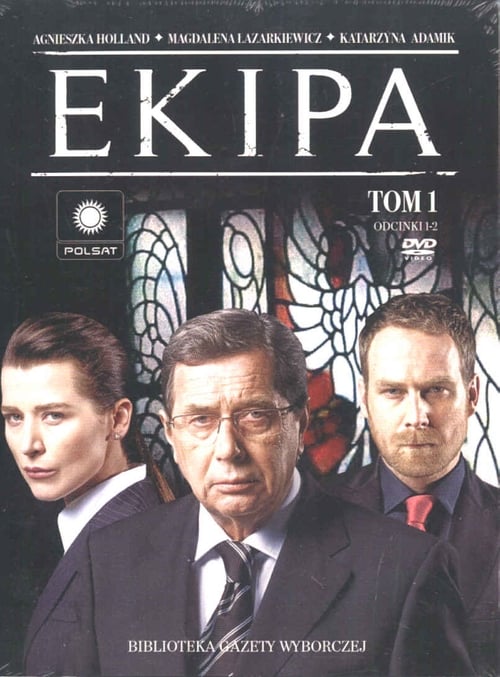
Ekipa is a Polish political drama TV series created and directed by Agnieszka Holland, aired from 13 September 2007 until 6 December 2007 on Polsat. Ekipa is the second Polish political fiction series after the 1980s miniseries The Career of Nicodemus Dyzma.
No description available.
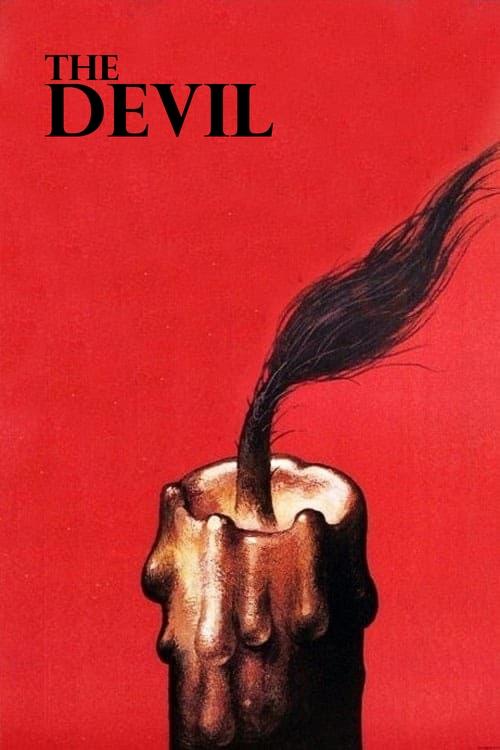
Young Polish nobleman Jakub is saved from imprisonment by a stranger. In return, the stranger wants to obtain a list of Jakub’s fellow conspirators. As he follows his mysterious savior across the country, Jakub is affected by the overall chaos and moral corruption; he goes insane and becomes a mass murderer.
A dramatic story about a young man entangled in complicated matters of war, conspiracy and political struggle. The action of each part of the triptych presents one day from different years. These are fictionalized experiences of an authentic participant of the Polish resistance movement during the Nazi occupation.
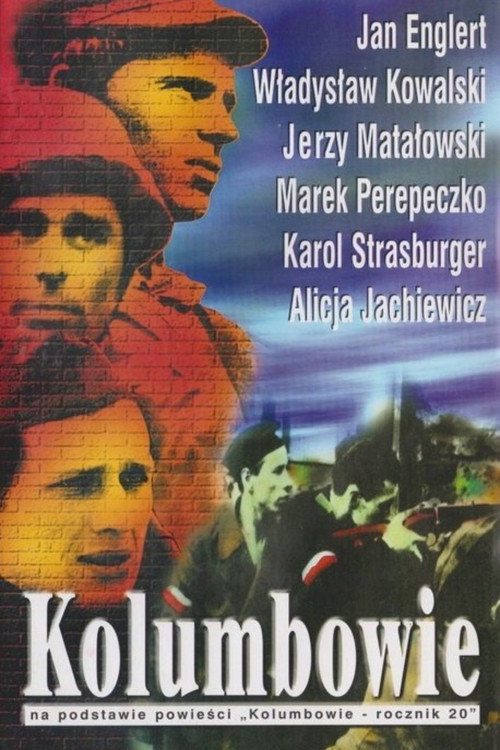
Kolumbowie follows a group of Polish resistance fighters during WWII in the days leading up to the Warsaw Rising.
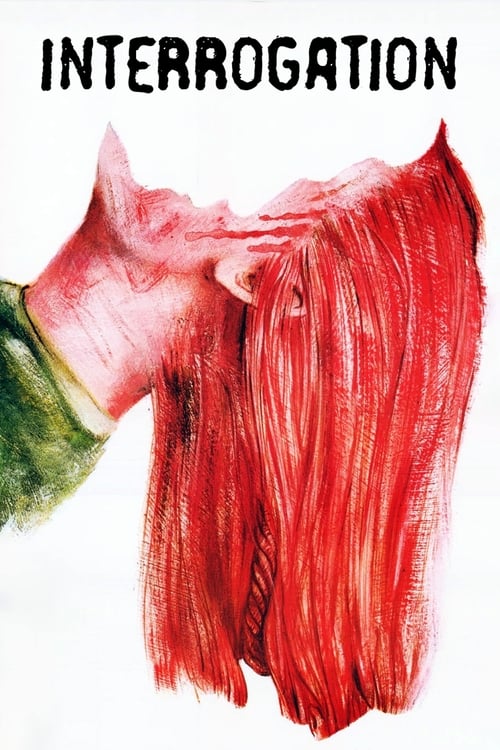
In Stalinist Poland, cabaret singer Tonia decides to spend the evening drinking with a group of friends. The next morning, she awakes to find that, for reasons unknown to her, she has been jailed as a political prisoner. As prison officials interrogate, torture and humiliate her, she fights for survival and to maintain her innocence by refusing to sign a false confession. As her years of imprisonment pass, her relationship with her captors grows more complicated.
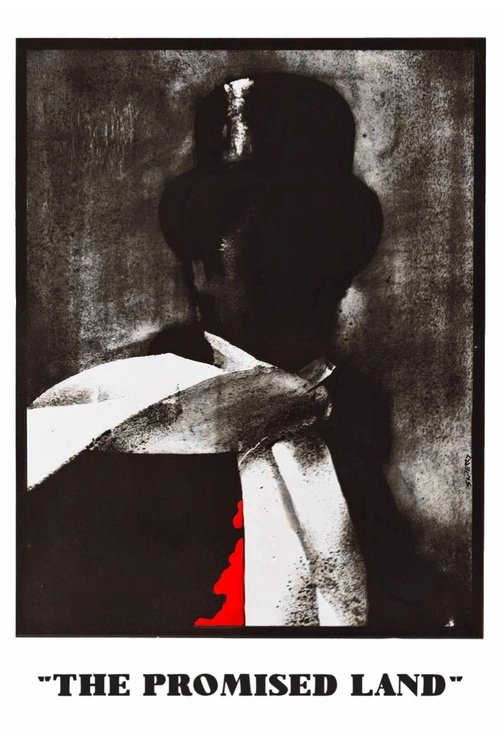
At the turn of the century, Lodz, Poland, was a quick-paced manufacturing center for textiles, replete with cutthroat industrialists and unsafe working conditions. Three young friends, a Pole, a Jew, and a German, pool their money together to build a factory.
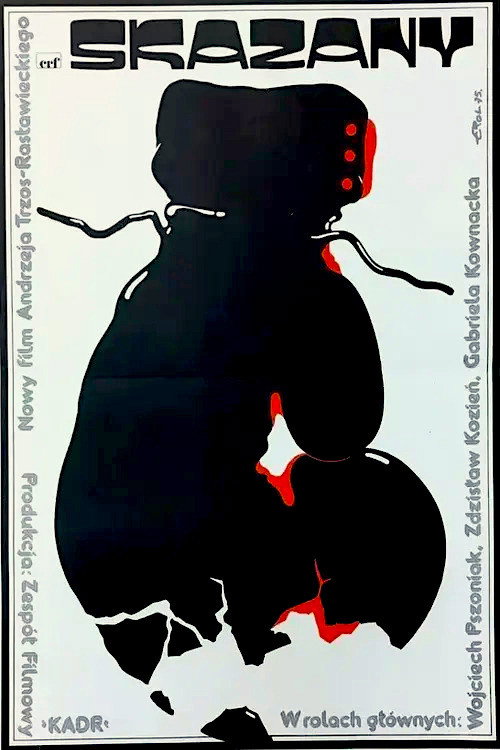
A man is tried in court for failing to help his brother to avoid suicide.
The impresario decides to make the theater group's performances more attractive by spreading a rumor that the oldest actress could die on stage at any moment.
After two years in prison, Adam returns home set on revenge against the uncle who betrayed him. En route, he lands a job on a highway construction site near his uncle’s village. Soon, fellow ex-con Tojfel appears and makes a chilling offer: his men will kill the uncle if Adam joins his new criminal schemes. Adam’s silence triggers a violent spiral that threatens everything he holds dear - especially his growing love for young trainee Magda.
Filmed in 1970, this little-known short by Andrzej Wajda remained unseen for over five decades after being archived under the working title The Artist. Shot at swimming pools in Warsaw, it follows an athlete who savors the freedom of a solitary dive before joining a disciplined group of competitive swimmers. Originally made using leftover color film stock from Brzezina (1970), the film was digitally restored by TVP in 2026.
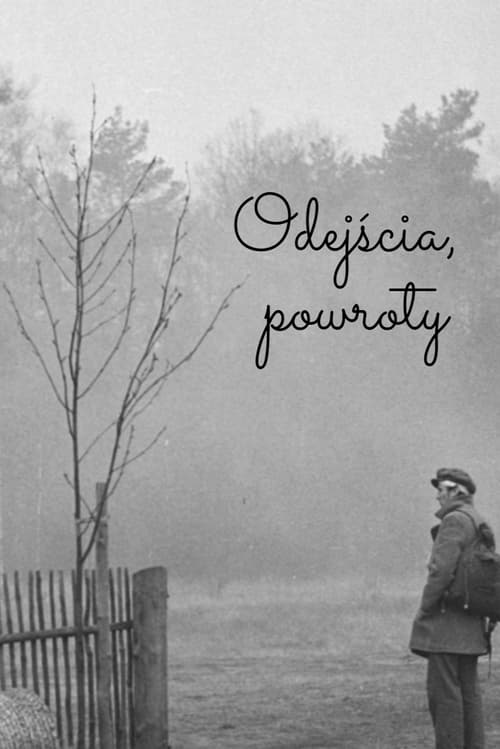
Television film from the "Polish Holidays" series was made according to his own script by Ryszard Bugajski, creator of the famous "Interrogation". A tragicomic tale of life, transience and destiny that one cannot escape. The story of three generations - grandfather, father and son are together again, but all three realize that it is not for long. A serious illness does not give up. However, this meeting arranged by the junior on the occasion of Father's Day will teach them a lot, will allow them to learn other values, overcome their barriers, understand the meaning of life, throw out deeply hidden regrets and grievances, strengthen family ties, resolve disputes, clear up past misunderstandings and disputes.
Prior to her wedding a nineteen years old Anna can't stop wondering whether she made the right choice? So she decides to seek the advice of a well-known sexologist...
A stowaway sneaks aboard a ship departing on a cruise down the Vistula River. The captain takes him for a Communist Party cultural coordinator and the intruder gladly adapts to his new role, immediately setting to work at manipulating the passengers and crew into silly and vaguely humiliating games. Before long, Tym has got everyone under his thumb and created his own comedic dictatorship.
Film opens with the mad rush of haphazard freedom as the concentration camps are liberated. Men are trying to grab food, change clothes, bury their tormentors they find alive. Then they are herded into other camps as the Allies try to devise policy to control the situation. A young poet who cannot quite find himself in this new situation, meets a headstrong Jewish young girl who wants him to run off with her, to the West. He cannot cope with her growing demands for affection, while still harboring the hatred for the Germans and disdain for his fellow men who quickly revert to petty enmities.
A psychological portrait of Ewa, a young Polish theatre actress searching for her own way in life. She plays a minor role in Jasieński's 'The Ball of Mannequins', a complete opposite of her real personality, while aspires to star as Cordelia in Shakespeare's 'King Lear'. Ewa lives on her own, occasionally visiting a famous old actress to talk about theatre, taking care of a poor neighbor, and fights her sophisticated mother rejecting the truth about her beloved father, who died an alcoholic.